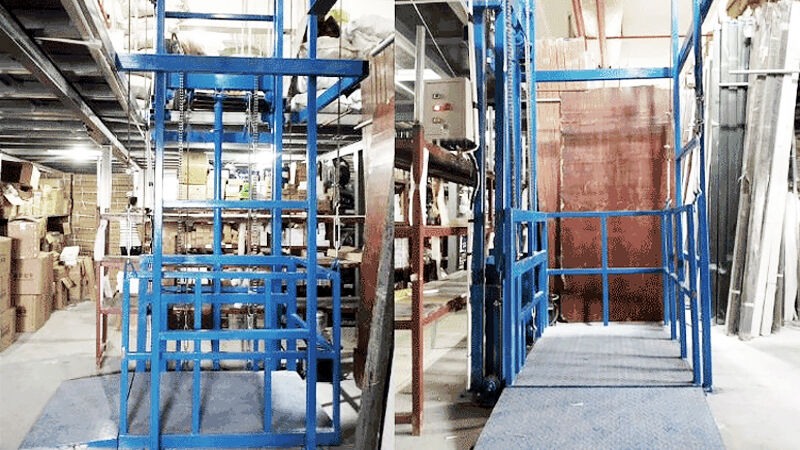
Desain yang Dapat Disesuaikan dan Opsi Pemasangan yang Fleksibel
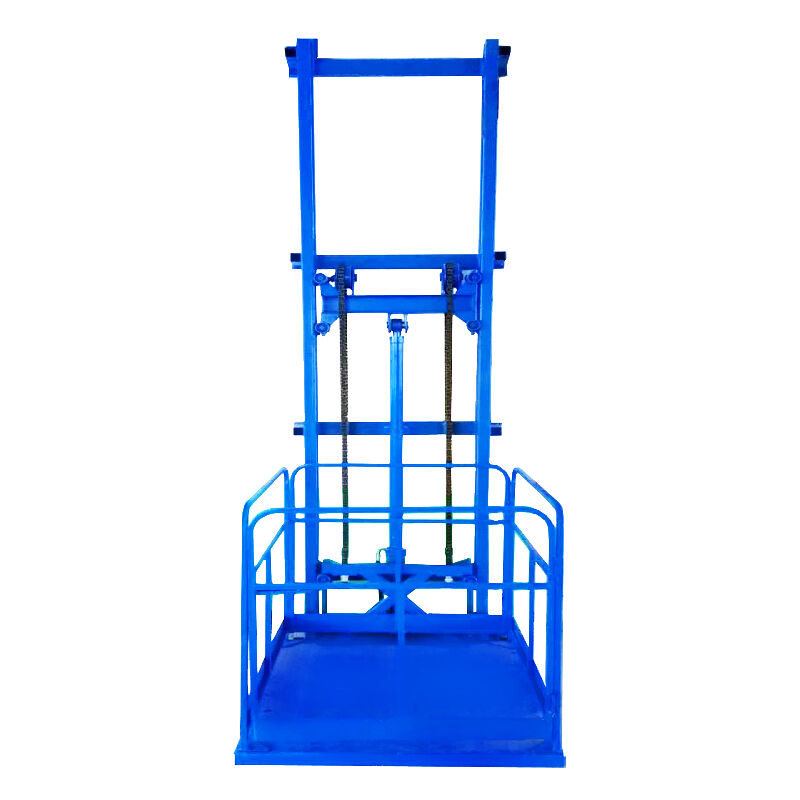
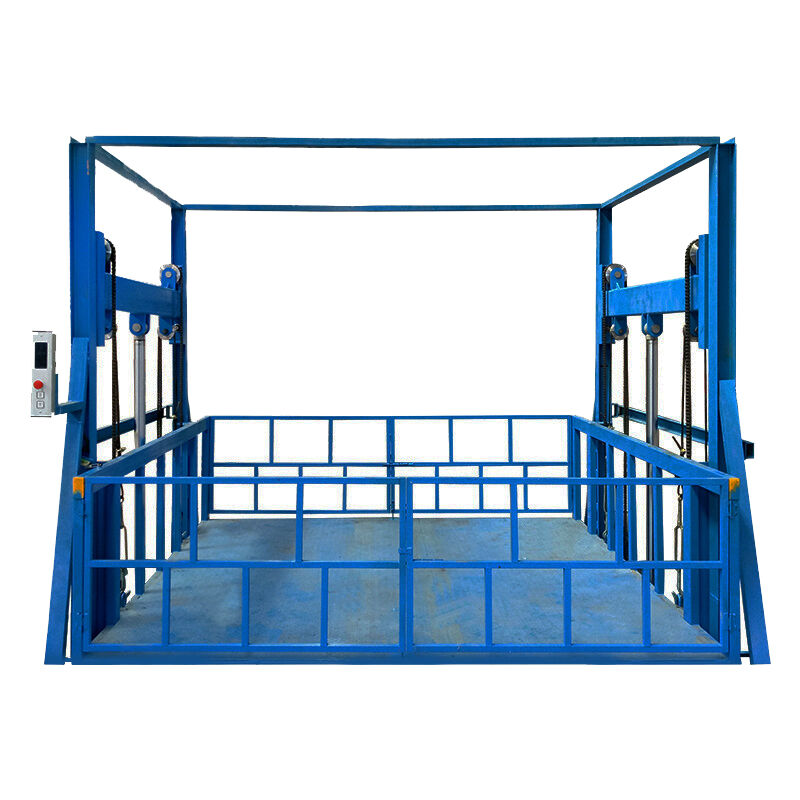
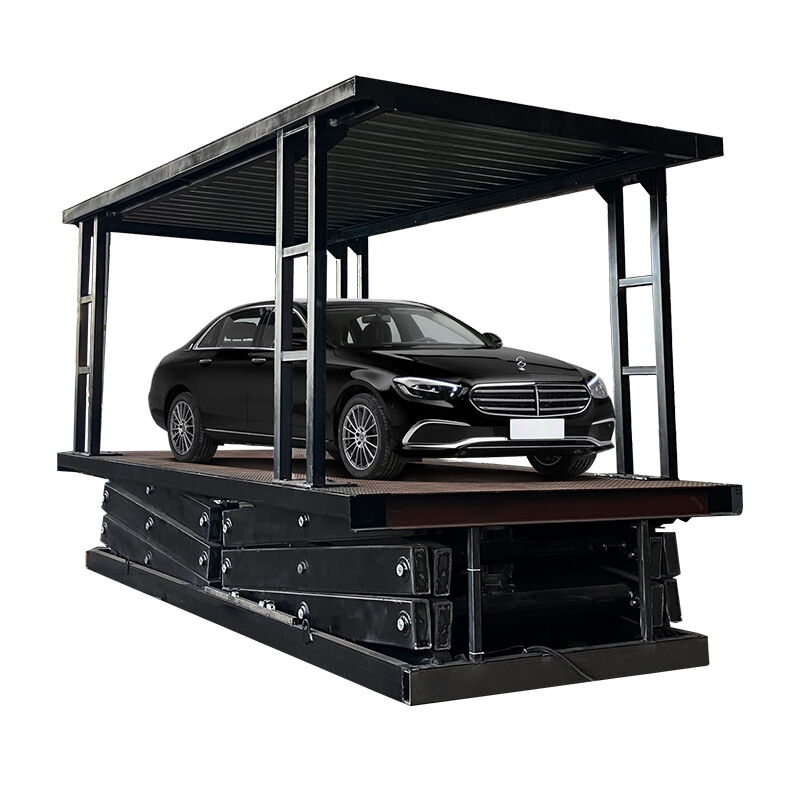
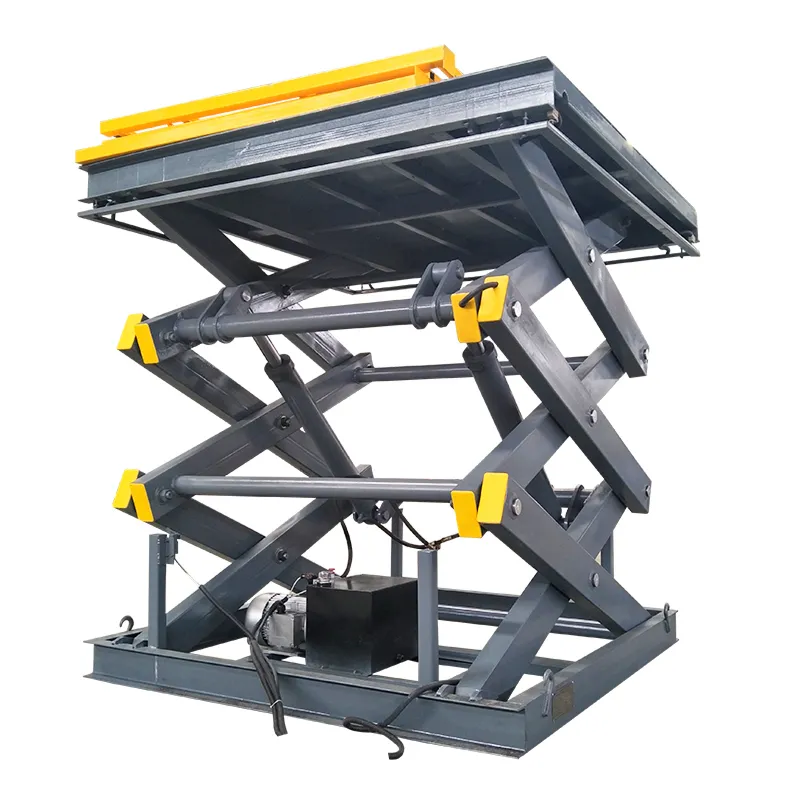
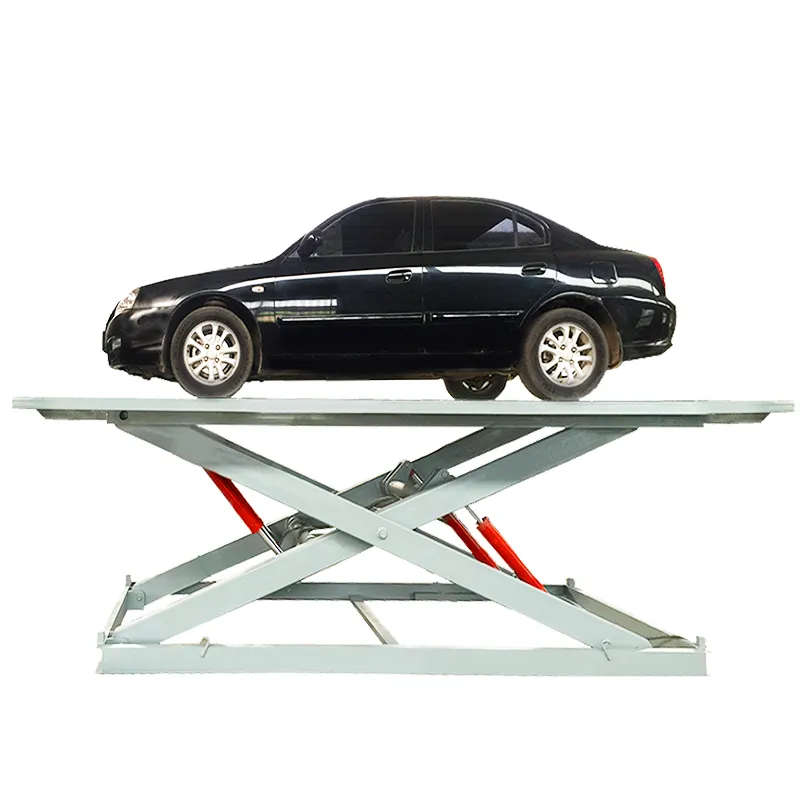
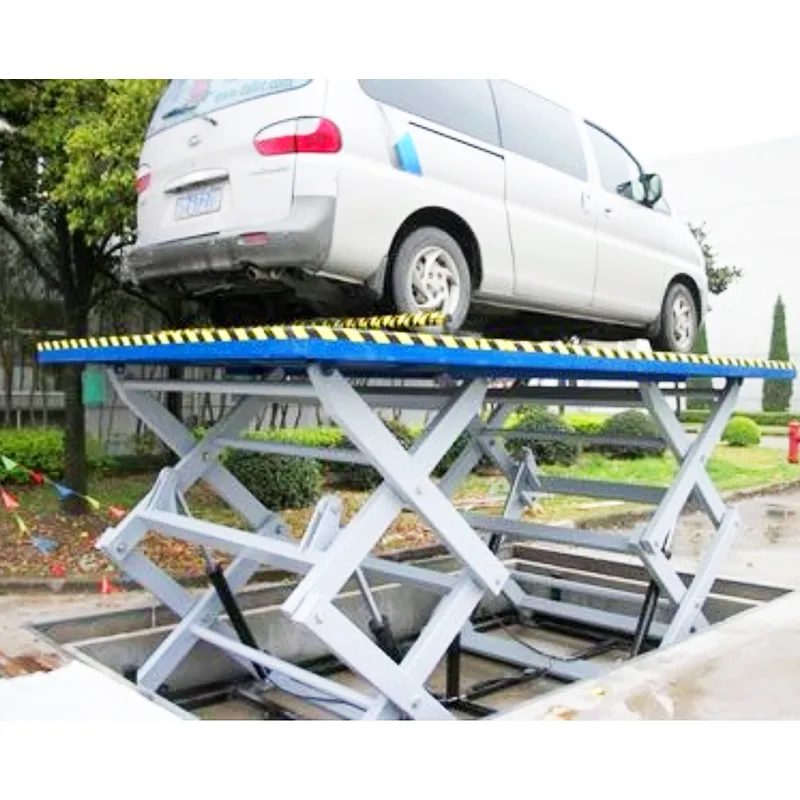
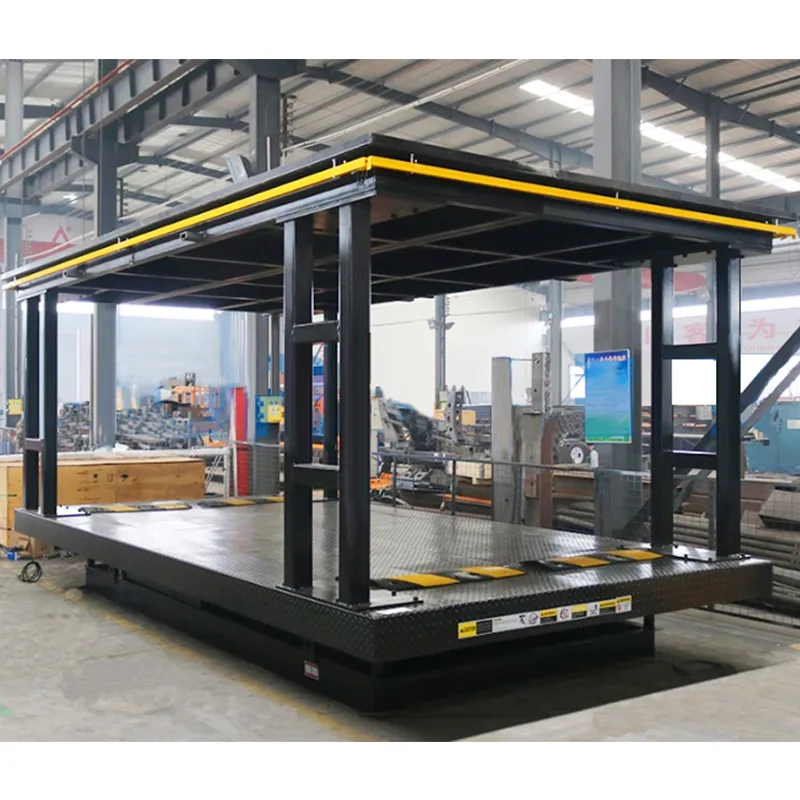
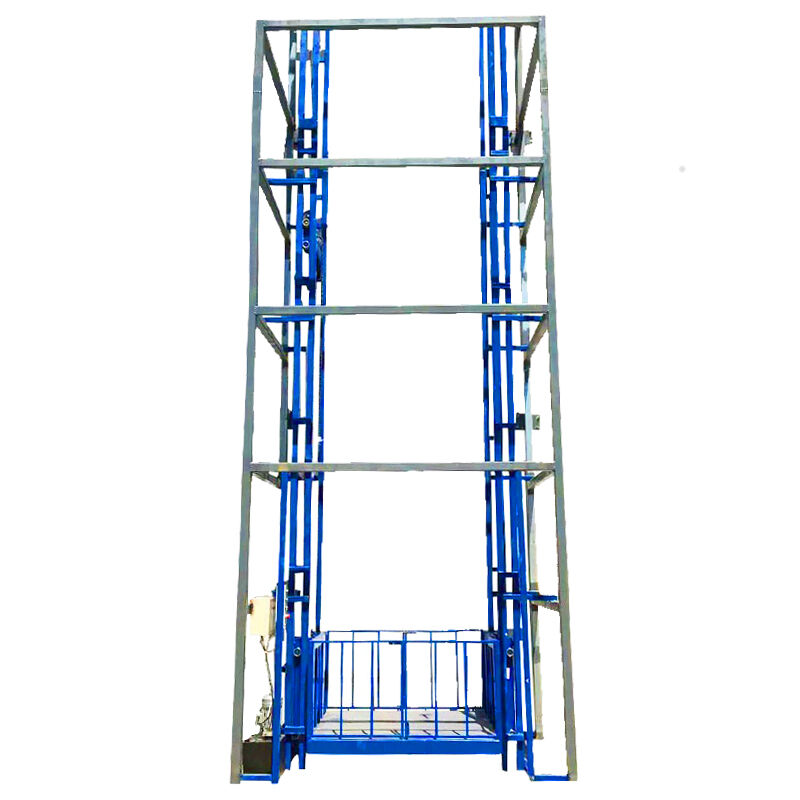
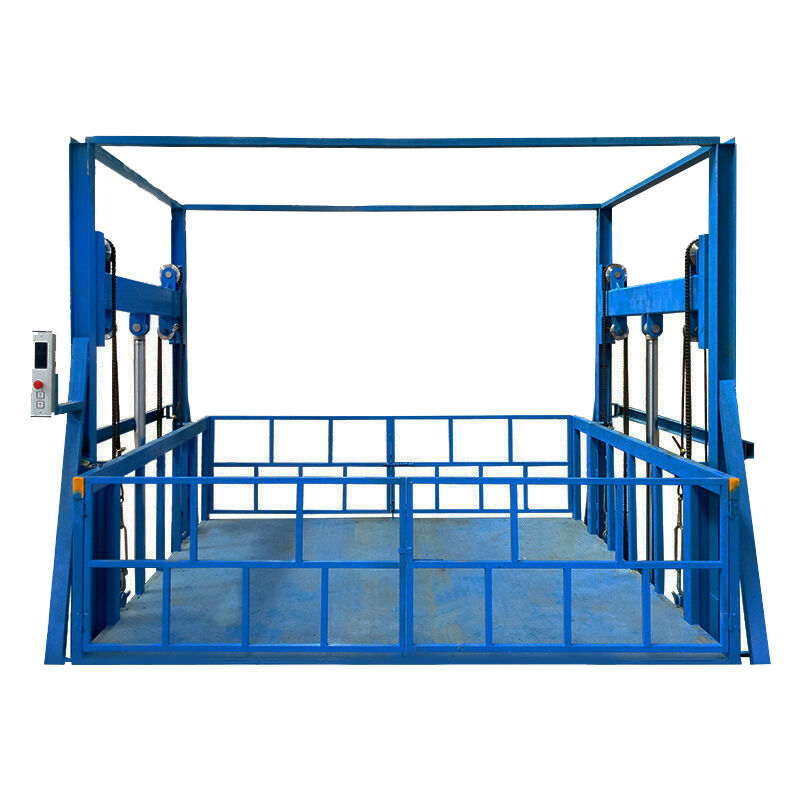
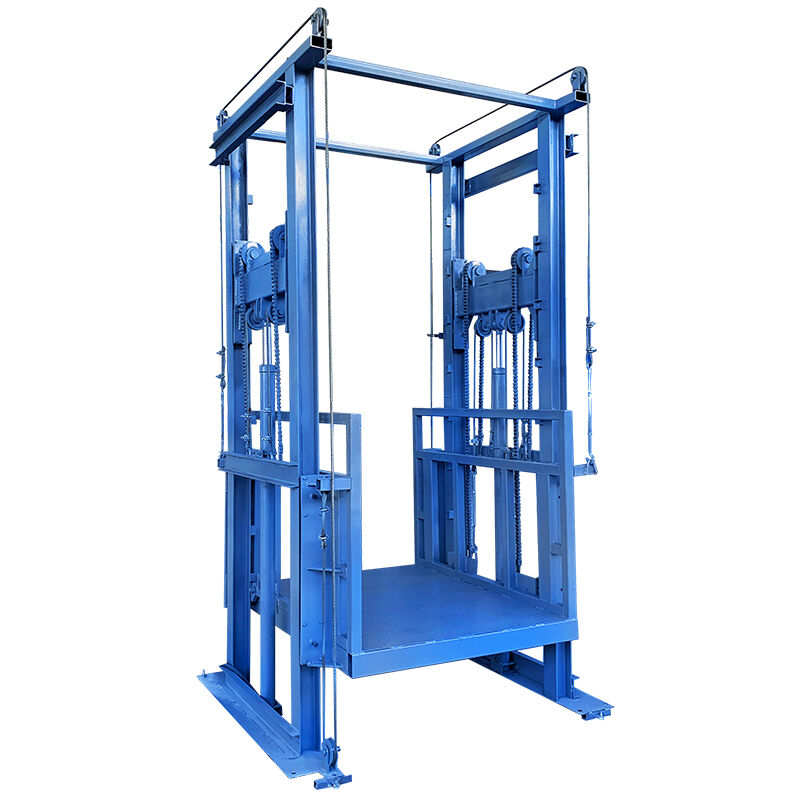
Lift barang eksternal menawarkan fleksibilitas desain yang belum pernah ada sebelumnya, yang mampu memenuhi beragam kebutuhan arsitektural dan operasional di berbagai jenis bangunan serta industri. Ukuran platform khusus bervariasi mulai dari konfigurasi kompak yang cocok untuk operasi ritel kecil hingga platform luas yang mampu menangani peralatan industri besar dan beberapa palet secara bersamaan. Kemampuan ketinggian mencakup instalasi dasar dua lantai hingga sistem multi-lantai yang melayani gedung bertingkat tinggi dan fasilitas industri. Pendekatan konstruksi modular memungkinkan solusi yang disesuaikan, yang terintegrasi secara mulus dengan estetika bangunan yang sudah ada tanpa mengorbankan fungsionalitas penuh maupun standar keselamatan. Pilihan warna dan jenis finishing memastikan lift barang eksternal justru melengkapi desain arsitektural, bukan mengurangi penampilan bangunan. Konfigurasi pintu muat dapat disesuaikan untuk akses sisi tunggal, sisi ganda, atau sudut, tergantung pada keterbatasan ruang dan alur kerja operasional. Kerangka lift barang eksternal mampu menyesuaikan berbagai jenis material bangunan dan tipe struktur, mulai dari konstruksi beton dan baja hingga batu bata serta material komposit modern. Fleksibilitas pemasangan juga mencakup lokasi yang menantang—seperti area dengan ruang terbatas, bentuk bangunan tidak beraturan, atau persyaratan akses khusus. Kebutuhan lubang bawah tanah (underground pit) dapat diminimalkan atau bahkan dihilangkan sepenuhnya melalui pendekatan desain inovatif yang mengurangi kompleksitas dan biaya pemasangan. Lift barang eksternal dapat didesain dengan fitur operasional khusus, seperti kedalaman platform yang diperpanjang untuk material berukuran panjang, sistem pengikat kargo khusus, atau kabin berpengatur suhu untuk produk sensitif. Kemampuan integrasi mencakup konektivitas dengan sistem manajemen gedung yang sudah ada, jaringan pelacakan inventaris, serta peralatan gudang otomatis. Kemungkinan ekspansi di masa depan telah terintegrasi dalam desain, sehingga memungkinkan peningkatan kapasitas, penambahan halte, atau perluasan sistem seiring dengan perkembangan kebutuhan bisnis. Konsultasi desain profesional memastikan pemilihan konfigurasi optimal berdasarkan kebutuhan operasional spesifik, kendala bangunan, serta pertimbangan anggaran.
 EN
EN