Heavy Goods Lift Solutions: Industrial Freight Elevators for Maximum Load Capacity

Get a Free Quote

Our representative will contact you soon.
Email
Mobile/WhatsApp
Name
Company Name
Message
0/1000

heavy goods lift

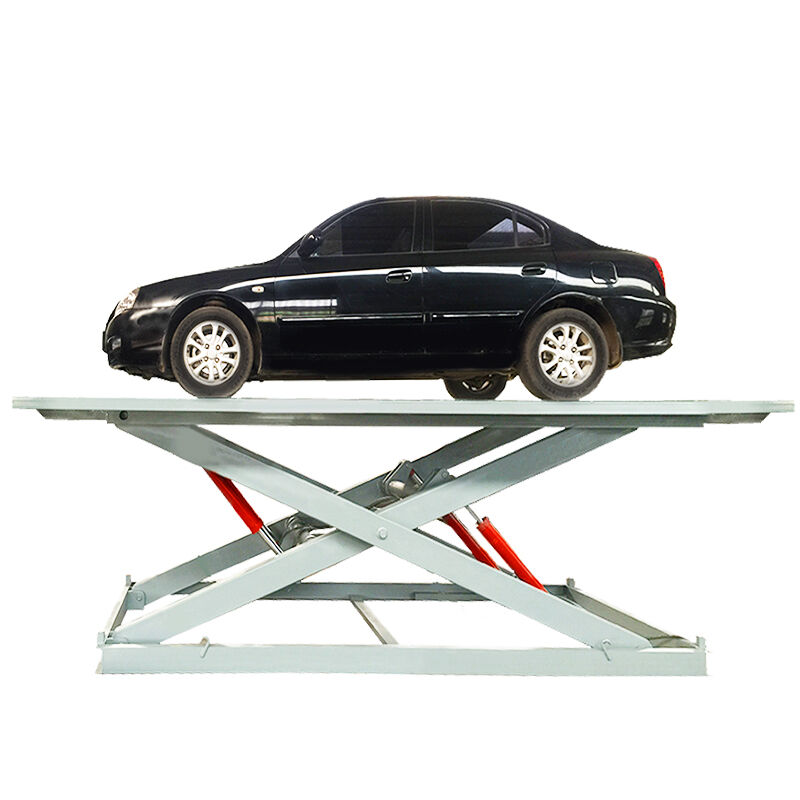
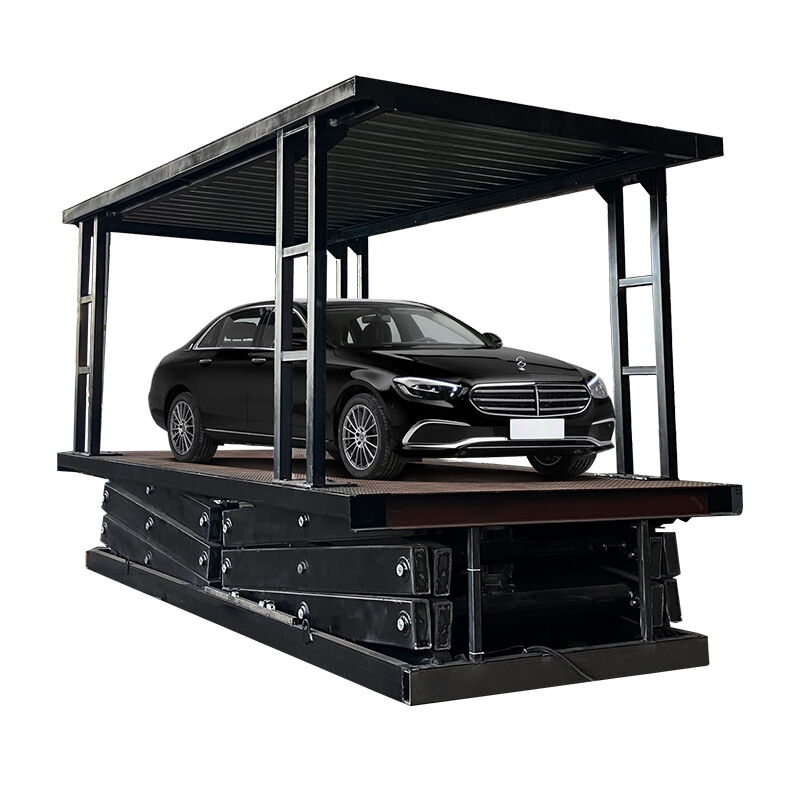
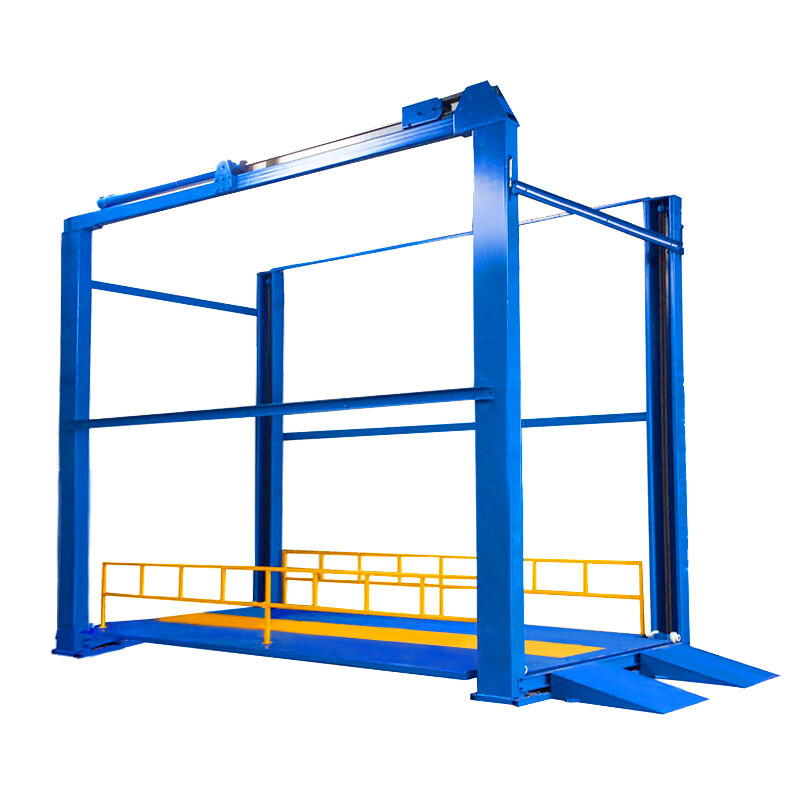
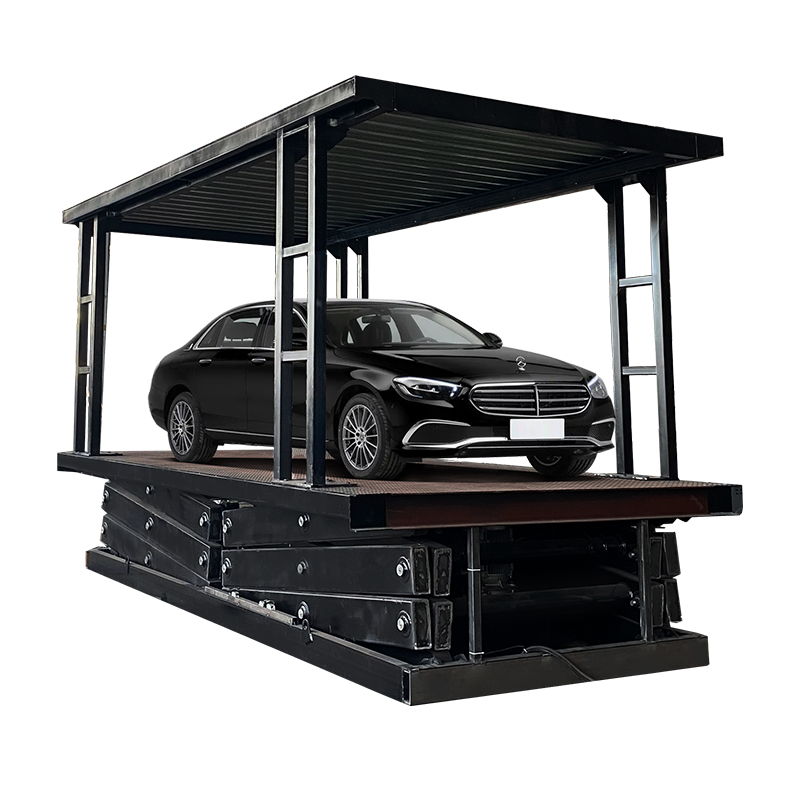
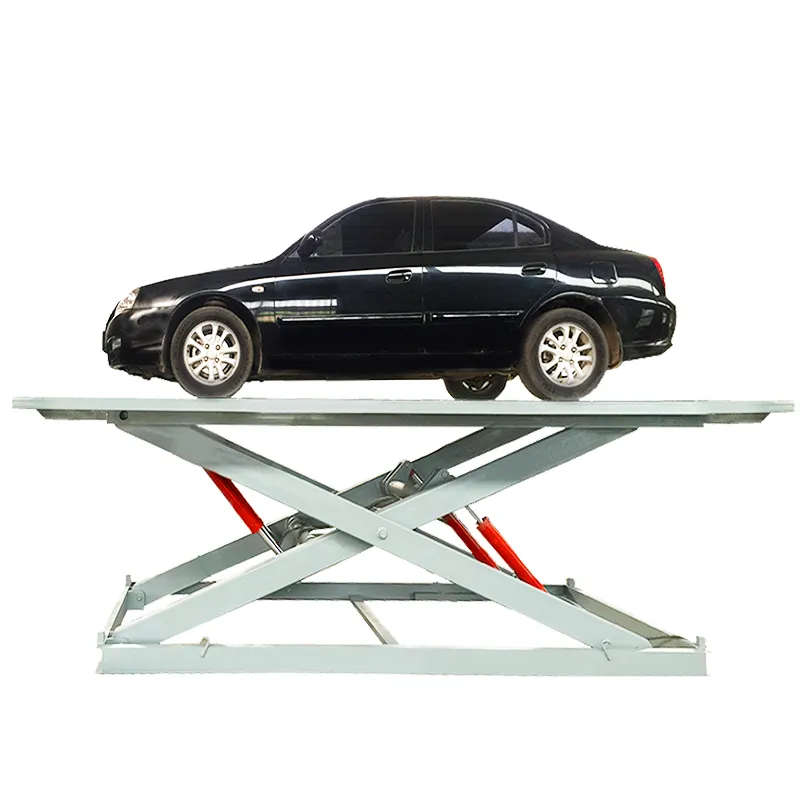
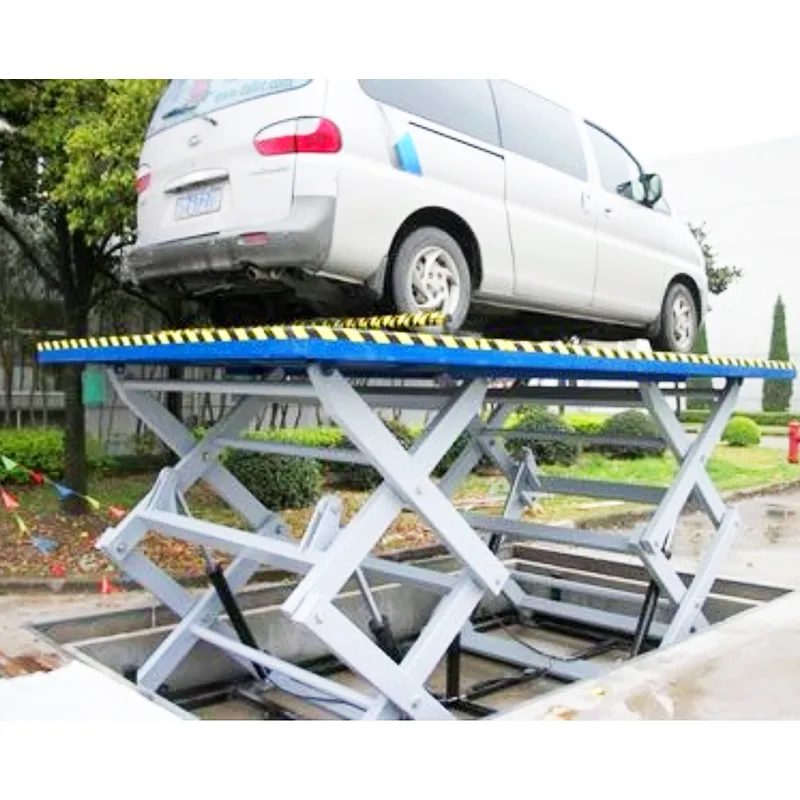
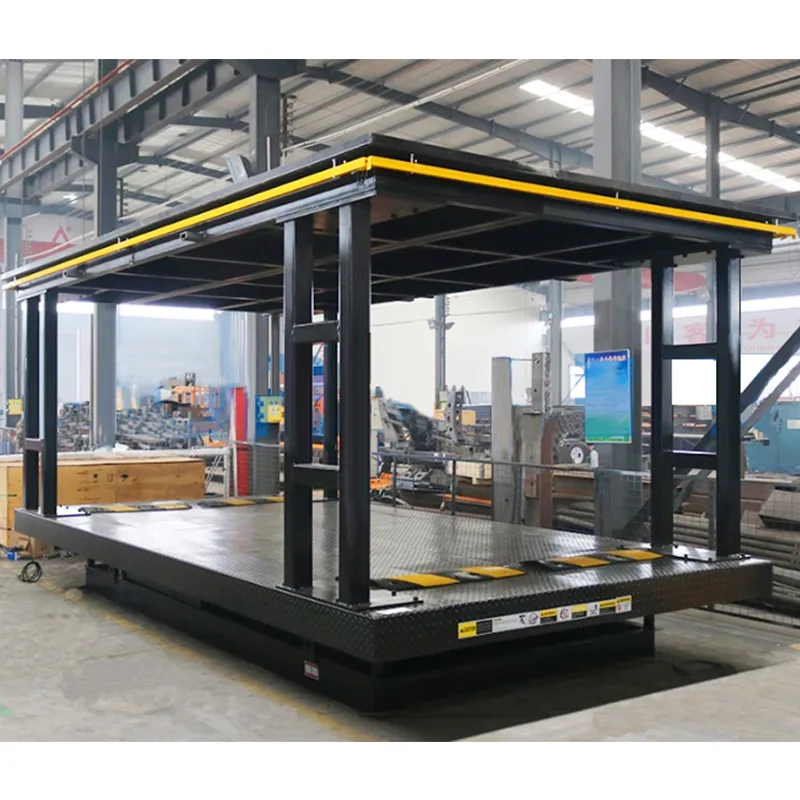
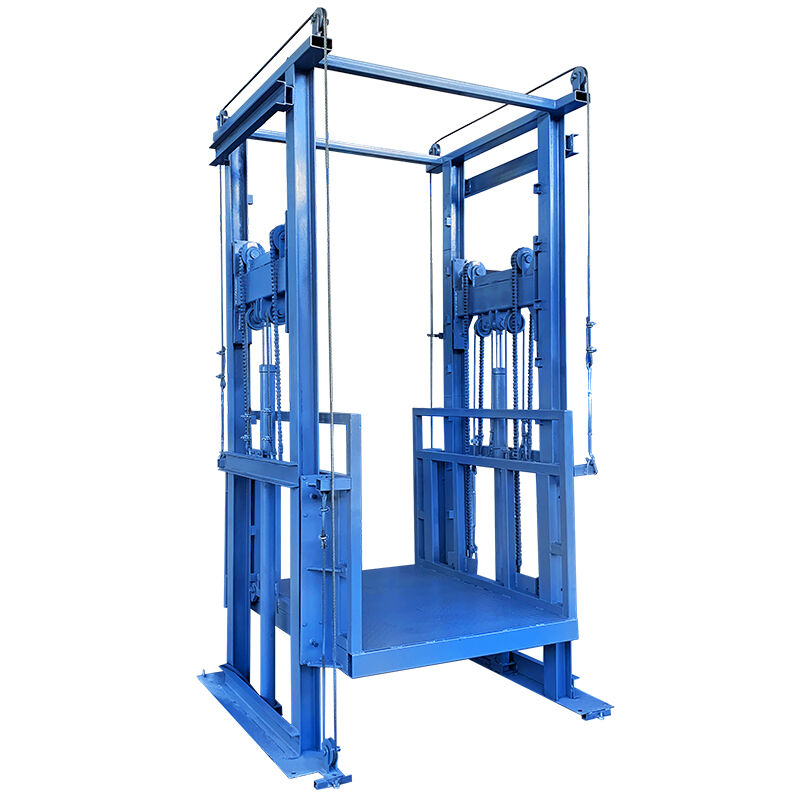
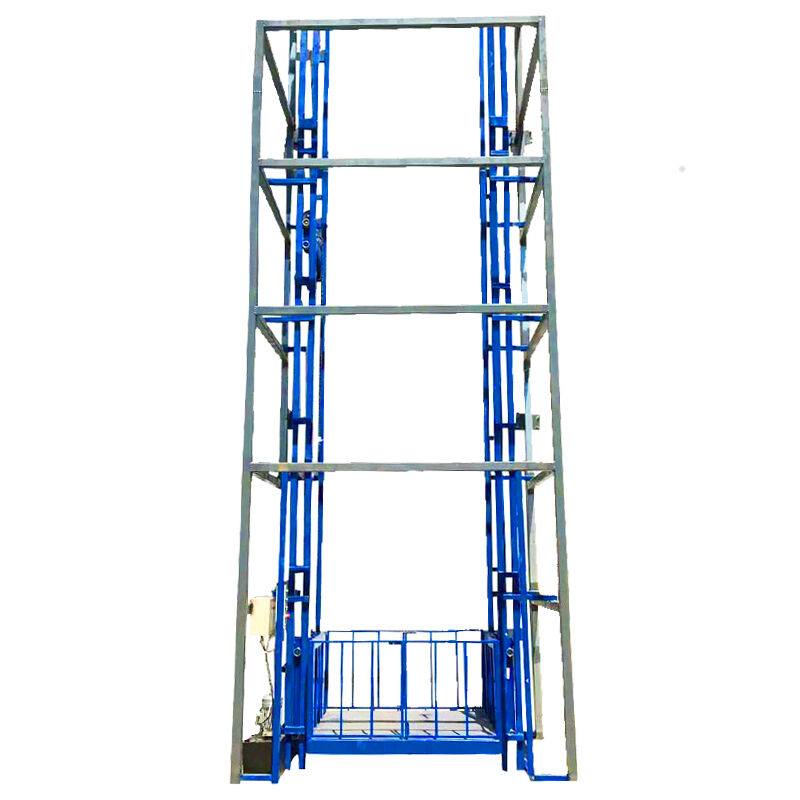
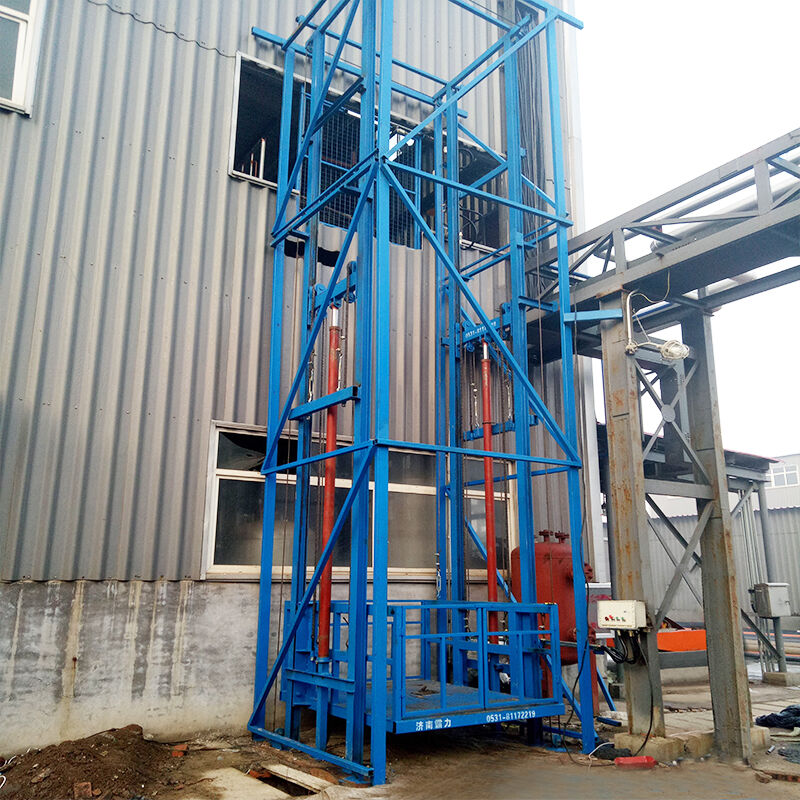
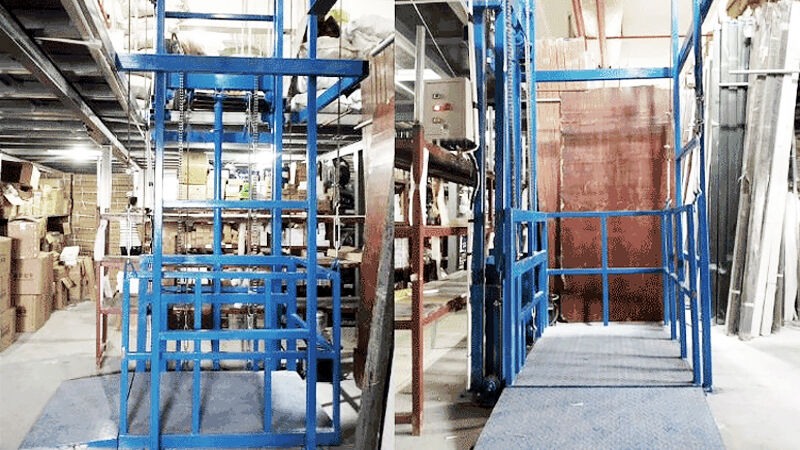
A heavy goods lift represents a specialized vertical transportation system engineered specifically to handle substantial cargo loads within industrial, commercial, and warehouse environments. These robust mechanical systems serve as essential infrastructure components for multi-story facilities requiring efficient movement of weighty materials between different floor levels. Unlike conventional passenger elevators, heavy goods lifts are purposefully designed with reinforced structural frameworks, enhanced load-bearing capabilities, and specialized safety mechanisms to accommodate industrial-grade transportation requirements. The primary function of a heavy goods lift centers on facilitating the vertical movement of substantial cargo loads, including machinery, raw materials, finished products, and oversized equipment that would otherwise prove challenging to transport via traditional methods. These systems typically feature significantly larger platform dimensions compared to standard elevators, allowing for the accommodation of palletized goods, forklift operations, and bulky industrial equipment. Modern heavy goods lift installations incorporate advanced hydraulic or traction-based drive systems that ensure smooth, reliable operation while maintaining precise load control throughout the lifting process. Technological features commonly found in contemporary heavy goods lift systems include programmable logic controllers for automated operation sequences, sophisticated safety interlocks preventing unauthorized access during operation cycles, and variable frequency drives that optimize energy consumption while delivering consistent performance. Many units also feature reinforced flooring materials, protective wall panels, and specialized lighting systems designed to withstand the demanding conditions typical of industrial environments. The versatility of heavy goods lift applications extends across numerous sectors, including manufacturing facilities, distribution centers, automotive plants, pharmaceutical complexes, and retail establishments requiring efficient inventory management across multiple floors. These systems prove particularly valuable in environments where traditional freight elevators lack sufficient capacity or where specialized handling requirements demand customized solutions tailored to specific operational needs and space constraints.

New Product Releases

Heavy goods lift systems deliver numerous practical benefits that directly impact operational efficiency and cost-effectiveness for businesses managing substantial cargo volumes. The most significant advantage lies in their exceptional load-bearing capacity, which typically ranges from several thousand to tens of thousands of pounds, enabling facilities to transport multiple pallets, heavy machinery, or bulk materials in single operational cycles. This capability dramatically reduces the time and labor costs associated with manual material handling while minimizing the risk of workplace injuries related to heavy lifting activities. Enhanced productivity represents another crucial benefit, as heavy goods lifts enable continuous workflow maintenance across multiple building levels without creating bottlenecks at stairwells or loading areas. Workers can efficiently move materials between floors without interrupting production schedules or compromising delivery timelines, resulting in improved throughput and customer satisfaction rates. The space optimization advantages of heavy goods lifts cannot be overstated, particularly in urban environments where real estate costs remain premium considerations. These systems allow businesses to maximize vertical storage capacity while maintaining ground-level access for loading and unloading operations, effectively multiplying usable warehouse space without requiring additional property investments. Safety improvements represent fundamental advantages that directly protect personnel and inventory assets. Heavy goods lifts eliminate the need for workers to manually carry heavy items up and down stairs, significantly reducing the likelihood of back injuries, falls, and other workplace accidents. Additionally, these systems provide controlled environments for sensitive materials that might suffer damage during manual transportation processes. Energy efficiency features built into modern heavy goods lift designs contribute to reduced operational costs through optimized power consumption patterns and regenerative braking systems that capture and reuse energy during descent cycles. Maintenance requirements for heavy goods lifts prove manageable and predictable, with most systems featuring accessible components and standardized replacement parts that minimize downtime and service costs. The reliability of these systems ensures consistent availability for critical operations, while their robust construction materials and corrosion-resistant finishes provide extended service life even in challenging industrial environments. Customization options allow businesses to tailor heavy goods lift specifications to their unique operational requirements, including platform dimensions, weight capacities, travel distances, and specialized safety features that align with specific industry regulations and handling protocols.

Latest News

What Are the Advantages of Choosing a Custom Lift Manufacturer?

05

Mar

What Are the Advantages of Choosing a Custom Lift Manufacturer?

When businesses need vertical transportation solutions, they often face a critical decision: choose a standard, off-the-shelf lift system or partner with a custom lift manufacturer. While pre-engineered lifts may seem like the simpler option, working...
View More
Why Are Stationary Scissor Lifts Popular in Manufacturing Plants?

16

Mar

Why Are Stationary Scissor Lifts Popular in Manufacturing Plants?

Manufacturing plants worldwide have increasingly turned to stationary scissor lifts as essential equipment for their vertical material handling and access needs. These robust hydraulic platforms have become indispensable in modern industrial operatio...
View More
How Do Car Lifts for Home Garage Add Value to Real Estate Projects?

20

Mar

How Do Car Lifts for Home Garage Add Value to Real Estate Projects?

Car lifts for home garage installations have emerged as a premium feature that significantly enhances property value in today's competitive real estate market. These sophisticated automotive storage solutions transform ordinary residential garages in...
View More
What Are the Key Benefits of Installing a Goods Lift in Factories?

30

Mar

What Are the Key Benefits of Installing a Goods Lift in Factories?

In today’s highly competitive industrial environment, factories are under constant pressure to improve operational efficiency, reduce labor costs, and ensure workplace safety. One of the most practical solutions adopted by modern manufactu...
View More

Get a Free Quote

Our representative will contact you soon.
Email
Mobile/WhatsApp
Name
Company Name
Message
0/1000

heavy goods lift

Superior Load Capacity and Structural Integrity

Superior Load Capacity and Structural Integrity

The exceptional load-bearing capacity of heavy goods lifts stands as their most distinctive feature, setting them apart from conventional elevator systems and establishing their value proposition for industrial applications. These specialized systems routinely accommodate loads ranging from 10,000 to 100,000 pounds or more, depending on specific design requirements and installation parameters. The structural integrity supporting these impressive capacities relies on reinforced steel frameworks, heavy-duty platform construction, and precision-engineered guide systems that maintain stability throughout the lifting process. The platform construction typically incorporates thick steel plates with diamond-pattern surfaces or specialized anti-slip coatings that provide secure footing for personnel and equipment while preventing cargo movement during transport cycles. Reinforced sidewalls and safety barriers protect both operators and materials from potential hazards while ensuring compliance with relevant safety standards and regulations. The guide rail systems utilize precision-machined steel components with specialized lubrication systems that minimize friction and wear while ensuring smooth, quiet operation even under maximum load conditions. Heavy-duty cables, chains, or hydraulic systems provide the mechanical advantage necessary to lift substantial weights while maintaining precise position control and emergency stop capabilities. The drive mechanisms incorporate multiple safety redundancies, including backup power systems, emergency lowering features, and overload protection circuits that prevent operation beyond safe parameters. Regular load testing protocols verify continued capacity compliance and identify potential maintenance requirements before they impact operational reliability. The environmental resistance built into heavy goods lift construction ensures reliable performance in challenging conditions, including temperature extremes, humidity variations, and exposure to dust, chemicals, or corrosive substances commonly found in industrial settings. Specialized sealing systems protect critical mechanical components while maintaining smooth operation and extending service life. The modular design approach used in many heavy goods lift systems allows for future capacity upgrades or configuration modifications without requiring complete system replacement, providing long-term flexibility as business needs evolve.
Advanced Safety Systems and Operational Control

Advanced Safety Systems and Operational Control

Heavy goods lift systems incorporate comprehensive safety mechanisms that exceed standard elevator requirements, reflecting the unique challenges and risks associated with industrial material handling operations. These advanced safety systems begin with sophisticated load monitoring capabilities that continuously track platform weight distribution and prevent operation when loads exceed predetermined safe limits. Integrated sensors detect improper loading conditions, uneven weight distribution, or shifting cargo that could compromise stability during transport cycles. Emergency stop systems provide immediate response capabilities from multiple access points, including platform-mounted controls, remote stations, and automatic triggers activated by safety system anomalies. The control systems feature programmable logic controllers that manage operational sequences, monitor safety parameters, and provide diagnostic information for maintenance personnel. User interfaces incorporate intuitive designs with clear visual indicators, audible alarms, and fail-safe protocols that prevent accidental operation or unauthorized access. Proximity sensors and photoelectric barriers create protective zones around the heavy goods lift platform, automatically stopping operation when personnel or equipment enter restricted areas during active cycles. Door interlocking mechanisms ensure proper closure and secure latching before operation can commence, while position sensors verify accurate floor alignment before allowing platform access. The hydraulic or mechanical brake systems provide multiple levels of holding capacity, including primary service brakes, emergency stopping mechanisms, and descent control features that prevent uncontrolled movement even during power failures. Backup power systems maintain essential safety functions during electrical outages, including emergency lighting, communication systems, and controlled lowering capabilities that allow safe evacuation of personnel and materials. Regular safety inspections and maintenance protocols ensure continued compliance with industry standards and regulations while identifying potential issues before they compromise operational safety. Training programs for operators and maintenance personnel emphasize proper procedures, hazard recognition, and emergency response protocols that maximize safety while maintaining operational efficiency. The safety systems integrate seamlessly with facility-wide security and monitoring networks, providing centralized oversight and documentation of all operational activities for compliance and insurance purposes.
Versatile Applications and Customization Options

Versatile Applications and Customization Options

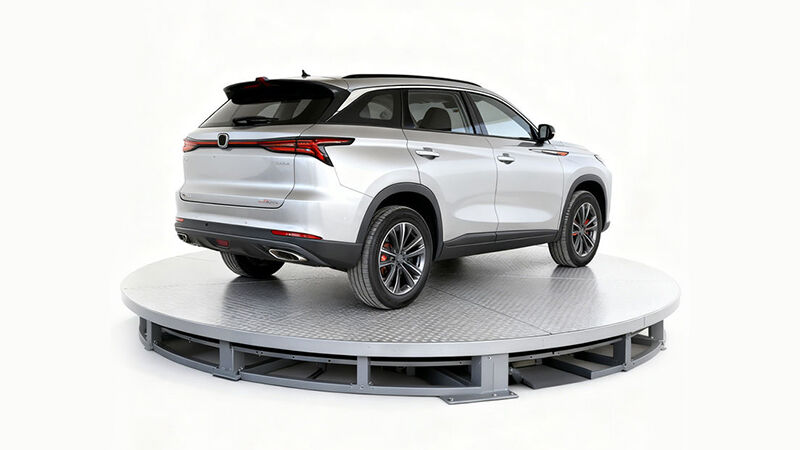
The remarkable versatility of heavy goods lifts enables their successful integration across diverse industries and applications, with customization options that address specific operational requirements and facility constraints. Manufacturing facilities utilize heavy goods lifts for transporting raw materials, work-in-process inventory, and finished products between production floors, assembly areas, and shipping departments. The ability to accommodate forklifts, pallet jacks, and other material handling equipment allows seamless integration with existing workflow processes while maintaining productivity standards. Warehouse and distribution centers benefit from heavy goods lifts that facilitate efficient inventory management across multiple storage levels, enabling optimal space utilization while maintaining rapid access to stored products. Automotive facilities employ these systems for moving engines, transmissions, body panels, and completed vehicles between assembly floors, paint booths, and quality control stations. The customization options available for heavy goods lifts include platform dimensions ranging from compact units suitable for smaller items to expansive platforms capable of accommodating tractor-trailers or industrial equipment. Loading configurations can be tailored for straight-through access, right-angle entry, or multiple access points that align with facility layouts and operational workflows. Specialized platform surfaces accommodate different load types, including textured steel for general cargo, smooth surfaces for sensitive materials, or integrated conveyor systems for automated handling processes. Environmental modifications address specific operational conditions, such as explosion-proof electrical systems for hazardous environments, corrosion-resistant materials for chemical processing facilities, or temperature-controlled enclosures for pharmaceutical applications. The control systems can be programmed for automated operation sequences that integrate with facility management systems, inventory tracking networks, or production scheduling software. Capacity options extend from light-duty systems handling several thousand pounds to heavy-duty installations managing loads exceeding 100,000 pounds, with corresponding structural modifications to support increased weight requirements. Installation flexibility accommodates new construction projects as well as retrofit applications in existing buildings, with engineering solutions that minimize structural modifications while maximizing operational capabilities. The modular design approach allows for future expansion or modification as business needs change, providing long-term value and operational flexibility that justify initial investment costs through extended service life and adaptability.

Get a Free Quote

Our representative will contact you soon.
Email
Mobile/WhatsApp
Name
Company Name
Message
0/1000