Industrial Lift Systems - Heavy-Duty Material Handling Solutions for Manufacturing

Get a Free Quote

Our representative will contact you soon.
Email
Mobile/WhatsApp
Name
Company Name
Message
0/1000

industrial lift

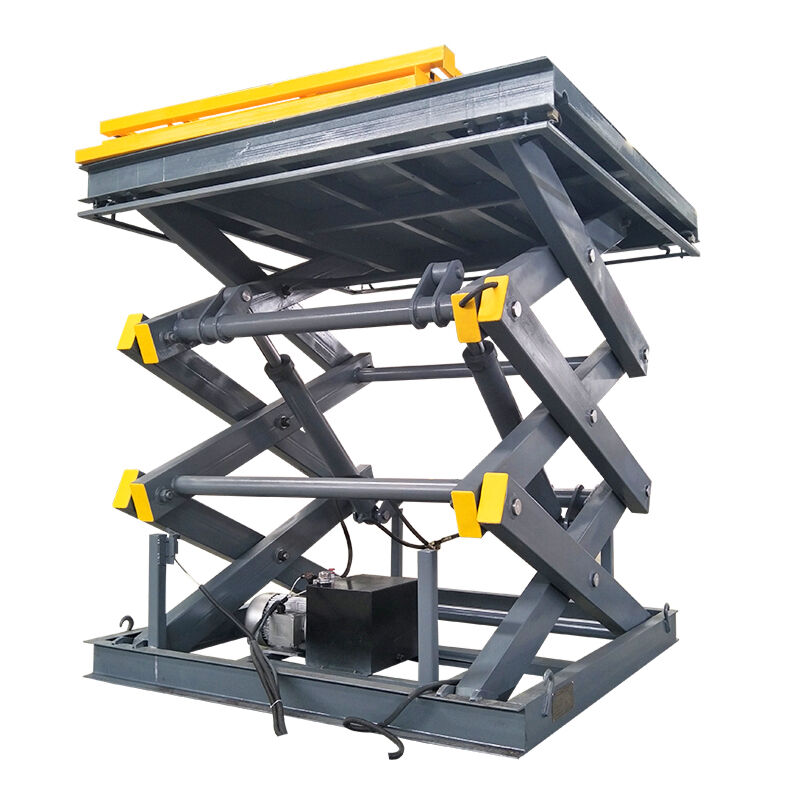
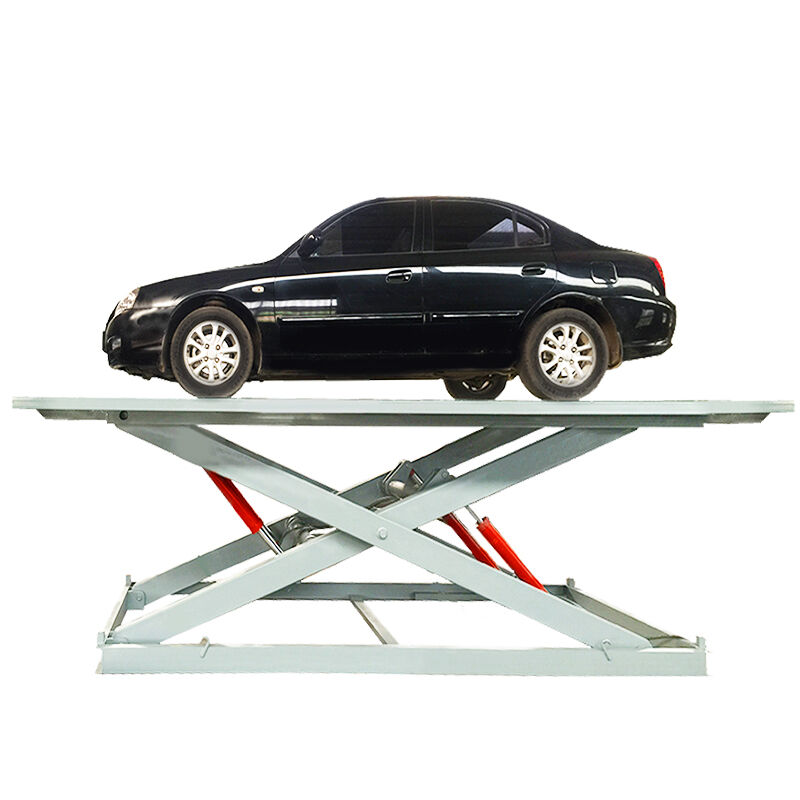
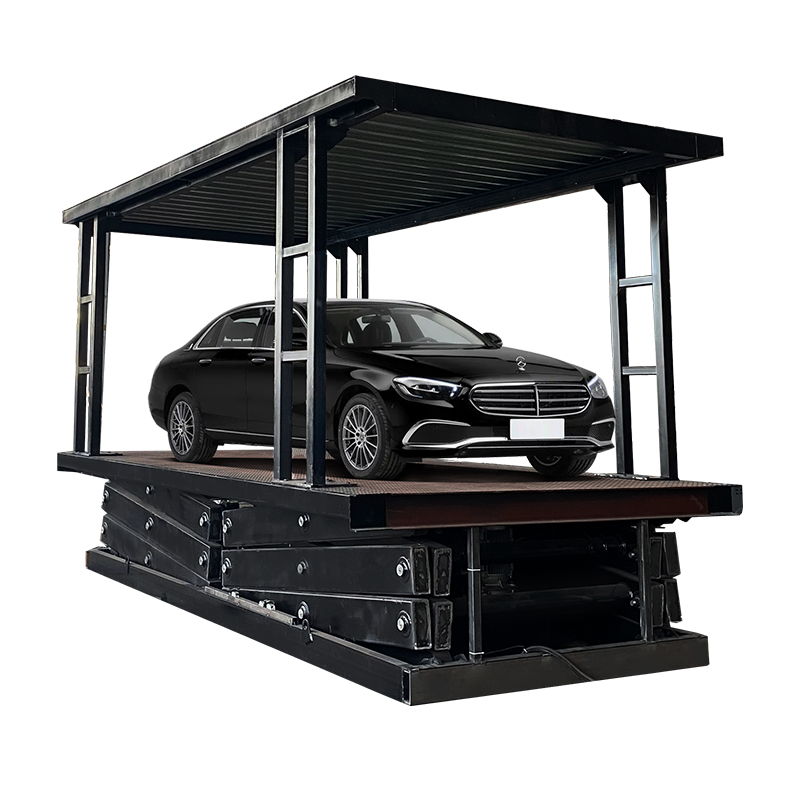
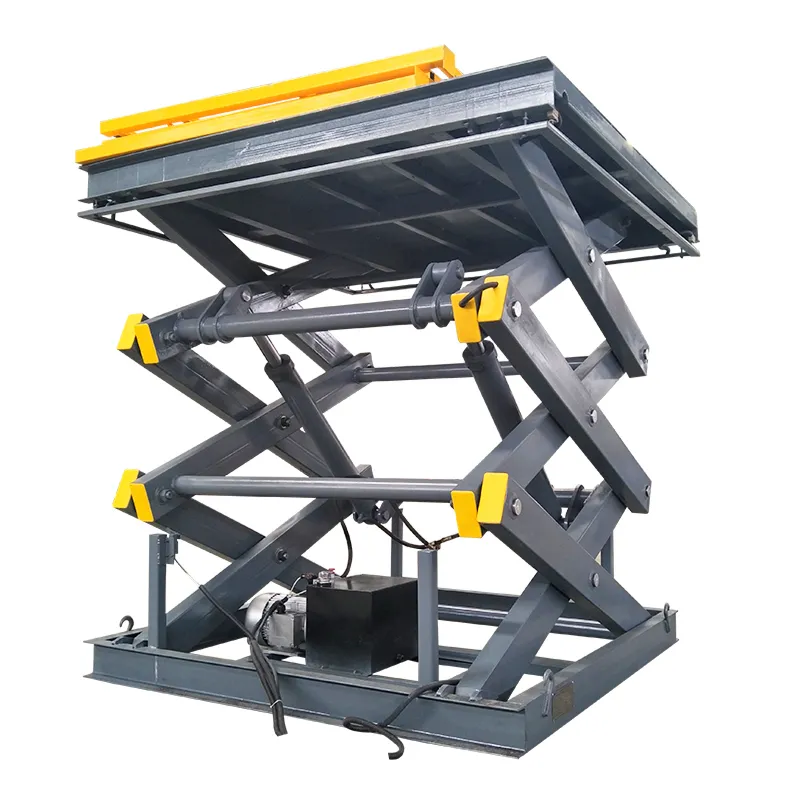
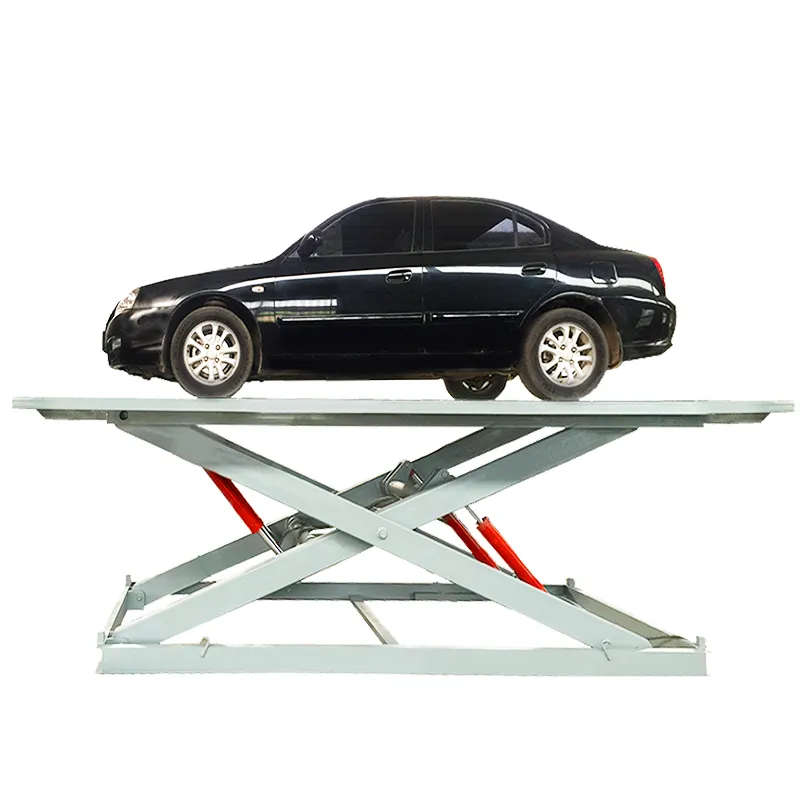
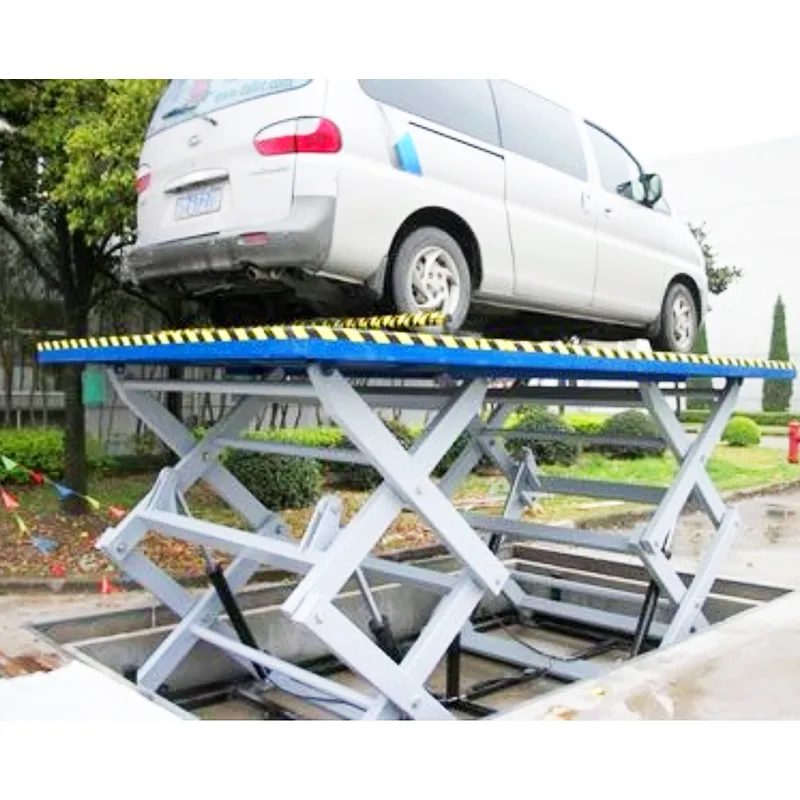
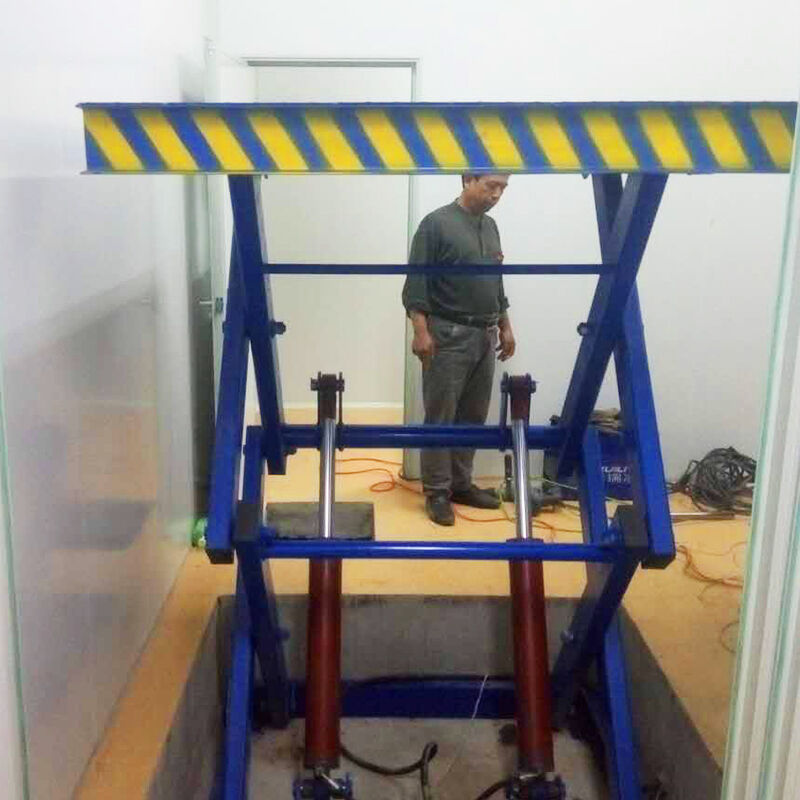
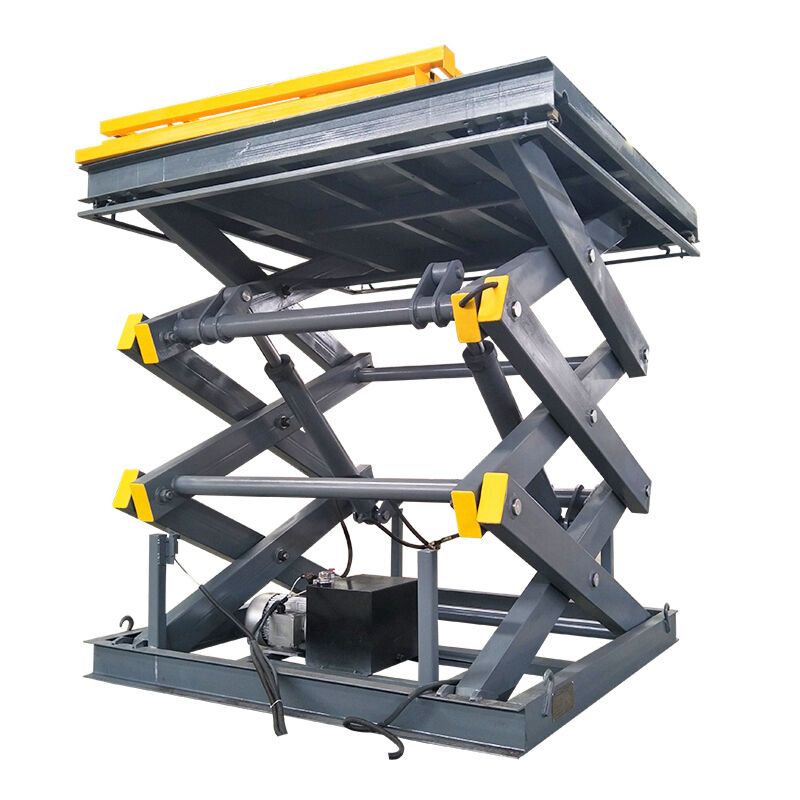
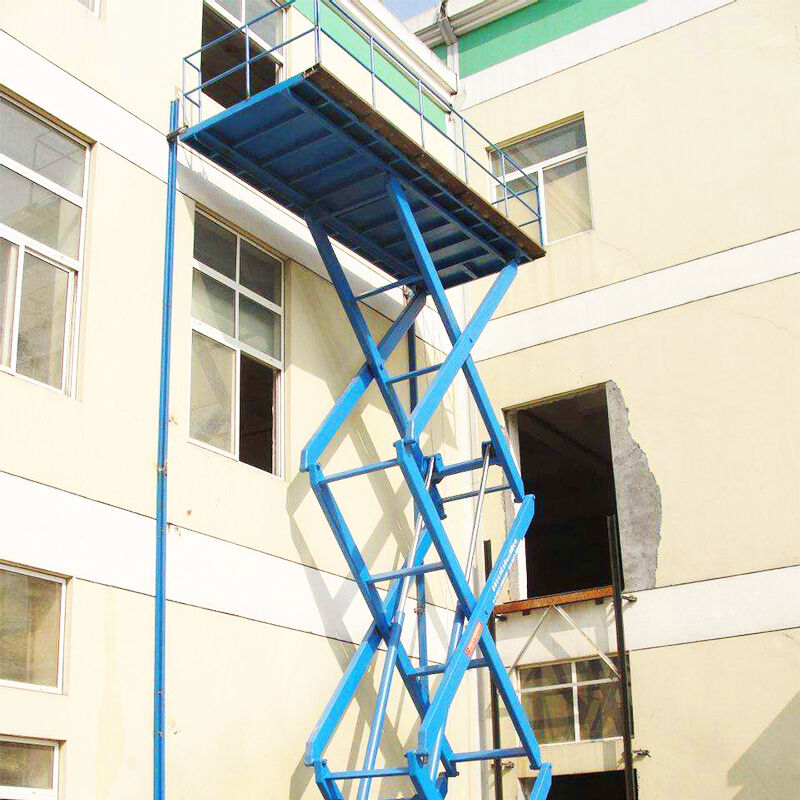
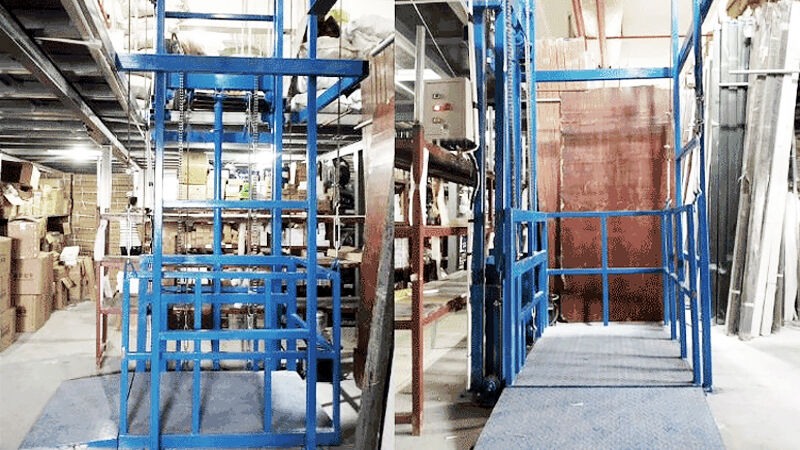
An industrial lift represents a sophisticated mechanical system designed to transport heavy materials, equipment, and personnel vertically within manufacturing facilities, warehouses, and construction sites. This essential equipment combines robust engineering with advanced safety features to handle substantial weight capacities that far exceed standard commercial elevators. Modern industrial lift systems incorporate hydraulic, electric, or pneumatic mechanisms to achieve precise vertical movement while maintaining exceptional stability and reliability. The primary functions of an industrial lift include material handling between multiple floor levels, facilitating efficient workflow in multi-story production facilities, and providing safe personnel access to elevated work areas. These systems feature reinforced platforms capable of supporting loads ranging from several hundred pounds to multiple tons, depending on the specific model and application requirements. Technological features of contemporary industrial lift systems include programmable logic controllers for automated operation, variable frequency drives for smooth acceleration and deceleration, and integrated safety sensors that prevent accidents during operation. Many units incorporate remote control capabilities, allowing operators to manage lift functions from safe distances while maintaining full visibility of the work area. Advanced models feature load monitoring systems that automatically adjust power consumption based on cargo weight, optimizing energy efficiency throughout daily operations. The versatility of industrial lift applications spans numerous sectors including automotive manufacturing, aerospace assembly, pharmaceutical production, food processing, and logistics operations. In automotive plants, these systems transport heavy engine blocks and chassis components between assembly stations. Aerospace facilities utilize specialized industrial lift equipment to position aircraft sections during construction and maintenance procedures. Pharmaceutical companies rely on these systems to move sensitive equipment and materials while maintaining sterile environmental conditions. The modular design of modern industrial lift systems allows for customization based on specific operational requirements, ensuring optimal performance across diverse industrial environments.

Popular Products

Industrial lift systems deliver substantial operational benefits that directly impact productivity and workplace safety across manufacturing and warehouse environments. These systems dramatically reduce manual handling requirements, eliminating the physical strain associated with moving heavy materials between floor levels. Workers no longer need to carry substantial loads up stairs or ramps, significantly decreasing the risk of workplace injuries and associated compensation claims. This reduction in physical demands leads to improved employee satisfaction and retention rates while maintaining consistent productivity levels throughout work shifts. The precision control offered by modern industrial lift technology ensures accurate positioning of materials and equipment, minimizing handling errors that can result in product damage or production delays. Automated positioning features allow operators to repeatedly access exact heights with millimeter precision, enhancing quality control processes and reducing waste associated with mishandling. Time efficiency represents another critical advantage, as industrial lift systems transport materials vertically much faster than manual methods or traditional conveyor systems. This speed improvement translates directly into increased throughput and reduced labor costs per unit processed. The reliability of professional-grade industrial lift equipment minimizes unplanned downtime, ensuring continuous operation during critical production periods. Preventive maintenance programs keep these systems operating at peak performance levels, providing predictable operational costs and extended equipment lifespan. Safety features integrated into modern industrial lift designs exceed standard workplace requirements, incorporating emergency stop functions, overload protection, and fail-safe mechanisms that prevent accidents even during equipment malfunctions. These safety systems protect both personnel and valuable materials, reducing insurance premiums and liability exposure. Energy efficiency improvements in contemporary models reduce operating costs while supporting corporate sustainability initiatives. Variable speed controls optimize power consumption based on load requirements, delivering significant electricity savings over traditional fixed-speed systems. The versatility of industrial lift applications allows companies to adapt these systems for multiple purposes, maximizing return on investment through diverse operational uses. Space optimization benefits enable efficient use of vertical building space, allowing companies to increase storage capacity and production capability without facility expansion. Remote monitoring capabilities provide real-time performance data, enabling proactive maintenance scheduling and operational optimization that further enhances productivity and reduces unexpected repair costs.

Latest News

What Are the Advantages of Choosing a Custom Lift Manufacturer?

05

Mar

What Are the Advantages of Choosing a Custom Lift Manufacturer?

When businesses need vertical transportation solutions, they often face a critical decision: choose a standard, off-the-shelf lift system or partner with a custom lift manufacturer. While pre-engineered lifts may seem like the simpler option, working...
View More
How Does an Industrial Lift Support High-Load Transportation Tasks?

10

Mar

How Does an Industrial Lift Support High-Load Transportation Tasks?

Industrial facilities across manufacturing, warehousing, and logistics sectors face constant challenges in moving heavy materials between different floor levels efficiently and safely. The mechanism by which an industrial lift handles high-load trans...
View More
Why Are Stationary Scissor Lifts Popular in Manufacturing Plants?

16

Mar

Why Are Stationary Scissor Lifts Popular in Manufacturing Plants?

Manufacturing plants worldwide have increasingly turned to stationary scissor lifts as essential equipment for their vertical material handling and access needs. These robust hydraulic platforms have become indispensable in modern industrial operatio...
View More
How Do Car Lifts for Home Garage Add Value to Real Estate Projects?

20

Mar

How Do Car Lifts for Home Garage Add Value to Real Estate Projects?

Car lifts for home garage installations have emerged as a premium feature that significantly enhances property value in today's competitive real estate market. These sophisticated automotive storage solutions transform ordinary residential garages in...
View More

Get a Free Quote

Our representative will contact you soon.
Email
Mobile/WhatsApp
Name
Company Name
Message
0/1000

industrial lift

Advanced Safety Systems for Maximum Protection

Advanced Safety Systems for Maximum Protection

Modern industrial lift equipment incorporates comprehensive safety systems that exceed industry standards and provide unparalleled protection for operators, materials, and surrounding equipment. These sophisticated safety features include multiple redundant systems designed to prevent accidents and minimize risks in demanding industrial environments. Emergency stop mechanisms are strategically positioned at multiple access points, allowing immediate shutdown of lift operations when potential hazards are detected. Overload protection sensors continuously monitor weight distribution and automatically prevent operation when safe capacity limits are exceeded, protecting both the equipment and personnel from dangerous situations. Safety barriers and gates feature interlocking mechanisms that prevent unauthorized access during lift operation, ensuring that personnel remain clear of moving components throughout the lifting cycle. Advanced proximity sensors detect obstacles in the lift path and automatically halt movement to prevent collisions with equipment, structures, or personnel. These sensors utilize laser technology or ultrasonic detection methods to provide reliable obstacle recognition even in challenging environmental conditions. Fall protection systems incorporate safety rails and emergency braking mechanisms that engage instantly if unexpected downward movement is detected, preventing catastrophic equipment failure and protecting valuable cargo. Regular safety inspections and maintenance protocols ensure that all protective systems remain fully operational throughout the equipment lifespan. Professional technicians conduct comprehensive evaluations of safety components, documenting performance parameters and replacing worn elements before they compromise operational safety. Training programs for operators emphasize proper safety procedures and emergency response protocols, ensuring that personnel understand how to utilize safety features effectively and respond appropriately to unusual situations. Documentation systems track safety performance metrics and maintenance activities, providing clear records for regulatory compliance and insurance requirements. The investment in advanced safety systems demonstrates commitment to workplace protection while reducing long-term operational costs through decreased accident rates, lower insurance premiums, and improved regulatory compliance. These comprehensive safety measures create confidence among operators and management teams, supporting productive workflows without compromising personnel protection or equipment integrity.
High-Capacity Performance for Demanding Applications

High-Capacity Performance for Demanding Applications

Industrial lift systems deliver exceptional performance capabilities designed to handle the most demanding material handling requirements in heavy-duty manufacturing and processing environments. These robust systems feature load capacities ranging from modest workshop applications to massive industrial installations capable of lifting multiple tons of materials, equipment, or assembled products. The structural engineering of high-capacity industrial lift equipment incorporates reinforced steel frameworks, precision-machined components, and heavy-duty lifting mechanisms that maintain stability and accuracy even under maximum load conditions. Hydraulic systems provide smooth, controlled movement with excellent load distribution characteristics, ensuring that heavy materials remain stable throughout the lifting process. Electric drive systems offer precise positioning control with variable speed capabilities that adapt lifting speed to load requirements and operational preferences. The platform design of industrial lift equipment maximizes usable space while maintaining structural integrity under heavy loads, featuring anti-slip surfaces and secure tie-down points for cargo stabilization. Load distribution systems ensure that weight is evenly spread across the platform structure, preventing stress concentrations that could compromise equipment performance or safety. Power requirements are optimized for efficiency while providing sufficient capacity for continuous operation under demanding conditions, incorporating energy recovery systems that capture and reuse power during lowering operations. Duty cycle ratings indicate the equipment's ability to maintain performance levels during extended operation periods, with industrial-grade systems designed for continuous use throughout standard work shifts. Maintenance access features simplify routine service procedures, allowing technicians to perform inspections and component replacements without extensive equipment disassembly. Performance monitoring systems track operational parameters including cycle counts, load history, and power consumption patterns, providing valuable data for predictive maintenance scheduling and operational optimization. Customization options allow modification of platform dimensions, control systems, and lifting speeds to match specific application requirements, ensuring optimal performance across diverse industrial environments. The reliability of high-capacity industrial lift systems supports critical production processes where equipment downtime directly impacts productivity and profitability, making these systems essential infrastructure investments for serious manufacturing operations.
Energy-Efficient Technology for Sustainable Operations

Energy-Efficient Technology for Sustainable Operations

Contemporary industrial lift systems incorporate cutting-edge energy-efficient technology that significantly reduces operational costs while supporting corporate sustainability initiatives and environmental responsibility goals. Variable frequency drives optimize motor performance by adjusting power consumption based on actual load requirements and operational demands, eliminating the energy waste associated with fixed-speed systems running at constant power levels. Regenerative braking systems capture kinetic energy during lowering operations and feed this recovered power back into the electrical system, providing substantial energy savings particularly in applications with frequent up-and-down cycles. Smart control systems monitor operational patterns and automatically adjust system parameters to minimize energy consumption while maintaining required performance levels, learning from usage patterns to optimize efficiency over time. LED lighting systems integrated into industrial lift platforms consume significantly less power than traditional lighting while providing superior illumination quality and extended service life, reducing both energy costs and maintenance requirements. Standby power management features automatically reduce system power consumption during idle periods while maintaining rapid response capability when lifting operations resume, preventing unnecessary energy waste during breaks or low-activity periods. Energy monitoring systems provide detailed consumption data that enables facilities managers to track efficiency improvements and identify opportunities for additional optimization, supporting informed decisions about operational scheduling and equipment utilization. The environmental benefits of energy-efficient industrial lift technology extend beyond reduced electricity consumption to include lower carbon footprints and decreased demand on electrical infrastructure, contributing to broader sustainability objectives while reducing operational expenses. Advanced materials used in construction of energy-efficient systems include lightweight yet strong alloys that reduce the power required for lifting operations while maintaining structural integrity and safety standards. Insulation systems minimize energy loss in hydraulic components and electrical systems, maintaining operational efficiency even in challenging environmental conditions with extreme temperatures or humidity levels. Integration capabilities allow energy-efficient industrial lift systems to participate in facility-wide energy management programs, coordinating with other equipment to optimize total facility power consumption and take advantage of time-of-use electrical pricing structures. The long-term financial benefits of energy-efficient technology include reduced utility costs, potential utility rebates for high-efficiency equipment, and improved asset value through modern, environmentally responsible infrastructure investments that support corporate sustainability reporting and regulatory compliance requirements.

Get a Free Quote

Our representative will contact you soon.
Email
Mobile/WhatsApp
Name
Company Name
Message
0/1000