EN
EN


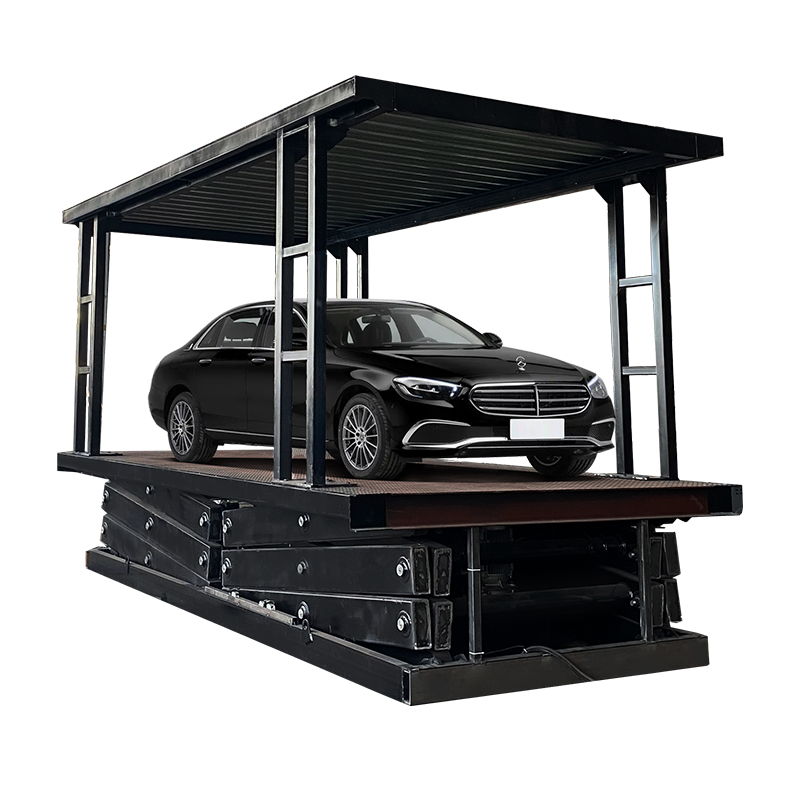
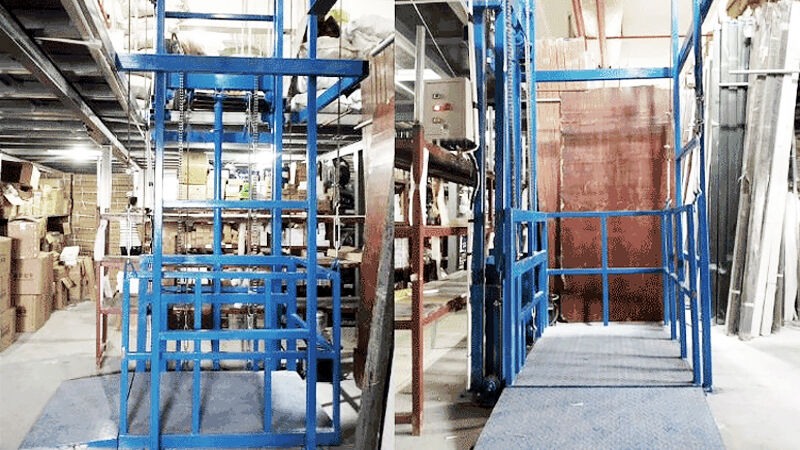
Gdy firmy potrzebują rozwiązań transportu pionowego, często stają przed kluczową decyzją: wybrać standardowy, gotowy do użycia system podnoszenia lub współpracować z producentem podnośników na zamówienie. Choć gotowe podnośniki mogą wydawać się prostszym rozwiązaniem, współpraca z producentem podnośników na zamówienie oferuje wyraźne zalety, które mogą znacząco wpłynąć na wydajność operacyjną, bezpieczeństwo oraz długoterminową wartość. Zrozumienie tych korzyści pomaga menedżerom obiektów i inżynierom podejmować świadome decyzje zgodne z ich konkretnymi wymaganiami operacyjnymi oraz celami biznesowymi.
Wybór producenta podnośników na zamówienie staje się szczególnie wartościowy, gdy standardowe rozwiązania nie są w stanie wystarczająco dobrze rozwiązać nietypowych wyzwań operacyjnych, ograniczeń przestrzennych lub specjalistycznych wymagań dotyczących obciążenia. Producenti ci dysponują wiedzą inżynierską, elastycznością projektową oraz możliwościami produkcyjnymi, które pozwalają przekształcić koncepcyjne potrzeby w praktyczne i wydajne systemy transportu pionowego. Zalety te wykraczają poza samą możliwość dostosowania i obejmują zwiększoną wydajność, lepszą integrację z istniejącą infrastrukturą oraz doskonałą długoterminową obsługę techniczną, której często brakuje u producentów rozwiązań standardowych.
Dostosowane rozwiązania inżynieryjne dla unikalnych zastosowań
Dokładne dopasowanie obciążenia i nośności
Producent specjalistycznych podnośników wyróżnia się projektowaniem systemów dokładnie dopasowanych do konkretnych wymagań dotyczących obciążenia, zamiast zmuszać operacje do dostosowania się do standardowych ograniczeń nośności. Ta precyzyjna inżynieria zapewnia optymalną wydajność przy przetwarzaniu nietypowych materiałów, sprzętu lub w przypadku szczególnych wymagań operacyjnych, których nie można skutecznie spełnić za pomocą standardowych podnośników. Producent analizuje rzeczywiste cechy obciążenia, w tym rozkład masy, wymiary oraz częstotliwość manipulacji, aby opracować rozwiązania maksymalizujące wydajność przy jednoczesnym zachowaniu standardów bezpieczeństwa.
Zastosowanie inżynierii niestandardowej obejmuje specjalistyczne mechanizmy podnoszenia, konfiguracje platformy oraz systemy sterowania dostosowane do konkretnych przepływów operacyjnych. Niezależnie od tego, czy chodzi o elementy o nieregularnym kształcie, materiały niebezpieczne czy wyjątkowo ciężkie maszyny, producent podnośników niestandardowych może zaimplementować odpowiednie funkcje bezpieczeństwa, specjalistyczne materiały oraz wzmocnione konstrukcje, których brakuje w standardowych jednostkach. Takie indywidualne podejście eliminuje kompromisy operacyjne i zmniejsza ryzyko awarii sprzętu lub incydentów związanych z bezpieczeństwem.
Optymalizacja wykorzystania przestrzeni
Standardowe systemy podnoszeniowe często wymagają znacznych modyfikacji istniejących konstrukcji lub prowadzą do niewydajnego wykorzystania przestrzeni ze względu na stałe ograniczenia wymiarowe. Producent podnośników niestandardowych projektuje rozwiązania maksymalizujące dostępną przestrzeń przy jednoczesnym minimalizowaniu modyfikacji strukturalnych istniejących budynków. Optymalizacja ta obejmuje niestandardowe wymiary szybu, nietypowe kształty platformy oraz innowacyjne systemy montażu dopasowane do istniejących ograniczeń architektonicznych.
Zaleta optymalizacji przestrzeni staje się szczególnie istotna w zastosowaniach modernizacyjnych, w których istniejące konstrukcje nie pozwalają na umieszczenie standardowych wymiarów wind. Producentom niestandardowym udaje się zaprojektować układy dopasowane do nieregularnych przestrzeni, omijające istniejące instalacje lub elementy konstrukcyjne oraz zachowujące odstępy robocze, których nie potrafią zapewnić jednostki standardowe. Dzięki tej elastyczności często można uniknąć kosztownych modyfikacji budynku, jednocześnie zapewniając lepszą funkcjonalność.
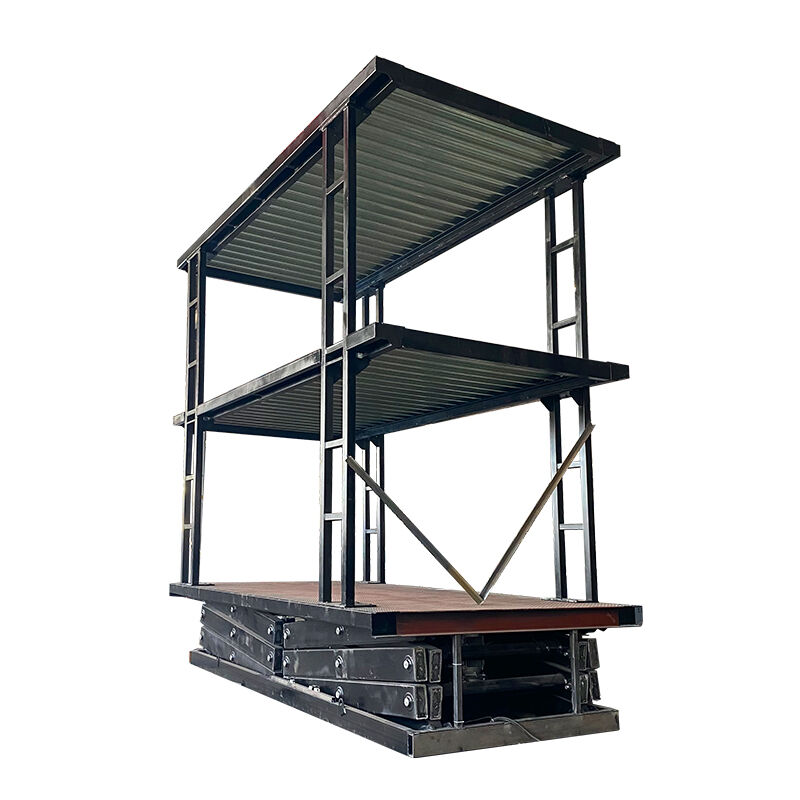
Zalety ulepszonej integracji i zgodności
Seamless System Integration
Współpraca z dostawcą podnośników wykonanych na zamówienie umożliwia bezproblemową integrację z istniejącymi systemami automatyzacji, sieciami sterowania oraz procesami operacyjnymi. W przeciwieństwie do standardowych podnośników, które mogą wymagać rozległych modyfikacji interfejsów lub oddzielnych systemów sterowania, rozwiązania niestandardowe mogą zapewniać natywną kompatybilność z systemami zarządzania obiektami, sieciami bezpieczeństwa oraz infrastrukturą sterowania produkcją. Taka integracja zmniejsza złożoność, poprawia niezawodność oraz umożliwia scentralizowane monitorowanie i sterowanie.
Możliwości niestandardowej integracji obejmują również specjalizowane protokoły komunikacyjne, blokady bezpieczeństwa oraz sekwencjonowanie operacji dostosowane do istniejących procesów w obiekcie. Producent może zintegrować konkretne czujniki, systemy monitoringu oraz funkcje zbierania danych, zapewniające cenne informacje o działaniu systemu, przy jednoczesnym zachowaniu zgodności z ustalonymi procedurami konserwacji i monitoringu.
Specjalistyczne adaptacje środowiskowe
Środowiska przemysłowe i komercyjne często stwarzają unikalne wyzwania, których standardowe systemy podnośnikowe nie są w stanie skutecznie rozwiązać. producent podnośników na zamówienie może zaprojektować rozwiązania przeznaczone do ekstremalnych temperatur, środowisk korozyjnych, atmosfer wybuchowych lub zastosowań w pomieszczeniach czystych, wymagających zastosowania specjalistycznych materiałów, powłok oraz systemów bezpieczeństwa. Takie modyfikacje zapewniają niezawodne działanie i przedłużony okres eksploatacji w trudnych warunkach.
Dostosowanie do warunków środowiskowych obejmuje specjalistyczne systemy uszczelniające, materiały odporno na korozję, komponenty dopasowane do określonych zakresów temperatur oraz systemy bezpieczeństwa zaprojektowane zgodnie ze szczególnymi klasyfikacjami zagrożeń. Taki stopień adaptacji środowiskowej często jest niemożliwy do osiągnięcia przy użyciu standardowych jednostek, co czyni produkcję na zamówienie jedynym możliwym rozwiązaniem dla wymagających zastosowań.
Doskonała kontrola jakości i standardy produkcji
Zwiększona jakość wykonania i materiały
Producenci podnośników na zamówienie zazwyczaj stosują wyższe standardy jakości i używają lepszych materiałów w porównaniu do zakładów produkujących masowo, których głównym celem jest optymalizacja kosztów. Proces produkcji na zamówienie pozwala na staranne dobór materiałów, zastosowanie precyzyjnych technik wykonywania oraz wdrożenie wzmocnionych procedur kontroli jakości, co przekłada się na bardziej trwałe i niezawodne systemy podnośnikowe. Ta dbałość o jakość skutkuje mniejszymi wymaganiami serwisowymi oraz dłuższym okresem eksploatacji.
Przewaga jakości obejmuje również standardy spawania, specyfikacje komponentów oraz procedury montażu, które często przekraczają minimalne wymagania branżowe. Producentom na zamówienie udaje się stosować komponenty premium, specjalistyczne obróbki powierzchniowe oraz wzmocnione procedury inspekcyjne, zapewniające doskonałą wydajność i długotrwałość. Takie skupienie się na jakości nabiera szczególnej wagi w przypadku zastosowań krytycznych, gdzie nie można pozwolić na kompromisy w zakresie niezawodności i bezpieczeństwa.
Wszystkie testy i walidacje
Działalność producentów niestandardowych podnośników zwykle obejmuje obszerne procedury testowania i walidacji, które weryfikują wydajność w rzeczywistych warunkach eksploatacji. W przeciwieństwie do jednostek standardowych, które podlegają ograniczonemu testowaniu fabrycznemu, systemy niestandardowe mogą być poddawane testom obciążeniowym, testom wytrzymałościowym oraz walidacji środowiskowej potwierdzającej zgodność z konkretnymi wymaganiami aplikacyjnymi. Takie kompleksowe podejście do testowania zmniejsza ryzyko związane z wprowadzaniem systemu do eksploatacji oraz zapewnia niezawodną pracę od momentu instalacji.
Zalety testowania obejmują niestandardowe protokoły testowe, specjalistyczne scenariusze obciążenia oraz walidację wydajności odpowiadającą rzeczywistym warunkom eksploatacji. Producenti niestandardowi mogą symulować konkretne cykle pracy, warunki środowiskowe oraz wzorce obciążenia, których standardowe procedury testowe nie są w stanie uwzględnić, co zapewnia większą pewność co do wydajności i niezawodności systemu.
Długoterminowa wartość i korzyści wynikające ze wsparcia
Dedykowane wsparcie techniczne i wyspecjalizowana wiedza
Współpraca z dostawcą podnośników wykonanych na zamówienie zapewnia dostęp do dedykowanej wiedzy inżynierskiej oraz wsparcia technicznego, które obejmuje cały cykl życia systemu. Takie partnerstwo gwarantuje natychmiastowy dostęp do dokumentacji projektowej, możliwości modyfikacji oraz wiedzy eksperckiej w zakresie rozwiązywania problemów – czego nie mogą zapewnić producenci oferujący rozwiązania masowe. Producent wykonujący zamówienia indywidualne posiada szczegółową wiedzę na temat specyfikacji systemu, parametrów eksploatacyjnych oraz wymagań serwisowych, co umożliwia świadczenie usług wsparcia wysokiej klasy.
Zalety wsparcia obejmują dostępność części zamiennych wykonanych na zamówienie, usługi modyfikacji oraz możliwość modernizacji, dzięki czemu systemy pozostają aktualne wobec zmieniających się wymagań eksploatacyjnych. Producent wykonujący zamówienia indywidualne może zapewnić szkolenia specjalistyczne, szczegółowe procedury konserwacji oraz konsultacje techniczne, które optymalizują wydajność systemu i wydłużają jego okres użytkowania w porównaniu do oferty standardowych producentów.
Możliwości przyszłych modyfikacji i rozbudowy
Wymagania biznesowe zmieniają się wraz z upływem czasu, a współpraca z dostawcami podnośników wykonanych na zamówienie zapewnia elastyczność w zakresie przyszłych modyfikacji, modernizacji pojemności oraz rozbudowy systemów – możliwości, których nie oferują standardowe jednostki. Producent podnośników wykonanych na zamówienie zna parametry projektowe systemu i potrafi zaprojektować modyfikacje zachowujące normy bezpieczeństwa przy jednoczesnym dopasowaniu do zmieniających się potrzeb operacyjnych. Ta elastyczność chroni długoterminową wartość inwestycji i eliminuje konieczność całkowitej wymiany systemu.
Możliwości modyfikacji obejmują zwiększenie nośności, przebudowę platformy, uaktualnienie systemu sterowania oraz wzmocnienie systemu bezpieczeństwa – wszystko to wydłuża okres użytkowania systemu i poprawia jego wydajność. Producent podnośników wykonanych na zamówienie może zapewnić szczegółową ocenę wykonalności, inżynierskie modyfikacje oraz usługi wdrożeniowe, które gwarantują utrzymanie optymalnej wydajności systemu nawet przy zmianach wymagań operacyjnych.
Często zadawane pytania
O ile więcej kosztuje podnośnik wykonany na zamówienie w porównaniu do opcji standardowych?
Chociaż niestandardowe systemy podnoszenia zazwyczaj kosztują początkowo o 20–40% więcej niż jednostki standardowe, całkowity koszt posiadania często okazuje się niższy dzięki ograniczeniu modyfikacji związanych z instalacją, poprawie efektywności oraz dłuższemu czasowi eksploatacji. Wysokość dodatkowych kosztów różni się znacznie w zależności od stopnia złożoności dostosowania, jednak lepsza wydajność i niższe koszty operacyjne często uzasadniają dodatkową inwestycję już po 3–5 latach eksploatacji.
Jaki jest typowy czas realizacji zamówienia na niestandardowe podnośniki?
Czas realizacji zamówienia u producenta niestandardowych podnośników zwykle wynosi od 8 do 16 tygodni i zależy od złożoności projektu oraz aktualnego harmonogramu produkcji. Obejmuje on projektowanie inżynieryjne, procesy zatwierdzania, wykonanie oraz testy fabryczne. Choć jest dłuższy niż w przypadku jednostek standardowych, czas ten obejmuje kompleksową weryfikację projektu i testy, które często skracają czas montażu oraz zmniejszają liczbę problemów występujących podczas wprowadzania urządzenia do eksploatacji.
Czy istniejące podnośniki standardowe można przekształcić zgodnie z niestandardowymi specyfikacjami?
Wiele istniejących systemów podnośnikowych można wyposażyć w dodatkowe komponenty lub ulepszyć za pomocą niestandardowych elementów, choć zakres takich modyfikacji zależy od pierwotnego projektu systemu oraz pożądanych zmian. Producent niestandardowych podnośników może dokonać oceny istniejących systemów i określić możliwe opcje modernizacji, które poprawią ich wydajność bez konieczności całkowitej wymiany. Jednak znaczne zmiany w zakresie nośności lub konfiguracji często wymagają instalacji nowego systemu ze względów bezpieczeństwa i niezawodności.
Jak ocenić jakość i niezawodność producenta niestandardowych podnośników?
Oceniaj producentów niestandardowych podnośników pod kątem certyfikatów inżynieryjnych, systemów zarządzania jakością, referencyjnych instalacji oraz możliwości technicznej obsługi. Przeanalizuj ich proces projektowania, procedury testowe oraz warunki gwarancyjne, a także zażądaj referencji z podobnych zastosowań. Producent wysokiej jakości dostarcza szczegółowej dokumentacji inżynieryjnej, kompleksowych raportów testowych oraz wykazuje wyraźną biegłość w zakresie konkretnych wymagań związanych z Twoim zastosowaniem.
Spis treści
- Dostosowane rozwiązania inżynieryjne dla unikalnych zastosowań
- Zalety ulepszonej integracji i zgodności
- Doskonała kontrola jakości i standardy produkcji
- Długoterminowa wartość i korzyści wynikające ze wsparcia
-
Często zadawane pytania
- O ile więcej kosztuje podnośnik wykonany na zamówienie w porównaniu do opcji standardowych?
- Jaki jest typowy czas realizacji zamówienia na niestandardowe podnośniki?
- Czy istniejące podnośniki standardowe można przekształcić zgodnie z niestandardowymi specyfikacjami?
- Jak ocenić jakość i niezawodność producenta niestandardowych podnośników?