elevador de mercadorias externo
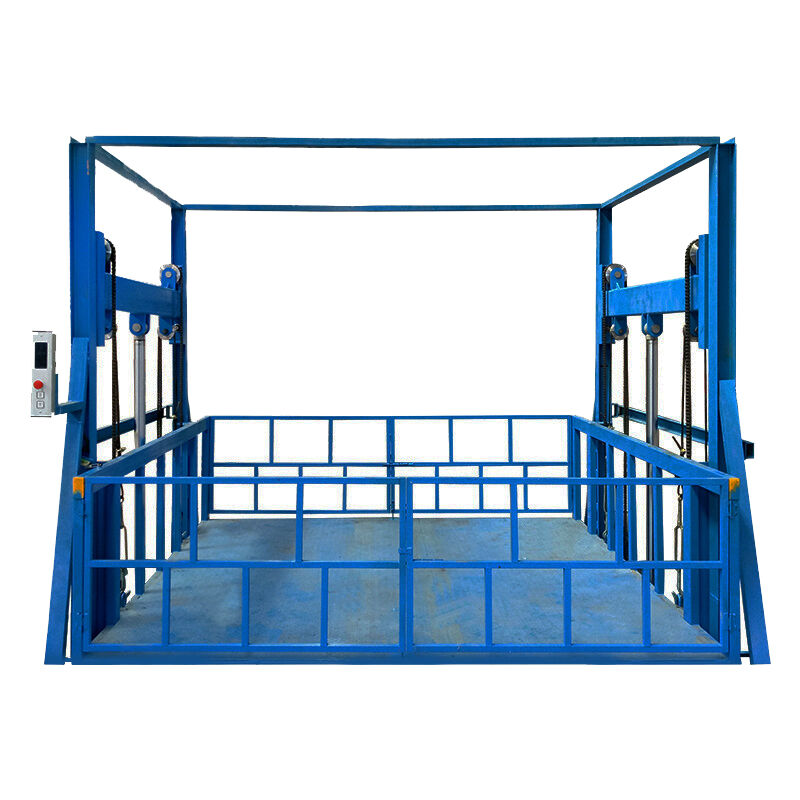
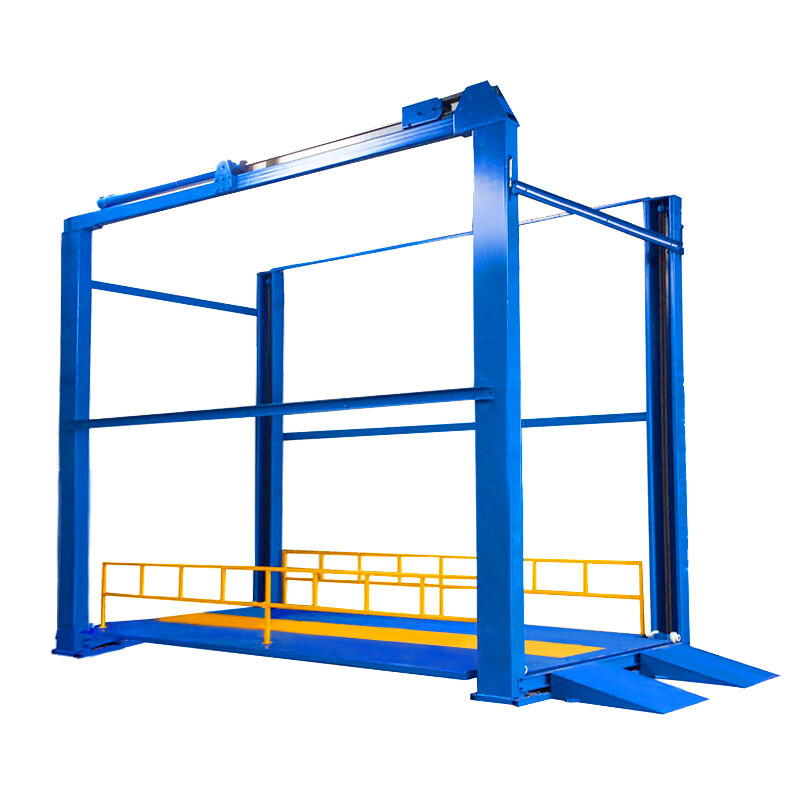
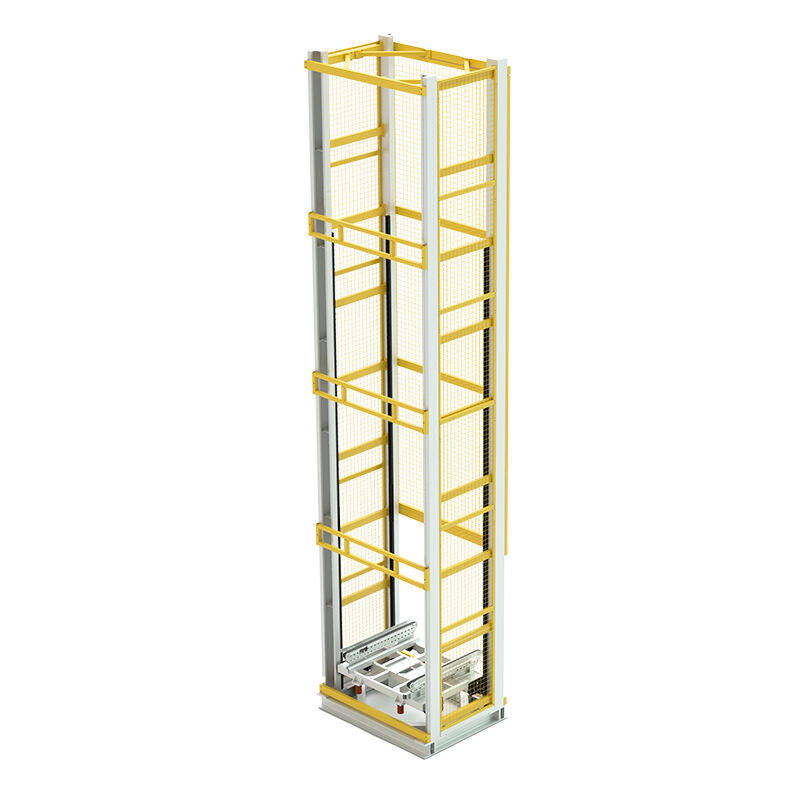
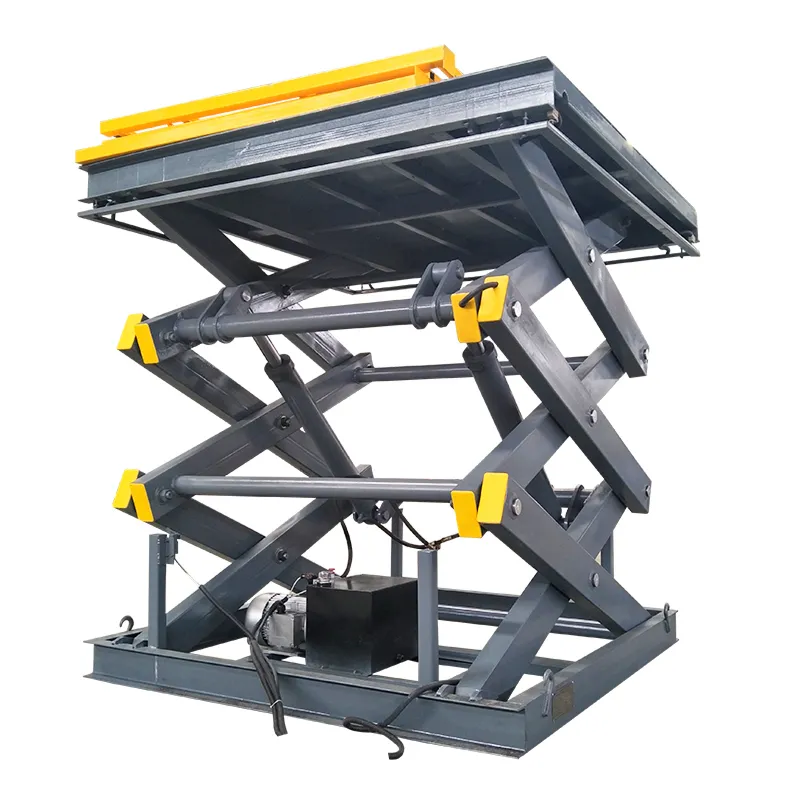
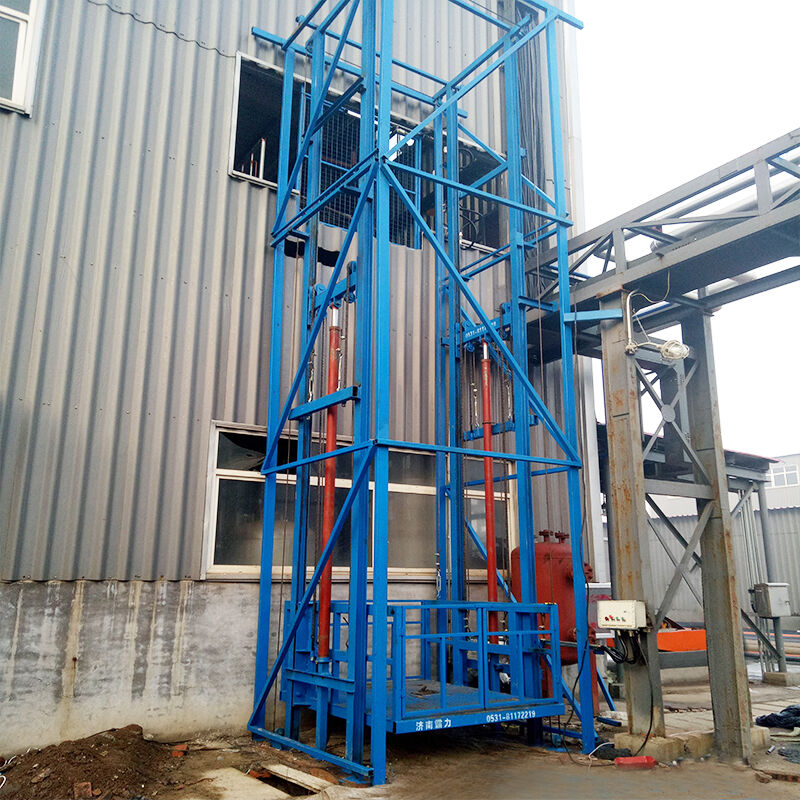
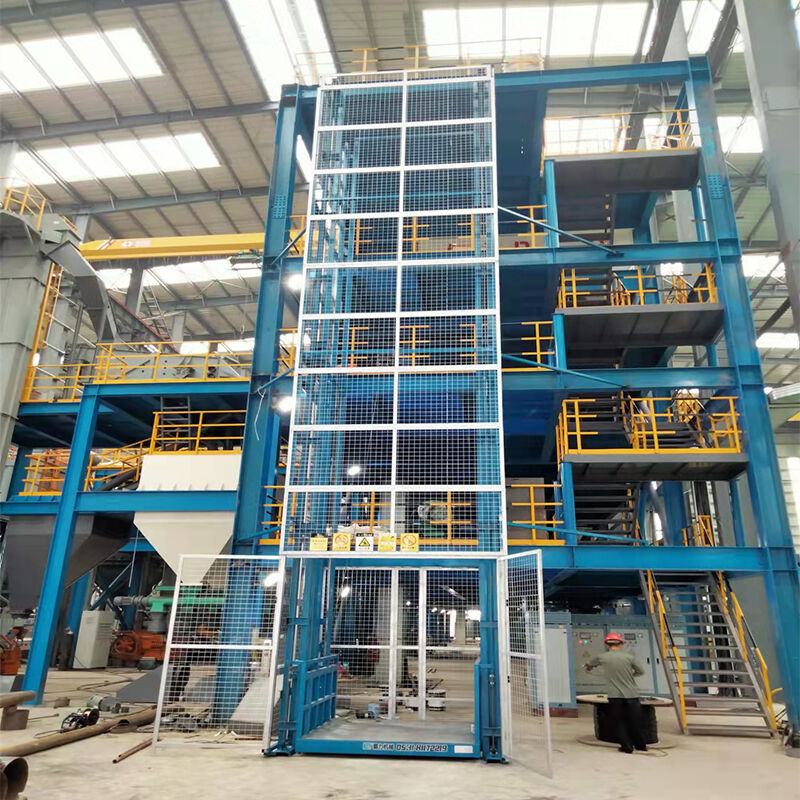
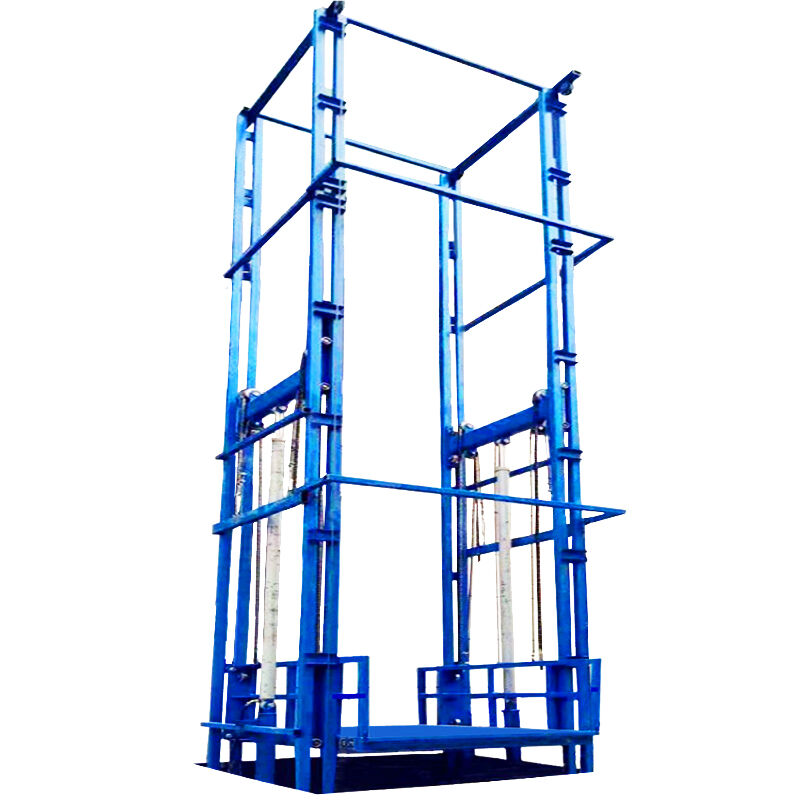
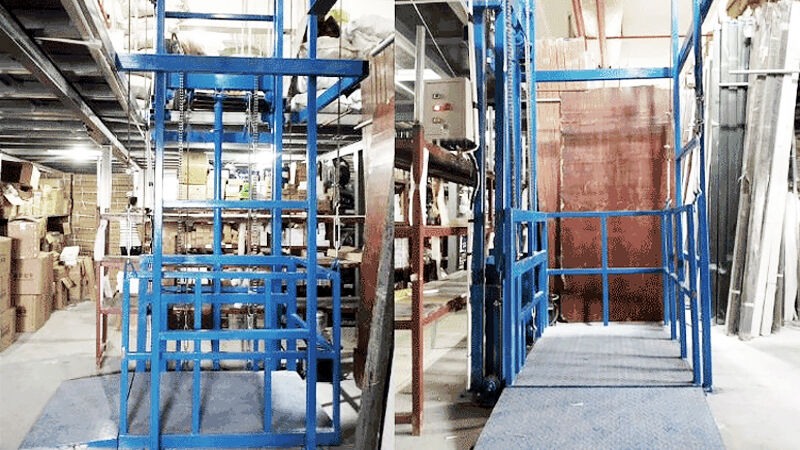
Um elevador de cargas externo representa uma solução revolucionária de transporte vertical, especificamente projetada para aplicações externas em edifícios e condições ambientais desafiadoras. Esse robusto sistema mecânico facilita o movimento eficiente de materiais, equipamentos e cargas entre diferentes níveis de piso na fachada das estruturas. O elevador de cargas externo incorpora componentes resistentes às intempéries e mecanismos avançados de segurança para garantir operação confiável, independentemente das variações sazonais ou das condições atmosféricas. Os sistemas modernos de elevadores de cargas externos utilizam mecanismos de acionamento hidráulicos ou elétricos que proporcionam movimento vertical suave e controlado, com capacidades precisas de posicionamento. A estrutura geralmente é composta por aço galvanizado ou alumínio, com revestimentos resistentes à corrosão, capazes de suportar exposição prolongada à chuva, ao vento, à neve e à radiação ultravioleta. Essas instalações possuem trilhos-guia fechados e barreiras de segurança que protegem tanto os operadores quanto os materiais transportados durante as operações de içamento. Os sistemas de controle integram tecnologia sofisticada de monitoramento de carga, evitando sobrecargas enquanto mantêm a eficiência ideal de desempenho. Funções de parada de emergência e sistemas de alimentação de reserva asseguram operações seguras em situações imprevistas ou interrupções de energia. O projeto do elevador de cargas externo permite diversas dimensões de plataforma e capacidades de carga, desde pacotes leves até equipamentos industriais pesados, com peso de várias toneladas. A flexibilidade de instalação permite sua fixação em fachadas de edifícios existentes ou como estruturas autônomas com fundações independentes. Equipes de engenharia especializadas personalizam cada configuração de elevador de cargas externo para atender aos requisitos específicos do local, incluindo limitações de altura, restrições de espaço e normas locais de construção. Protocolos regulares de manutenção garantem confiabilidade a longo prazo e conformidade com as regulamentações de segurança. O elevador de cargas externo constitui um componente essencial em projetos modernos de construção, operações logísticas em centros de distribuição e instalações industriais, onde elevadores internos convencionais revelam-se impraticáveis ou insuficientes para as necessidades de movimentação de materiais.
 EN
EN