Retorno Excepcional sobre o Investimento e Eficiência de Custo
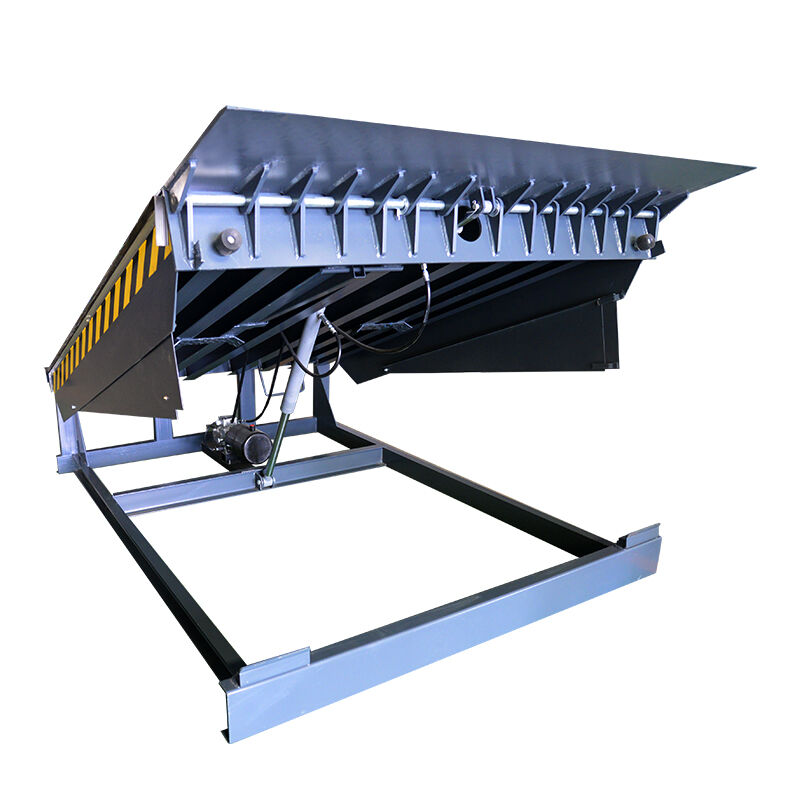
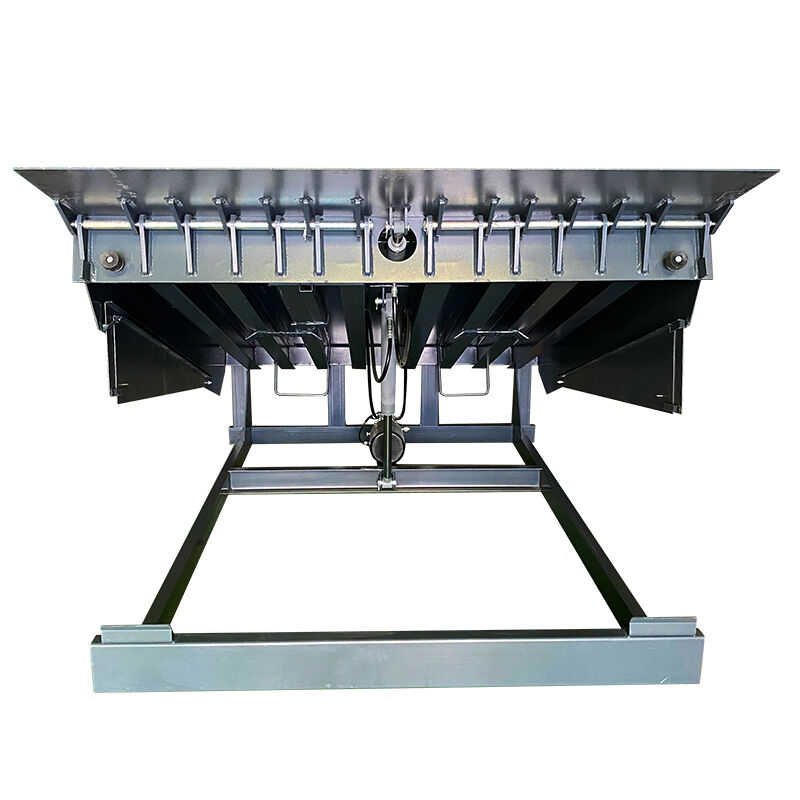
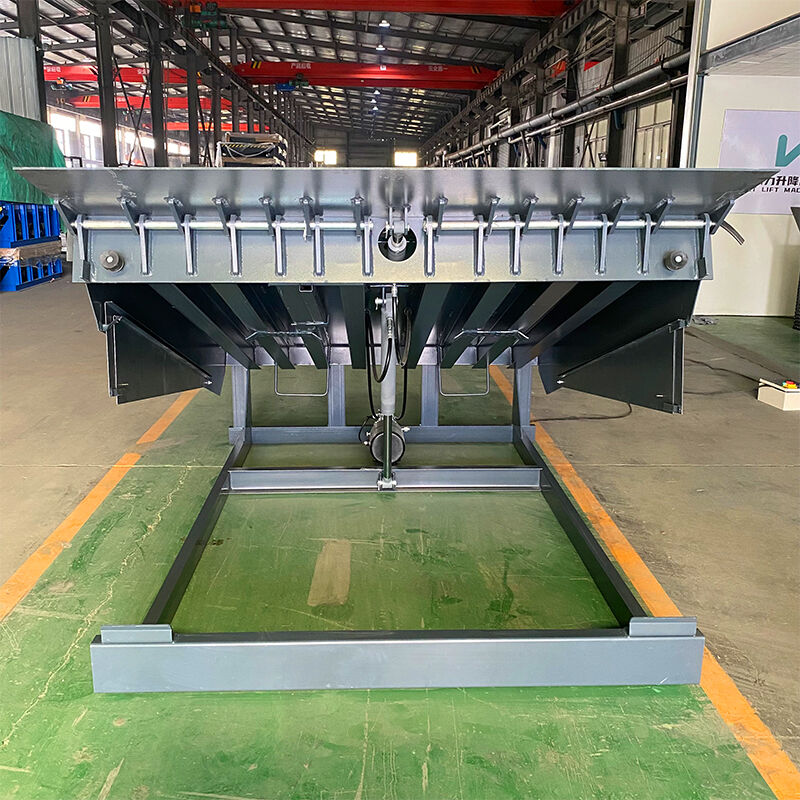
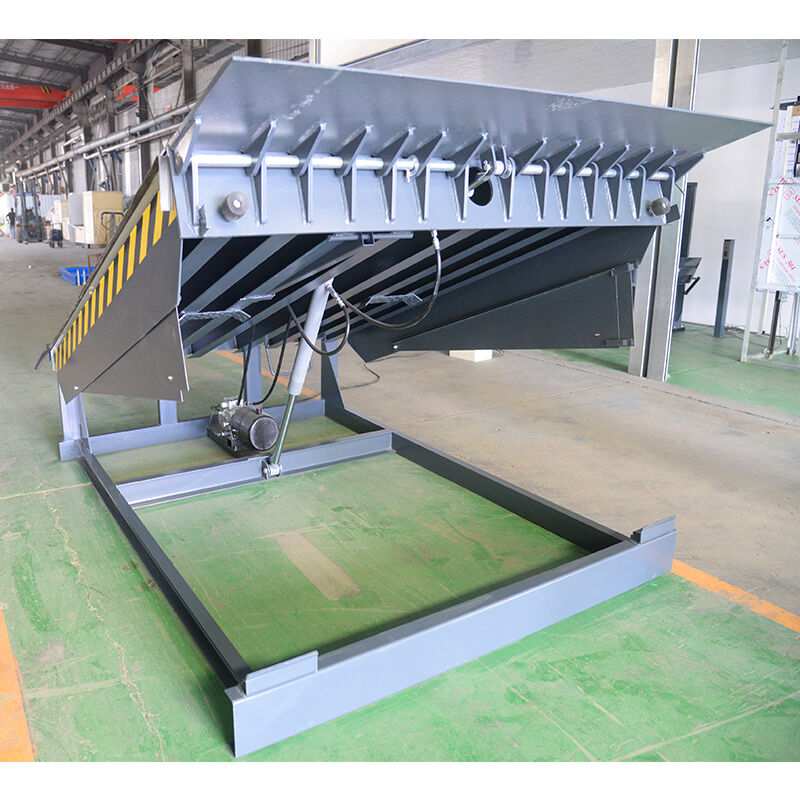
As vantagens financeiras das rampas portáteis para docas de caminhões estendem-se muito além das economias iniciais na aquisição, gerando um valor substancial a longo prazo por meio de ganhos em eficiência operacional e redução dos custos indiretos. Ao contrário das instalações permanentes de doca, que exigem investimentos significativos antecipados em construção, licenças e modificações na infraestrutura, as soluções portáteis oferecem funcionalidade imediata por uma fração do custo total, ao mesmo tempo em que garantem desempenho comparável ou até superior. A característica de implantação rápida significa que as empresas podem começar a obter benefícios operacionais em poucas horas após a entrega, gerando retornos imediatos por meio de maior produtividade e redução dos requisitos de mão de obra associados aos procedimentos manuais de carregamento. As vantagens em custos de manutenção tornam-se evidentes graças a sistemas mecânicos simplificados, que exigem serviço especializado mínimo e permitem fácil acesso para inspeções rotineiras e manutenção preventiva, ao contrário das instalações permanentes complexas, cujos requisitos de manutenção são onerosos e que apresentam potenciais problemas estruturais. A engenharia voltada para a durabilidade garante que esses investimentos forneçam décadas de serviço confiável com a devida manutenção, enquanto a portabilidade protege o valor do ativo, permitindo sua realocação sempre que as necessidades do negócio mudarem ou os requisitos da instalação evoluírem. Os benefícios em eficiência energética surgem de sistemas hidráulicos ou mecânicos que consomem pouca energia, comparados às instalações permanentes complexas, que demandam fornecimento elétrico contínuo e considerações relativas ao controle climático. A redução nos custos com mão de obra resulta de processos de carregamento otimizados, que exigem menos pessoal, ao mesmo tempo em que melhoram a segurança e reduzem as exigências físicas que contribuem para a fadiga dos trabalhadores e despesas relacionadas a lesões. Os benefícios em seguros frequentemente incluem prêmios reduzidos devido à melhoria nas classificações de segurança e ao cumprimento das normas profissionais de carregamento, o que demonstra o compromisso com a gestão de riscos e a proteção no local de trabalho. O fator versatilidade multiplica o valor do investimento ao desempenhar múltiplas funções em diversas aplicações, eliminando a necessidade de aquisição de equipamentos especializados e mantendo a flexibilidade operacional frente às mudanças nas exigências do negócio. A retenção do valor de revenda oferece proteção financeira adicional, pois rampas portáteis de alta qualidade para docas de caminhões mantêm seu apelo no mercado e sua utilidade funcional, apoiando a recuperação do ativo quando as necessidades operacionais mudam ou as empresas atualizam para sistemas de maior capacidade, tornando esses investimentos fundamentalmente sólidos tanto sob a perspectiva operacional quanto sob a financeira.
 EN
EN