EN
EN


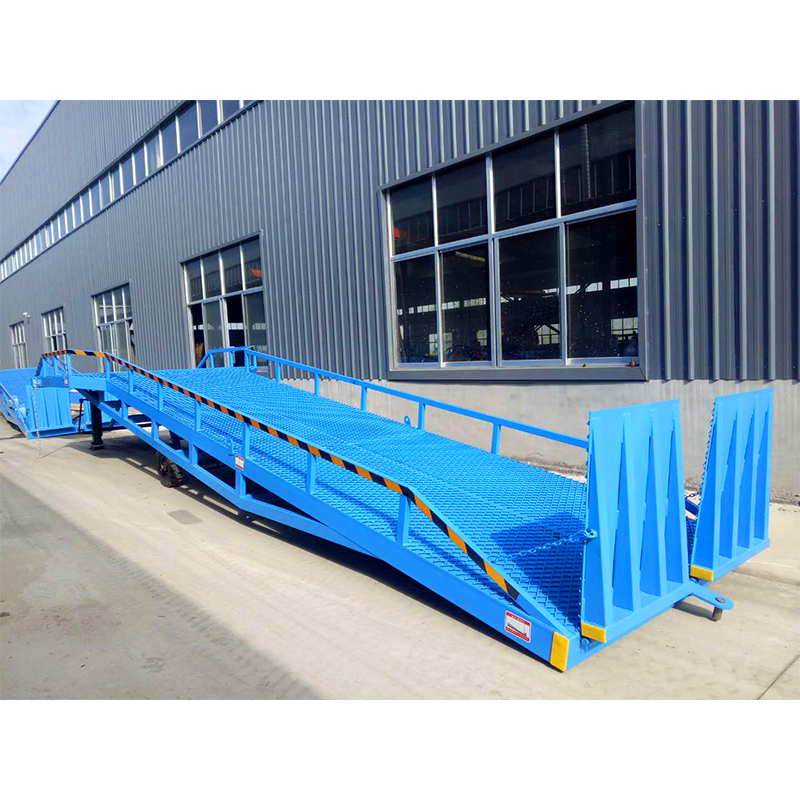
Um item confiável rampa de doca é essencial para qualquer instalação que realize operações regulares de carga e descarga. No entanto, simplesmente possuir uma rampa de docas não é suficiente para garantir a segurança dos trabalhadores e a eficiência operacional. Os recursos de segurança da rampa de docas que você escolher impactam diretamente a prevenção de acidentes, a durabilidade dos equipamentos e o cumprimento das normas regulatórias do local de trabalho. Compreender quais recursos de segurança são indispensáveis ajuda gestores de instalações, coordenadores logísticos e equipes operacionais a tomarem decisões informadas de compra que protejam sua força de trabalho, mantendo ao mesmo tempo uma produtividade constante ao longo da jornada de trabalho.
As características de segurança das rampas de doca abrangem uma ampla gama de elementos mecânicos, estruturais e operacionais que atuam em conjunto para criar um ambiente de carga seguro. Desde superfícies antiderrapantes até sistemas hidráulicos de estabilização, cada componente desempenha um papel fundamental na prevenção de acidentes, na redução da exposição a responsabilidades legais e na garantia de que sua instalação atenda às normas de segurança do setor. Este guia analisa as características de segurança mais importantes das rampas de doca, que toda rampa de uso diário deve possuir, auxiliando-o na avaliação e seleção de equipamentos que mantenham sua equipe segura.
Integridade Estrutural e Capacidade de Suporte de Carga
Projeto Estrutural Robusto e Seleção de Materiais
A fundação das características de segurança eficazes de uma rampa de doca começa com um projeto estrutural robusto. Uma rampa de doca confiável deve ser construída em aço de alta qualidade ou em materiais reforçados, capazes de suportar as tensões repetitivas dos ciclos diários de carregamento e descarregamento. As características de segurança da rampa de doca relacionadas à construção do quadro incluem juntas soldadas que eliminam pontos fracos, contraventos que distribuem uniformemente o peso e especificações de espessura que superam os mínimos industriais padrão. Ao avaliar as características de segurança da rampa de doca em termos de integridade estrutural, verifique se o fabricante fornece documentação detalhada sobre a capacidade de carga e se a rampa supera, com folga confortável, os requisitos máximos de peso da sua instalação.
Capacidade de Carga e Distribuição de Peso
A capacidade de carga adequada é fundamental para prevenir falhas catastróficas. Os recursos de segurança das rampas de doca devem incluir classificações de carga claramente indicadas, especificando tanto os limites de peso estático quanto dinâmico. Os recursos de segurança das rampas de doca que protegem contra sobrecarga incluem pernas de apoio reforçadas, seções graduadas da plataforma e indicadores de carga em modelos comerciais. As instalações que utilizam rampas de doca com classificações de carga dinâmica devem realizar auditorias regulares de peso para garantir que as operações diárias permaneçam dentro dos limites estabelecidos. Uma rampa de doca confiável incorpora elementos de projeto que distribuem cargas concentradas por toda a superfície da plataforma, em vez de permitir que a pressão se concentre em pontos específicos.
Proteção da Superfície e Resistência ao Escorregamento
Superfícies Antiderrapantes e Materiais de Tração
Escorregões e quedas representam um dos tipos mais comuns de lesões relacionadas a docas, tornando o projeto de superfícies antiderrapantes uma das características de segurança mais críticas das rampas de doca. Uma rampa de doca confiável inclui superfícies texturizadas de alta fricção que mantêm aderência mesmo quando molhadas, oleosas ou contaminadas por poeira. As características de segurança das rampas de doca relacionadas à tração superficial normalmente incluem revestimentos com grãos incorporados, chapas metálicas serrilhadas ou revestimentos de borracha que geram fricção consistente em toda a superfície de tráfego pedonal. As características de segurança mais eficazes nessa categoria utilizam materiais comprovadamente capazes de manter desempenho ao longo de milhares de ciclos de carga. A limpeza e manutenção regulares dessas características de segurança das rampas de doca preservam sua eficácia e prolongam a vida útil do equipamento.
Proteção nas Bordas e Sistemas de Barreira
As bordas e áreas laterais representam zonas de risco significativo em qualquer doca. Recursos abrangentes de segurança para rampas de doca incluem guarda-corpos elevados, correntes de segurança ou postes de barreira que impedem que trabalhadores e equipamentos saiam acidentalmente da plataforma. Os recursos de segurança para proteção das bordas de rampas de doca devem ser posicionados de modo a manter sua eficácia em toda a faixa de ângulos da rampa e em todas as configurações de carga. Alguns recursos avançados de segurança para rampas de doca incluem chapas de proteção contra tropeços ao nível do solo e guarda-corpos intermediários que retêm cargas antes que estas atinjam a borda da plataforma. A instalação de recursos robustos de segurança para rampas de doca na proteção das bordas reduz lesões causadas por quedas de objetos e previne danos a equipamentos e instalações circundantes.
Sistemas de Estabilização e Posicionamento
Estabilização Hidráulica e Mecânica
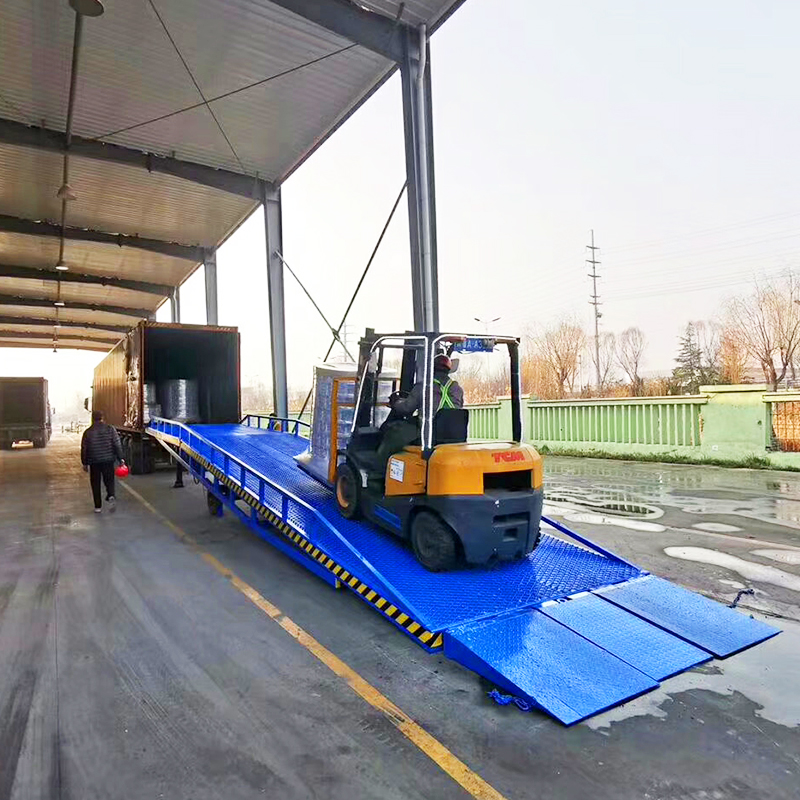
A estabilidade dinâmica torna-se crítica quando veículos pesados ou equipamentos carregam e descarregam na rampa do cais. Os elementos essenciais de segurança da rampa de embarque incluem amortecedores hidráulicos, amortecedores de choque ou estabilizadores mecânicos que impedem balanços, inclinações ou movimentos inesperados. Os recursos de segurança da rampa de embarque que utilizam sistemas hidráulicos respondem instantaneamente a mudanças de peso, mantendo uma plataforma nivelada mesmo quando as cargas são distribuídas de forma desigual. Uma rampa de doca confiável incorpora recursos de segurança de rampa de doca com estabilização redundante para garantir que, se um sistema sofrer uma falha menor, a rampa permaneça estável e funcional. Muitos recursos modernos de segurança de rampa de doca incluem mecanismos de bloqueio automático que se ativam quando a rampa está em uso, evitando o colapso acidental ou reposicionamento inesperado.
Mecanismos de nivelamento e de ajustamento
As alturas dos veículos nos docas variam significativamente conforme os sistemas de suspensão, a pressão dos pneus e a configuração da carga. Recursos importantes de segurança para rampas de doca incluem plataformas com altura ajustável, sistemas de suspensão pneumática ou controles manuais de altura que garantem o alinhamento adequado com a caçamba do veículo. Recursos de segurança para rampas de doca que permitem nivelamento preciso eliminam vãos que poderiam prender rodas ou pés, criando sérios riscos de lesões. Um conjunto totalmente funcional de recursos de segurança para rampas de doca inclui sistemas indicadores claramente visíveis que mostram quando a rampa está corretamente posicionada e segura para uso. A inspeção regular desses recursos de segurança para rampas de doca assegura que os mecanismos de ajuste permaneçam responsivos e confiáveis durante toda a vida útil do equipamento.
Documentação e Recursos de Conformidade
Certificação de Segurança e Normas Setoriais
Uma rampa de doca confiável inclui recursos de segurança para rampas de doca que demonstram conformidade com as normas de segurança e os requisitos regulatórios aplicáveis. Procure equipamentos com certificação de terceiros, documentação de testes de carga e especificações de projeto que façam referência a códigos industriais reconhecidos. Os recursos de segurança para rampas de doca devem ser acompanhados por manuais detalhados que expliquem os limites de peso, os procedimentos operacionais e os cronogramas de manutenção. Muitas instalações exigem que os recursos de segurança para rampas de doca exibam placas permanentes de classificação de carga, rótulos de advertência de segurança e etiquetas de identificação do equipamento, com finalidades de responsabilização e treinamento. Garantir que sua rampa de doca incorpore recursos de segurança que atendam ou superem as regulamentações locais de segurança no local de trabalho protege sua organização contra responsabilidades legais e falhas em auditorias.
Protocolos de Inspeção e Manutenção Regulares
Até mesmo os recursos mais sofisticados de segurança para rampas de doca se degradam com o tempo sem uma manutenção adequada. Recursos abrangentes de segurança para rampas de doca exigem cronogramas documentados de inspeção, registros de manutenção e protocolos de substituição para peças sujeitas a desgaste, como superfícies de borracha ou selos hidráulicos. Recursos de segurança para rampas de doca projetados para facilitar a manutenção incluem pontos de inspeção acessíveis, design modular de componentes e peças de reposição prontamente disponíveis. Estabelecer um programa formal de manutenção que documente todas as atividades de serviço relacionadas aos recursos de segurança das rampas de doca protege o desempenho dos equipamentos, preserva a integridade da segurança e fornece um histórico auditável que demonstre a devida diligência. As instalações que gerenciam múltiplos recursos de segurança para rampas de doca se beneficiam de sistemas centralizados de rastreamento de manutenção que alertam os supervisores quando as inspeções estão vencidas ou quando componentes precisam ser substituídos.
Perguntas Frequentes
Quais são os recursos mais críticos de segurança para rampas de doca para uso diário?
As características de segurança mais críticas das rampas de doca incluem superfícies antiderrapantes, classificações de capacidade de carga estrutural, guarda-corpos nas bordas e sistemas hidráulicos de estabilização. Essas características de segurança das rampas de doca atuam em conjunto para prevenir escorregões, quedas, falhas estruturais e acidentes durante o carregamento. Além disso, protocolos regulares de inspeção e mecanismos adequados de ajuste de altura representam características essenciais de segurança das rampas de doca que mantêm sua instalação operando com segurança todos os dias.
Com que frequência as características de segurança das rampas de doca devem ser inspecionadas?
A maioria dos padrões do setor recomenda inspeções visuais mensais dos recursos de segurança das rampas de doca, com testes de carga abrangentes e avaliações mecânicas realizados trimestralmente ou semestralmente, dependendo da intensidade de uso. Os recursos de segurança das rampas de doca que apresentem sinais de desgaste, ferrugem ou danos devem ser avaliados imediatamente e reparados ou substituídos conforme necessário. As instalações com alto tráfego que utilizam suas rampas de doca continuamente devem aumentar a frequência das inspeções e da manutenção dos recursos críticos de segurança das rampas de doca.
É possível adaptar rampas de doca existentes com recursos de segurança adicionais?
Muitas rampas de doca existentes podem ser adaptadas com recursos aprimorados de segurança, como revestimentos antiderrapantes melhorados, grades de proteção adicionais ou sistemas de estabilização aprimorados. A adaptação de recursos de segurança para rampas de doca depende da construção original da rampa, do espaço disponível e das restrições orçamentárias. Consultar especialistas em equipamentos garante que quaisquer recursos de segurança adaptados se integrem adequadamente aos sistemas existentes e mantenham a integridade estrutural.