EN
EN


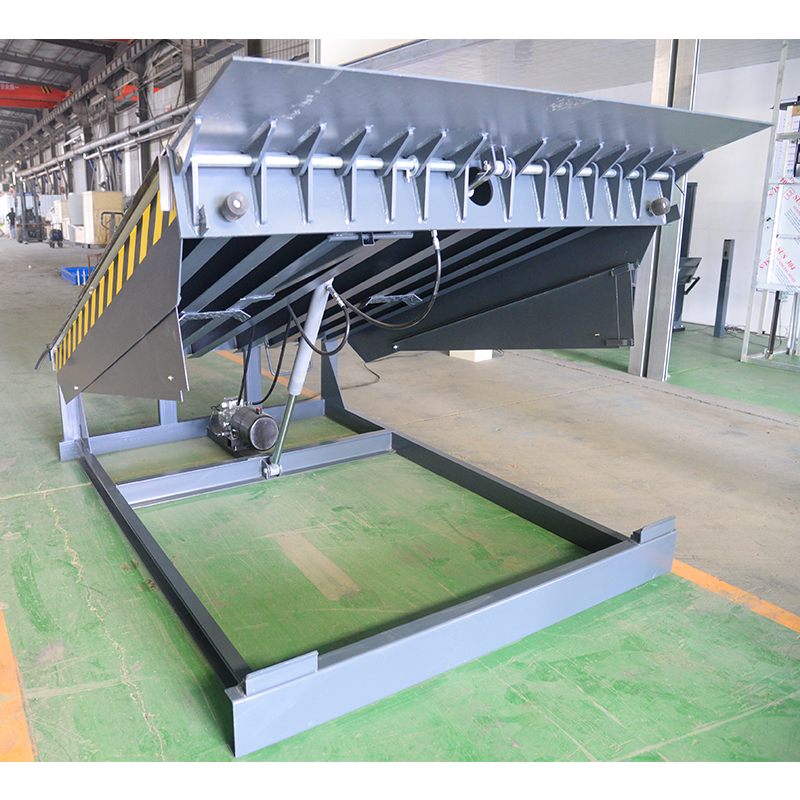
Повреждение оборудования в ходе погрузочно-разгрузочных операций представляет собой значительную финансовую нагрузку для складов, распределительных центров и производственных предприятий по всему миру. Механические нагрузки, возникающие при погрузке и разгрузке на вилочные погрузчики, ручные и электрические тележки, а также другое оборудование для перемещения грузов, приводят к износу, нарушению выравнивания и структурным повреждениям, которые накапливаются очень быстро. Многие руководители объектов упускают из виду важнейшее решение этой проблемы — устройства для выравнивания уровня погрузочной площадки (dock levelers). Вопрос заключается не в том, способны ли устройства для выравнивания уровня погрузочной площадки снизить повреждение оборудования, а в том, насколько существенно они могут защитить наиболее ценные активы вашего предприятия в ходе ежедневных погрузочно-разгрузочных операций.
Взаимосвязь между уровняторы доков и защита оборудования является как прямой, так и измеримой. Когда оборудование для перемещения грузов сталкивается с неровными переходами между погрузочной площадкой и кузовом грузовика, подвесные системы поглощают резкие удары, гидравлические компоненты испытывают скачки давления, а операторы теряют точность управления. Погрузочные платформы устраняют эти разрушительные условия, создавая ровные, горизонтальные площадки, обеспечивающие безопасный переход оборудования. В этой статье рассматриваются конкретные механизмы, с помощью которых погрузочные платформы снижают повреждение оборудования, конкретные преимущества защиты, которые получает ваше предприятие, а также способы максимизации этих преимуществ за счет правильного выбора и технического обслуживания.
Как погрузочные платформы предотвращают структурные повреждения оборудования для перемещения грузов
Устранение ударных нагрузок при переходах
Основной механизм, с помощью которого погрузочные платформы снижают повреждение оборудования, заключается в устранении ударных нагрузок, возникающих при традиционной погрузке и разгрузке грузов. Когда погрузчики поднимаются или спускаются по незафиксированным рампам либо перемещаются по неровным поверхностям погрузочной площадки, резкие вертикальные движения создают напряжение, концентрирующееся на элементах подвески, осях и несущих конструкциях. Погрузочные платформы ликвидируют этот перепад за счёт точно спроектированных платформ, обеспечивающих горизонтальный переход независимо от различий в высоте кузова грузовика. Такая стабильная поверхность позволяет колёсам техники сохранять плавный контакт с опорой, равномерно распределяя нагрузку по всей конструкции вместо образования локальных зон повышенного напряжения. Гидравлические системы и механические компоненты оборудования для перемещения грузов функционируют в пределах заданных параметров, когда погрузочные платформы обеспечивают устойчивую опорную поверхность, что напрямую увеличивает срок службы оборудования и снижает частоту его технического обслуживания.
Снижение нагрузки на гидравлические и пневматические системы
Оборудование для перемещения материалов использует сложные гидравлические и пневматические системы для подъема, рулевого управления и стабилизации. Неровные поверхности погрузочных платформ заставляют эти системы работать за пределами оптимальных диапазонов давления, что приводит к деградации уплотнений, утечке рабочей жидкости и износу компонентов, который быстро накапливается. Когда регулируемые погрузочные платформы поддерживают постоянную геометрию платформы, гидравлическое давление остается стабильным, уплотнения испытывают минимальные нагрузки, а системы сохраняют свою проектную эффективность. Такая защита особенно ценна для организаций, осуществляющих операции с высокой цикличностью, когда оборудование работает непрерывно в течение всей смены. Снижение нагрузки на систему посредством док-уровнятор их применения напрямую приводит к снижению затрат на техническое обслуживание, уменьшению числа аварийных ремонтов и повышению готовности оборудования к ежедневной эксплуатации.
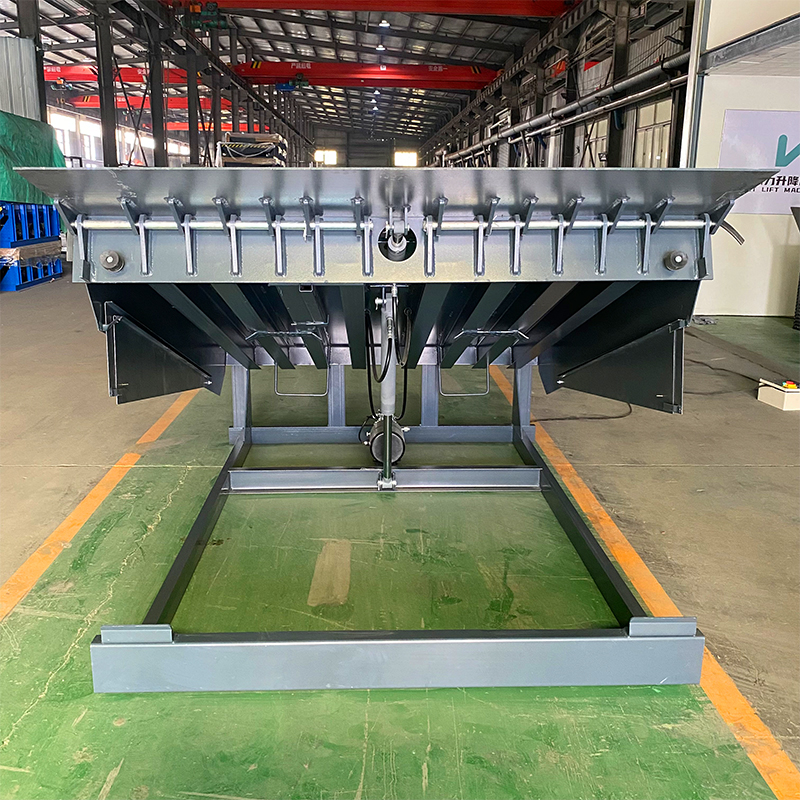
Количественная оценка преимуществ в области безопасности и предотвращения повреждений при погрузочно-разгрузочных операциях
Оценка сокращения простоев оборудования и затрат на ремонт
Финансовые последствия повреждения оборудования при погрузочно-разгрузочных операциях становятся очевидными сразу же при анализе записей технического обслуживания и расходов, связанных с простоем. Предприятия, внедрившие устройства выравнивания уровня доков, постоянно сообщают о значительном сокращении незапланированного ремонта: расходы на техническое обслуживание, обусловленные повреждениями, снижаются на 40–60 % по сравнению с операциями, в которых используются альтернативные методы погрузки. Такое улучшение напрямую связано с защитой, обеспечиваемой устройствами выравнивания уровня доков при каждом цикле погрузочно-разгрузочных операций. Когда оборудование функционирует без ударных нагрузок, возникающих при неровных переходах, интервалы между заменой компонентов существенно увеличиваются, количество аварийных ремонтов сокращается, а трудозатраты, связанные с техническим обслуживанием, снижаются. Организации могут количественно оценить отдачу от инвестиций в устройства выравнивания уровня доков, сравнивая расходы на техническое обслуживание до и после их внедрения; как правило, инвестиции окупаются в течение двух–трёх лет только за счёт снижения расходов на повреждение оборудования.
Повышение безопасности и контроля оператора при погрузочно-разгрузочных работах
Помимо защиты оборудования, погрузочные платформы значительно снижают вероятность пролива груза, опрокидывания техники и травм операторов в ходе погрузочно-разгрузочных работ. Когда погрузочные платформы обеспечивают устойчивую горизонтальную поверхность, операторы сохраняют точный контроль над погрузчиками и рохлями, особенно при точной установке грузов и работе с высокими штабелями. Устранение неожиданных вертикальных перемещений снижает утомляемость операторов, улучшает обзорность при выполнении сложных манёвров и создаёт условия, при которых правила техники безопасности могут соблюдаться последовательно. Это повышение уровня безопасности представляет собой второстепенное, но важное преимущество погрузочных платформ, поскольку оно снижает количество внезапных движений и случаев потери управления, приводящих как к повреждению оборудования, так и к травмам на рабочем месте. Предприятия, для которых безопасность погрузочно-разгрузочных работ является приоритетом, рассматривают погрузочные платформы как базовый элемент инфраструктуры, одновременно защищающий как оборудование, так и персонал.
Оптимизация выбора погрузочных платформ для максимизации преимуществ защиты оборудования
Подбор погрузочных платформ под ваши конкретные требования к грузообработке
Различные операции по погрузке и разгрузке грузов требуют разных конфигураций погрузочных платформ, и правильный выбор обеспечивает максимальную защиту оборудования на всем протяжении специфического рабочего процесса вашего объекта. Операции по перемещению тяжелой техники требуют усиленных погрузочных платформ с укрепленным настилом и повышенной грузоподъемностью для поддержания горизонтальной поверхности без прогиба. Операции с высоким объемом грузоперевозок выигрывают от погрузочных платформ с коротким временем цикла и автоматизированными функциями безопасности, которые сокращают задержки при переходе. В условиях климат-контроля необходимы погрузочные платформы, спроектированные с учетом стабильности при изменении температуры, чтобы обеспечить целостность уплотнения и бесперебойную работу в течение всего года. При выборе погрузочных платформ, соответствующих реальным потребностям вашей грузоперевозочной деятельности, преимущества в плане защиты распространяются на весь парк оборудования для материально-технического снабжения, поскольку каждое устройство получает оптимизированные переходы в постоянном режиме.
Внедрение протоколов технического обслуживания для сохранения эффективности погрузочных платформ
Преимущества снижения повреждений оборудования, обеспечиваемые устройствами выравнивания уровня погрузочной площадки, в значительной степени зависят от поддержания этих систем в полностью исправном рабочем состоянии. Регулярные осмотры гидравлических магистралей, уплотнений и механических соединений гарантируют, что устройства выравнивания уровня продолжают обеспечивать плавные и горизонтальные переходы, защищающие ваше оборудование. Плановое техническое обслуживание, направленное на устранение износа до возникновения отказов, сохраняет точность инженерных решений, обеспечивающих эффективность устройств выравнивания уровня. Если устройства выравнивания уровня работают с пониженной мощностью из-за отложенного технического обслуживания, их защитные функции ослабевают, и оборудование подвергается большему риску повреждений, аналогичному тому, который наблюдается при работе без надлежащих систем погрузки на погрузочной площадке. Организации, которые последовательно проводят комплексное техническое обслуживание устройств выравнивания уровня, обеспечивают стабильную защиту оборудования на протяжении всего срока эксплуатации платформы, тем самым многократно усиливая преимущества в виде снижения повреждений в течение длительного времени.
Часто задаваемые вопросы
Какие конкретные типы повреждений оборудования предотвращают устройства выравнивания уровня при погрузочно-разгрузочных операциях?
Устройства для выравнивания уровня погрузочной площадки предотвращают повреждение подвески, неправильное положение осей, износ гидравлических компонентов, перегрузку механизмов рулевого управления и напряжение в конструкции рамы, возникающие при перемещении погрузочно-разгрузочного оборудования через неровные переходы. Они устраняют ударные нагрузки, концентрирующие напряжение на компонентах оборудования, тем самым снижая совокупный ущерб, который сокращает срок службы оборудования и увеличивает частоту технического обслуживания при операциях по обработке грузов.
Как устройства для выравнивания уровня погрузочной площадки сравниваются с альтернативными методами погрузки с точки зрения защиты оборудования?
По сравнению с нефиксированными аппарелями, погрузочными досками и ручной коррекцией высоты устройства для выравнивания уровня погрузочной площадки обеспечивают превосходную защиту оборудования благодаря инженерной точности, автоматической регулировке высоты и равномерному распределению нагрузки. Хотя альтернативные методы могут частично уменьшить сложности, связанные с переходами, устройства для выравнивания уровня погрузочной площадки представляют собой наиболее комплексное решение по предотвращению повреждения оборудования при обработке грузов, поскольку постоянно обеспечивают оптимальную геометрию перехода.
Какова типичная рентабельность инвестиций при внедрении устройств выравнивания уровня погрузочной площадки для снижения повреждений оборудования?
Большинство предприятий, внедряющих устройства выравнивания уровня погрузочной площадки, окупают свои инвестиции в течение двух–трех лет за счет снижения затрат на техническое обслуживание, уменьшения числа ремонтов оборудования и сокращения расходов, связанных с простоем. Конкретные сроки окупаемости зависят от объема грузопереработки на вашем предприятии, стоимости замены оборудования и текущего уровня расходов на техническое обслуживание, однако преимущества, связанные с защитой оборудования, как правило, значительно превышают затраты на внедрение в указанный период.
Содержание
- Как погрузочные платформы предотвращают структурные повреждения оборудования для перемещения грузов
- Количественная оценка преимуществ в области безопасности и предотвращения повреждений при погрузочно-разгрузочных операциях
- Оптимизация выбора погрузочных платформ для максимизации преимуществ защиты оборудования
-
Часто задаваемые вопросы
- Какие конкретные типы повреждений оборудования предотвращают устройства выравнивания уровня при погрузочно-разгрузочных операциях?
- Как устройства для выравнивания уровня погрузочной площадки сравниваются с альтернативными методами погрузки с точки зрения защиты оборудования?
- Какова типичная рентабельность инвестиций при внедрении устройств выравнивания уровня погрузочной площадки для снижения повреждений оборудования?