
Industrial Cargo Lift Solutions: Heavy-Duty Material Handling Systems for Enhanced Efficiency

Get a Free Quote

Our representative will contact you soon.
Email
Mobile/WhatsApp
Name
Company Name
Message
0/1000

industrial cargo lift

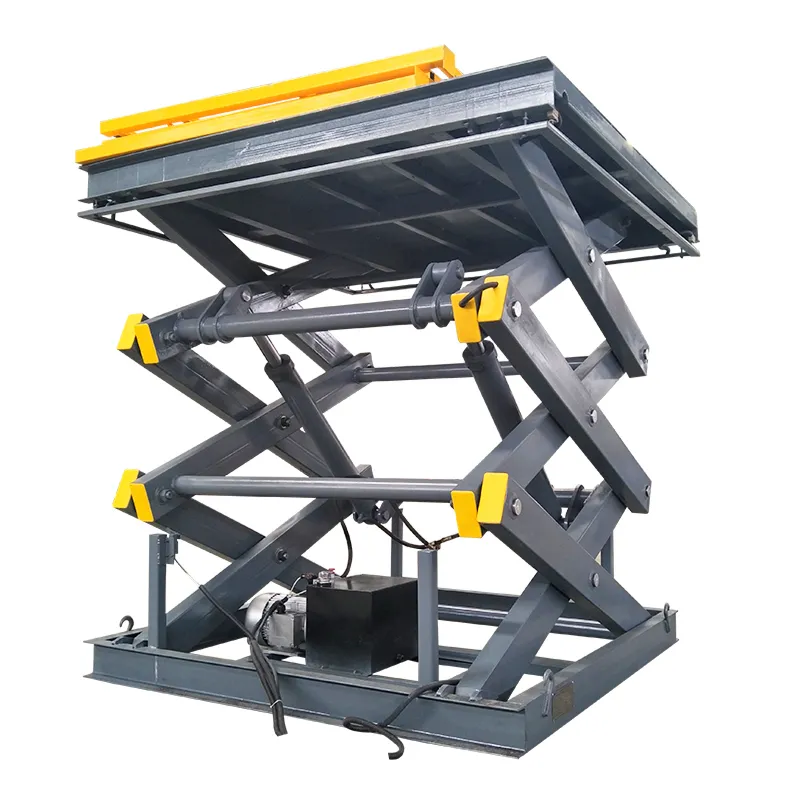
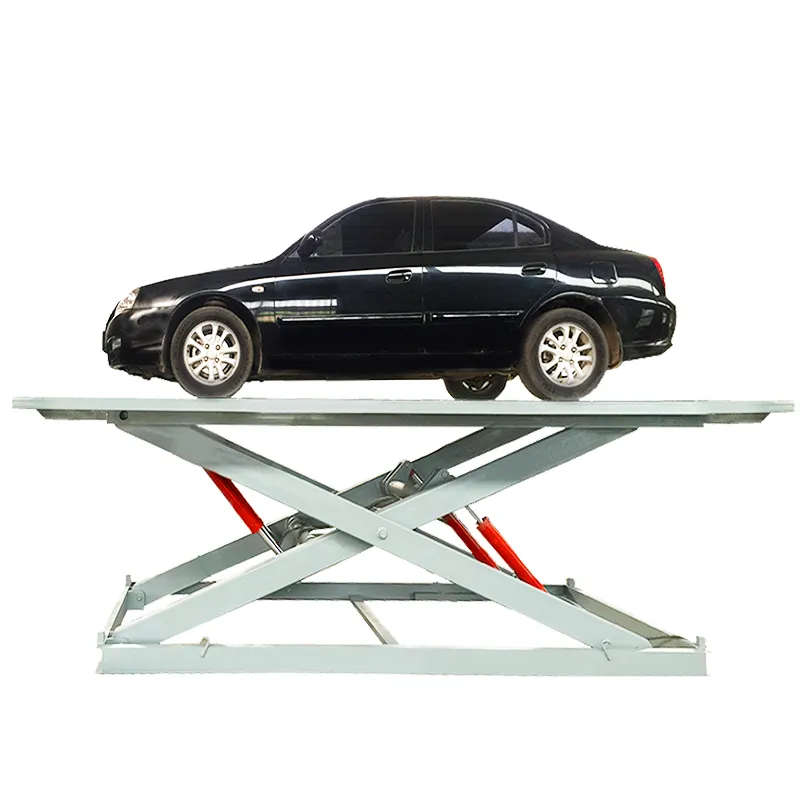
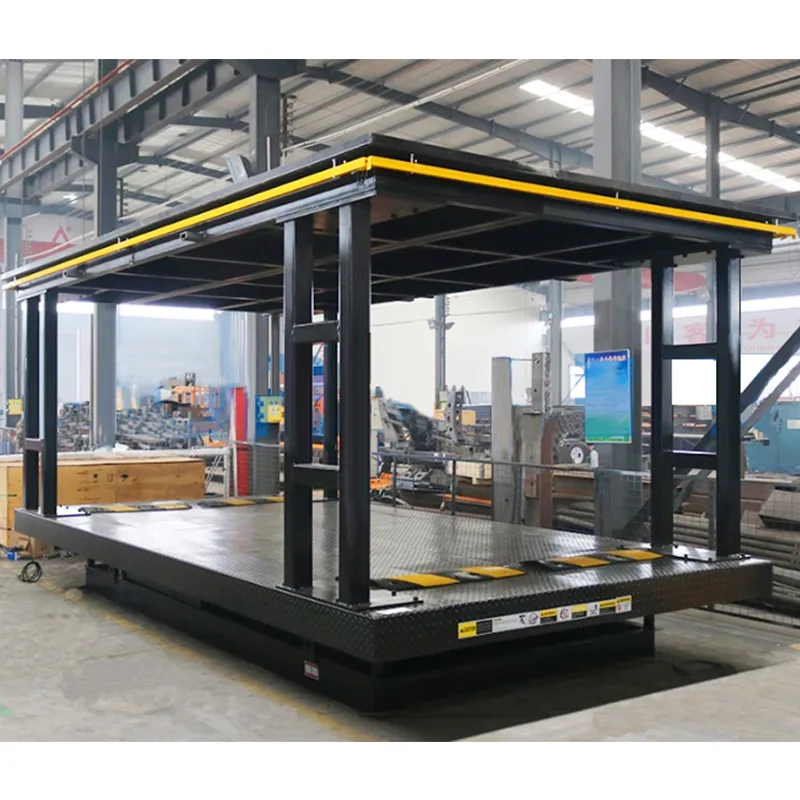
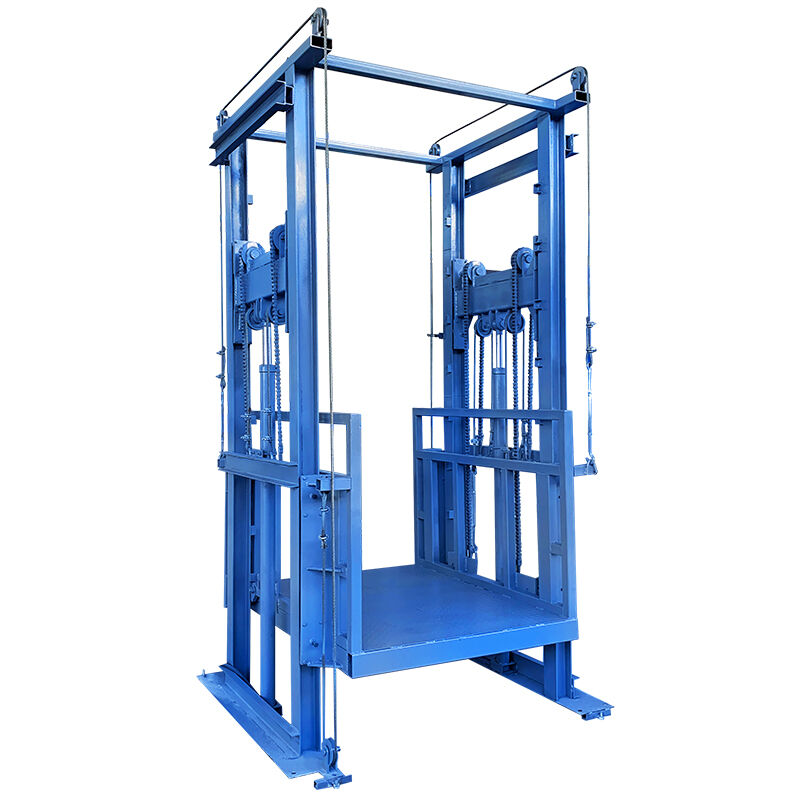
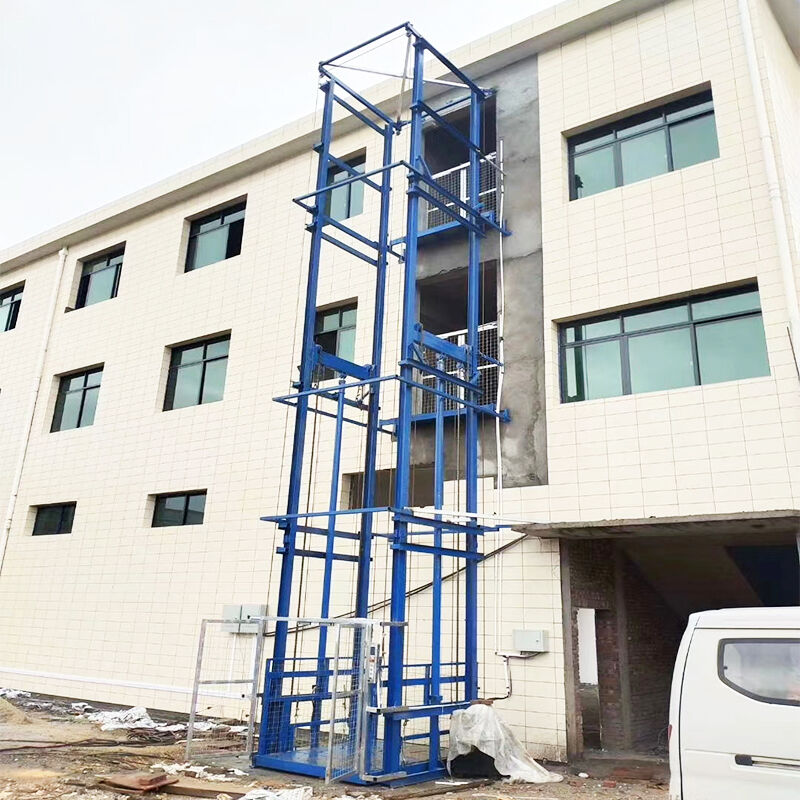
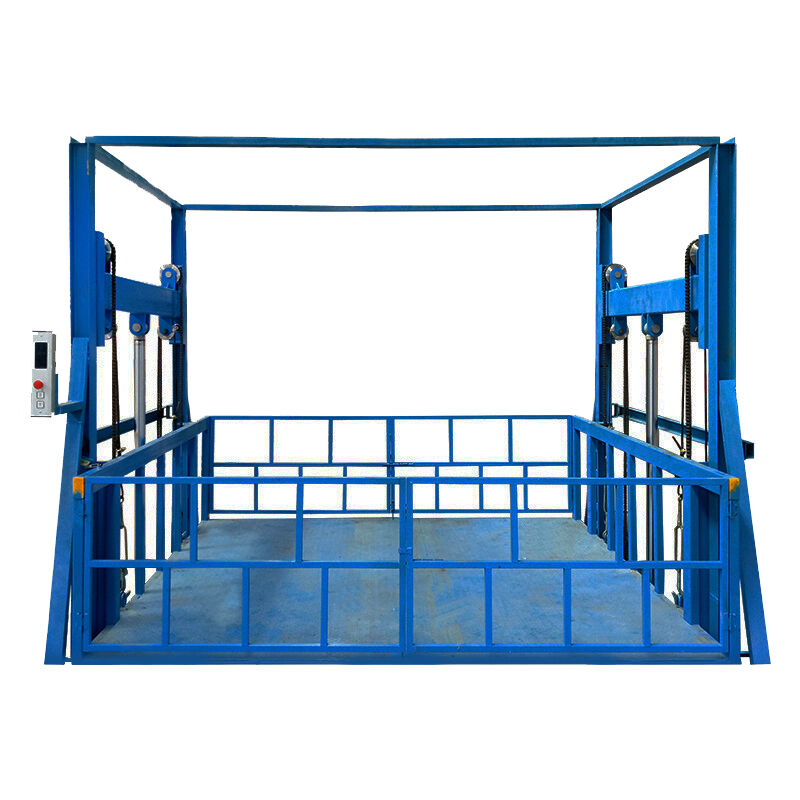
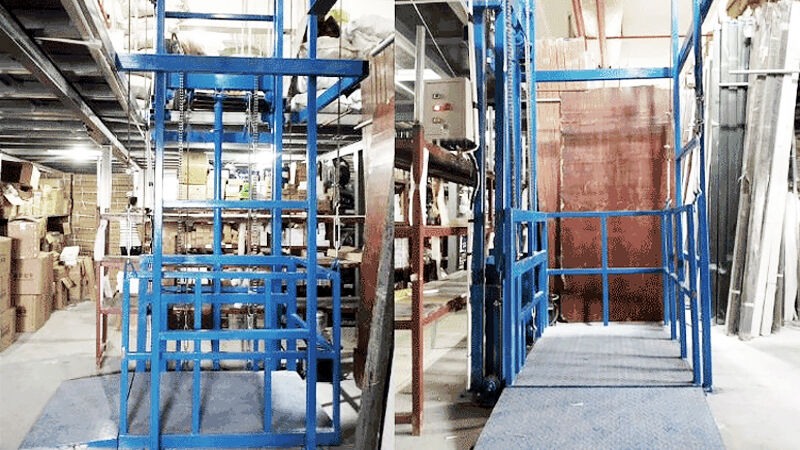
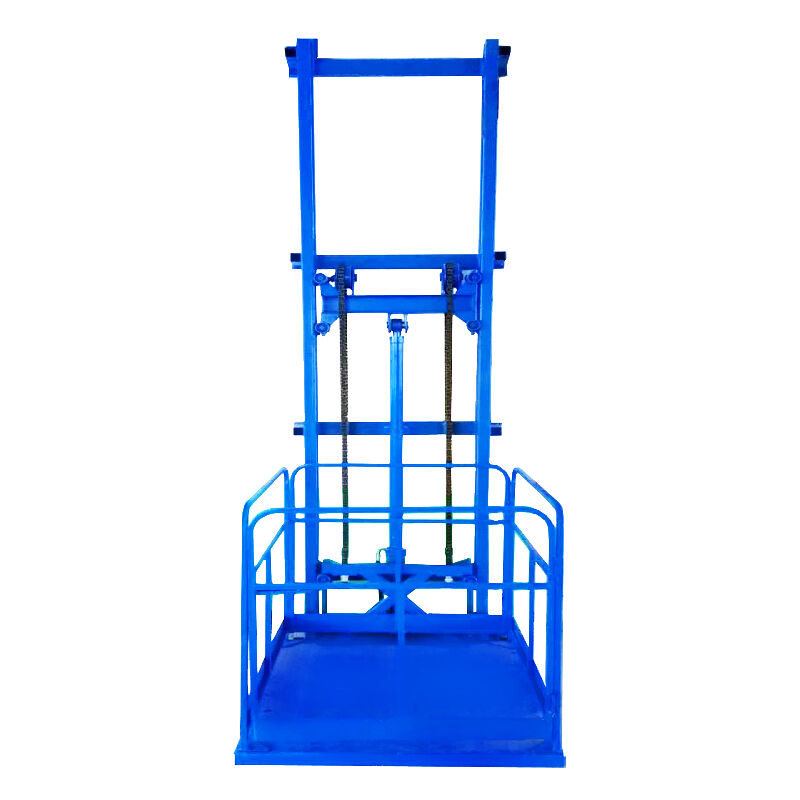
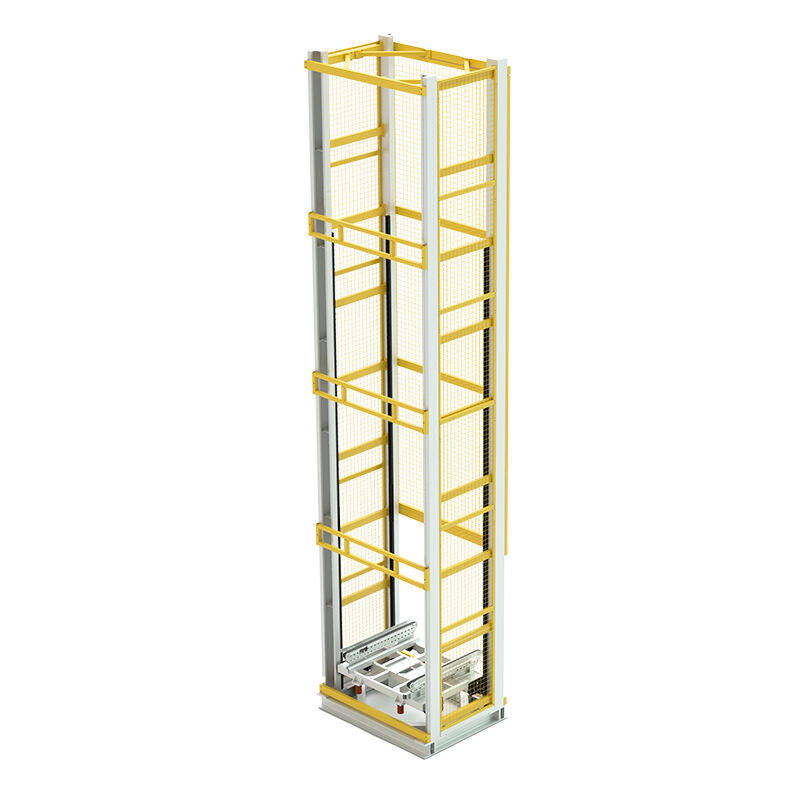
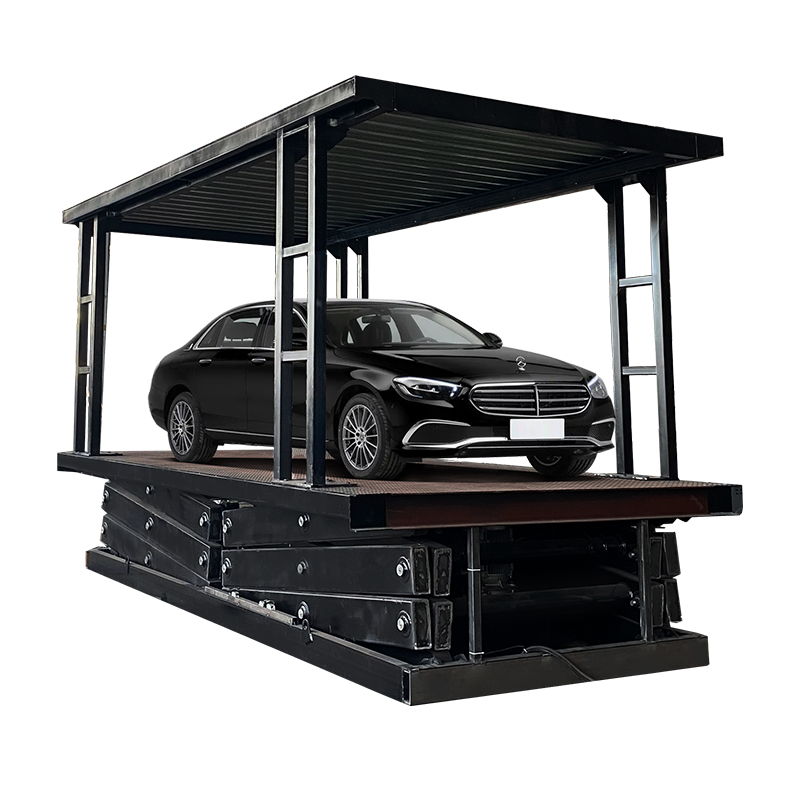
Industrial cargo lifts represent a cornerstone of modern material handling infrastructure, serving as essential equipment for businesses that require reliable vertical transportation of heavy goods and materials. These robust mechanical systems are specifically engineered to move substantial loads between different floor levels in warehouses, manufacturing facilities, distribution centers, and commercial buildings. Unlike passenger elevators, an industrial cargo lift prioritizes load capacity, durability, and operational efficiency over passenger comfort features. The primary function of an industrial cargo lift centers on facilitating the seamless movement of products, raw materials, equipment, and inventory across multiple building levels. These systems eliminate the need for manual carrying or complex horizontal transportation routes that would otherwise consume valuable time and labor resources. Modern industrial cargo lifts incorporate advanced hydraulic or traction drive systems that deliver consistent performance even under demanding operational conditions. Key technological features include precision load sensors that prevent overloading, programmable control panels that allow customized operation parameters, and safety mechanisms such as emergency stop functions and backup power systems. Many contemporary models feature variable speed controls that enable operators to adjust lifting speeds based on cargo sensitivity and operational requirements. The construction typically involves heavy-duty steel frameworks, reinforced platforms, and industrial-grade components designed to withstand continuous use in challenging environments. Applications span across diverse industries including automotive manufacturing, pharmaceutical production, food processing, textile manufacturing, and logistics operations. Retail establishments use these systems to transport merchandise between storage areas and sales floors, while construction companies rely on them for moving building materials to elevated work areas. The versatility of an industrial cargo lift makes it suitable for both indoor and outdoor installations, with weather-resistant options available for external applications. These systems contribute significantly to workplace safety by reducing manual lifting injuries and providing controlled, predictable material movement that minimizes accidents associated with traditional material handling methods.

New Product Recommendations

Businesses investing in an industrial cargo lift experience immediate improvements in operational efficiency that translate directly into measurable cost savings and productivity gains. These systems eliminate the time-consuming process of manually transporting materials via stairs or ramps, allowing workers to focus on value-added activities rather than basic material movement tasks. The enhanced efficiency becomes particularly evident in high-volume operations where frequent material transfers between floors would otherwise create bottlenecks that slow down entire production processes. Safety improvements represent another compelling advantage, as an industrial cargo lift significantly reduces workplace injuries associated with manual lifting, carrying heavy items on stairs, and repetitive strain from constant material handling. Workers no longer face the physical demands and injury risks that come with transporting heavy or bulky items between building levels, leading to lower workers compensation claims and reduced absenteeism. The consistency and reliability of mechanical lifting eliminates human error factors that often contribute to dropped items, damaged goods, and workplace accidents. Cost-effectiveness emerges through multiple channels, including reduced labor costs for material handling tasks, decreased product damage from dropping or mishandling during manual transport, and improved inventory turnover rates due to faster access to stored materials. An industrial cargo lift also maximizes building space utilization by enabling businesses to effectively use multiple floor levels for storage and operations without the logistical challenges that typically accompany multi-level facilities. The system provides precise load control that ensures delicate or sensitive materials receive appropriate handling during vertical transport, reducing product loss and quality issues. Energy efficiency features in modern designs help minimize operational costs while maintaining consistent performance standards. Installation flexibility allows businesses to customize the system configuration to match specific operational needs, building layouts, and load requirements. The durability and longevity of well-maintained industrial cargo lifts provide excellent return on investment, often serving businesses reliably for decades with proper maintenance. These systems also enhance overall workflow organization by creating predictable, efficient pathways for material movement that support lean manufacturing principles and just-in-time inventory management strategies that many successful businesses employ.

Latest News

What Are the Advantages of Choosing a Custom Lift Manufacturer?

05

Mar

What Are the Advantages of Choosing a Custom Lift Manufacturer?

When businesses need vertical transportation solutions, they often face a critical decision: choose a standard, off-the-shelf lift system or partner with a custom lift manufacturer. While pre-engineered lifts may seem like the simpler option, working...
View More
How Does an Industrial Lift Support High-Load Transportation Tasks?

10

Mar

How Does an Industrial Lift Support High-Load Transportation Tasks?

Industrial facilities across manufacturing, warehousing, and logistics sectors face constant challenges in moving heavy materials between different floor levels efficiently and safely. The mechanism by which an industrial lift handles high-load trans...
View More
Why Are Stationary Scissor Lifts Popular in Manufacturing Plants?

16

Mar

Why Are Stationary Scissor Lifts Popular in Manufacturing Plants?

Manufacturing plants worldwide have increasingly turned to stationary scissor lifts as essential equipment for their vertical material handling and access needs. These robust hydraulic platforms have become indispensable in modern industrial operatio...
View More
What Are the Key Benefits of Installing a Goods Lift in Factories?

30

Mar

What Are the Key Benefits of Installing a Goods Lift in Factories?

In today’s highly competitive industrial environment, factories are under constant pressure to improve operational efficiency, reduce labor costs, and ensure workplace safety. One of the most practical solutions adopted by modern manufactu...
View More

Get a Free Quote

Our representative will contact you soon.
Email
Mobile/WhatsApp
Name
Company Name
Message
0/1000

industrial cargo lift

Advanced Safety Systems and Compliance Features

Advanced Safety Systems and Compliance Features

Modern industrial cargo lift designs prioritize operator safety and regulatory compliance through comprehensive safety systems that exceed industry standards and provide peace of mind for business owners and employees alike. These sophisticated safety mechanisms include multiple redundant systems that monitor every aspect of lift operation, from load weight detection to platform positioning accuracy. Overload protection sensors automatically prevent the lift from operating when weight limits are exceeded, protecting both the equipment and building structure from potential damage while ensuring operator safety. Emergency stop controls are strategically positioned for immediate access, allowing operators to halt lift movement instantly in case of unexpected situations or safety concerns. The inclusion of backup power systems ensures that an industrial cargo lift can complete its current cycle and return to a safe position even during electrical outages, preventing situations where materials or personnel might become stranded between floors. Professional installation teams ensure that each system meets local building codes and safety regulations, including proper electrical connections, structural support requirements, and safety barrier installations. Regular safety inspections and maintenance protocols help maintain optimal safety performance throughout the equipment lifecycle. Advanced sensor technology monitors mechanical components continuously, alerting operators to potential issues before they become safety hazards. Guard rails, safety gates, and platform barriers prevent accidental falls or contact with moving components during operation. The control systems feature intuitive designs that minimize operator error while providing clear visual and audible feedback about system status and any safety alerts. Documentation and training programs ensure that operators understand proper safety procedures and emergency protocols. These comprehensive safety features not only protect personnel and property but also help businesses maintain insurance compliance and avoid costly liability issues that could arise from workplace accidents involving material handling equipment.
Customizable Load Capacity and Versatile Design Options

Customizable Load Capacity and Versatile Design Options

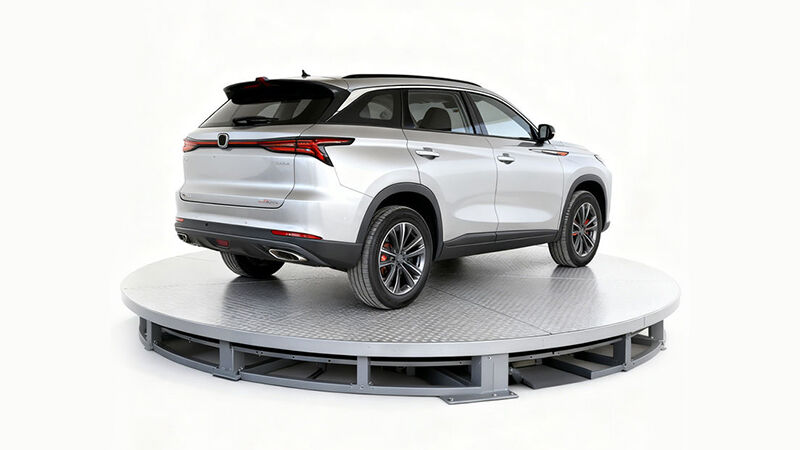
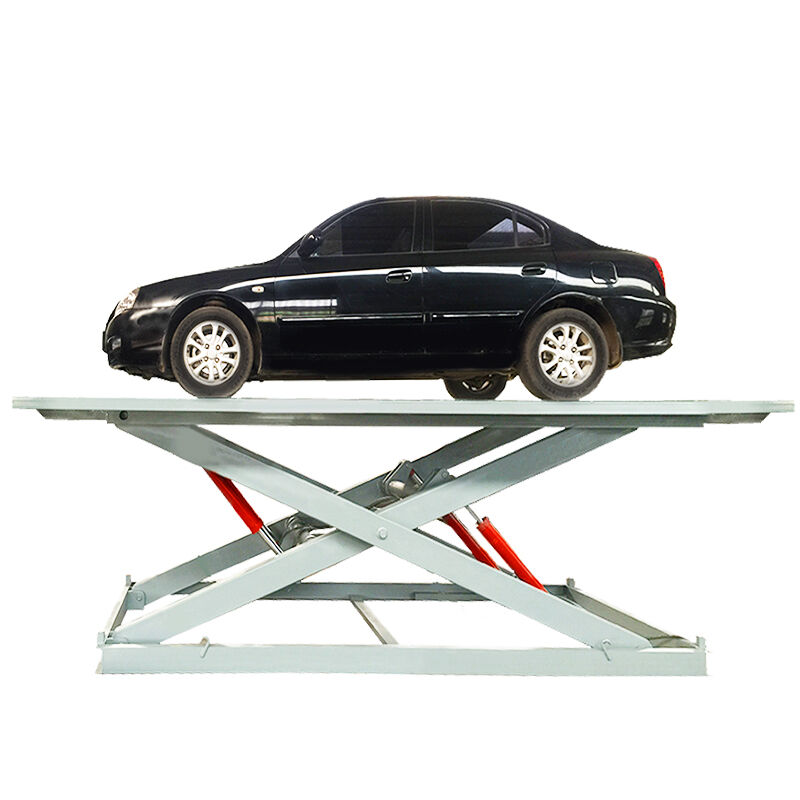
The exceptional adaptability of an industrial cargo lift stems from extensive customization options that allow businesses to configure systems that precisely match their operational requirements, building constraints, and future growth plans. Load capacity options range from moderate-duty applications handling several hundred pounds to heavy-industrial systems capable of lifting tens of thousands of pounds, ensuring that businesses can find appropriate solutions regardless of their material handling demands. Platform sizes can be customized to accommodate everything from small parts bins to large machinery, with options for standard rectangular platforms, specialized shapes for unique cargo requirements, and multi-level platforms for simultaneous transport of different materials. Lift height specifications are equally flexible, supporting everything from single-story applications to multi-level installations that serve buildings with numerous floors or extreme vertical distances. The drive system selection includes hydraulic options for smooth, precise control and heavy-load capacity, as well as mechanical systems for applications requiring different performance characteristics. Installation configurations accommodate diverse building layouts, including pit-mounted systems for flush floor installation, overhead-supported models for situations with limited pit space, and portable units for temporary or flexible applications. Speed control options allow businesses to optimize cycle times based on operational priorities, with faster speeds for time-sensitive applications and slower, more controlled movement for delicate cargo handling. Environmental considerations are addressed through weather-resistant designs for outdoor installations, explosion-proof configurations for hazardous environments, and cleanroom-compatible systems for sterile or controlled-atmosphere applications. Future expansion capabilities are built into many designs, allowing businesses to upgrade capacity, add automation features, or extend service to additional floors as their operations grow. Integration options enable seamless coordination with existing material handling systems, warehouse management software, and automated production equipment. These customization capabilities ensure that each industrial cargo lift installation delivers optimal performance while providing the flexibility to adapt to changing business needs and operational requirements over time.
Enhanced Operational Efficiency and Productivity Benefits

Enhanced Operational Efficiency and Productivity Benefits

The implementation of an industrial cargo lift creates measurable improvements in operational efficiency that extend far beyond simple material transportation, transforming entire workflow processes and enabling businesses to achieve higher productivity levels with existing resources. Time savings become immediately apparent as workers can transport substantially larger quantities of materials in a single lift cycle compared to manual carrying methods, effectively multiplying the material handling capacity of individual employees. This efficiency gain is particularly significant during peak operational periods when rapid material movement between floors becomes critical for maintaining production schedules and meeting customer delivery commitments. The consistent, reliable operation of an industrial cargo lift eliminates the variables and delays associated with manual material handling, creating predictable timing for material availability that supports more accurate production planning and scheduling. Inventory management benefits emerge as businesses gain faster, more convenient access to stored materials across multiple building levels, enabling more efficient stock rotation, reduced inventory carrying costs, and improved space utilization ratios. The system supports lean manufacturing principles by facilitating just-in-time material delivery to production areas, reducing work-in-process inventory and minimizing storage space requirements at individual workstations. Quality improvements result from the controlled, stable transportation environment that protects sensitive materials from damage, contamination, or degradation that might occur during manual handling or less controlled transportation methods. Worker productivity increases as employees can dedicate their time and energy to skilled tasks rather than basic material transportation, leading to better job satisfaction, reduced fatigue, and improved overall workforce efficiency. The ability to handle larger, heavier items that would be impossible or unsafe to transport manually opens up new operational possibilities and eliminates constraints that might otherwise limit business growth or product offerings. Reduced material handling bottlenecks enable smoother workflow continuity, preventing situations where production processes must wait for material availability or where workers must interrupt primary tasks to assist with material movement. These efficiency improvements compound over time, creating cumulative productivity gains that significantly impact business profitability and competitive positioning within the marketplace.

Get a Free Quote

Our representative will contact you soon.
Email
Mobile/WhatsApp
Name
Company Name
Message
0/1000