
Professional Lift for Goods Solutions - Industrial Freight Elevators & Material Handling Systems

Get a Free Quote

Our representative will contact you soon.
Email
Mobile/WhatsApp
Name
Company Name
Message
0/1000

lift for goods

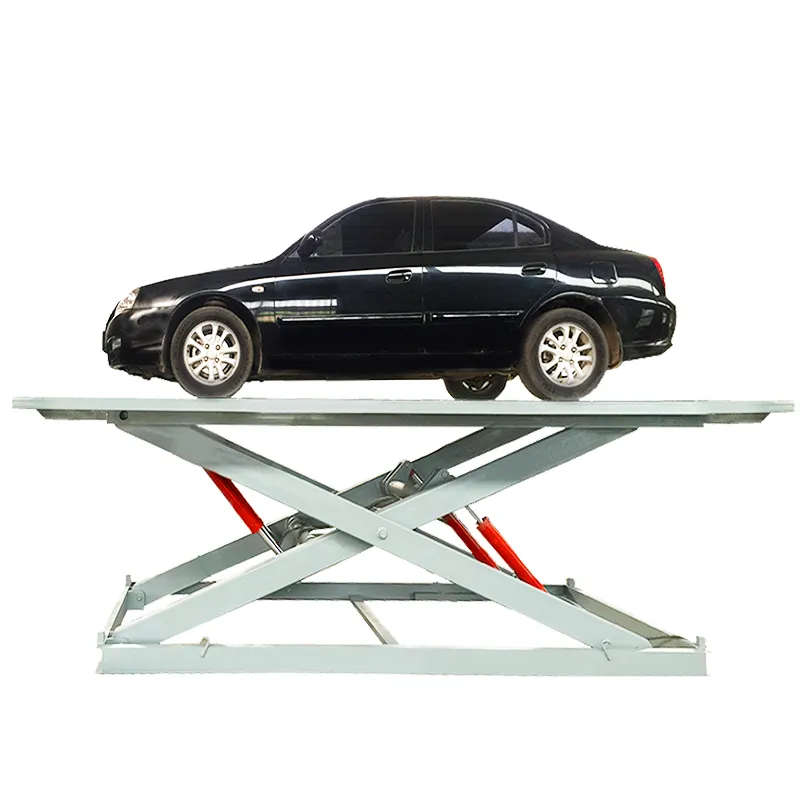
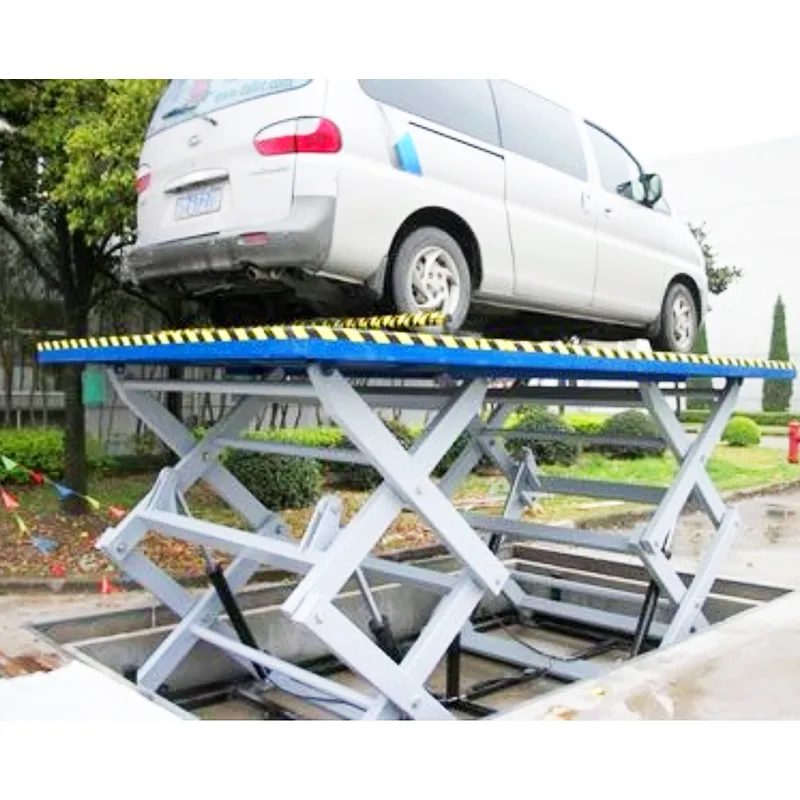
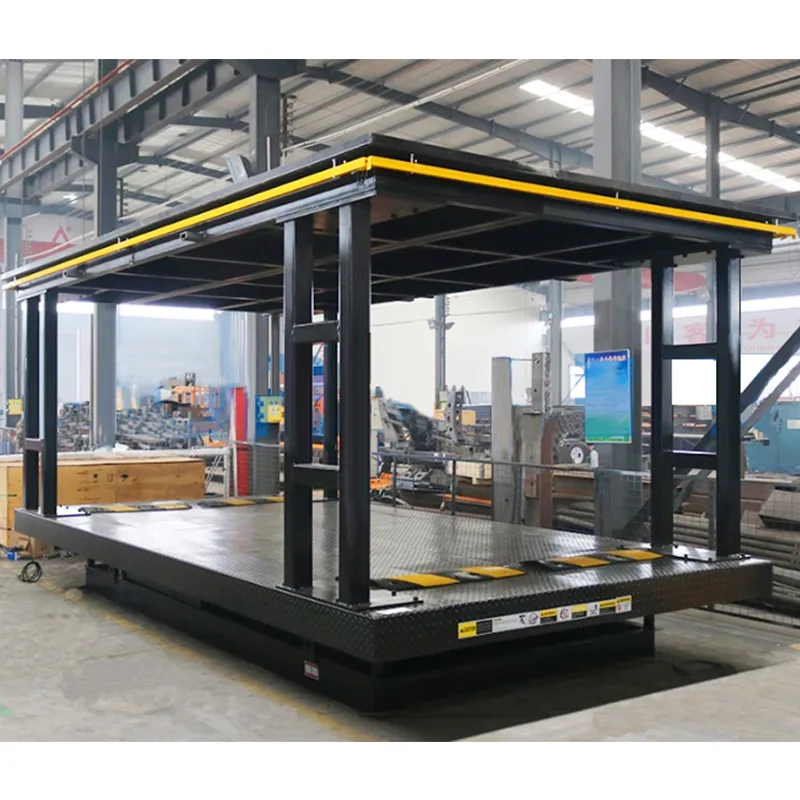
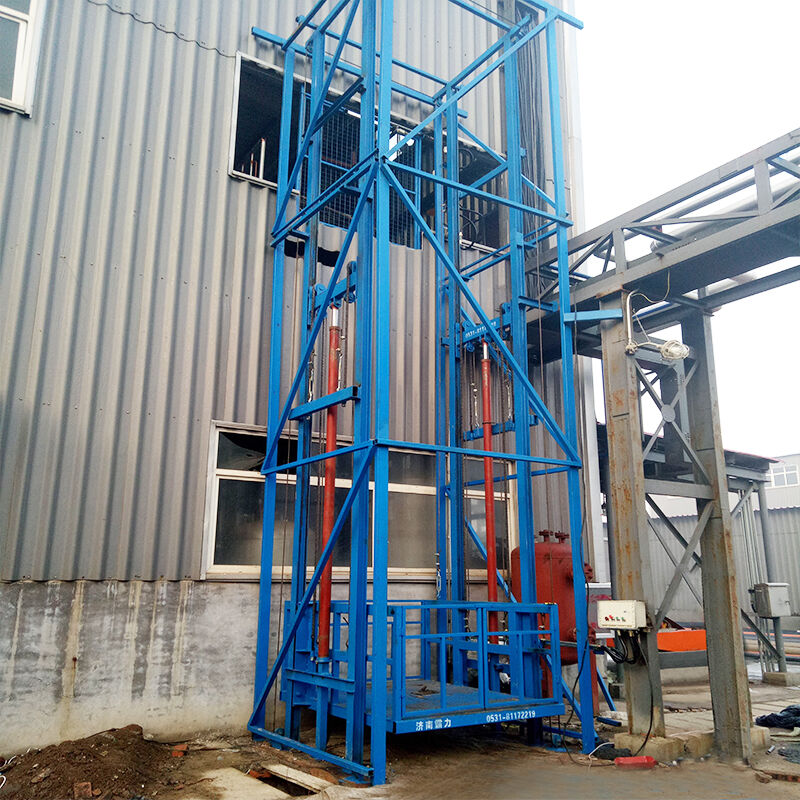
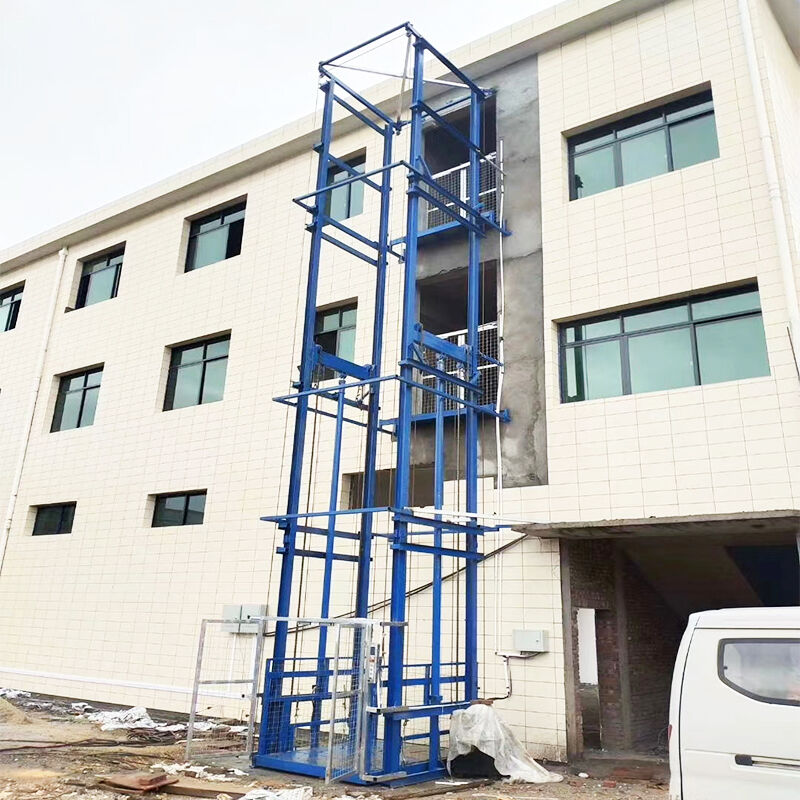
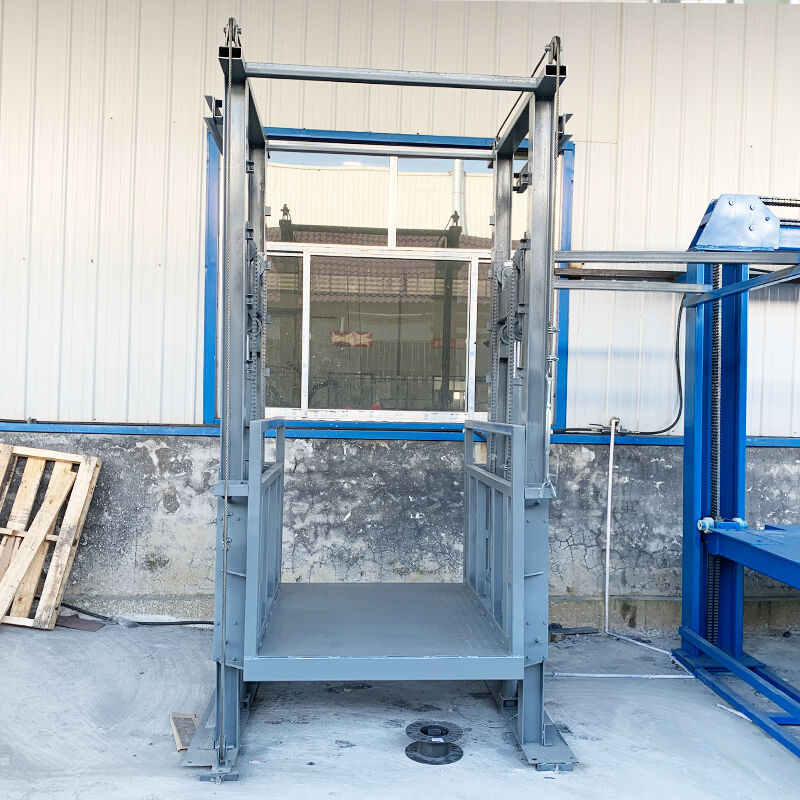
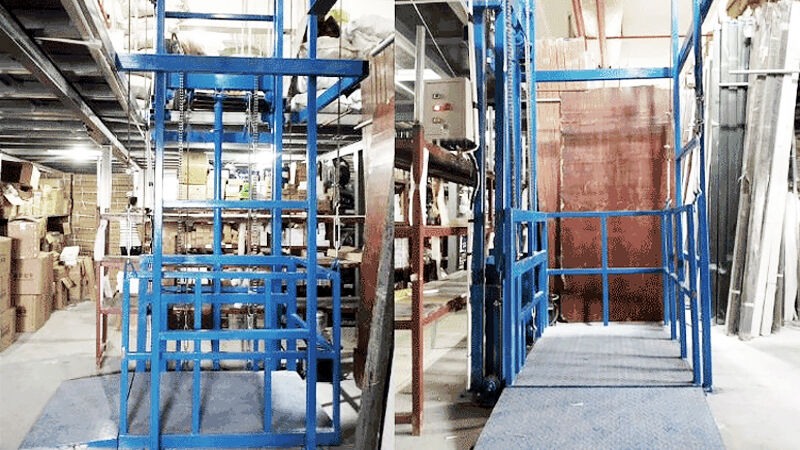
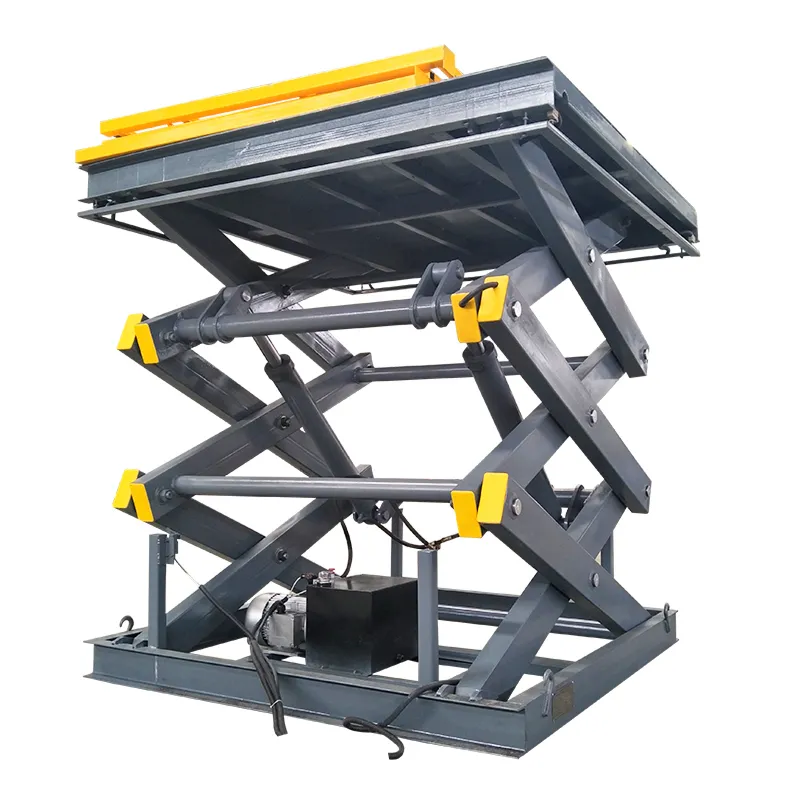
A lift for goods represents an essential vertical transportation solution designed specifically for moving materials, equipment, and products between different floor levels in commercial and industrial facilities. These specialized elevators serve as the backbone of efficient warehouse operations, manufacturing processes, and retail environments where manual transportation of heavy or bulky items would be impractical or impossible. Unlike passenger elevators, a lift for goods prioritizes durability, load capacity, and operational efficiency over comfort features. The primary function of a lift for goods centers on streamlining material handling workflows by eliminating the need for manual carrying or complex ramp systems. These systems significantly reduce labor costs while improving workplace safety by minimizing the risk of injury associated with heavy lifting and stair navigation. Modern lift for goods installations incorporate advanced control systems that allow operators to manage transportation schedules efficiently, ensuring smooth coordination between different departments or storage levels. The technological features of contemporary lift for goods systems include robust steel construction capable of handling substantial weight loads, precision control mechanisms for accurate floor positioning, and safety systems that prevent accidents during operation. Many models feature adjustable platform sizes to accommodate various cargo dimensions, while others include specialized fixtures for specific industries such as automotive parts handling or food service applications. Advanced models integrate smart technology that enables remote monitoring, predictive maintenance alerts, and energy-efficient operation modes. The applications for lift for goods span numerous industries including warehousing, manufacturing, retail, healthcare, hospitality, and construction. In warehouse environments, these systems facilitate rapid inventory movement between storage levels, while manufacturing facilities utilize them for transporting raw materials and finished products through production workflows. Retail establishments benefit from lift for goods by efficiently moving stock from storage areas to sales floors, and healthcare facilities rely on them for transporting medical supplies, equipment, and meal services throughout multi-story buildings.

New Product Recommendations

The advantages of implementing a lift for goods in your facility extend far beyond simple vertical transportation, offering transformative benefits that directly impact operational efficiency and bottom-line results. One of the most significant advantages lies in the dramatic reduction of labor costs and time investment required for material movement. Instead of employing multiple workers to manually transport goods via stairs or ramps, a single operator can efficiently move substantial quantities of materials using a lift for goods, freeing up human resources for more valuable tasks while completing transportation activities in a fraction of the time. Safety improvements represent another crucial advantage, as lift for goods systems eliminate the physical strain and injury risks associated with manual lifting and stair navigation. Workers no longer face the dangers of carrying heavy loads on stairs, reducing workplace accidents, insurance claims, and associated downtime costs. The enhanced safety profile also contributes to improved employee morale and retention rates. Productivity gains achieved through lift for goods installation are immediately measurable and sustainable. These systems enable faster inventory turnover, reduced handling time per item, and improved workflow coordination between different building levels. The consistent and reliable nature of mechanical transportation eliminates delays caused by worker fatigue or availability issues, ensuring predictable material flow throughout operational hours. Space optimization represents an often-overlooked advantage of lift for goods systems. By enabling efficient vertical transportation, these systems allow facilities to maximize their vertical storage capacity rather than expanding horizontally, which is particularly valuable in urban environments where real estate costs are premium. This vertical utilization strategy can significantly increase storage density without requiring additional floor space. Cost-effectiveness becomes apparent through multiple channels including reduced labor expenses, decreased injury-related costs, improved operational efficiency, and enhanced space utilization. While the initial investment in a lift for goods requires capital expenditure, the return on investment typically materializes quickly through operational savings and productivity improvements. Additionally, modern lift for goods systems are designed for longevity and reliability, providing decades of service with proper maintenance, making them excellent long-term investments. The flexibility offered by contemporary lift for goods systems allows businesses to adapt to changing operational requirements without major infrastructure modifications, ensuring continued relevance as business needs evolve.

Practical Tips

How Does an Industrial Lift Support High-Load Transportation Tasks?

10

Mar

How Does an Industrial Lift Support High-Load Transportation Tasks?

Industrial facilities across manufacturing, warehousing, and logistics sectors face constant challenges in moving heavy materials between different floor levels efficiently and safely. The mechanism by which an industrial lift handles high-load trans...
View More
Why Are Stationary Scissor Lifts Popular in Manufacturing Plants?

16

Mar

Why Are Stationary Scissor Lifts Popular in Manufacturing Plants?

Manufacturing plants worldwide have increasingly turned to stationary scissor lifts as essential equipment for their vertical material handling and access needs. These robust hydraulic platforms have become indispensable in modern industrial operatio...
View More
How Do Car Lifts for Home Garage Add Value to Real Estate Projects?

20

Mar

How Do Car Lifts for Home Garage Add Value to Real Estate Projects?

Car lifts for home garage installations have emerged as a premium feature that significantly enhances property value in today's competitive real estate market. These sophisticated automotive storage solutions transform ordinary residential garages in...
View More
What Are the Key Benefits of Installing a Goods Lift in Factories?

30

Mar

What Are the Key Benefits of Installing a Goods Lift in Factories?

In today’s highly competitive industrial environment, factories are under constant pressure to improve operational efficiency, reduce labor costs, and ensure workplace safety. One of the most practical solutions adopted by modern manufactu...
View More

Get a Free Quote

Our representative will contact you soon.
Email
Mobile/WhatsApp
Name
Company Name
Message
0/1000

lift for goods

Superior Load Capacity and Durability Engineering

Superior Load Capacity and Durability Engineering

The exceptional load capacity and robust engineering of modern lift for goods systems represent a fundamental advantage that sets these solutions apart from standard passenger elevators or manual transportation methods. Professional-grade lift for goods installations are engineered to handle substantial weight loads ranging from several hundred pounds to multiple tons, depending on the specific model and application requirements. This impressive capacity stems from reinforced steel construction, heavy-duty hydraulic or cable systems, and precision-engineered support structures that distribute weight evenly across the platform and building framework. The durability aspect extends beyond mere weight handling to encompass long-term operational reliability under demanding industrial conditions. These systems are built to withstand constant use, exposure to various environmental conditions, and the wear associated with frequent loading and unloading activities. The engineering excellence includes corrosion-resistant materials, sealed electrical components, and robust mechanical systems that maintain performance standards even in challenging environments such as food processing facilities, chemical plants, or outdoor installations. Advanced bearing systems and precision guides ensure smooth operation throughout the system's operational life, while reinforced platforms resist deformation under maximum load conditions. The superior construction quality directly translates to reduced maintenance requirements and extended service life, making lift for goods systems extremely cost-effective over their operational lifetime. Safety features integrated into the engineering design include emergency stop mechanisms, overload protection systems, and redundant safety cables that prevent accidents even under extreme conditions. The reliability of these systems ensures consistent material flow without unexpected downtime, which is crucial for maintaining operational schedules and meeting customer commitments. Furthermore, the engineering standards applied to lift for goods construction often exceed building codes and industry requirements, providing additional safety margins and peace of mind for facility operators and workers who rely on these systems daily.
Advanced Control Systems and Smart Technology Integration

Advanced Control Systems and Smart Technology Integration

The integration of advanced control systems and smart technology in contemporary lift for goods installations represents a significant technological leap that enhances operational efficiency, safety, and user experience. Modern control interfaces feature intuitive touchscreen displays that allow operators to easily select destinations, monitor system status, and access diagnostic information without requiring specialized training or technical expertise. These user-friendly interfaces can be customized to match specific operational workflows, including preset destination sequences for common material handling routes and automatic timing controls that optimize transportation schedules. Smart technology integration extends to remote monitoring capabilities that enable facility managers to track system performance, usage patterns, and maintenance requirements from any location with internet access. This connectivity allows for proactive maintenance scheduling based on actual usage data rather than arbitrary time intervals, reducing unexpected downtime and extending equipment life. Predictive analytics built into modern lift for goods systems can identify potential issues before they become critical problems, enabling maintenance teams to address concerns during planned downtime rather than emergency situations. The advanced control systems also incorporate sophisticated safety features including precision positioning sensors that ensure accurate floor alignment, automatic door controls that prevent premature operation, and integrated communication systems that allow operators to maintain contact with ground personnel during material transport activities. Energy efficiency represents another significant benefit of smart technology integration, with modern systems featuring variable-speed drives, LED lighting systems, and standby modes that minimize power consumption during idle periods. Some advanced models include regenerative braking systems that capture and reuse energy during descent operations, further reducing operational costs. Integration with existing facility management systems allows lift for goods operations to coordinate with inventory management software, scheduling systems, and security protocols, creating seamless workflow integration that maximizes operational efficiency while maintaining security and accountability standards throughout the material handling process.
Versatile Applications Across Multiple Industries

Versatile Applications Across Multiple Industries

The remarkable versatility of lift for goods systems across diverse industrial applications demonstrates their fundamental value as adaptable material handling solutions that can be customized to meet specific operational requirements in virtually any sector. In warehouse and distribution environments, lift for goods systems excel at facilitating rapid inventory movement between storage levels, enabling facilities to maximize vertical space utilization while maintaining efficient picking and packing operations. These systems can be configured with specialized platforms designed to accommodate standard pallet sizes, rolling carts, or custom containers, ensuring seamless integration with existing material handling equipment and procedures. Manufacturing facilities benefit tremendously from lift for goods installations that transport raw materials, work-in-progress items, and finished products through multi-level production workflows. The ability to move heavy machinery components, chemical containers, or delicate finished goods safely between production floors eliminates bottlenecks and maintains consistent manufacturing flow rates. Customization options include explosion-proof components for chemical processing environments, food-grade materials for pharmaceutical or food manufacturing, and specialized platforms designed to handle specific product dimensions or weights. Healthcare facilities represent another significant application area where lift for goods systems provide essential services including meal delivery to patient floors, transportation of medical equipment and supplies, and movement of laundry and waste materials. Hospital-grade systems feature hygienic surfaces, quiet operation to minimize patient disturbance, and specialized controls that accommodate the unique workflow patterns of healthcare environments. Retail establishments utilize lift for goods to efficiently move inventory from basement or upper-level storage areas to sales floors, enabling rapid restocking and seasonal merchandise changes without disrupting customer areas. The hospitality industry relies on these systems for food service operations, housekeeping supply distribution, and event setup activities that require moving substantial quantities of materials between different building levels. Construction and renovation projects benefit from temporary lift for goods installations that facilitate material transport to upper floors before permanent elevator systems are operational, improving project efficiency and worker safety while reducing manual labor requirements throughout the construction process.

Get a Free Quote

Our representative will contact you soon.
Email
Mobile/WhatsApp
Name
Company Name
Message
0/1000