
Flexible Installation and Space Optimization
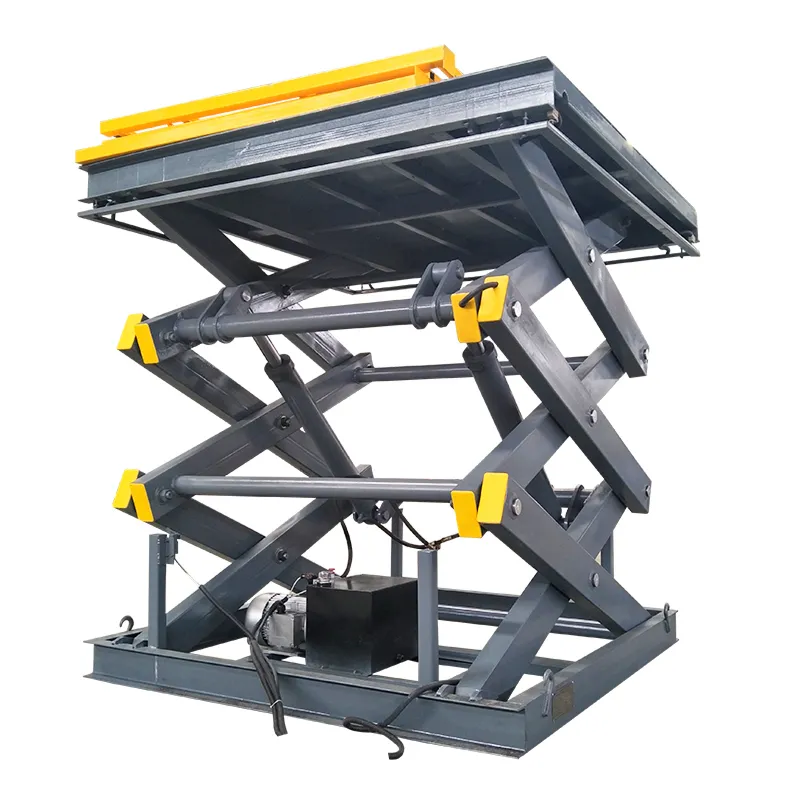
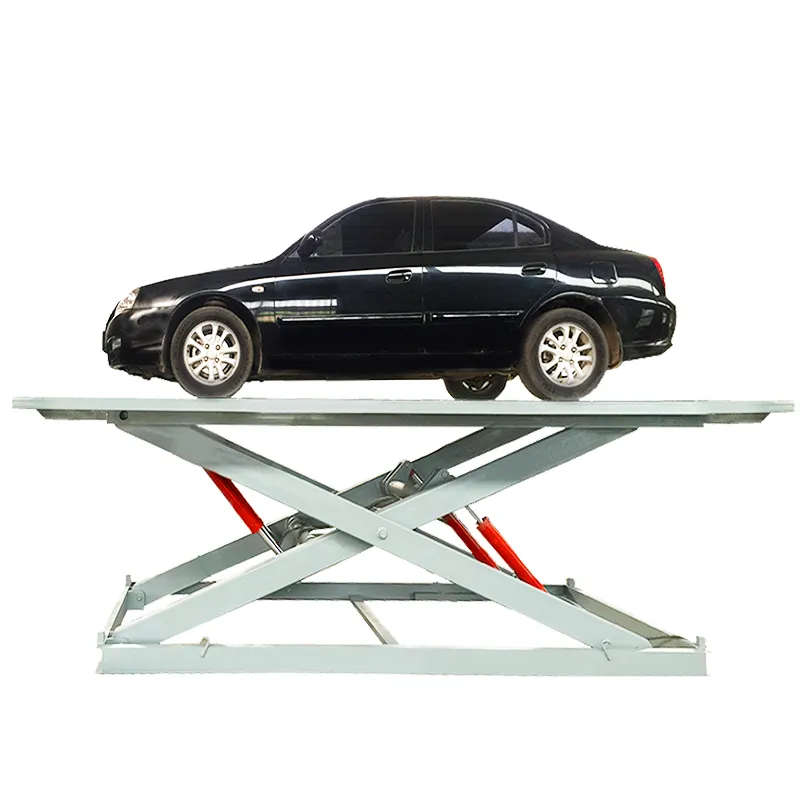
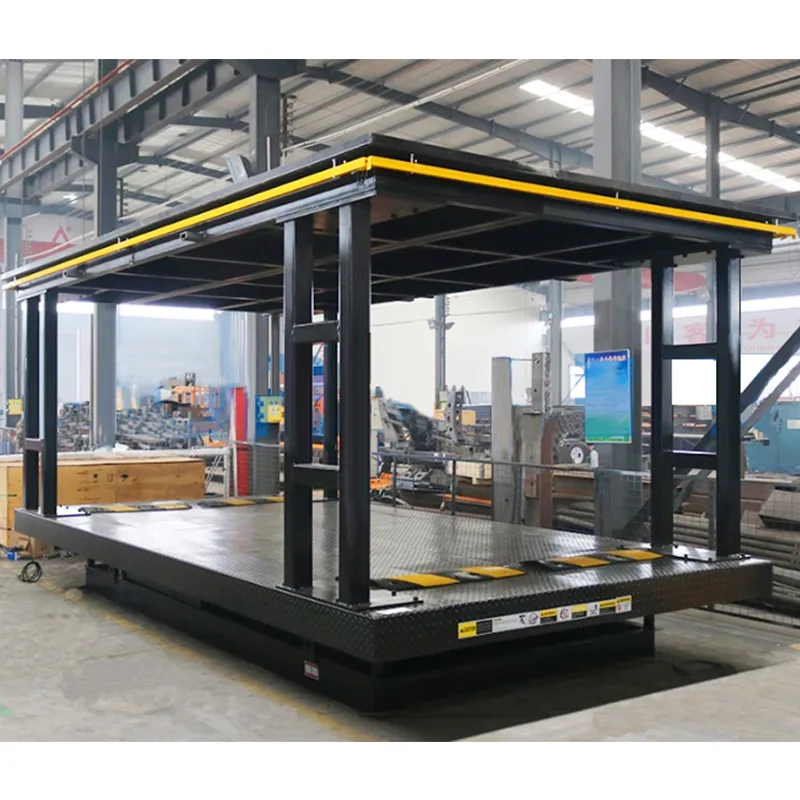
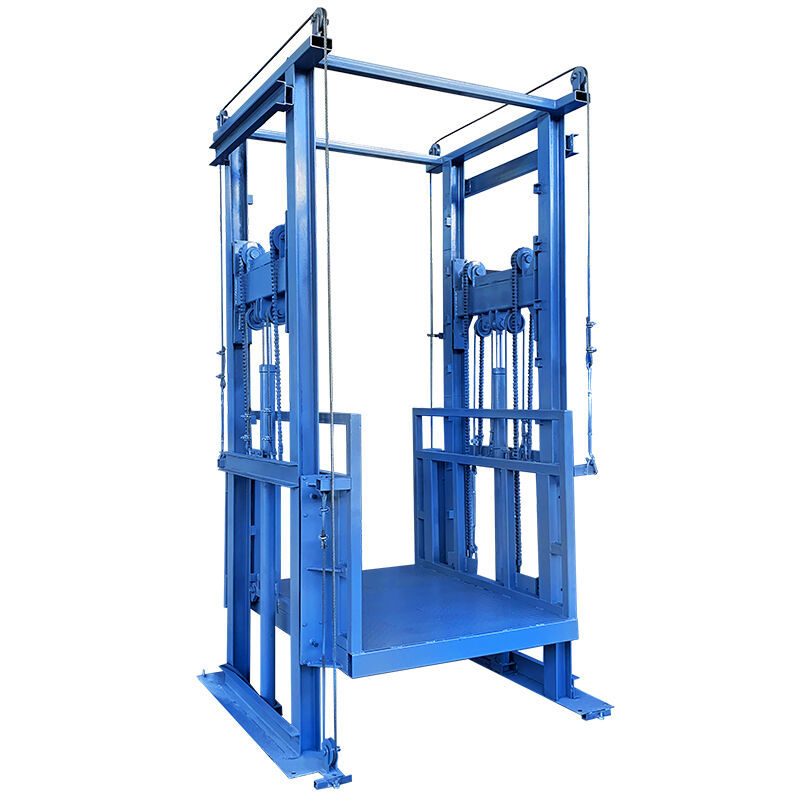
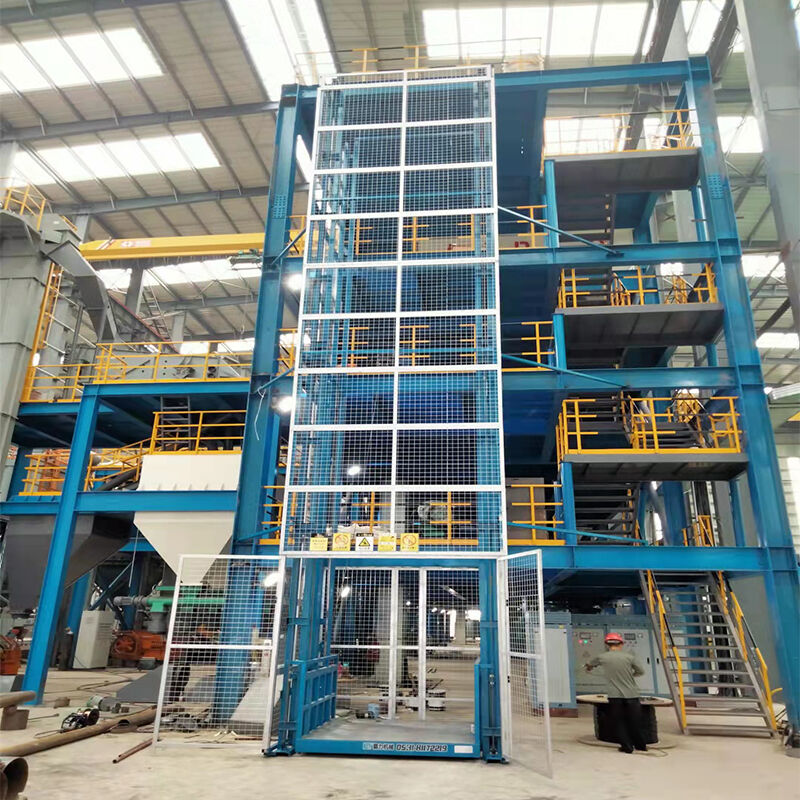
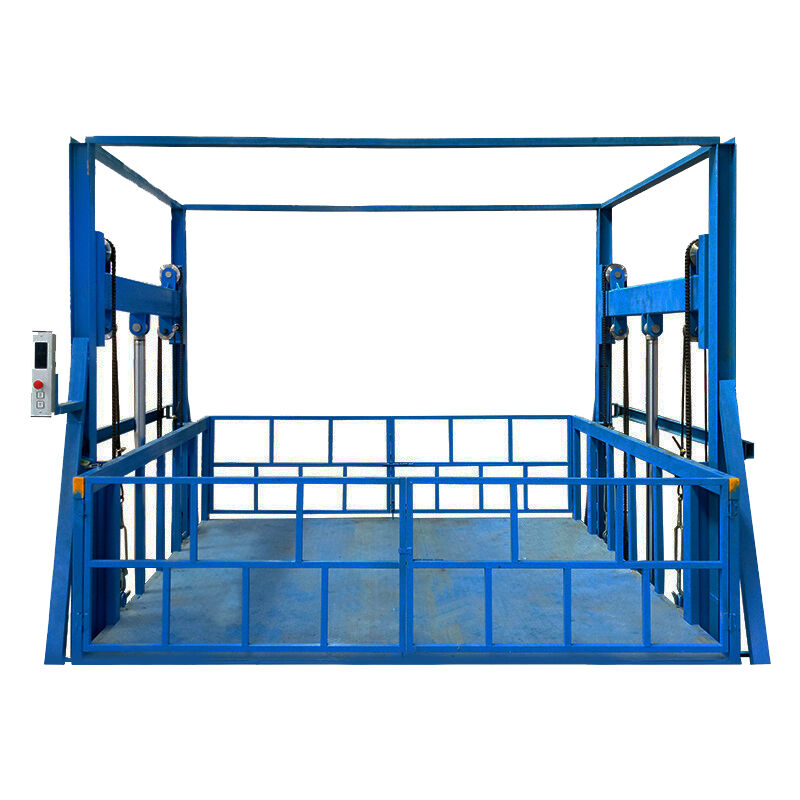
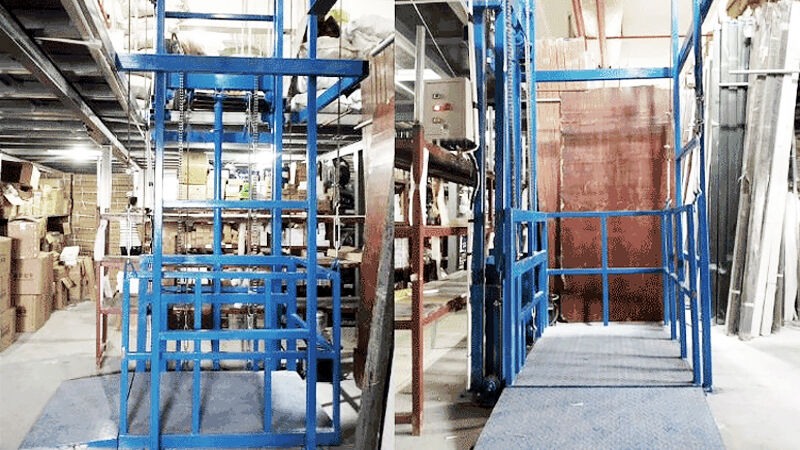
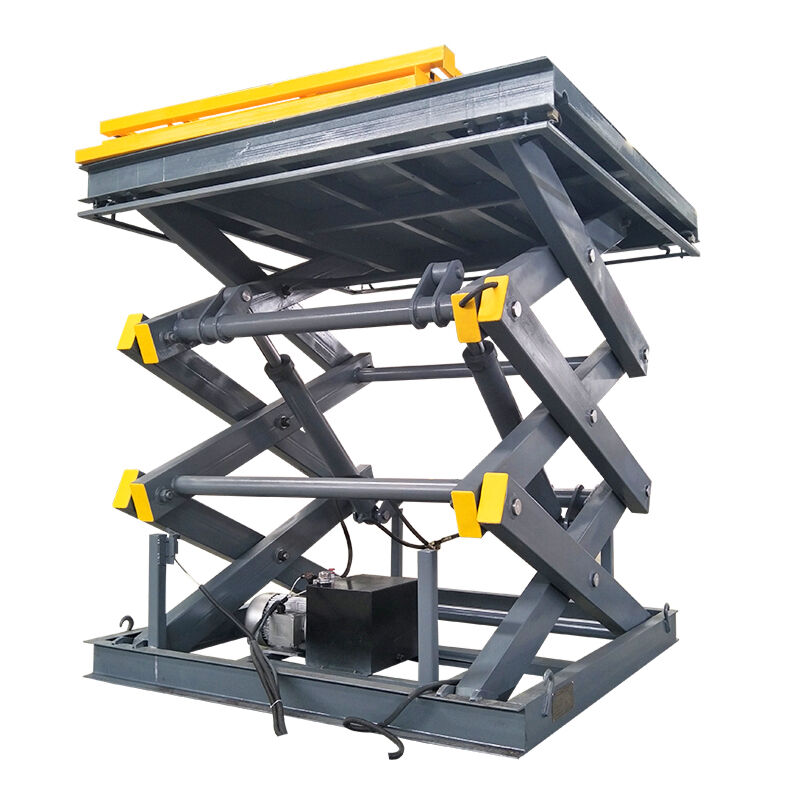
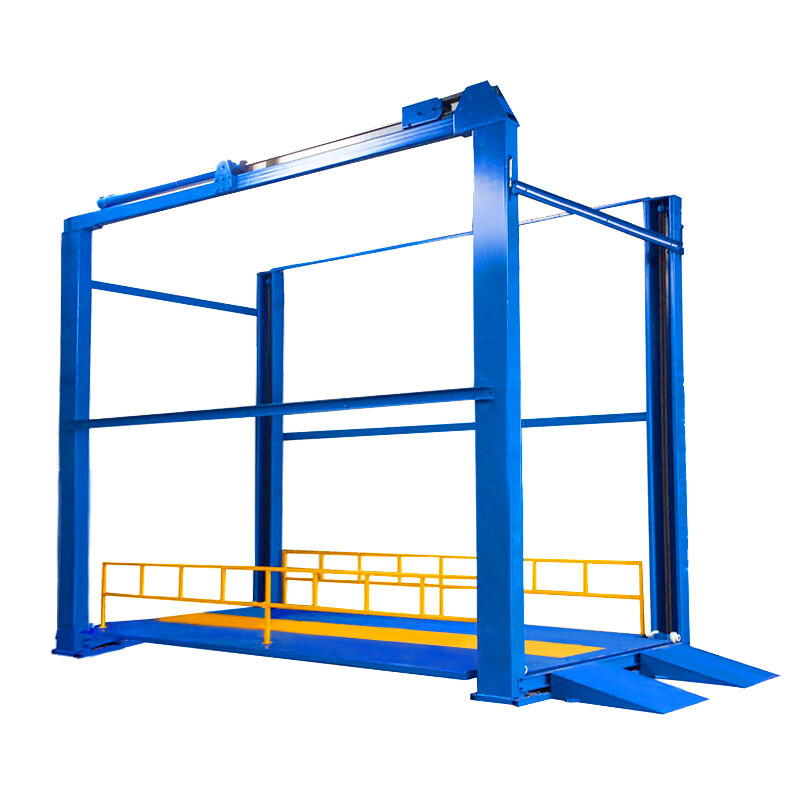
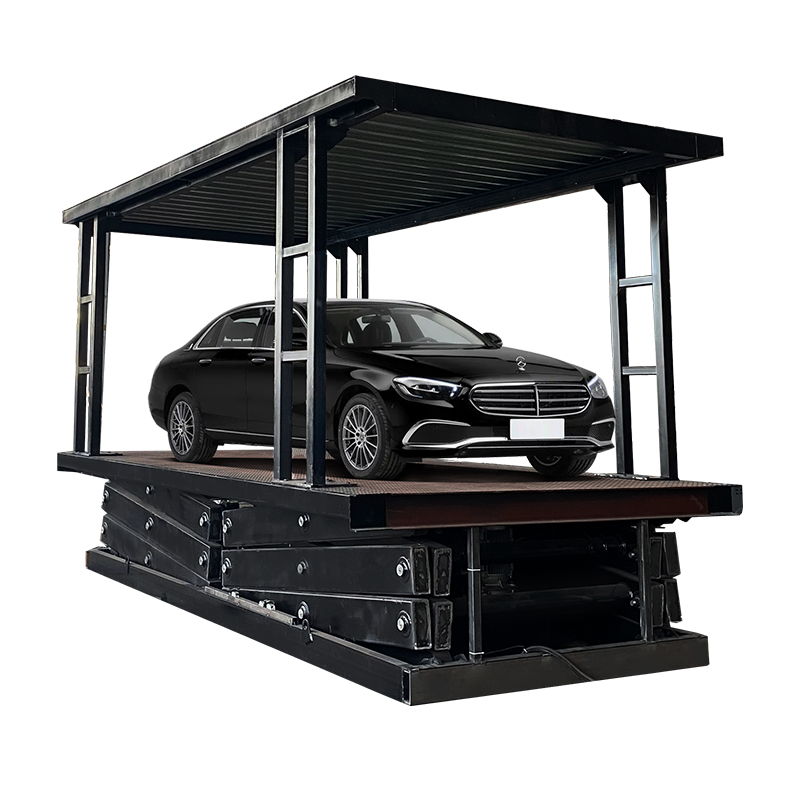
The residential freight elevator offers remarkable installation flexibility that accommodates diverse architectural layouts and spatial constraints found in residential properties. Unlike commercial freight elevators that require substantial structural modifications, residential models adapt to existing building configurations with minimal invasive construction. Compact design options allow installation in spaces as small as 6 feet by 8 feet, making the residential freight elevator viable for homes where space efficiency is paramount. Hydraulic drive systems eliminate the need for overhead machine rooms, reducing structural requirements and simplifying installation in existing buildings. The residential freight elevator can integrate into various locations including garages, utility areas, or dedicated shafts without compromising the home's aesthetic appeal or functional layout. Pit requirements remain minimal, often requiring excavation of just 4 to 6 inches below the lowest floor level, significantly reducing construction complexity and costs. Shaft construction utilizes standard building materials and techniques, allowing local contractors to complete installations without specialized elevator construction expertise. The residential freight elevator accommodates different travel distances, from simple two-story installations to multi-level systems serving three or more floors. Loading configurations include single or multiple entrances, allowing the elevator to serve different areas of the home efficiently. Door options range from manual swing doors to automatic sliding systems, depending on usage patterns and accessibility requirements. Control placement flexibility ensures convenient operation from multiple locations while maintaining security through key-operated or coded access systems. The residential freight elevator installation process typically completes within one to two weeks, minimizing disruption to household routines. Post-installation modifications remain possible, allowing homeowners to add stops, upgrade controls, or modify cab features as needs evolve. Integration with home automation systems enables remote monitoring and operation, while emergency communication systems ensure safety during any operational issues. The residential freight elevator design philosophy prioritizes adaptability, ensuring these systems enhance rather than constrain residential living spaces.