Kelenturan Aplikasi yang Versa
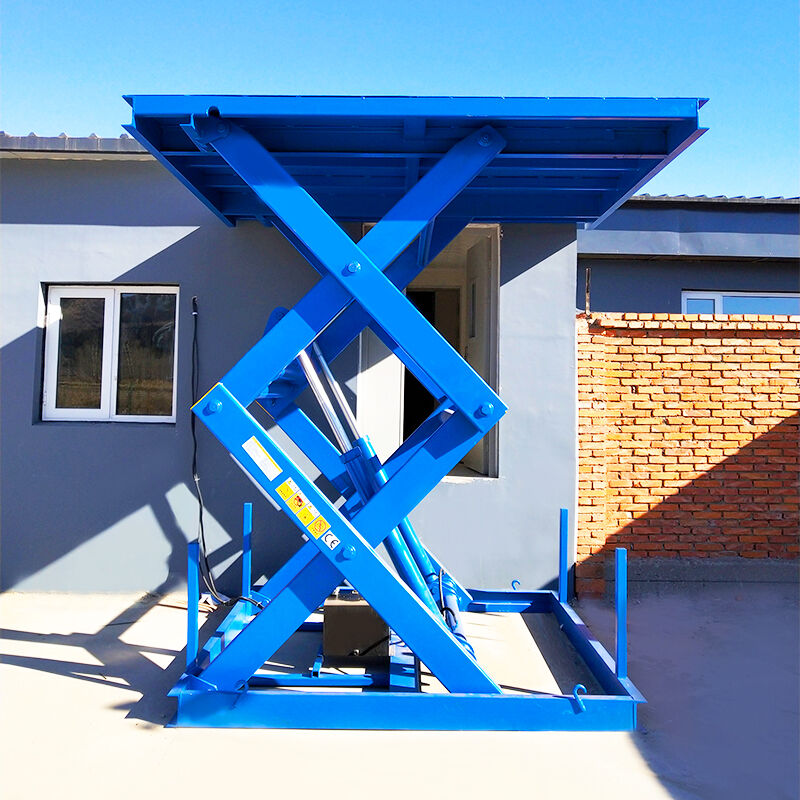
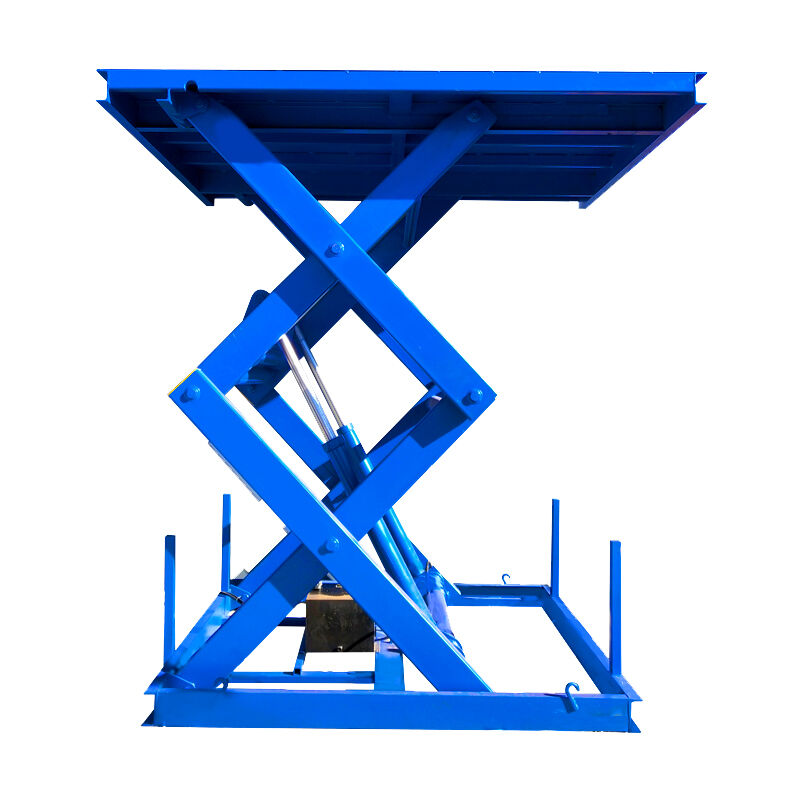
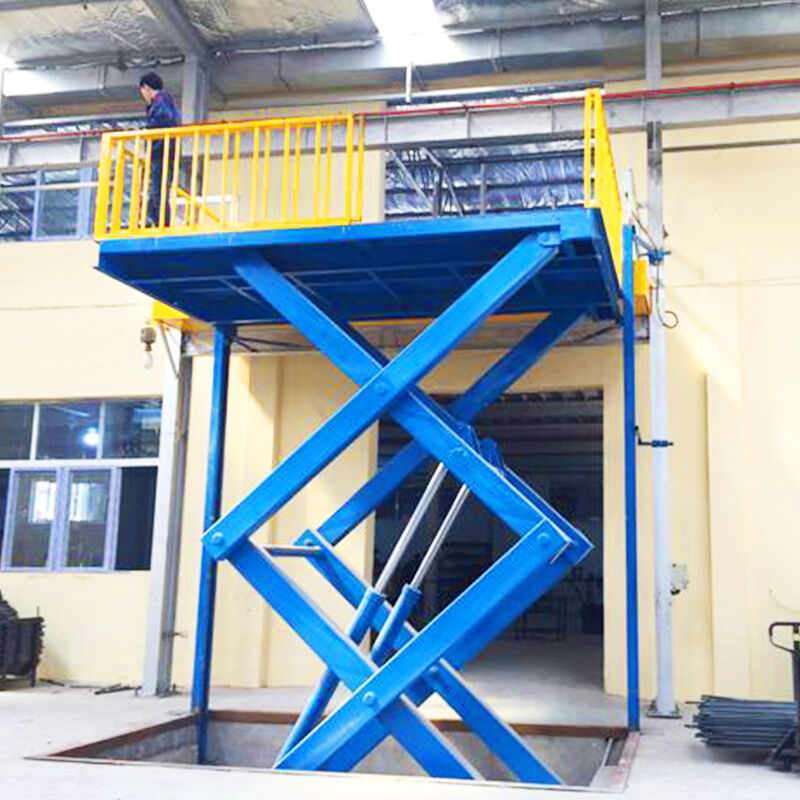
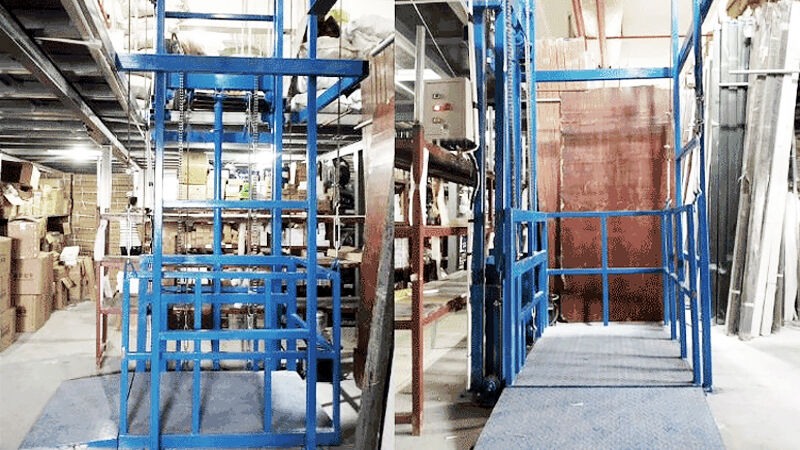
Fleksibilitas aplikasi yang luar biasa dari sistem kerekan listrik industri memungkinkan integrasi tanpa hambatan di berbagai skenario penanganan material, mulai dari operasi perakitan presisi hingga proyek konstruksi berat. Versatilitas ini berasal dari rentang kapasitas yang komprehensif—mulai dari model ringan yang mampu mengangkat ratusan pound hingga sistem berat yang mampu mengangkat beberapa ton dengan presisi dan keandalan yang sama. Pendekatan desain modular memungkinkan penyesuaian konfigurasi, termasuk ketinggian angkat, sistem troli, dan antarmuka pengendali yang disesuaikan dengan kebutuhan operasional spesifik tanpa mengorbankan kinerja maupun standar keselamatan. Berbagai pilihan pemasangan—meliputi pemasangan di atas rel (top-running), di bawah rel (under-running), serta pemasangan stasioner—menyediakan solusi bagi fasilitas dengan konfigurasi struktural dan batasan ruang yang berbeda-beda. Kerekan listrik industri mampu beradaptasi dengan aplikasi khusus melalui aksesori opsional seperti kait berputar, pengangkat magnetik, lampiran vakum, serta perangkat rigging khusus yang dirancang untuk jenis beban tertentu. Variasi kecepatan menyesuaikan kebutuhan operasional yang beragam—mulai dari transportasi material berkecepatan tinggi hingga persyaratan posisioning presisi dalam proses perakitan. Fleksibilitas sistem pengendali mendukung berbagai mode operasional, termasuk pengendali manual berupa pendant, operasi jarak jauh nirkabel, serta siklus terprogram otomatis yang terintegrasi dengan sistem manajemen fasilitas. Adaptabilitas lingkungan menjamin operasi andal dalam kondisi ekstrem suhu, atmosfer korosif, lingkungan ledakan, dan instalasi di luar ruangan melalui tingkat proteksi yang sesuai serta pemilihan komponen khusus. Kerekan listrik industri beroperasi secara efektif di pabrik manufaktur, gudang, galangan kapal, pembangkit listrik, pengecoran logam, dan lokasi konstruksi—dengan tingkat kecakapan yang setara di seluruh lingkungan operasional yang beragam tersebut. Kemampuan integrasi mencakup kompatibilitas dengan sistem derek yang sudah ada, jaringan konveyor, serta jalur produksi otomatis tanpa memerlukan modifikasi luas terhadap infrastruktur yang telah terpasang. Sifat skalabel sistem-sistem ini memungkinkan ekspansi atau rekonfigurasi di masa depan seiring perkembangan kebutuhan operasional, sehingga melindungi investasi peralatan sekaligus mempertahankan fleksibilitas operasional di tengah perubahan kebutuhan bisnis dan tuntutan produksi.
 EN
EN