lift platform vertikal industri
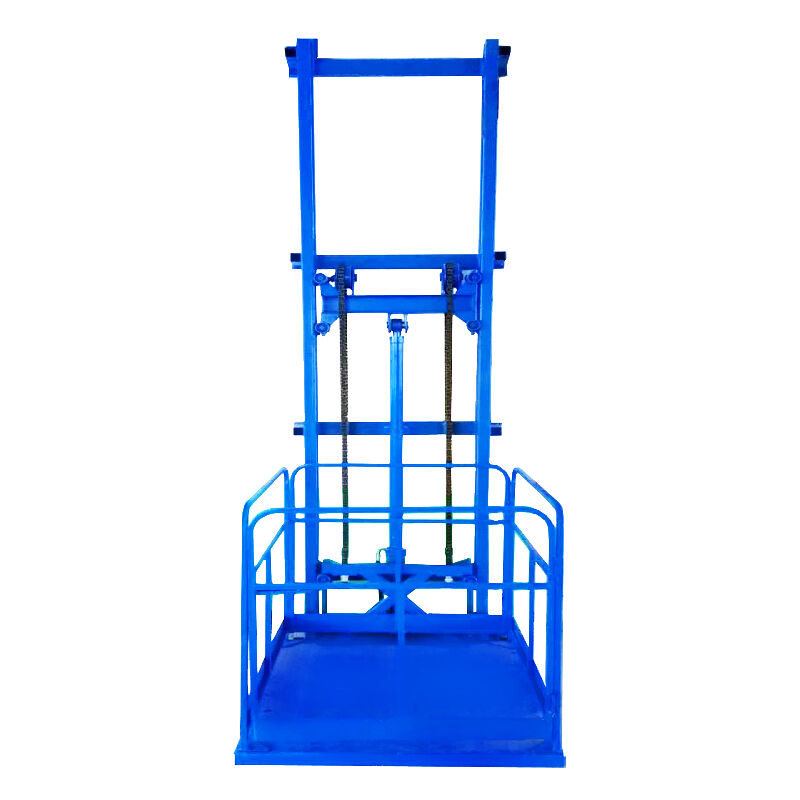
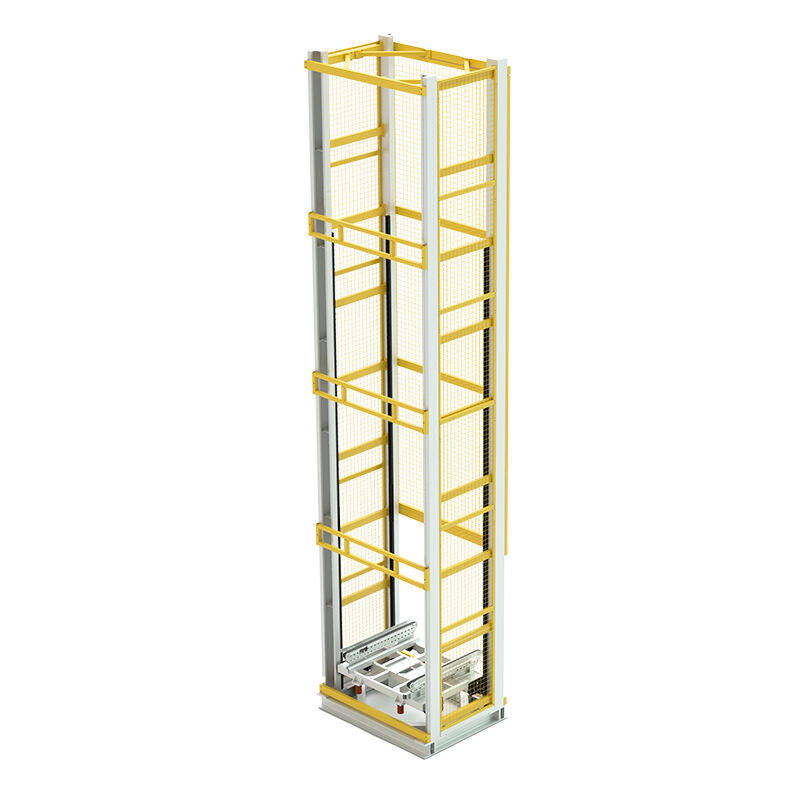
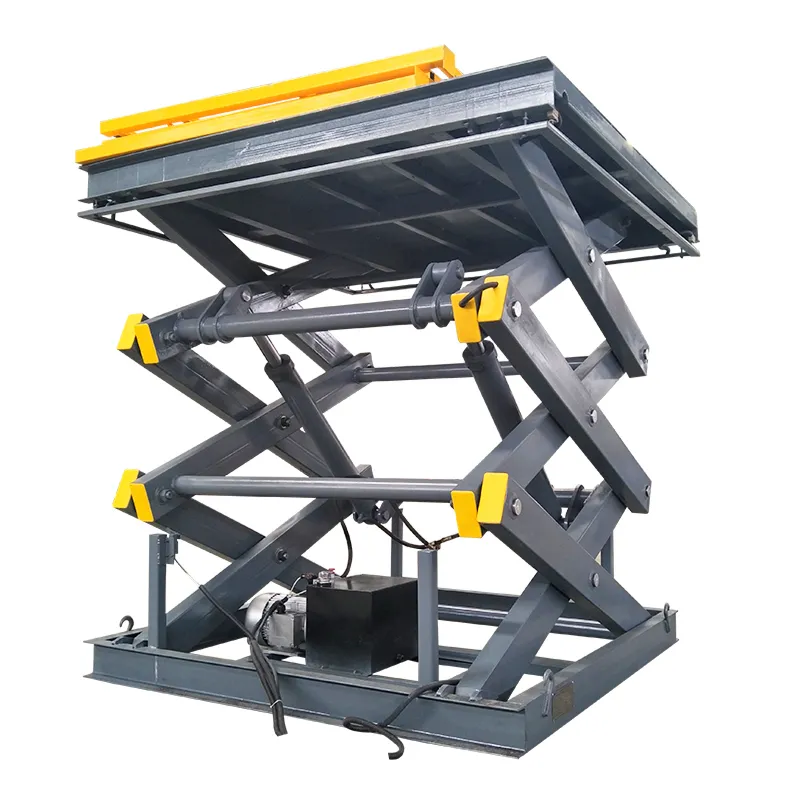
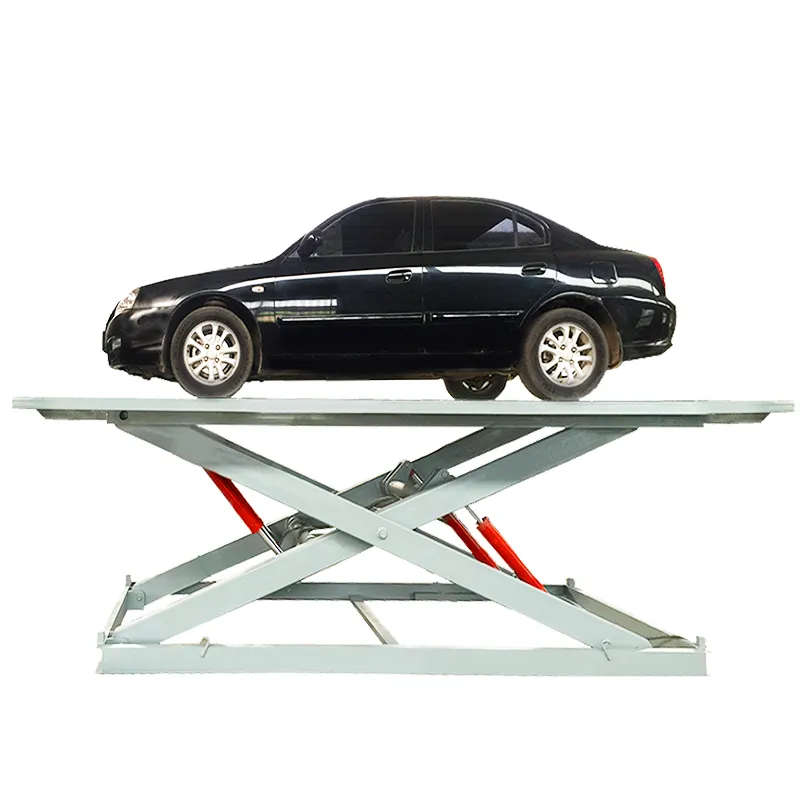
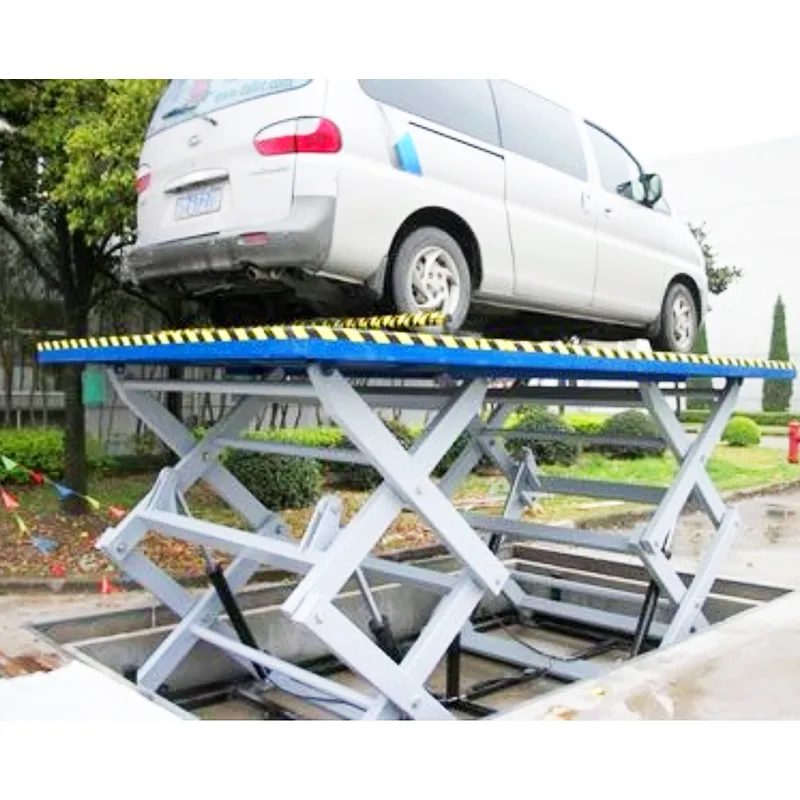
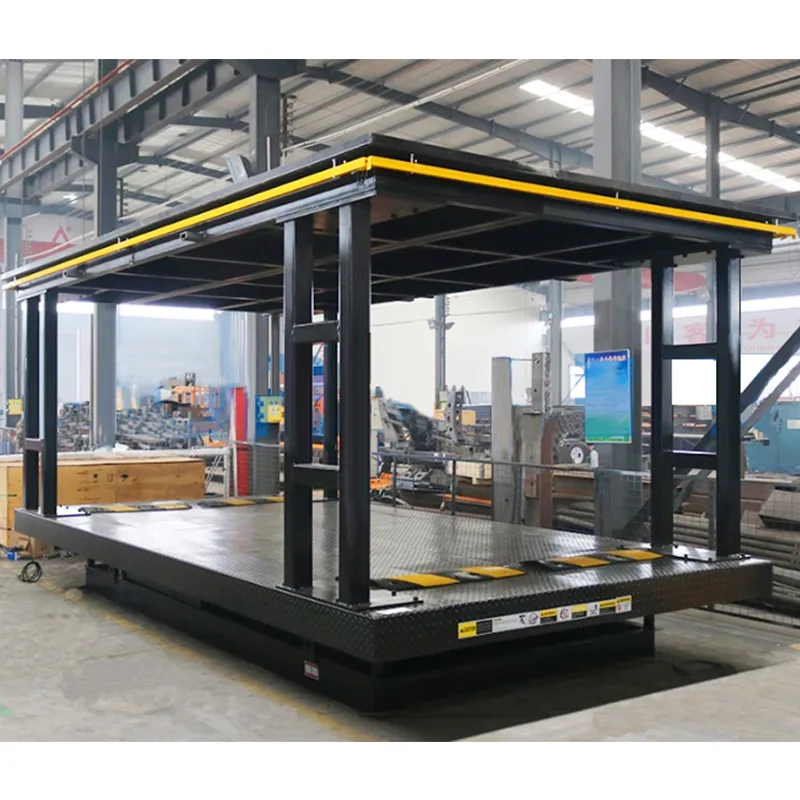
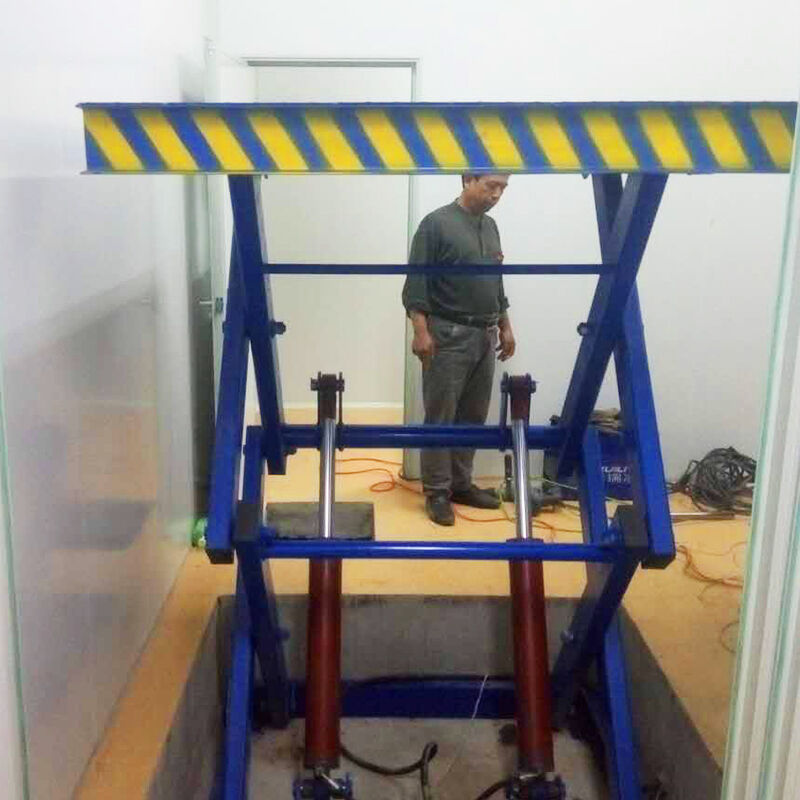
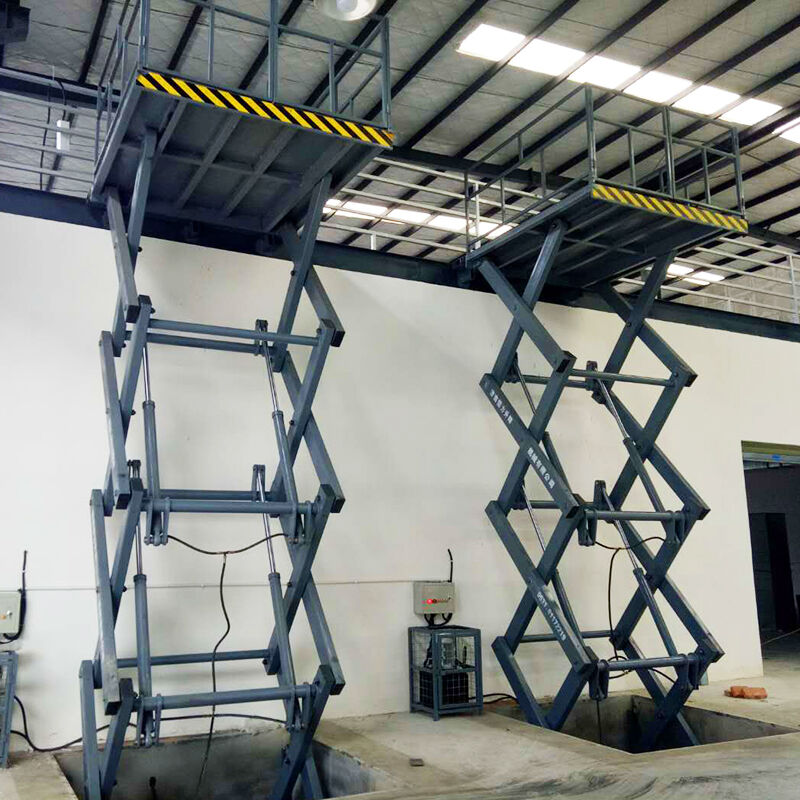
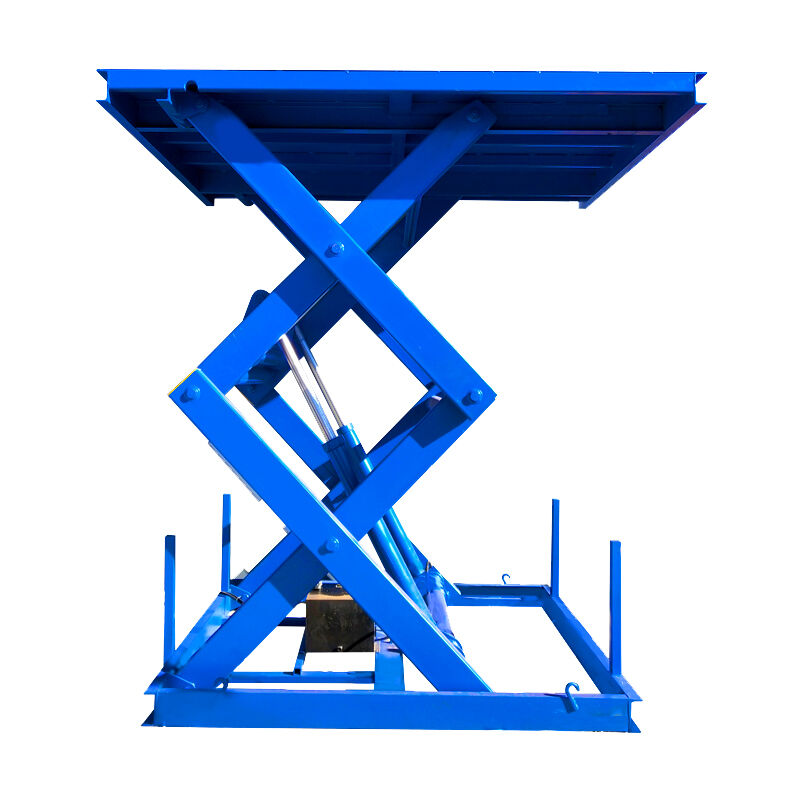
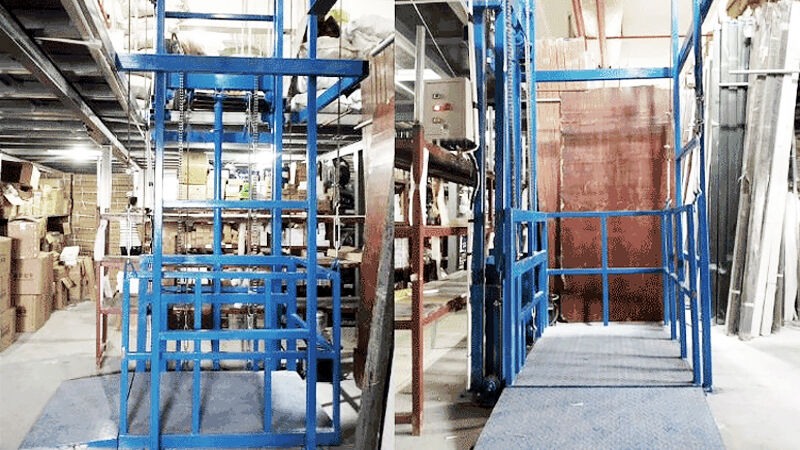
Lift platform vertikal industri merupakan solusi penanganan material canggih yang dirancang untuk mengangkut barang dan personel antar beberapa tingkat lantai di lingkungan komersial dan industri. Sistem mekanis yang kokoh ini beroperasi pada sumbu vertikal, memanfaatkan mekanisme penggerak hidrolik atau listrik guna menyediakan kemampuan pengangkatan yang andal di gudang, pabrik manufaktur, pusat distribusi, serta fasilitas bertingkat. Berbeda dengan sistem konveyor konvensional atau metode pengangkutan material secara manual, lift platform vertikal industri menawarkan kontrol posisi yang presisi dan kapasitas beban luar biasa. Sistem ini memiliki konstruksi baja tahan beban berat dengan lantai platform yang diperkuat, mampu menopang beban berat mulai dari beberapa ratus pound hingga beberapa ton, tergantung pada konfigurasi model tertentu. Mekanisme keselamatan canggih terintegrasi secara mulus ke dalam desain, termasuk tombol berhenti darurat, gerbang pengaman, saklar batas, serta sistem perlindungan kelebihan beban yang menjamin operasi aman selama setiap siklus pengangkatan. Lift platform vertikal industri dilengkapi panel kontrol canggih dengan antarmuka intuitif, memungkinkan operator memilih lantai tujuan secara presisi serta memantau status sistem secara waktu nyata. Instalasi modern sering kali mencakup pengendali logika terprogram (PLC) yang memungkinkan urutan operasi otomatis, sehingga mengurangi ketergantungan pada intervensi manual dan meningkatkan efisiensi keseluruhan. Dimensi platform dapat disesuaikan untuk menampung berbagai ukuran dan bentuk kargo, mulai dari barang berpalet hingga komponen peralatan berukuran besar. Komponen tahan cuaca dan pelindung terpasang membuat sistem ini cocok untuk instalasi di dalam maupun di luar ruangan, sehingga memperluas fleksibilitasnya di berbagai aplikasi industri. Lift platform vertikal industri umumnya memerlukan ruang lantai minimal dibandingkan dengan landai konvensional atau konveyor miring, menjadikannya solusi ideal bagi fasilitas dengan keterbatasan ruang. Prosedur pemasangan melibatkan sistem penambat yang kokoh serta persyaratan dukungan struktural guna memastikan stabilitas jangka panjang dan keandalan operasional sepanjang masa pakai peralatan.
 EN
EN