EN
EN


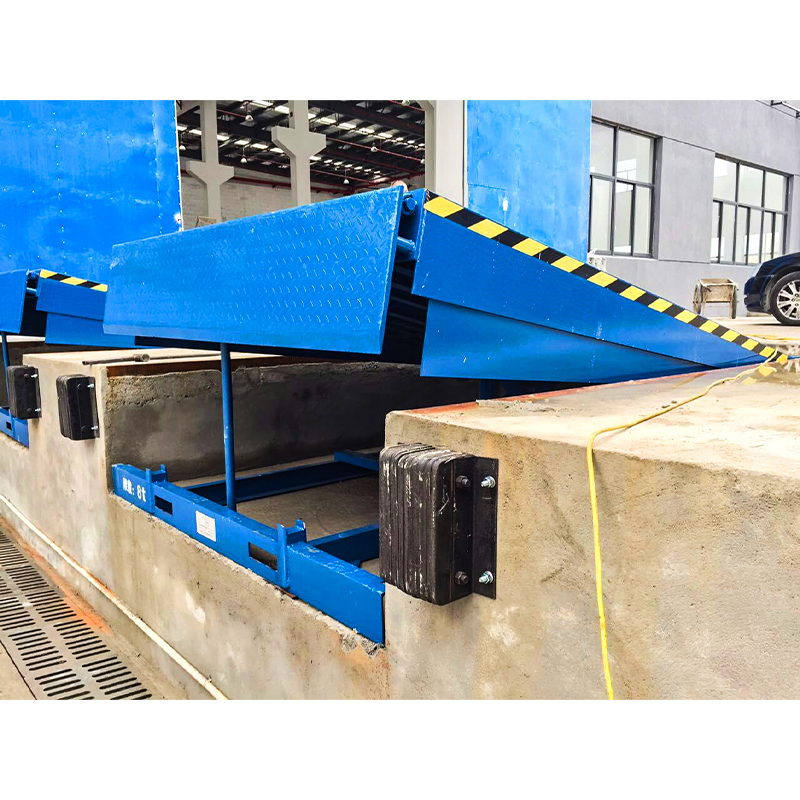
Memilih yang betul penyeimbang Dermaga untuk gudang anda merupakan keputusan penting yang secara langsung memberi kesan terhadap keselamatan proses memuat, kecekapan operasi, dan pengurusan kos jangka panjang. Sebuah penyeimbang Dermaga menutup jurang antara bakul lori dan lantai gudang, membolehkan pemindahan barang secara lancar sambil melindungi pekerja dan kargo. Namun, tidak semua pengarap dok adalah sama, dan memilih jenis yang salah boleh menyebabkan risiko keselamatan, kerosakan peralatan, peningkatan masa lapang, serta perbelanjaan penyelenggaraan yang tidak perlu. Memahami keperluan dok gudang anda adalah penting sebelum melabur dalam penyelesaian pengarap dok.
Proses memilih pelaras dok melibatkan penilaian terhadap beberapa faktor, termasuk kekerapan penggunaan dok, jenis kenderaan, keperluan kapasiti berat, ruang yang tersedia, dan batasan bajet. Panduan komprehensif ini akan membimbing anda melalui pertimbangan penting untuk memilih pelaras dok yang selaras sempurna dengan operasi gudang anda, memastikan anda membuat keputusan yang berinformasi untuk meningkatkan keselamatan dan produktiviti.
Memahami Keperluan Pelaras Dok Anda
Menilai Aktiviti dan Kekerapan Penggunaan Dok Harian
Sebelum memilih pelaras dok, anda perlu menilai seberapa intensif operasi dok anda. Pusat pengedaran berisipadu tinggi yang memproses ratusan trak setiap hari memerlukan pelaras dok tugas-berat yang direka untuk penggunaan berterusan, manakala gudang yang lebih kecil dengan penghantaran yang jarang boleh menggunakan model yang lebih asas. Kekerapan penggunaan pelaras dok secara langsung memberi kesan kepada kerosakan komponen mekanikal, sistem hidraulik, dan elemen struktural. Memahami aktiviti harian dok anda membantu anda memilih pelaras dok dengan kadar ketahanan dan selang penyelenggaraan yang sesuai dengan tuntutan operasi anda.
Mengenal Pasti Jenis Kenderaan dan Corak Pengisian
Kenderaan yang berbeza mencipta tuntutan yang berbeza terhadap sistem pelaras dok anda. Trak separuh, trak kotak, van penghantaran, dan forklift mempunyai taburan berat dan ketinggian platform yang berbeza. Pelaras dok yang boleh dipercayai mesti mampu menampung pelbagai jenis kenderaan yang biasanya tiba di kemudahan anda. Pertimbangkan sama ada anda kebanyakannya menerima troli penuh saiz, kenderaan penghantaran kecil, atau campuran pelbagai kaedah pengangkutan. Penilaian ini secara langsung mempengaruhi model pelaras dok yang akan memberikan prestasi yang selamat dan konsisten dalam senario pemuatan biasa anda.
Spesifikasi Teknikal Utama untuk Pemilihan Pelaras Dok
Kapasiti Berat dan Keperluan Beban
Kapasiti berat mungkin merupakan spesifikasi paling kritikal apabila memilih pelaras dok untuk gudang anda. Pelaras dok anda mesti dapat menyokong dengan selamat bukan sahaja pekerja yang berada di dok tetapi juga palet yang dimuat, troli tangan, dan peralatan yang dipindahkan antara kenderaan dan lantai gudang. Kebanyakan pelaras dok industri mempunyai kapasiti antara 10,000 hingga 15,000 paun, walaupun model tugas berat boleh melebihi spesifikasi ini. Kira beban maksimum yang dijangkakan dengan mempertimbangkan berat penghantaran paling berat anda ditambah berat peralatan pengendalian bahan yang biasa digunakan di dok. Memilih pelaras dok dengan kapasiti yang tidak mencukupi menimbulkan risiko keselamatan yang serius dan mempercepatkan kegagalan komponen.
Ketinggian Platform dan Julat Penyesuaian
Pengaras dok mesti menghubungkan jurang menegak antara dok gudang tetap anda dan kenderaan dengan ketinggian platform kargo yang berbeza. Ketinggian katil trailer biasanya berada dalam julat 48 hingga 52 inci dari permukaan tanah, tetapi ini boleh berbeza secara ketara bergantung pada jenis kenderaan, berat muatan, dan keadaan sistem suspensi. Pengaras dok yang anda pilih harus mampu menampung keseluruhan julat ketinggian yang dihadapi di kemudahan anda. Ramai pengaras dok moden menawarkan julat pelarasan sebanyak 24 inci atau lebih untuk mengendali variabiliti ini. Memahami ketinggian tetap dok anda dan julat ketinggian kenderaan yang biasa tiba di kemudahan anda adalah penting untuk memilih pengaras dok yang berfungsi dengan selamat dan konsisten.
Pertimbangan Operasional bagi Prestasi Pengaras Dok
Ciri Keselamatan dan Penyelarian Peraturan
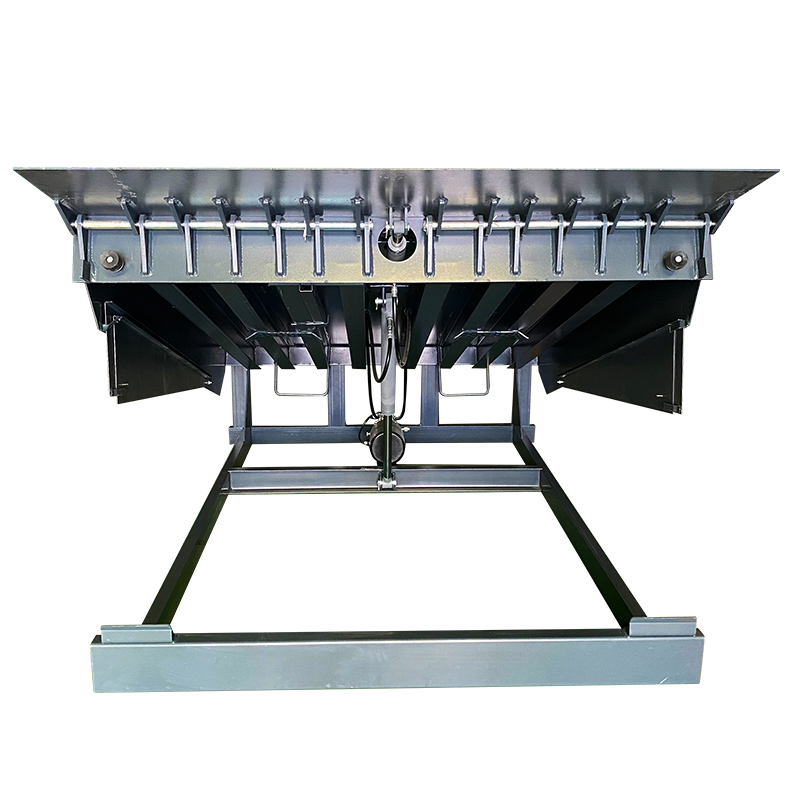
Keselamatan mesti menjadi faktor utama apabila memilih pelaras dok untuk operasi gudang anda. Sistem pelaras dok moden termasuk penghalang keselamatan, perlindungan tepi, permukaan tahan gelincir, dan kawalan manual kecemasan untuk mencegah kemalangan dan kecederaan. Pelaras dok yang dipilih mestilah mematuhi piawaian OSHA dan kod bangunan tempatan yang berkuat kuasa di wilayah anda. Ciri-ciri seperti pelanjutan bibir automatik, yang menghalang pelaras dok daripada terpisah daripada kenderaan apabila kenderaan tersebut bergerak pergi, merupakan keperluan keselamatan standard pada model berkualiti. Memberi keutamaan kepada pelaras dok dengan ciri-ciri keselamatan yang komprehensif melindungi pekerja anda dan mengurangkan risiko tanggungjawab.
Sistem Hidraulik Berbanding Mekanikal
Apabila memilih pelaras dok, anda perlu membuat keputusan antara sistem kuasa hidraulik dan mekanikal. Unit pelaras dok hidraulik menawarkan operasi yang lancar dan terkawal serta mampu mengendalikan beban berat secara cekap, menjadikannya ideal untuk kemudahan berisipadu tinggi. Sistem pelaras dok mekanikal biasanya lebih murah dan memerlukan penyelenggaraan yang kurang, menjadikannya sesuai untuk operasi dengan trafik rendah. Sistem hidraulik memberikan kebolehpercayaan yang lebih baik di bawah suhu ekstrem dan keadaan mencabar, manakala pilihan mekanikal mempunyai komponen yang lebih sedikit untuk diservis. Nilailah keadaan iklim kemudahan anda, keupayaan penyelenggaraan, dan bajet apabila memilih antara teknologi pelaras dok ini.
Faktor Pelaksanaan dan Pemasangan
Had Kedudukan dan Pemasangan Fizikal
Ruang yang tersedia di dok anda secara langsung mempengaruhi model pengaras dok yang sesuai untuk gudang anda. Pengaras dok jenis tetap memerlukan infrastruktur pemasangan khusus dan ruang bebas yang mencukupi bagi operasi dan akses penyelenggaraan yang selamat. Alternatif pengaras dok mudah alih atau mudah bawa boleh digunakan dalam situasi terhad yang ruang, tetapi menawarkan tahap ketetapan dan keselamatan yang lebih rendah. Sebelum memilih pengaras dok, pastikan kawasan dok anda mempunyai dimensi yang mencukupi untuk pemasangan dan bahawa elemen struktur sedia ada mampu menanggung berat pengaras dok serta beban operasinya. Berunding dengan pakar pemasangan memastikan pengaras dok yang dipilih sesuai dengan sekatan fizikal sambil memenuhi semua kehendak keselamatan.
Akses Penyelenggaraan dan Keperluan Perkhidmatan
Model pelaras dok yang berbeza memerlukan tahap perhatian penyelenggaraan yang berbeza. Pelaburan dalam pelaras dok berkualiti memerlukan pemeriksaan berkala, pelinciran, dan penyelenggaraan pencegahan untuk memastikan prestasi yang boleh dipercayai serta memperpanjang jangka hayat peralatan. Apabila memilih pelaras dok, pertimbangkan keupayaan penyelenggaraan kemudahan anda dan bajet yang tersedia untuk perkhidmatan berterusan. Sesetengah sistem pelaras dok memerlukan sokongan teknisi khas, manakala yang lain boleh diselenggarakan oleh kakitangan kemudahan yang telah dilatih. Memahami komitmen penyelenggaraan jangka panjang membantu anda memilih pelaras dok yang selaras dengan keupayaan operasional anda serta mengelakkan kegagalan peralatan yang tidak dijangka semasa tempoh penghantaran kritikal.
Bajet dan Jumlah Kos Pemilikan
Pelaburan Modal Awal Berbanding Nilai Jangka Panjang
Memilih pelaras dok memerlukan keseimbangan antara kos pembelian awal dengan perbelanjaan operasi jangka panjang. Sistem pelaras dok berkualiti tinggi mempunyai kos awal yang lebih tinggi tetapi sering menawarkan kebolehpercayaan yang lebih unggul, kos penyelenggaraan yang lebih rendah, dan jangka hayat perkhidmatan yang lebih panjang—semua ini menghalalkan pelaburan tersebut. Keputusan berdasarkan bajet yang mengabaikan aspek kualiti boleh menyebabkan pembaikan kerap, tempoh masa henti yang panjang, serta kompromi keselamatan yang pada akhirnya menelan kos lebih besar daripada pelaras dok bermutu tinggi. Kira jumlah kos kepemilikan anda dengan memasukkan harga pembelian, pemasangan, penyelenggaraan, pembaikan, dan kehilangan potensi produktiviti akibat masa henti peralatan ketika membuat pilihan pelaras dok.
Perlindungan Dan Sokongan Waranti
Apabila memilih pelaras dok untuk gudang anda, teliti syarat waranti dan tawaran sokongan pengilang dengan teliti. Waranti komprehensif yang melindungi komponen hidraulik, elemen struktur, dan bahagian mekanikal memberikan perlindungan kewangan yang penting. Pengilang yang berdiri teguh di belakang pelaras dok mereka produk dengan jaminan lanjutan dan sokongan teknikal yang responsif biasanya menghasilkan peralatan berkualiti tinggi. Memilih pelaras dok daripada pembekal terkemuka dengan liputan jaminan yang kukuh dan perkhidmatan pelanggan yang mudah diakses mengurangkan risiko anda dan memberikan keyakinan bahawa pelaburan anda akan memberikan prestasi yang boleh dipercayai sepanjang jangka hayat operasinya.
Soalan Lazim
Apakah jangka hayat tipikal pelaras dok?
Pelaras dok yang diselenggara dengan baik boleh beroperasi secara boleh percaya selama 15 hingga 20 tahun atau lebih lama, bergantung kepada kekerapan penggunaan dan konsistensi penyelenggaraan. Fasiliti yang digunakan secara intensif mungkin mengalami jangka hayat yang lebih pendek, manakala sistem pelaras dok dalam persekitaran penggunaan sederhana boleh melebihi 20 tahun. Penyelenggaraan berkala, pembaikan segera, dan pematuhan terhadap garis panduan pengilang secara ketara memperpanjang jangka hayat berfungsi pelaras dok anda serta melindungi pelaburan anda.
Bolehkah saya meningkatkan pelaras dok sedia ada saya kepada teknologi baharu?
Ya, kebanyakan infrastruktur pemasangan dok yang sedia ada boleh menampung sistem pelaras dok moden. Apabila memilih pengganti pelaras dok, pastikan kapasiti struktural dok anda dan sistem elektriknya menyokong model-model baharu. Menaik taraf kepada pelaras dok kontemporari sering kali memberikan ciri keselamatan yang lebih baik, kebolehpercayaan yang lebih tinggi, dan kecekapan tenaga yang ditingkatkan berbanding peralatan lama, menjadikan penggantian suatu pertimbangan yang bernilai apabila sistem semasa anda menunjukkan tanda-tanda haus atau prestasi yang tidak konsisten.
Bagaimana saya tahu sama ada pelaras dok saya saiznya sesuai untuk gudang saya?
Pelaras dok anda saiznya sesuai apabila ia mampu menampung muatan terberat yang dijangka secara selamat, menyesuaikan diri dengan lancar kepada semua ketinggian kenderaan yang biasanya diterima, dan beroperasi tanpa tekanan berlebihan atau risiko keselamatan. Jika pekerja mengalami kesukaran untuk mengendalikan pelaras dok, muatan berpindah secara tidak dijangka, atau platform tidak dapat mencapai ketinggian kenderaan tertentu secara konsisten, maka pelaras dok anda mungkin terlalu kecil atau tidak dikonfigurasikan dengan betul. Penilaian profesional oleh pakar dok yang berkelayakan memastikan pelaras dok anda sepadan dengan keperluan gudang sebenar anda dan beroperasi dengan selamat dalam semua keadaan biasa.