EN
EN


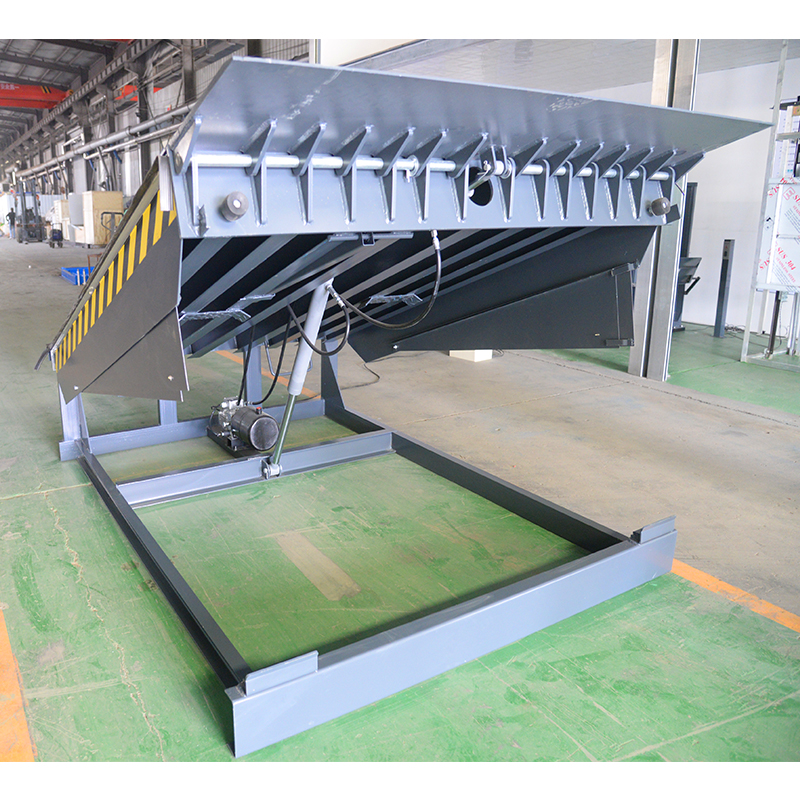
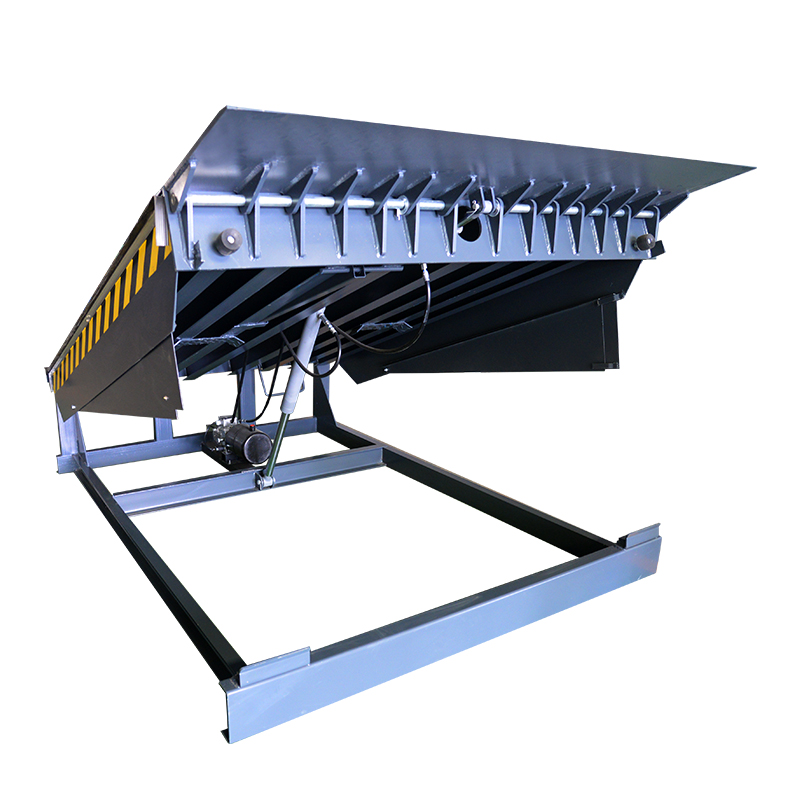
Pusat pengedaran menghadapi tekanan yang tidak berkesudahan untuk mengoptimumkan operasi sambil mengekalkan piawaian keselamatan dan mengawal kos. Salah satu pelaburan strategik yang memberikan pulangan yang boleh diukur ialah dock leveler berprestasi tinggi dock leveler. A penyeimbang Dermaga ialah peralatan penting yang menjadikan jambatan antara dok penghantaran dan kenderaan yang masuk atau keluar, mencipta platform yang selamat dan rata untuk operasi pengendalian bahan. Memahami mengapa pusat pengedaran mengutamakan teknologi dock leveler mendedahkan wawasan tentang kecemerlangan operasi, keselamatan pekerja, dan prestasi kewangan jangka panjang dalam industri logistik.
Pusat pengedaran moden memproses ribuan penghantaran setiap hari, dan setiap minit masa tidak aktif secara langsung memberi kesan kepada keuntungan. Alat penyesuai aras dok (dock leveler) menghilangkan ketidaksepadanan ketinggian antara permukaan dok dan dasar kenderaan, yang boleh berbeza beberapa inci bergantung pada beban kenderaan dan ciri-ciri sistem suspensinya. Penjajaran tepat ini memastikan pemindahan kargo yang lancar, mengurangkan tekanan terhadap peralatan, serta meminimumkan risiko kemalangan. Bagi pengurus kemudahan dan pemimpin logistik, pelaburan dalam alat penyesuai aras dok yang boleh dipercayai merupakan keputusan strategik yang memberi kesan kepada beberapa dimensi operasi secara serentak.
Kelebihan dari Segi Kecekapan Operasi dan Keselamatan
Merancakkan Aliran Bahan
Pengarap aras dok mempercepatkan pergerakan bahan dengan menghilangkan kerja manual sementara dan mengurangkan kelewatan pemindahan. Tanpa pengarap aras dok, pekerja terpaksa menggunakan jalan pintas seperti landasan, penghalang, atau penyelesaian sementara lain yang tidak hanya mengambil masa tetapi juga tidak konsisten. Pengarap aras dok menyediakan penyelarasan platform yang segera dan boleh diulang, membolehkan jentera angkat forklift dan troli palet bergerak lancar antara dok dan kenderaan. Impak langsung terhadap keluaran ini menjadikan teknologi pengarap aras dok sebagai asas reka bentuk gudang yang cekap. Pusat pengedaran yang mengoptimumkan operasi dok melaporkan peningkatan ketara dalam masa pusing balik dok dan jumlah penghantaran harian.
Melindungi Keselamatan Pekerja
Kecederaan pekerja di dok muat turun merupakan kebimbangan kos dan liabiliti yang signifikan bagi pusat pengedaran. Alat penyeimbang dok secara ketara mengurangkan risiko tersandung, jatuhan, dan tekanan ergonomik dengan mencipta titik peralihan yang stabil dan rata. Pekerja tidak lagi menghadapi permukaan yang tidak rata, perubahan ketinggian yang tidak dijangka, atau platform yang tidak stabil yang boleh menyebabkan gelincir dan kecederaan. Di luar kos manusia, peningkatan keselamatan mengurangkan tuntutan pampasan pekerja, premium insurans, dan risiko ketidakpatuhan terhadap peraturan. Organisasi yang melabur dalam alat penyeimbang dok menunjukkan komitmen terhadap kesejahteraan pekerja sambil serentak mengurangkan gangguan operasi akibat kemalangan.
Kesan Kewangan dan Kawalan Kos
Mengurangkan Kerosakan Peralatan dan Kos Penyelenggaraan
Kerosakan kenderaan dan dok akibat pelarasan yang tidak betul atau pemindahan yang tidak selamat menyebabkan perbelanjaan tersembunyi yang bertambah seiring masa. Apabila tiada pengaras dok, peralatan mengalami tekanan hentaman, jentera forklift beroperasi di atas permukaan yang tidak stabil, dan kenderaan mungkin mengalami kerosakan pada sistem suspensi atau bakul muatan. Pengaras dok mengelakkan titik perlanggaran dan ketidakselarasan ini, seterusnya memperpanjang jangka hayat peralatan serta mengurangkan kos penyelenggaraan dan penggantian. Pengaras dok juga melindungi integriti muatan dengan mengelakkan kerosakan produk semasa pemindahan, yang jika tidak dikawal akan menyebabkan kehilangan stok (shrinkage) dan pulangan barang oleh pelanggan. Pengurus kemudahan kerap mendapati bahawa pelaburan dalam pengaras dok membayar balik kosnya sendiri hanya melalui pemeliharaan peralatan dalam tempoh beberapa tahun sahaja.
Mengurangkan Kos Buruh dan Meningkatkan Produktiviti
Operasi dermaga yang cekap secara langsung mengurangkan jam buruh yang diperlukan bagi setiap kitaran penghantaran. Alat penyeimbang dermaga menghilangkan penyesuaian manual yang mengambil masa dan mengurangkan usaha fizikal yang diperlukan untuk pemindahan bahan secara selamat. Pekerja boleh memproses lebih banyak penghantaran setiap shift apabila peralatan penyeimbang dermaga berfungsi dengan baik, secara berkesan meningkatkan produktiviti buruh tanpa menambah bilangan pekerja. Keuntungan kecekapan ini menjadi semakin ketara dalam operasi harian, yang seterusnya memberikan penjimatan buruh tahunan yang ketara. Pusat pengedaran memanfaatkan faedah penyeimbang dermaga untuk mengendali isi padu yang meningkat tanpa peningkatan bilangan pekerja yang sepadan, serta meningkatkan margin dan kedudukan persaingan.
Kelebihan Persaingan Strategik
Memenuhi Jangkaan Pelanggan dan Komitmen Perkhidmatan
Pelanggan rantaian bekalan moden menuntut masa penghantaran yang lebih cepat, kebolehpercayaan yang lebih tinggi, dan barangan yang tidak rosak. Pelaras dok merupakan teknologi asas yang membolehkan pusat pengedaran memenuhi piawaian perkhidmatan yang ketat ini secara konsisten. Apabila operasi dok berjalan lancar dengan menggunakan pelaras dok, pusat pengedaran boleh berkomitmen terhadap jendela pengambilan dan jadual penghantaran yang boleh dipercayai dengan keyakinan. Kebolehpercayaan operasi ini menjadi faktor pembezanya dalam pasaran di mana pelanggan menilai rakan kongsi logistik berdasarkan konsistensi dan kelajuan. Organisasi yang bersaing untuk mendapatkan akaun premium menyedari bahawa pelaburan dalam pelaras dok secara langsung menyokong keupayaan mereka untuk memenangi dan mengekalkan pelanggan bernilai tinggi.
Keskalabelan dan Kelenturan Fasiliti
Apabila pusat pengedaran berkembang dan menyesuaikan diri dengan tuntutan pasaran yang berubah, infrastruktur dok mesti menyokong peningkatan kadar aliran dan pelbagai jenis kargo. Alat penyetara dok menyediakan asas operasi untuk pengembangan kemudahan dan pengoptimuman proses. Sama ada mengendalikan komponen automotif, barangan pengguna, atau barang yang peka terhadap suhu produk , alat penyetara dok memastikan pemindahan yang selamat dan cekap tanpa mengira jenis kenderaan atau profil muatan. Pusat pengedaran yang merancang untuk pertumbuhan menganggap penyelesaian alat penyetara dok sebagai infrastruktur penting yang membolehkan penskalaan operasi tanpa rekabentuk semula secara asas. Keluwesan ini melindungi pelaburan modal jangka panjang dan membolehkan kemudahan menanggapi perubahan pasaran secara cekap.
Soalan Lazim
Jenis alat penyetara dok tertentu apakah yang biasanya dipasang di pusat pengedaran?
Pusat pengedaran biasanya menggunakan pelaras aras dok mekanikal, pelaras aras dok hidraulik, dan pelaras aras dok berkuasa udara, dengan masing-masing sesuai untuk profil operasi yang berbeza. Pelaras aras dok mekanikal bergantung pada mekanisme spring dan operasi manual, memerlukan penglibatan operator bagi setiap kitaran. Pelaras aras dok hidraulik menggunakan sistem cecair bertekanan untuk operasi yang lebih lancar dan konsisten pada isipadu yang lebih tinggi. Pemilihan pelaras aras dok bergantung kepada kadar aliran kemudahan, isipadu treler, batasan bajet, dan keupayaan penyelenggaraan. Kebanyakan pusat pengedaran moden dengan isipadu penghantaran harian yang signifikan melabur dalam sistem pelaras aras dok hidraulik atau berkuasa udara untuk prestasi optimum dan kemudahan operator.
Bagaimana pelaras aras dok meningkatkan pematuhan terhadap peraturan keselamatan?
Agensi perundangan termasuk OSHA menetapkan piawaian bagi operasi dok pemuatan yang selamat untuk mengelakkan kecederaan dan kemalangan kepada pekerja. Alat pengaras dok secara langsung memenuhi pelbagai kehendak perundangan dengan menghilangkan ketidaksekataan ketinggian, mencegah kejatuhan, dan mencipta permukaan kerja yang stabil. Fasiliti yang dilengkapi dengan alat pengaras dok menunjukkan kawalan bahaya secara aktif serta memenuhi harapan keselamatan yang didokumentasikan semasa pemeriksaan perundangan. Penggunaan alat pengaras dok menyokong dokumentasi pematuhan dan mengurangkan kemungkinan tindakan teguran atau hukuman berkaitan keselamatan dok. Selain manfaat perundangan, alat pengaras dok mencerminkan komitmen organisasi terhadap budaya keselamatan dan piawaian perlindungan pekerja.
Bolehkah alat pengaras dok mengurangkan kos insurans bagi pusat pengedaran?
Ya, pelaburan dalam pengaras dok sering menjadikan pusat pengedaran layak untuk pengurangan premium insurans berdasarkan rekod keselamatan yang dipertingkatkan dan kekerapan kemalangan yang dikurangkan. Pembekal insurans mengakui bahawa kemudahan dengan pengaras dok mengalami lebih sedikit tuntutan berkaitan operasi dok, kecederaan pekerja, dan kerosakan barang. Sesetengah pembekal menawarkan diskaun premium secara langsung yang dikaitkan dengan pemasangan peralatan keselamatan. Walaupun simpanan insurans berbeza-beza mengikut pembekal dan rekod kemudahan, ramai pusat pengedaran melaporkan bahawa pelaburan dalam pengaras dok mempercepatkan pengurangan premium dalam tempoh dua hingga tiga tahun pertama operasi. Pengendali kemudahan harus berbincang mengenai pemasangan pengaras dok dengan penyedia insurans mereka untuk mengukur manfaat premium yang berpotensi.