Residential Freight Elevator: Heavy-Duty Home Lifting Solutions for Multi-Story Properties

Get a Free Quote

Our representative will contact you soon.
Email
Mobile/WhatsApp
Name
Company Name
Message
0/1000

residential freight elevator

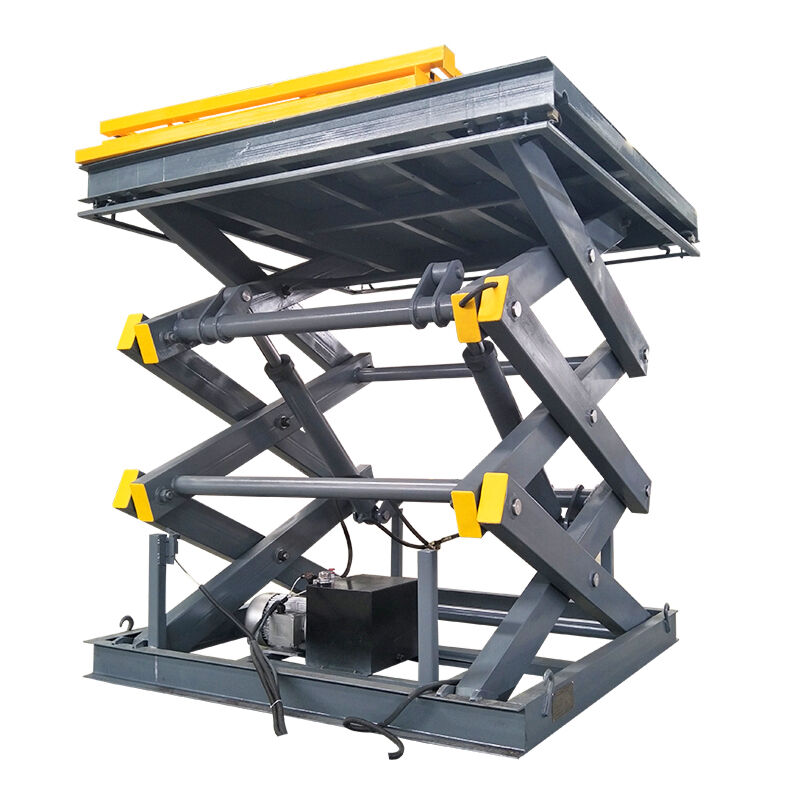
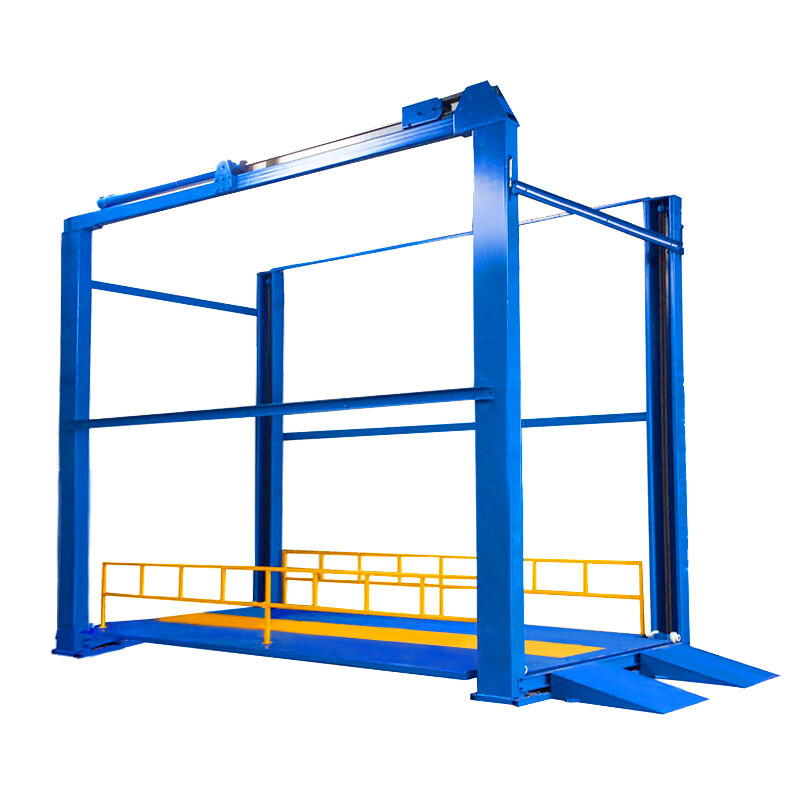
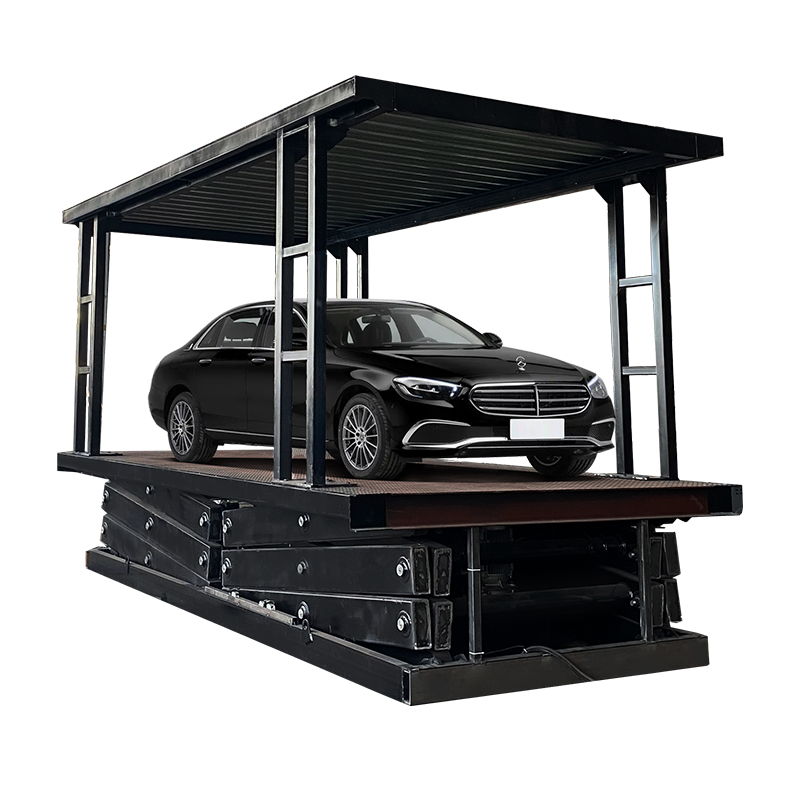
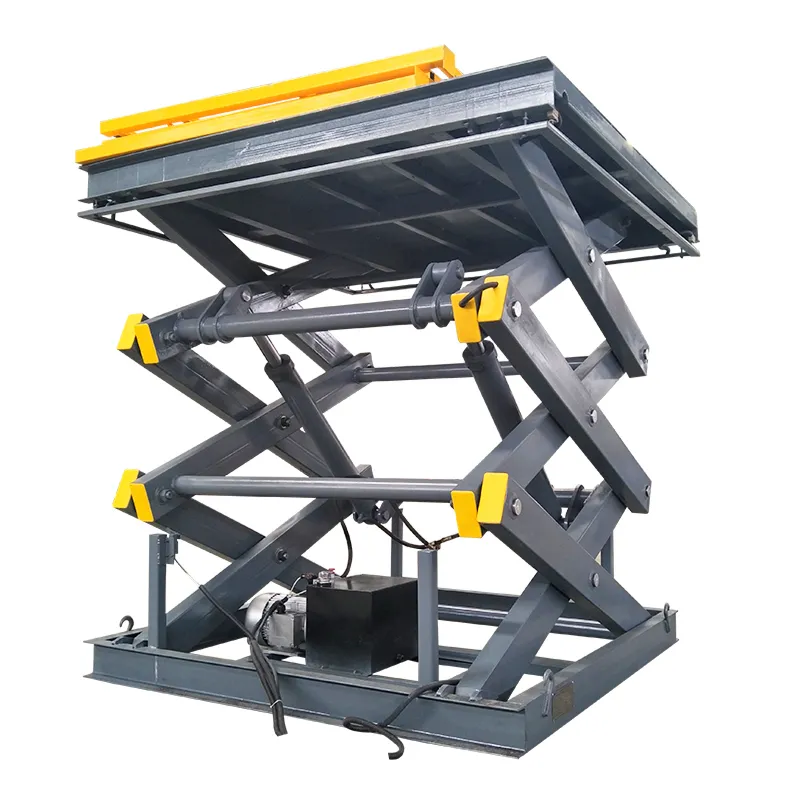
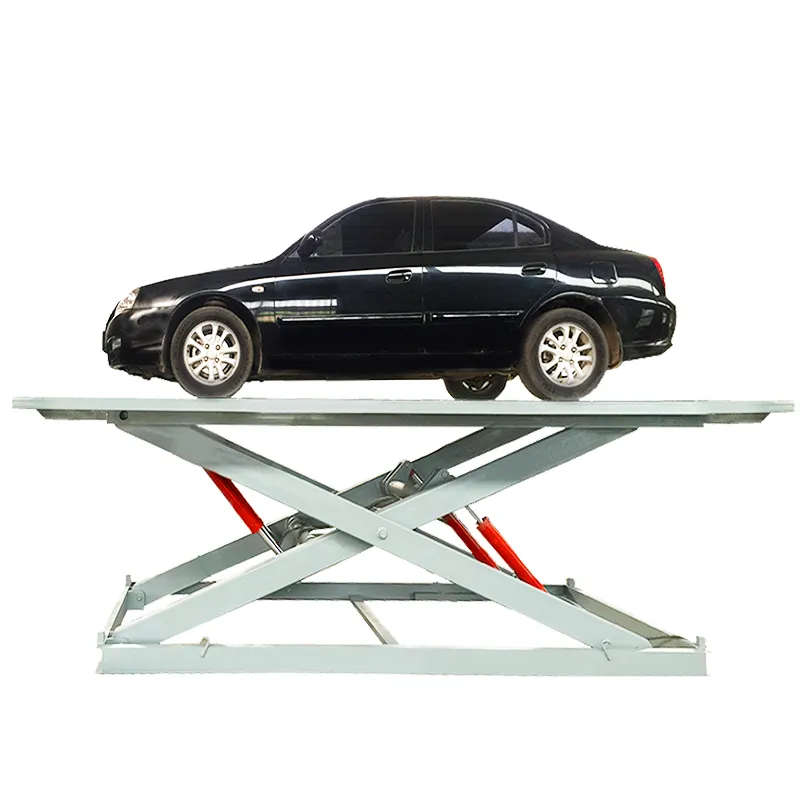
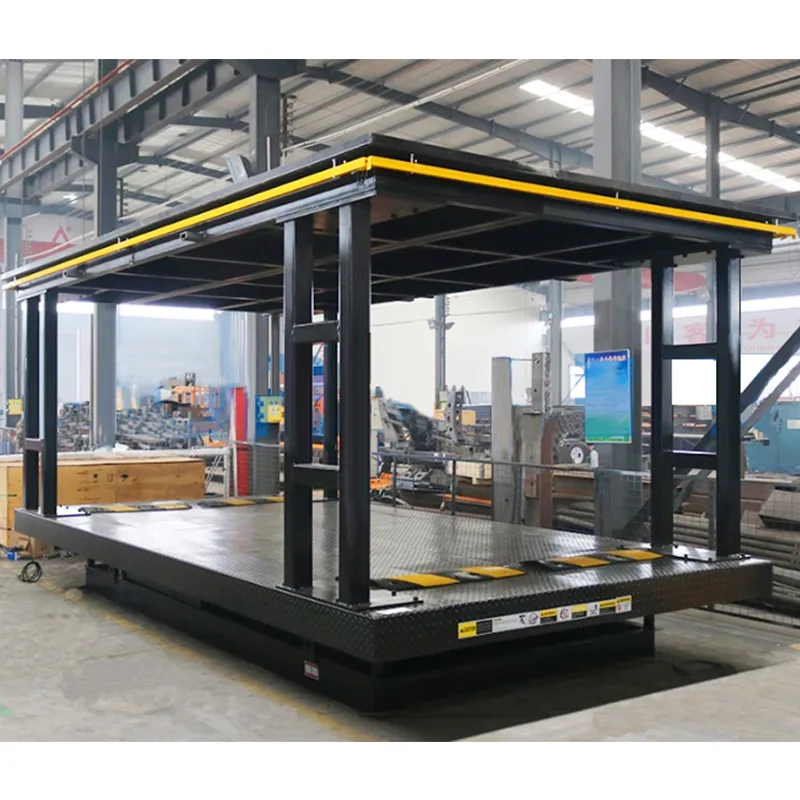
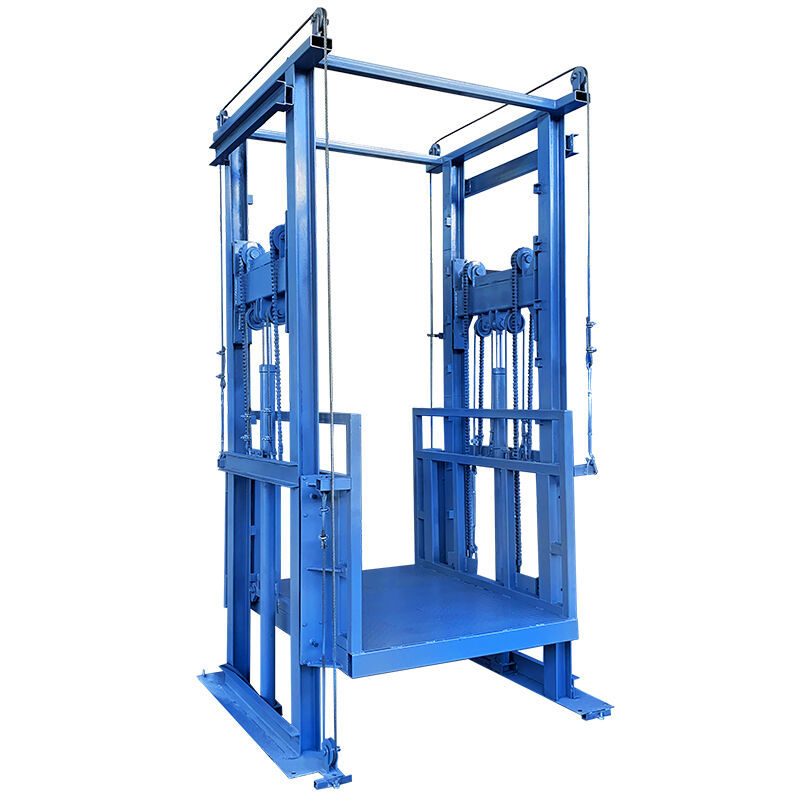
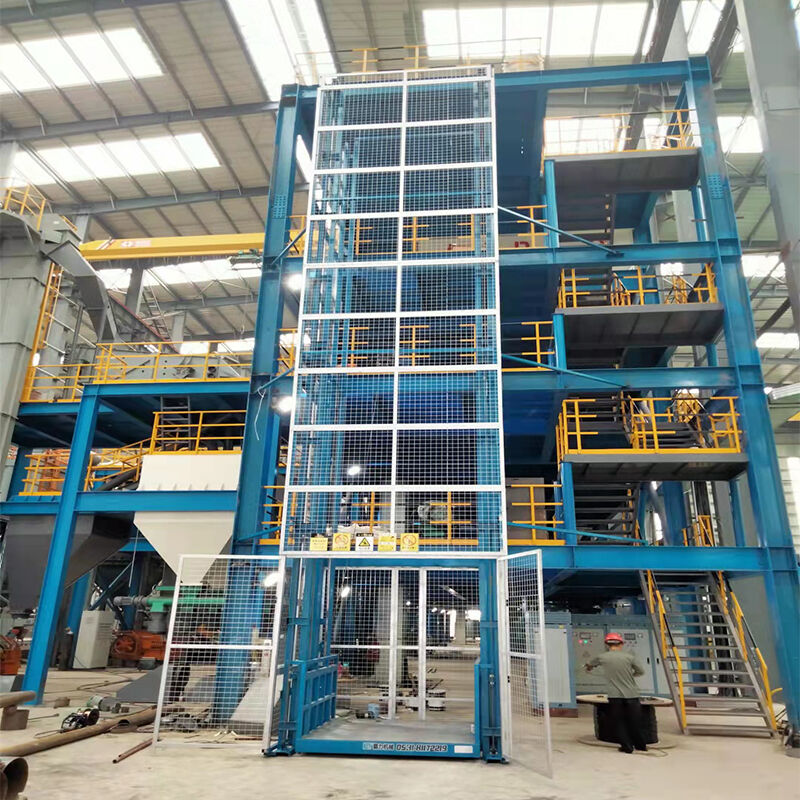
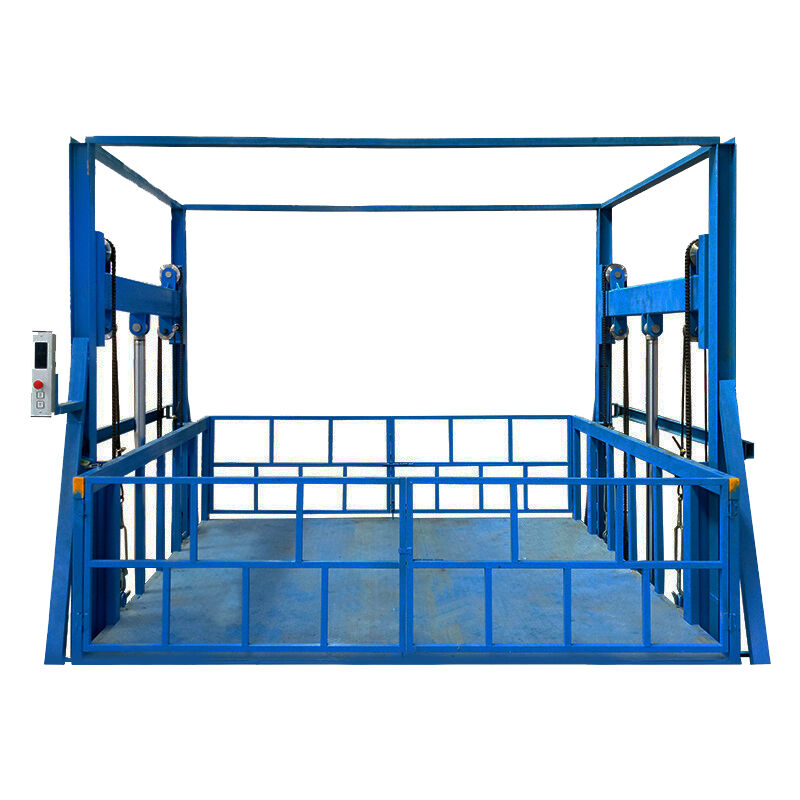
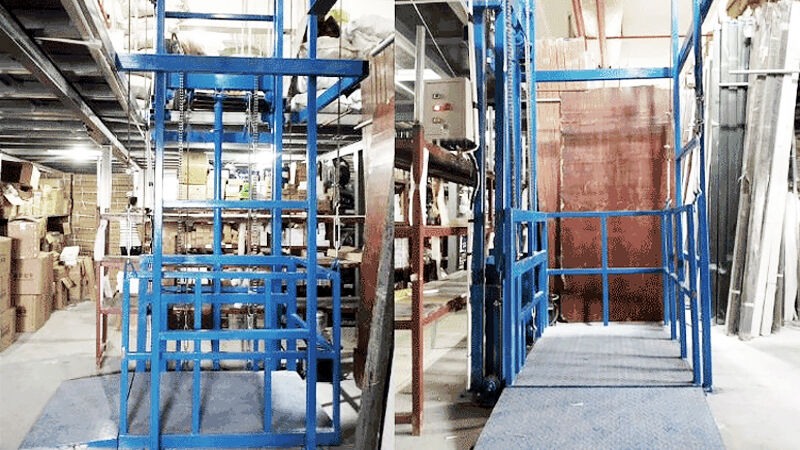
A residential freight elevator represents a specialized vertical transportation solution designed specifically for multi-story homes and residential buildings. Unlike standard passenger elevators, the residential freight elevator features enhanced load capacity and durability to handle heavy items, furniture, and equipment that homeowners regularly need to transport between floors. These systems integrate seamlessly into residential architecture while providing industrial-grade performance for domestic applications. The residential freight elevator incorporates advanced hydraulic or traction drive systems that ensure smooth, reliable operation even when carrying substantial loads up to several thousand pounds. Modern residential freight elevator installations feature variable speed controls, allowing operators to adjust lifting speeds based on cargo requirements and safety considerations. The cab interior utilizes reinforced steel construction with protective wall panels that resist scratches and dents from heavy objects. Door systems typically employ heavy-duty mechanisms with manual or automatic operation options, depending on homeowner preferences and local building codes. Safety features include emergency stop buttons, overload protection sensors, and backup power systems that ensure safe operation during power outages. The residential freight elevator control system offers intuitive operation through simple push-button interfaces or key-operated controls that prevent unauthorized usage. Installation flexibility allows these elevators to fit various residential layouts, from traditional shaft configurations to compact designs that maximize available space. Maintenance requirements remain minimal due to robust component selection and simplified mechanical systems. The residential freight elevator serves essential functions in luxury homes, multi-generational residences, and properties with extensive storage needs. These systems eliminate the physical strain and safety risks associated with manually carrying heavy items up stairs, making multi-story living more accessible for residents of all ages and physical capabilities.

New Product Releases

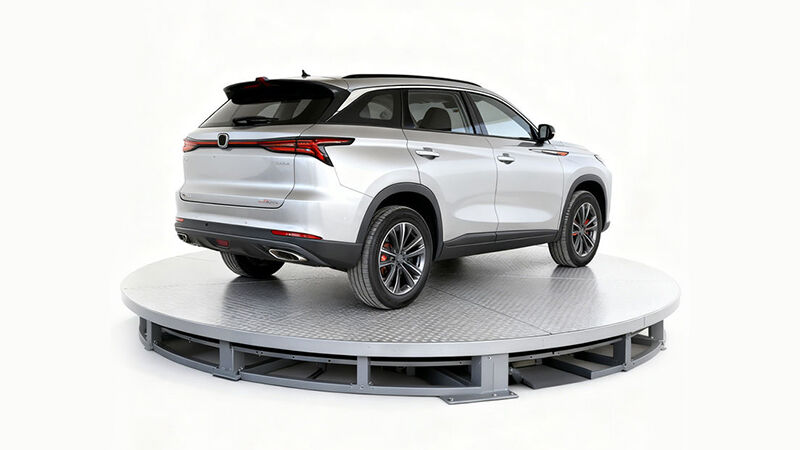
The residential freight elevator delivers substantial practical benefits that transform how homeowners manage their multi-story living spaces. First, these systems dramatically reduce physical strain and injury risks associated with carrying heavy objects up and down stairs. Homeowners no longer need to struggle with bulky furniture, appliances, or storage containers, as the residential freight elevator handles these tasks effortlessly. This advantage proves particularly valuable for elderly residents or those with mobility limitations who want to maintain independence in their homes. Second, the residential freight elevator significantly increases property functionality and value. Real estate professionals consistently report that homes equipped with freight elevators command higher market prices and attract more potential buyers. The system transforms previously difficult-to-access upper floors into fully functional spaces for storage, workshops, or living areas. Third, time efficiency improves dramatically when moving large items between floors becomes a simple elevator operation rather than a complex manual process. Homeowners save hours during moving days, seasonal storage rotations, and home improvement projects. Fourth, the residential freight elevator enhances safety by eliminating the need to navigate stairs while carrying heavy or awkward items. This reduces accident risks and protects both people and valuable possessions from damage during transport. Fifth, these systems offer remarkable versatility in handling diverse cargo types, from furniture and appliances to vehicles like motorcycles or golf carts in appropriate installations. The residential freight elevator adapts to changing household needs throughout the years, accommodating everything from moving boxes to medical equipment. Sixth, energy efficiency features in modern residential freight elevator designs minimize operating costs while providing reliable service. Advanced motor systems and standby modes reduce power consumption when the elevator is not in active use. Finally, the residential freight elevator requires minimal maintenance compared to other mechanical home systems, with most units operating reliably for decades with basic service intervals.

Latest News

What Are the Advantages of Choosing a Custom Lift Manufacturer?

05

Mar

What Are the Advantages of Choosing a Custom Lift Manufacturer?

When businesses need vertical transportation solutions, they often face a critical decision: choose a standard, off-the-shelf lift system or partner with a custom lift manufacturer. While pre-engineered lifts may seem like the simpler option, working...
View More
How Does an Industrial Lift Support High-Load Transportation Tasks?

10

Mar

How Does an Industrial Lift Support High-Load Transportation Tasks?

Industrial facilities across manufacturing, warehousing, and logistics sectors face constant challenges in moving heavy materials between different floor levels efficiently and safely. The mechanism by which an industrial lift handles high-load trans...
View More
Why Are Stationary Scissor Lifts Popular in Manufacturing Plants?

16

Mar

Why Are Stationary Scissor Lifts Popular in Manufacturing Plants?

Manufacturing plants worldwide have increasingly turned to stationary scissor lifts as essential equipment for their vertical material handling and access needs. These robust hydraulic platforms have become indispensable in modern industrial operatio...
View More
What Are the Key Benefits of Installing a Goods Lift in Factories?

30

Mar

What Are the Key Benefits of Installing a Goods Lift in Factories?

In today’s highly competitive industrial environment, factories are under constant pressure to improve operational efficiency, reduce labor costs, and ensure workplace safety. One of the most practical solutions adopted by modern manufactu...
View More

Get a Free Quote

Our representative will contact you soon.
Email
Mobile/WhatsApp
Name
Company Name
Message
0/1000

residential freight elevator

Superior Load Capacity and Durability Design

Superior Load Capacity and Durability Design

The residential freight elevator excels in load-bearing capacity, typically supporting between 2,000 to 8,000 pounds depending on the specific model and installation requirements. This exceptional capacity allows homeowners to transport virtually any residential item, from grand pianos and refrigerators to motorcycle collections and heavy workshop equipment. The robust construction utilizes commercial-grade components adapted for residential environments, ensuring long-term reliability under regular use. Steel-reinforced platforms distribute weight evenly across the elevator structure, while heavy-duty cable systems or hydraulic mechanisms provide smooth lifting action regardless of load distribution. The residential freight elevator cab features reinforced flooring capable of supporting concentrated loads without deflection or damage. Wall protection systems include removable padding or permanent steel panels that resist impacts from furniture corners, appliance edges, and other potentially damaging cargo. Door mechanisms incorporate industrial-strength hardware designed to withstand frequent opening and closing cycles while maintaining precise alignment and sealing. Safety systems monitor load weights continuously, preventing overloading situations that could compromise system integrity or user safety. The residential freight elevator drive system employs redundant safety features, including multiple independent braking systems and emergency descent controls that ensure safe operation even during component failures. Maintenance intervals extend significantly beyond typical residential equipment due to the commercial-grade component selection and conservative operating parameters. This durability translates directly into lower lifetime ownership costs and reduced service disruptions for homeowners. The residential freight elevator maintains consistent performance across temperature variations and humidity changes common in residential environments, making it suitable for installation in garages, basements, or other areas where environmental conditions may fluctuate. Quality materials resist corrosion and wear, ensuring the system maintains both functional performance and aesthetic appeal throughout its operational lifetime.
Flexible Installation and Space Optimization

Flexible Installation and Space Optimization

The residential freight elevator offers remarkable installation flexibility that accommodates diverse architectural layouts and spatial constraints found in residential properties. Unlike commercial freight elevators that require substantial structural modifications, residential models adapt to existing building configurations with minimal invasive construction. Compact design options allow installation in spaces as small as 6 feet by 8 feet, making the residential freight elevator viable for homes where space efficiency is paramount. Hydraulic drive systems eliminate the need for overhead machine rooms, reducing structural requirements and simplifying installation in existing buildings. The residential freight elevator can integrate into various locations including garages, utility areas, or dedicated shafts without compromising the home's aesthetic appeal or functional layout. Pit requirements remain minimal, often requiring excavation of just 4 to 6 inches below the lowest floor level, significantly reducing construction complexity and costs. Shaft construction utilizes standard building materials and techniques, allowing local contractors to complete installations without specialized elevator construction expertise. The residential freight elevator accommodates different travel distances, from simple two-story installations to multi-level systems serving three or more floors. Loading configurations include single or multiple entrances, allowing the elevator to serve different areas of the home efficiently. Door options range from manual swing doors to automatic sliding systems, depending on usage patterns and accessibility requirements. Control placement flexibility ensures convenient operation from multiple locations while maintaining security through key-operated or coded access systems. The residential freight elevator installation process typically completes within one to two weeks, minimizing disruption to household routines. Post-installation modifications remain possible, allowing homeowners to add stops, upgrade controls, or modify cab features as needs evolve. Integration with home automation systems enables remote monitoring and operation, while emergency communication systems ensure safety during any operational issues. The residential freight elevator design philosophy prioritizes adaptability, ensuring these systems enhance rather than constrain residential living spaces.
Advanced Safety and User-Friendly Operation

Advanced Safety and User-Friendly Operation

Safety represents the cornerstone of residential freight elevator design, incorporating multiple redundant systems that exceed residential building codes and approach commercial elevator safety standards. Emergency stop mechanisms provide immediate system shutdown from within the cab and at each floor level, ensuring quick response to any safety concerns. Overload protection sensors continuously monitor cargo weight, automatically preventing operation when loads exceed safe parameters and providing clear warnings to operators. The residential freight elevator includes backup power systems that ensure safe operation during electrical outages, automatically lowering the cab to the nearest floor and opening doors to prevent entrapment. Door safety systems incorporate light curtains or mechanical safety edges that detect obstructions and prevent door closure, protecting both users and cargo from injury or damage. Interlocks ensure doors remain securely closed during elevator movement while preventing operation when doors are not properly sealed. The residential freight elevator control system features intuitive operation designed for users of all ages and technical expertise levels. Simple push-button controls eliminate confusion while key-operated systems prevent unauthorized access when security is important. Clear visual indicators show elevator position and operational status, while audible signals confirm floor arrivals and system responses. Emergency communication systems connect directly to monitoring services or local emergency responders, ensuring rapid assistance during any operational difficulties. Regular safety inspections and maintenance protocols keep the residential freight elevator operating within strict safety parameters throughout its service life. Compliance with local building codes and elevator safety regulations ensures installations meet all legal requirements while providing insurance coverage protection for homeowners. Training programs help household members understand proper operation procedures and safety protocols, maximizing both system longevity and user safety. The residential freight elevator incorporates fail-safe design principles where system failures result in safe conditions rather than dangerous situations, providing peace of mind for homeowners and their families during daily operation.

Get a Free Quote

Our representative will contact you soon.
Email
Mobile/WhatsApp
Name
Company Name
Message
0/1000