Small Elevator for Goods: Compact Vertical Transportation Solutions for Efficient Material Handling

Get a Free Quote

Our representative will contact you soon.
Email
Mobile/WhatsApp
Name
Company Name
Message
0/1000

small elevator for goods

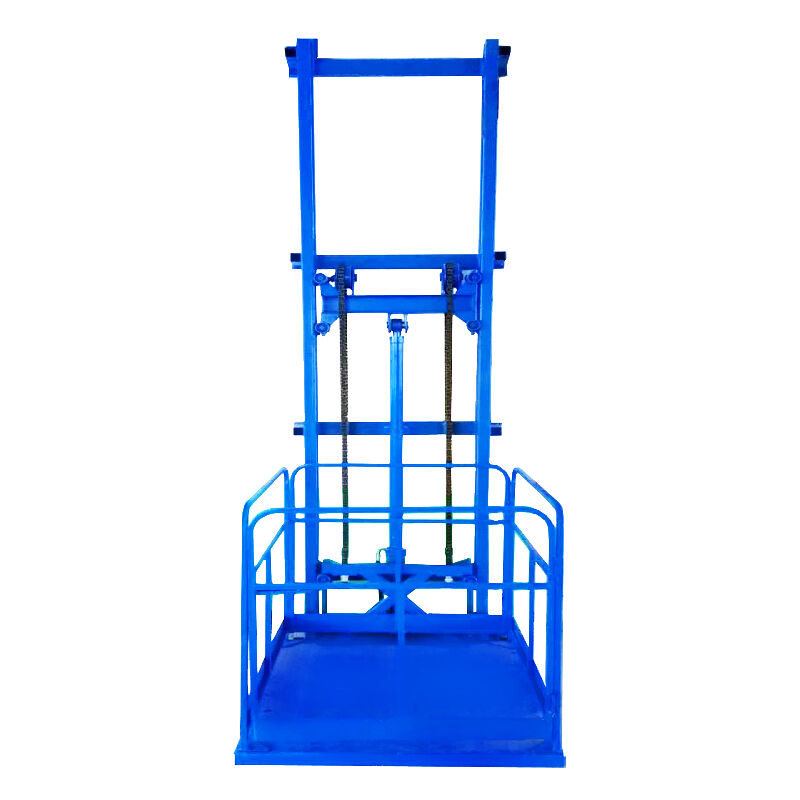
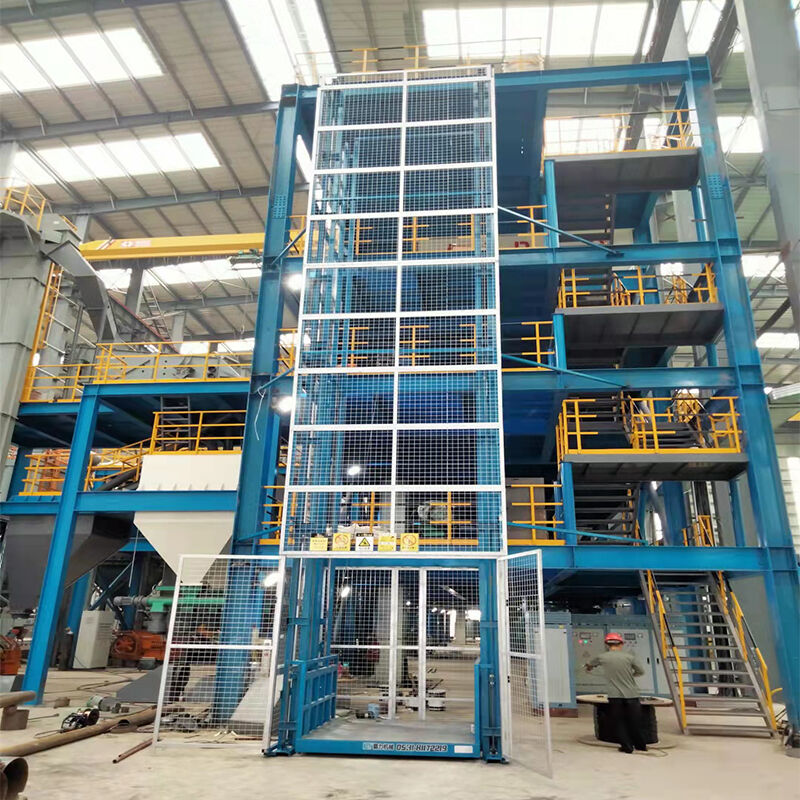
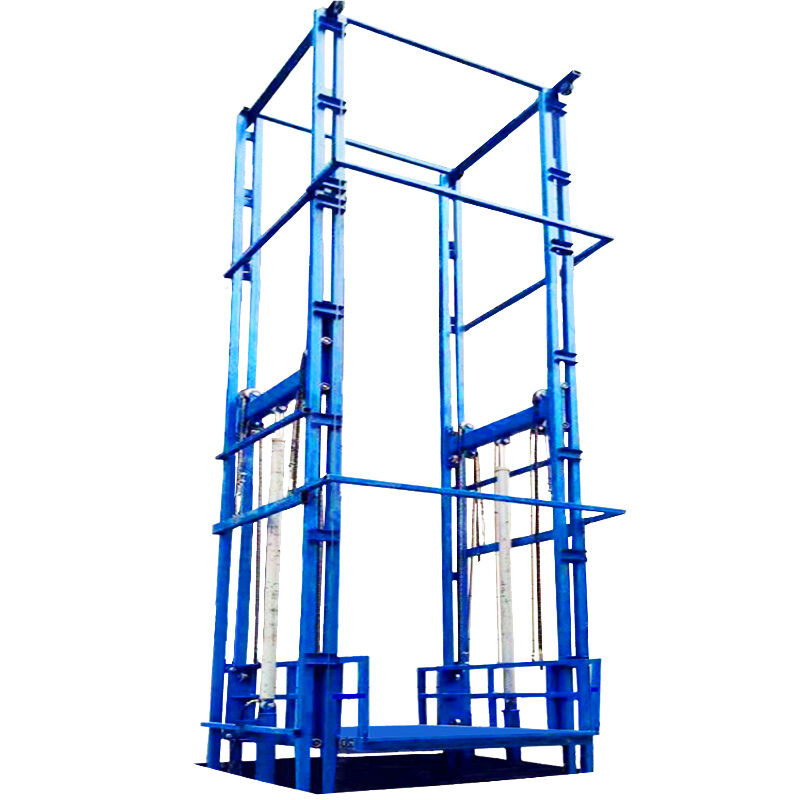
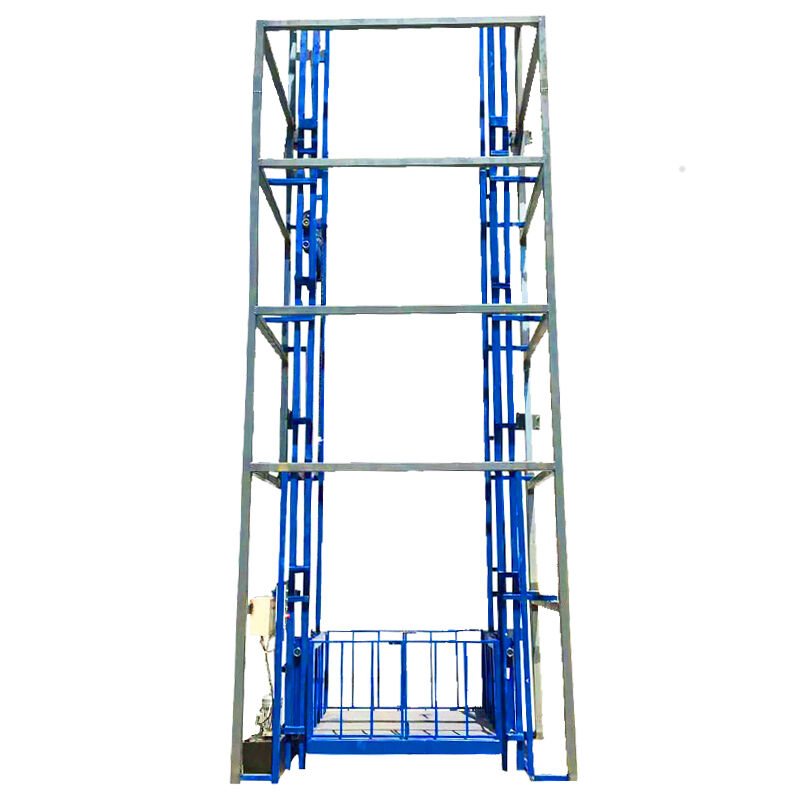
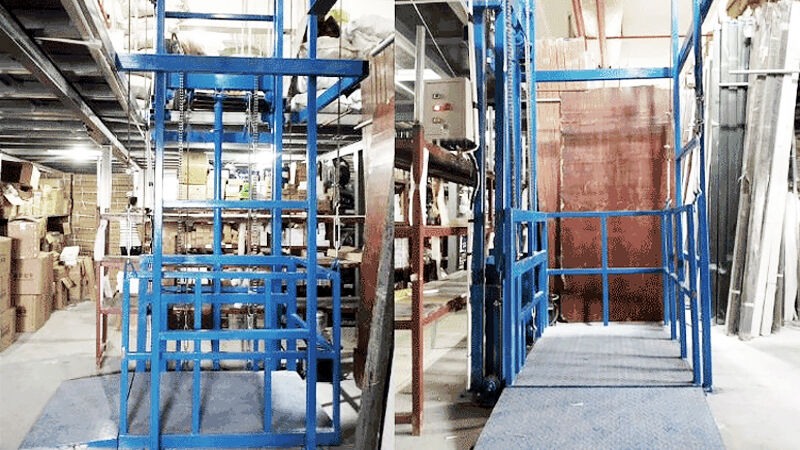
A small elevator for goods represents a revolutionary vertical transportation solution designed specifically for efficient material handling in buildings where traditional freight elevators would be impractical or unnecessary. These compact lifting systems serve as essential infrastructure components for businesses, residential complexes, and commercial facilities that require reliable vertical movement of products, documents, supplies, and lightweight cargo between different floors. The small elevator for goods operates through advanced mechanical systems that combine electric motors, precision guide rails, and sophisticated control panels to deliver smooth, consistent performance. Modern units typically feature load capacities ranging from 50 to 500 kilograms, making them ideal for transporting everything from office supplies and restaurant meals to retail merchandise and medical equipment. The technological architecture of these systems incorporates safety mechanisms including emergency brakes, overload protection, and backup power systems to ensure reliable operation under various conditions. Installation flexibility stands as a primary characteristic, as these elevators can be integrated into existing structures with minimal construction disruption. The compact footprint allows placement in areas where conventional elevators cannot fit, such as narrow shafts, corner spaces, or retrofitted buildings. Control systems have evolved to include programmable logic controllers that enable multiple floor stops, automated scheduling, and remote monitoring capabilities. Many models feature stainless steel construction for durability and hygiene compliance, particularly important in food service and healthcare applications. The small elevator for goods typically operates at speeds between 0.15 to 0.5 meters per second, balancing efficiency with safety requirements. Modern installations often incorporate energy-efficient components including LED lighting, variable frequency drives, and regenerative braking systems that reduce operational costs while maintaining performance standards.

New Product Releases

The small elevator for goods delivers substantial operational benefits that transform how businesses manage vertical transportation needs while reducing costs and improving efficiency. These systems eliminate the physical strain and time consumption associated with manual carrying of items between floors, significantly reducing workplace injuries and improving employee productivity. Staff members can focus on core responsibilities instead of spending valuable time navigating stairs with heavy or bulky items, leading to measurable improvements in overall workflow efficiency. Installation costs prove remarkably lower compared to traditional freight elevators, as the small elevator for goods requires minimal structural modifications and can often utilize existing spaces without extensive construction work. The reduced installation footprint means businesses can implement vertical transportation solutions even in buildings where conventional elevators would be impossible due to space constraints or structural limitations. Maintenance requirements remain minimal due to simplified mechanical systems and robust construction, resulting in lower long-term operational expenses and reduced downtime. Energy consumption stays remarkably low thanks to efficient motor systems and lightweight design, contributing to reduced utility costs and environmental sustainability goals. The versatility of these systems allows customization for specific industry requirements, whether transporting food items in restaurants, medical supplies in hospitals, or inventory in retail environments. Safety features eliminate risks associated with manual material transport, reducing liability concerns and creating safer work environments for employees. The small elevator for goods operates quietly, making it suitable for noise-sensitive environments such as offices, hotels, and residential buildings without causing disruption to occupants. Reliability proves exceptional with proper maintenance, as these systems typically operate for decades with minimal repairs or component replacements. The ability to transport items quickly between floors improves customer service in retail and hospitality settings, enabling faster response times and enhanced operational efficiency. Integration capabilities allow these systems to work seamlessly with existing building management systems, providing monitoring and control options that enhance operational oversight and maintenance scheduling.

Tips And Tricks

What Are the Advantages of Choosing a Custom Lift Manufacturer?

05

Mar

What Are the Advantages of Choosing a Custom Lift Manufacturer?

When businesses need vertical transportation solutions, they often face a critical decision: choose a standard, off-the-shelf lift system or partner with a custom lift manufacturer. While pre-engineered lifts may seem like the simpler option, working...
View More
How Does an Industrial Lift Support High-Load Transportation Tasks?

10

Mar

How Does an Industrial Lift Support High-Load Transportation Tasks?

Industrial facilities across manufacturing, warehousing, and logistics sectors face constant challenges in moving heavy materials between different floor levels efficiently and safely. The mechanism by which an industrial lift handles high-load trans...
View More
Why Are Stationary Scissor Lifts Popular in Manufacturing Plants?

16

Mar

Why Are Stationary Scissor Lifts Popular in Manufacturing Plants?

Manufacturing plants worldwide have increasingly turned to stationary scissor lifts as essential equipment for their vertical material handling and access needs. These robust hydraulic platforms have become indispensable in modern industrial operatio...
View More
How Do Car Lifts for Home Garage Add Value to Real Estate Projects?

20

Mar

How Do Car Lifts for Home Garage Add Value to Real Estate Projects?

Car lifts for home garage installations have emerged as a premium feature that significantly enhances property value in today's competitive real estate market. These sophisticated automotive storage solutions transform ordinary residential garages in...
View More

Get a Free Quote

Our representative will contact you soon.
Email
Mobile/WhatsApp
Name
Company Name
Message
0/1000

small elevator for goods

Space-Efficient Design Revolution

Space-Efficient Design Revolution

The compact engineering of the small elevator for goods represents a breakthrough in vertical transportation technology that maximizes functionality while minimizing spatial requirements. Unlike traditional freight elevators that demand substantial floor space and extensive structural modifications, these innovative systems can be installed in areas as small as one square meter, making them perfect for buildings with limited available space or challenging architectural constraints. The ingenious design utilizes vertical space efficiently by incorporating guide rails that can be mounted directly to existing walls or within specially constructed shafts that require minimal excavation or structural alteration. This space efficiency extends beyond mere installation requirements, as the small elevator for goods can be strategically positioned in locations that optimize workflow patterns without disrupting existing operations or compromising valuable floor space needed for other business activities. The slim profile design allows installation in areas previously considered unsuitable for vertical transportation, such as narrow corridors, corner spaces, or between existing structural elements. Modern engineering techniques enable these systems to operate effectively in shaft dimensions that would be impossible for conventional elevators, opening new possibilities for building owners and facility managers seeking vertical transportation solutions. The compact nature does not compromise functionality, as clever engineering ensures adequate capacity for typical commercial and residential material transport needs while maintaining safety standards and operational reliability. Installation teams can complete projects with minimal disruption to ongoing business operations, often working within existing structures without requiring extensive building modifications or lengthy construction periods that could impact revenue generation or resident comfort.
Advanced Safety and Reliability Systems

Advanced Safety and Reliability Systems

The small elevator for goods incorporates comprehensive safety mechanisms that exceed industry standards while delivering unmatched reliability for critical vertical transportation applications. Multiple redundant safety systems work simultaneously to protect both users and cargo, including sophisticated overload detection sensors that prevent operation when weight limits are exceeded, ensuring structural integrity and preventing damage to both the elevator system and building infrastructure. Emergency braking systems engage automatically during power failures or mechanical irregularities, bringing the elevator to a controlled stop and securing the platform until normal operation can be restored safely. Advanced door interlocking mechanisms prevent operation when access panels are open, eliminating risks associated with exposed mechanical components or moving parts during maintenance or loading procedures. The small elevator for goods features backup power systems that enable controlled descent to the ground floor during electrical outages, preventing cargo from becoming stranded between floors and maintaining accessibility for emergency situations. Precision monitoring systems continuously assess operational parameters including motor performance, cable tension, and guide rail alignment, providing early warning indicators for potential maintenance needs before they develop into operational problems. Fire-rated construction materials and components ensure the system maintains structural integrity during emergency situations, while emergency communication systems enable immediate contact with building management or emergency services when needed. Regular diagnostic self-testing routines automatically verify safety system functionality, generating detailed reports that facilitate proactive maintenance scheduling and regulatory compliance documentation. The robust construction utilizing commercial-grade components ensures consistent performance under demanding operational conditions, while weatherproof sealing protects internal mechanisms from environmental factors that could compromise reliability or safety performance over time.
Versatile Application Adaptability

Versatile Application Adaptability

The remarkable versatility of the small elevator for goods enables seamless integration across diverse industries and applications, each benefiting from customized configurations that address specific operational requirements and regulatory compliance needs. In healthcare facilities, these systems transport medical supplies, laboratory specimens, and pharmaceutical products between departments while maintaining sterile conditions through specialized stainless steel construction and antimicrobial surface treatments that prevent contamination and support infection control protocols. Restaurant and food service operations utilize the small elevator for goods to efficiently move ingredients, prepared meals, and kitchen equipment between preparation areas and service floors, with food-grade materials and easy-cleaning surfaces that meet health department requirements and facilitate sanitation procedures. Retail environments benefit from rapid inventory movement between storage areas and sales floors, enabling just-in-time restocking that improves customer satisfaction while reducing labor costs associated with manual material transport throughout multi-story facilities. Office buildings leverage these systems for document delivery, supply distribution, and equipment transport, creating efficient workflows that eliminate time-consuming trips between floors while reducing physical strain on employees handling heavy or bulky items. Manufacturing facilities integrate the small elevator for goods into production processes for component transport, quality control sample movement, and finished product handling, with industrial-grade construction and specialized controls that withstand demanding operational environments. Residential applications include luxury homes and apartment complexes where these systems transport groceries, laundry, and personal items, adding convenience while protecting residents from injury risks associated with carrying heavy loads on stairs. Hotels and hospitality venues use these elevators for housekeeping supplies, room service delivery, and luggage transport, improving service efficiency while maintaining discrete operations that do not interfere with guest experiences or building aesthetics.

Get a Free Quote

Our representative will contact you soon.
Email
Mobile/WhatsApp
Name
Company Name
Message
0/1000