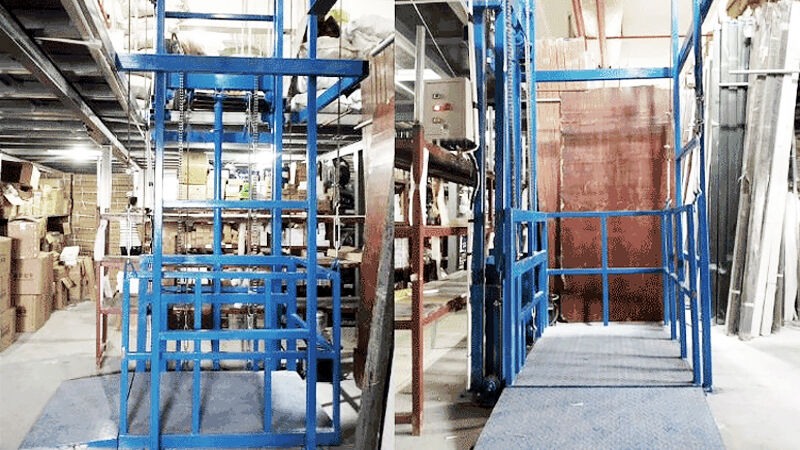
Wyjątkowe oszczędne projektowanie przestrzeni
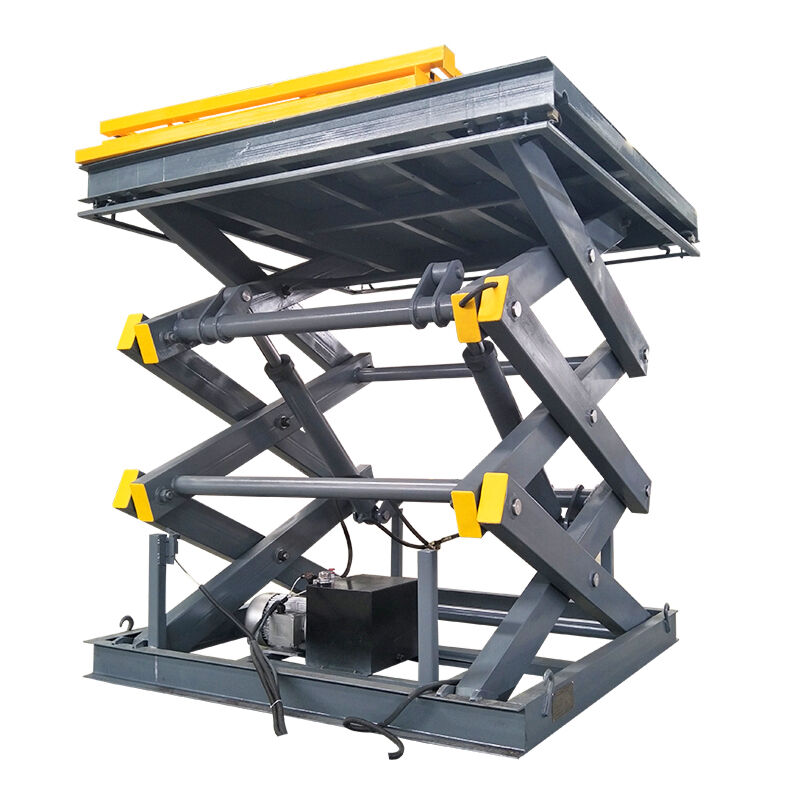
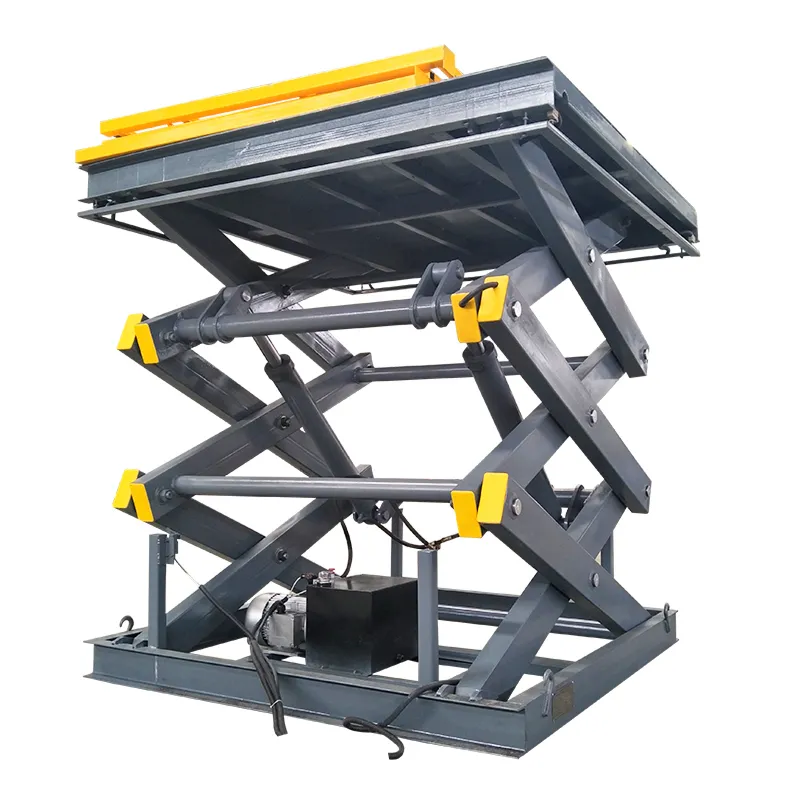
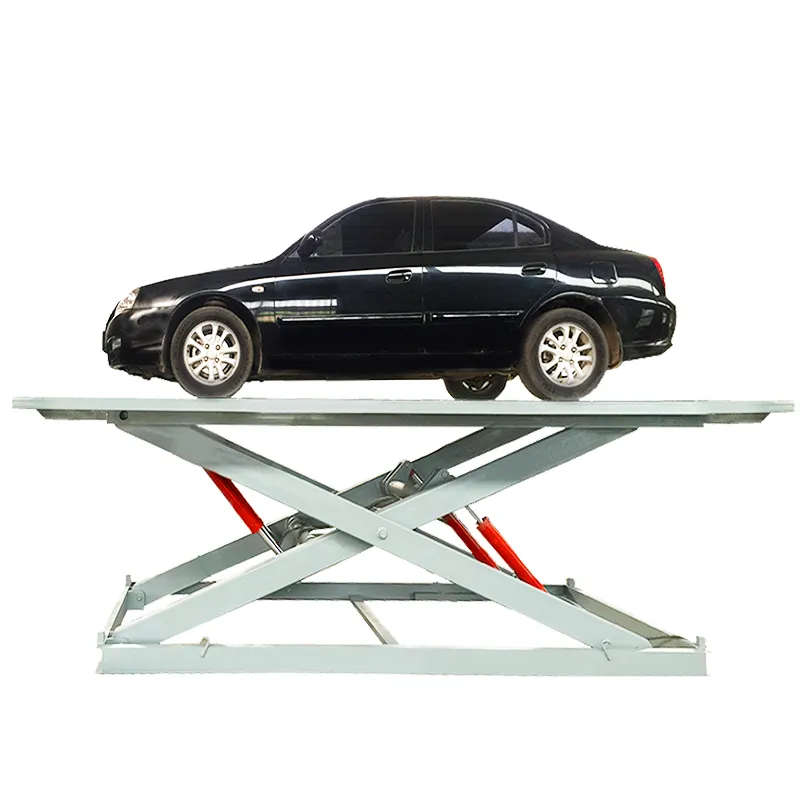
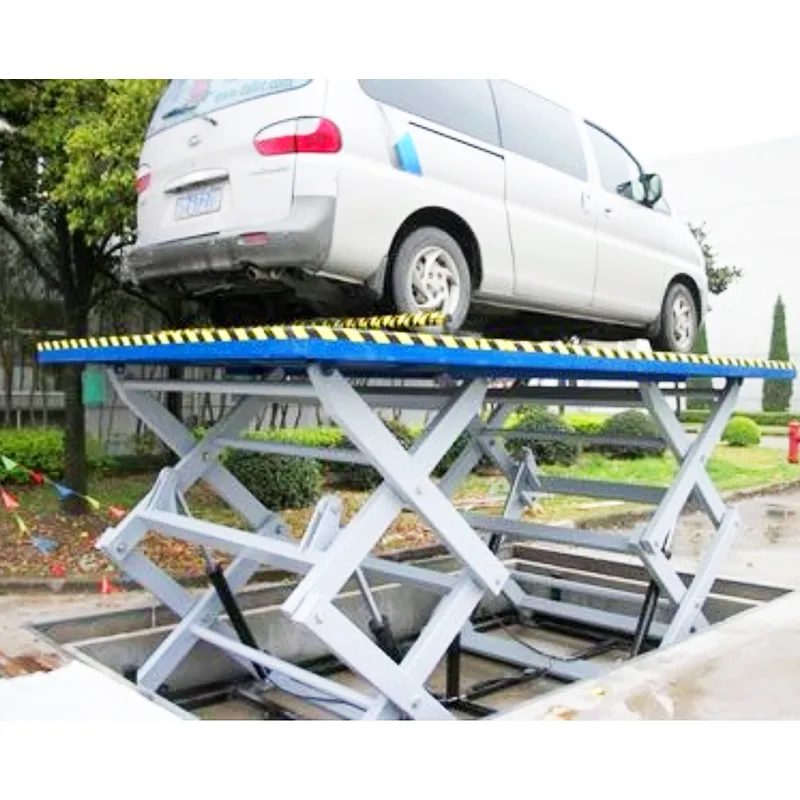
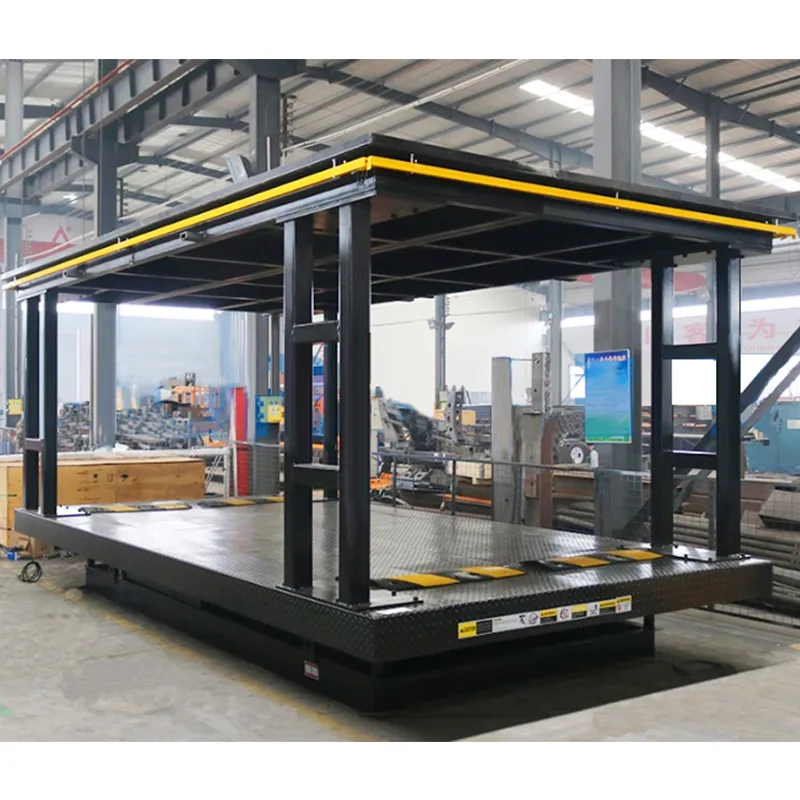
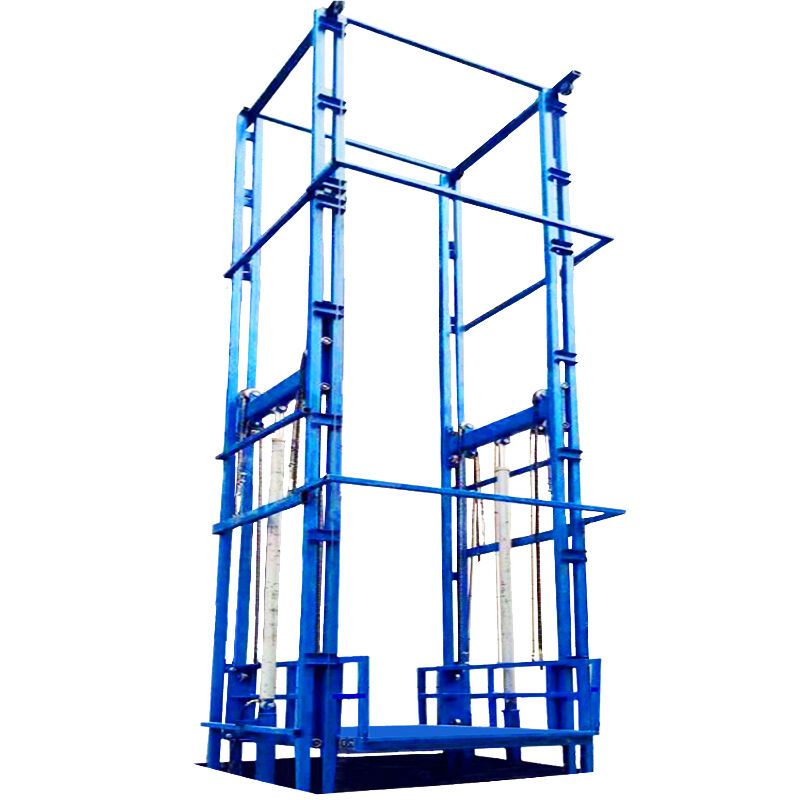
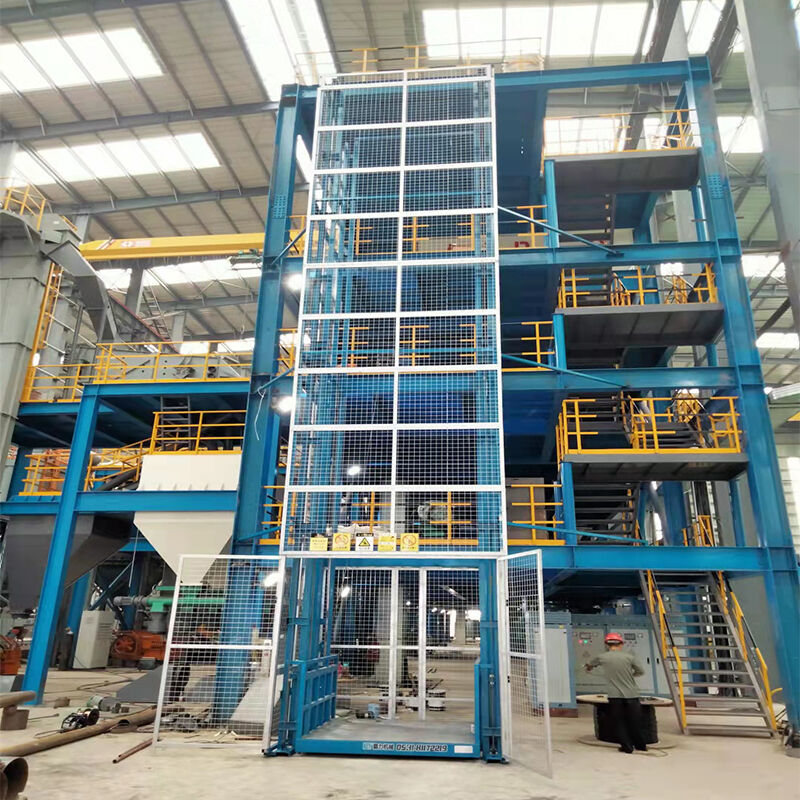
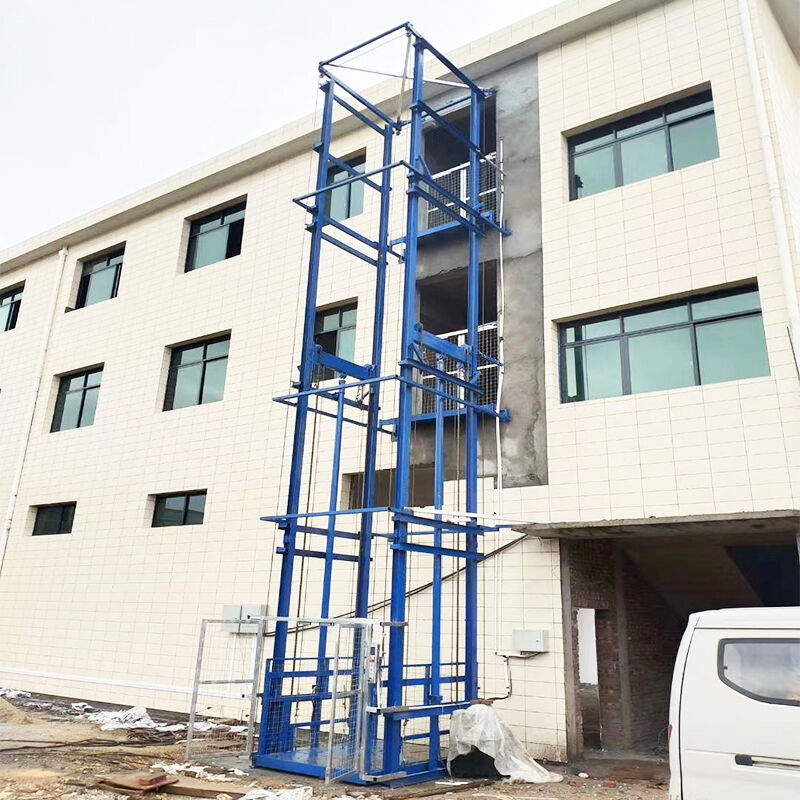
Wmontowany w ścianę podnośnik towarowy rewolucjonizuje pionową transportowość, maksymalizując dostępną powierzchnię podłogi dzięki innowacyjnemu systemowi montażowemu, który jest bezpośrednio przymocowywany do ścian budynku. To rozwiązanie eliminuje znaczną powierzchnię podłogi zwykle zajmowaną przez tradycyjne windy towarowe, zwalniając cenną metrażową powierzchnię na produktywne działania biznesowe. Konfiguracja oszczędzająca miejsce okazuje się szczególnie korzystna w środowisku miejskim, gdzie koszty nieruchomości są wysokie, a każdy metr kwadratowy ma istotne znaczenie. W przeciwieństwie do konwencjonalnych wind, które wymagają dedykowanych szybów wykonywanych wewnątrz budynku, wmontowany w ścianę podnośnik towarowy wykorzystuje istniejące konstrukcje ścian jako podstawy nośne, co drastycznie zmniejsza złożoność robót budowlanych oraz związane z nimi koszty. System ten może być instalowany zarówno na ścianach wewnętrznych, jak i zewnętrznych, zapewniając elastyczność w umiejscowieniu, która odpowiada różnorodnym układom architektonicznym i wymogom operacyjnym. Kompaktowa powierzchnia zajmowana przez urządzenie wykracza poza samą platformę podnośnika – infrastruktura wsporcza wymaga minimalnej przestrzeni wolnej wokół obszaru instalacji. Ta efektywność pozwala przedsiębiorstwom zachować obecne konfiguracje przestrzeni roboczej, jednocześnie dodając niezbędne możliwości pionowego transportu materiałów. Projekt wmontowanego w ścianę podnośnika towarowego umożliwia jego stosowanie w różnych typach budynków – od zabytkowych obiektów, w których modyfikacje wnętrza są ograniczone, po nowoczesne obiekty dążące do optymalnego wykorzystania przestrzeni. Ścieżka pionowego ruchu przebiega blisko powierzchni ściany, minimalizując ingerencję w przylegające obszary oraz zachowując widoczność w obrębie obiektu. Obszary magazynowe, strefy produkcyjne oraz przestrzenie przeznaczone dla klientów pozostają niezagrożone przez instalację podnośnika, co zapewnia ciągłość procesów operacyjnych oraz atrakcyjny wygląd estetyczny. System integruje się bezproblemowo z istniejącymi nabrzeżami załadunkowymi, mezzaninami oraz wielopoziomowymi systemami magazynowymi, bez konieczności wzmocnienia konstrukcji podłóg lub stropów. Zespoły montażowe mogą realizować projekty przy minimalnym zakłóceniu bieżących działań biznesowych, ponieważ prace koncentrują się głównie na obwodzie ścian, a nie w centralnych partiach budynku. Efektywność przestrzenna przekłada się bezpośrednio na korzyści ekonomiczne – firmy mogą maksymalizować działalność generującą przychód w ramach istniejących obiektów, zamiast rozszerzać je w celu pomieszczenia tradycyjnych systemów wind.
 EN
EN