Hydraulic Cargo Lifts: Heavy-Duty Vertical Transportation Solutions for Industrial Applications

Get a Free Quote

Our representative will contact you soon.
Email
Mobile/WhatsApp
Name
Company Name
Message
0/1000

hydraulic cargo lift

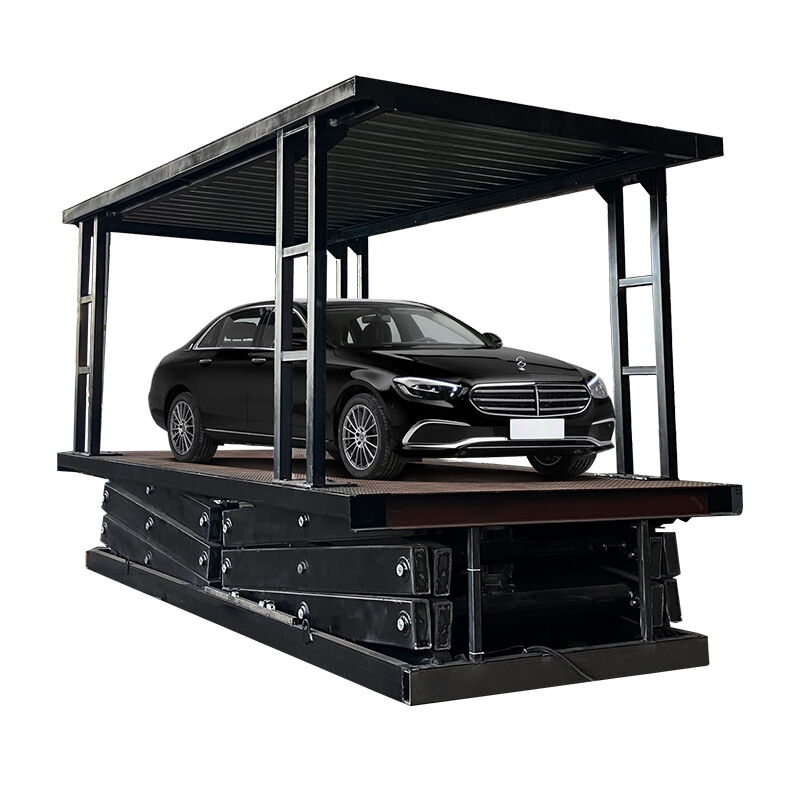
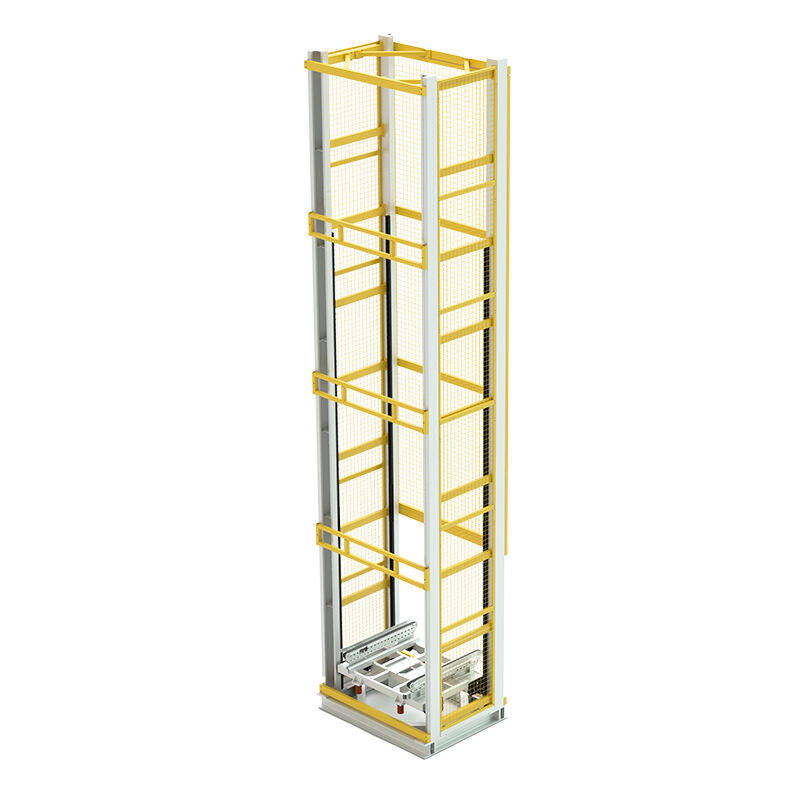
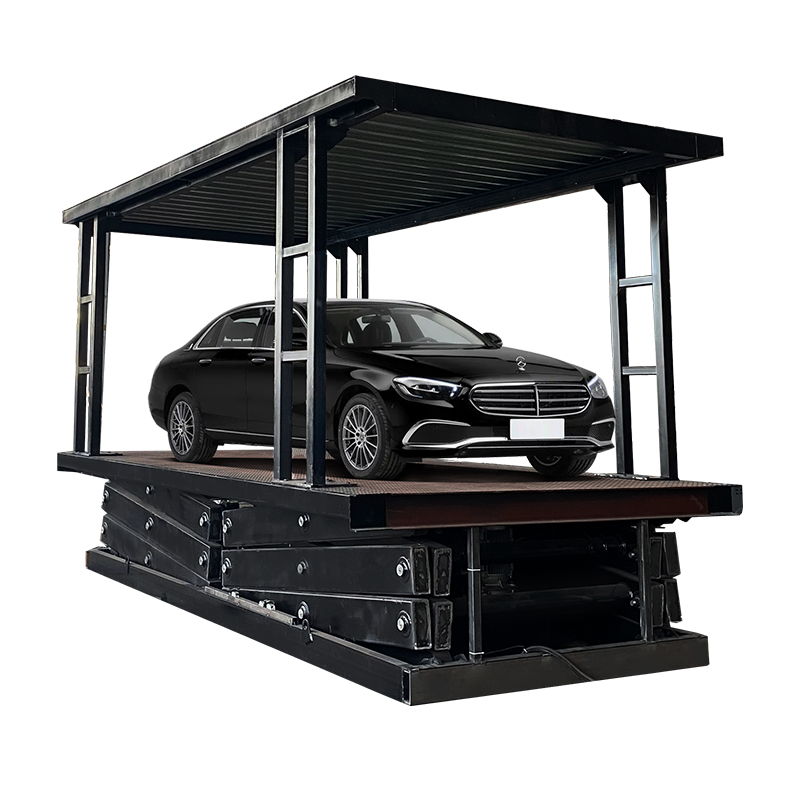
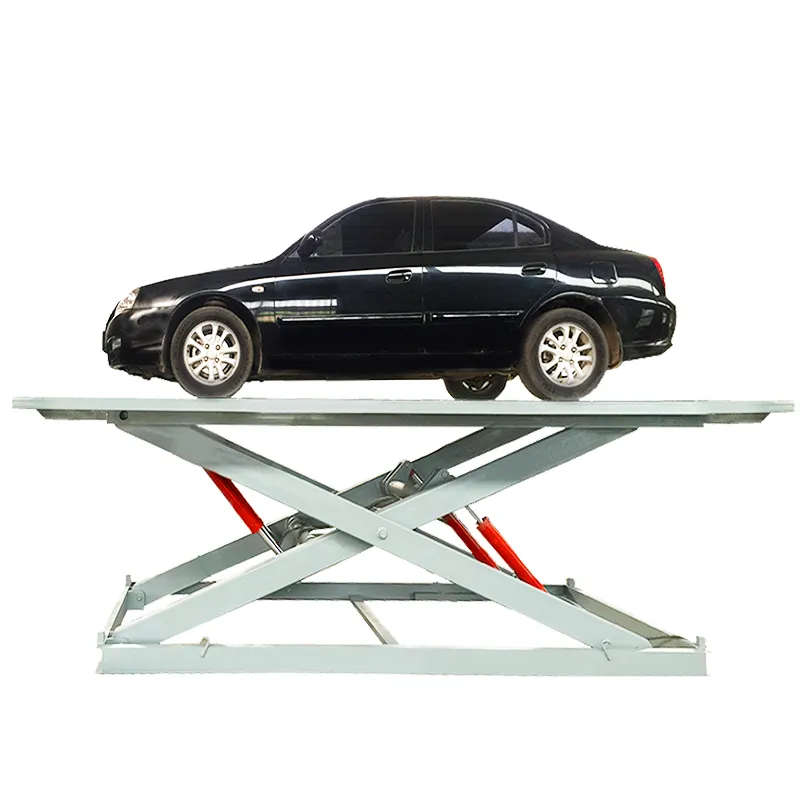
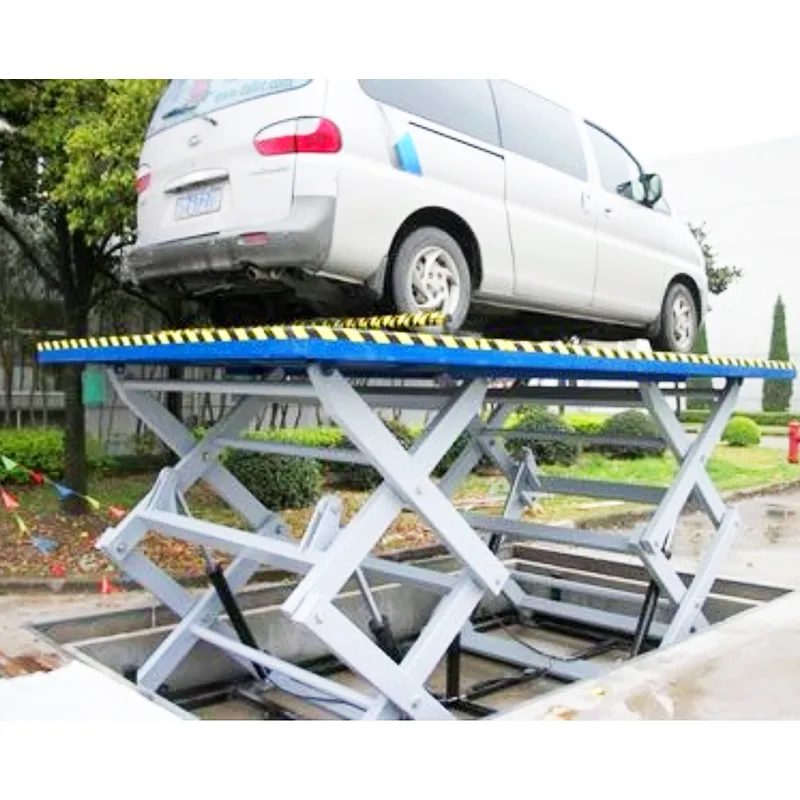
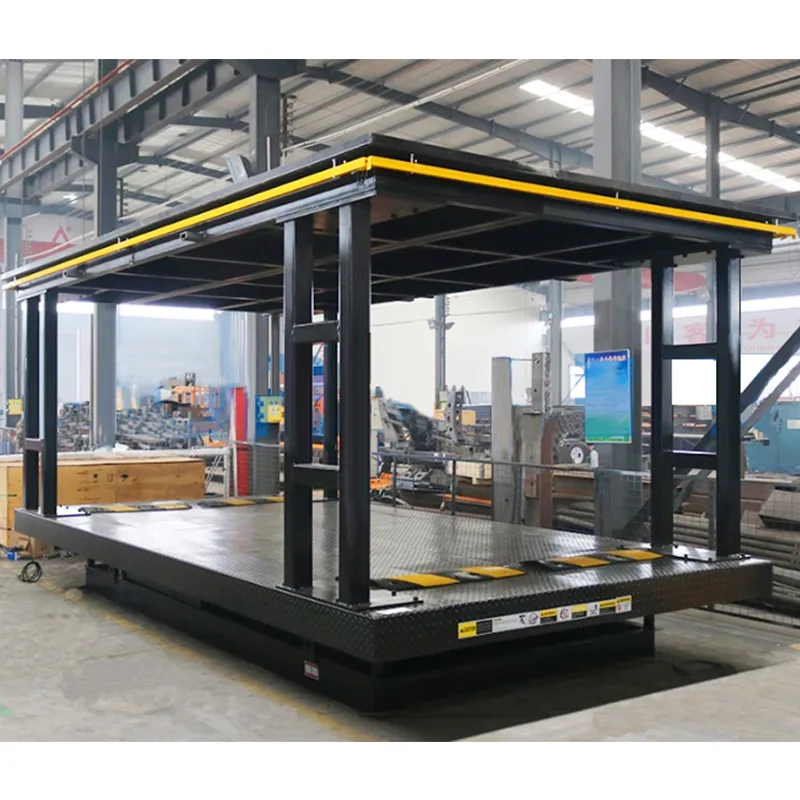
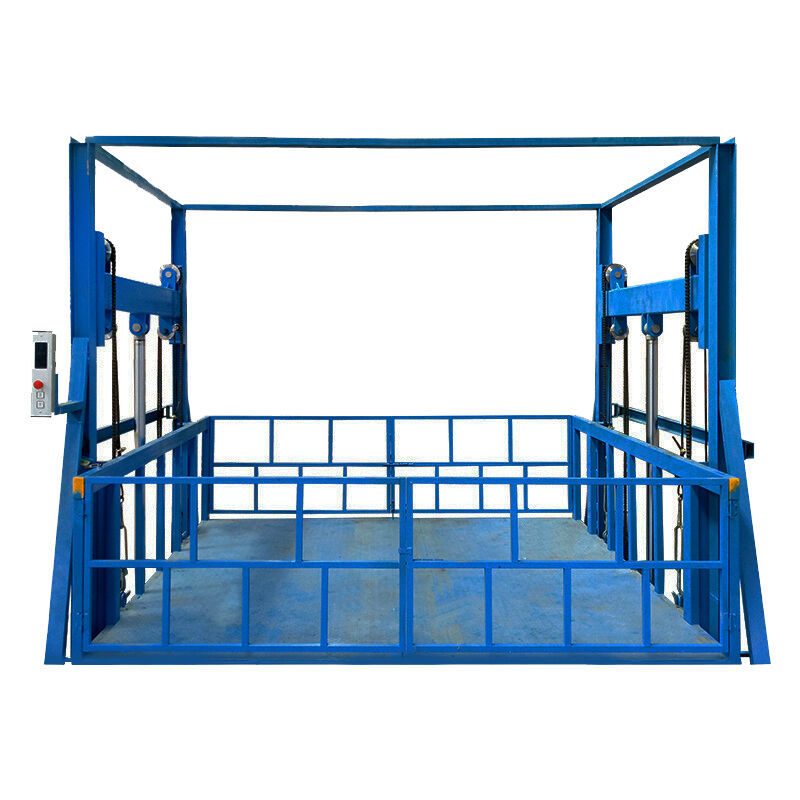
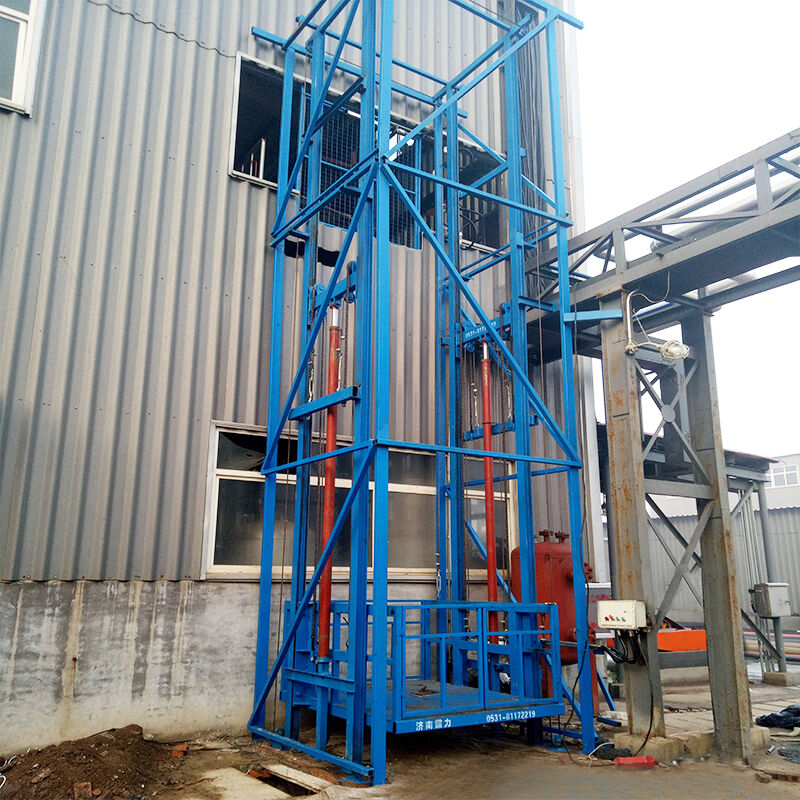
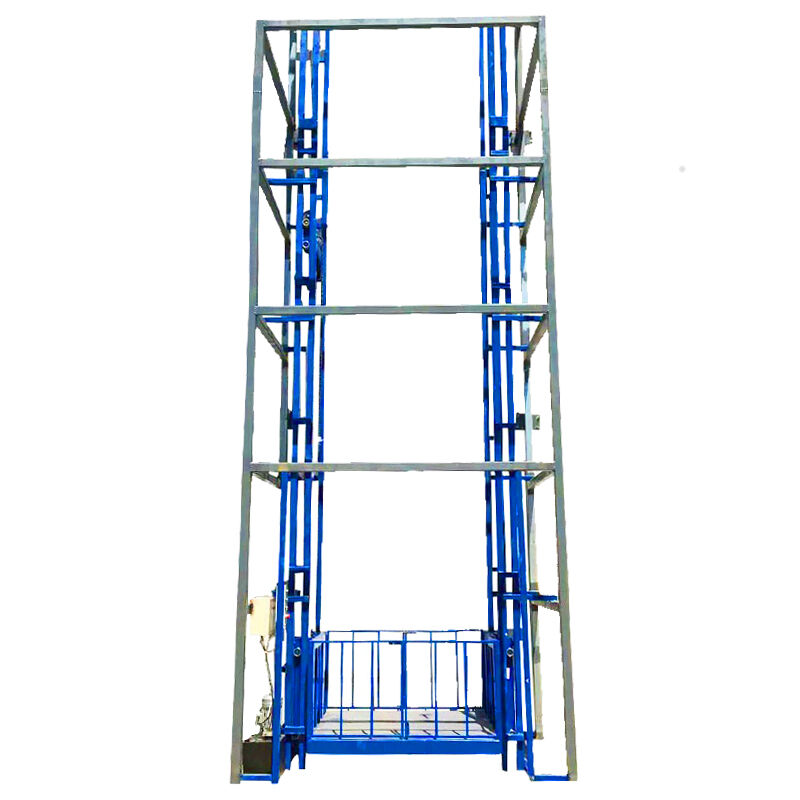
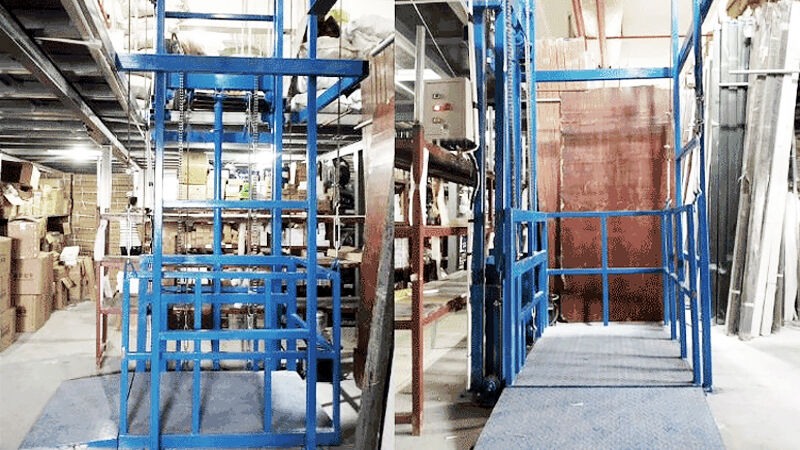
A hydraulic cargo lift represents a cutting-edge vertical transportation solution designed to move heavy loads efficiently between different floor levels in industrial and commercial environments. This sophisticated mechanical system utilizes hydraulic power to operate a robust lifting platform, making it an indispensable tool for warehouses, manufacturing facilities, distribution centers, and multi-story buildings requiring reliable material handling capabilities. The hydraulic cargo lift operates through a pressurized fluid system that generates tremendous lifting force while maintaining precise control over the elevation process. Unlike traditional mechanical lifts that rely on cables and pulleys, hydraulic systems provide smoother operation and enhanced safety features. The core mechanism consists of a hydraulic cylinder, pump unit, control valve system, and a sturdy platform designed to accommodate substantial weight loads. Modern hydraulic cargo lift models incorporate advanced safety sensors, emergency stop mechanisms, and automated positioning systems that ensure optimal performance and operator protection. These units typically feature adjustable travel heights, customizable platform dimensions, and variable weight capacities ranging from several hundred pounds to multiple tons. The technological architecture includes precision-engineered components such as high-pressure hydraulic pumps, durable sealing systems, and corrosion-resistant materials that withstand demanding operational conditions. Applications for hydraulic cargo lifts span numerous industries including automotive manufacturing, food processing, pharmaceutical production, retail distribution, and construction projects. Installation flexibility allows these systems to be integrated into existing structures or incorporated into new facility designs. The hydraulic cargo lift serves as a cost-effective alternative to traditional freight elevators, particularly in situations where space constraints or building modifications limit conventional elevator installation options.

New Products

Hydraulic cargo lifts deliver exceptional value through their superior load-bearing capabilities and operational reliability compared to alternative lifting solutions. These systems excel in handling substantial weight loads with remarkable stability, making them ideal for transporting heavy machinery, bulk materials, and oversized equipment between floors. The hydraulic mechanism provides smooth acceleration and deceleration, reducing mechanical stress on transported goods and minimizing the risk of damage during vertical movement. Energy efficiency stands as a significant advantage, as hydraulic cargo lifts consume power only during upward movement, with gravity naturally assisting the descent process. This operational characteristic results in lower electricity costs and reduced environmental impact compared to continuously powered systems. Maintenance requirements remain minimal due to the simple mechanical design and fewer moving parts than traditional cable-operated lifts. The absence of overhead machinery rooms simplifies installation and reduces building modifications, allowing property owners to maximize usable space while implementing efficient vertical transportation. Safety features integrated into hydraulic cargo lifts surpass industry standards, incorporating multiple backup systems, pressure relief valves, and emergency descent capabilities that protect both operators and cargo. The precise control offered by hydraulic systems enables accurate positioning at multiple floor levels, streamlining loading and unloading procedures. Durability proves exceptional, with properly maintained hydraulic cargo lifts operating reliably for decades under demanding conditions. Cost-effectiveness emerges through lower initial investment compared to passenger elevators, reduced installation complexity, and minimal ongoing operational expenses. Customization options allow businesses to specify platform dimensions, weight capacities, and control features that match their specific operational requirements. Weather resistance enables outdoor installations, expanding application possibilities for loading docks and industrial facilities. The quiet operation of hydraulic systems minimizes workplace disruption, making them suitable for environments where noise control remains important. Versatility allows hydraulic cargo lifts to accommodate diverse load types, from palletized goods to irregularly shaped equipment, providing businesses with flexible material handling solutions that adapt to changing operational needs.

Tips And Tricks

What Are the Advantages of Choosing a Custom Lift Manufacturer?

05

Mar

What Are the Advantages of Choosing a Custom Lift Manufacturer?

When businesses need vertical transportation solutions, they often face a critical decision: choose a standard, off-the-shelf lift system or partner with a custom lift manufacturer. While pre-engineered lifts may seem like the simpler option, working...
View More
Why Are Stationary Scissor Lifts Popular in Manufacturing Plants?

16

Mar

Why Are Stationary Scissor Lifts Popular in Manufacturing Plants?

Manufacturing plants worldwide have increasingly turned to stationary scissor lifts as essential equipment for their vertical material handling and access needs. These robust hydraulic platforms have become indispensable in modern industrial operatio...
View More
How Do Car Lifts for Home Garage Add Value to Real Estate Projects?

20

Mar

How Do Car Lifts for Home Garage Add Value to Real Estate Projects?

Car lifts for home garage installations have emerged as a premium feature that significantly enhances property value in today's competitive real estate market. These sophisticated automotive storage solutions transform ordinary residential garages in...
View More
What Are the Key Benefits of Installing a Goods Lift in Factories?

30

Mar

What Are the Key Benefits of Installing a Goods Lift in Factories?

In today’s highly competitive industrial environment, factories are under constant pressure to improve operational efficiency, reduce labor costs, and ensure workplace safety. One of the most practical solutions adopted by modern manufactu...
View More

Get a Free Quote

Our representative will contact you soon.
Email
Mobile/WhatsApp
Name
Company Name
Message
0/1000

hydraulic cargo lift

Unmatched Load Capacity and Structural Integrity

Unmatched Load Capacity and Structural Integrity

The hydraulic cargo lift demonstrates exceptional load-bearing capabilities that set it apart from conventional lifting equipment, offering businesses the ability to transport extremely heavy materials with complete confidence and safety. This remarkable strength derives from the fundamental physics of hydraulic systems, where pressurized fluid generates enormous force through relatively compact mechanisms. The structural design incorporates heavy-duty steel construction, reinforced platform surfaces, and engineered support systems capable of handling loads ranging from 2,000 pounds to over 20,000 pounds depending on the specific model configuration. The platform construction utilizes high-grade steel plates with anti-slip surfaces, ensuring secure load positioning during transport operations. Safety margins built into hydraulic cargo lift designs typically exceed required specifications by significant percentages, providing additional security for critical lifting operations. The hydraulic cylinder technology employs precision-manufactured components with multiple sealing systems that maintain consistent pressure and prevent hydraulic fluid leaks. This robust construction enables the hydraulic cargo lift to handle concentrated loads, distributed weights, and irregularly shaped cargo without compromising operational safety or mechanical integrity. The lifting mechanism distributes weight evenly across the platform surface, preventing stress concentration points that could lead to structural failure. Regular load testing procedures verify that each hydraulic cargo lift maintains its rated capacity throughout its operational lifespan. The engineering excellence extends to the foundation requirements, where proper installation ensures optimal load distribution to building structures. Quality materials resist corrosion, fatigue, and environmental degradation, maintaining structural integrity even in challenging industrial environments. The hydraulic cargo lift system includes built-in overload protection that prevents operation beyond safe capacity limits, automatically shutting down the system if excessive weight is detected. This intelligent safety feature protects both the equipment and facility infrastructure from potential damage caused by overloading situations.
Advanced Safety Systems and Operational Control

Advanced Safety Systems and Operational Control

Modern hydraulic cargo lift installations incorporate comprehensive safety systems that exceed industry standards and provide multiple layers of protection for operators, cargo, and facility personnel. These sophisticated safety features begin with redundant hydraulic circuits that maintain operational control even if primary systems experience technical issues. Emergency stop buttons positioned at multiple locations allow immediate system shutdown from various operational positions, ensuring rapid response capabilities during unexpected situations. The hydraulic cargo lift includes pressure relief valves that automatically regulate system pressure and prevent dangerous over-pressurization conditions that could compromise equipment integrity. Mechanical safety locks engage automatically when the platform reaches designated floor levels, providing secure positioning that prevents accidental movement during loading and unloading procedures. The control systems feature intuitive interfaces with clear operational indicators, enabling operators to monitor system status and respond appropriately to various operational conditions. Safety sensors detect obstructions in the travel path and automatically halt movement to prevent collisions or entrapment situations. The hydraulic cargo lift incorporates emergency lowering capabilities that allow controlled descent even during power failures or hydraulic system malfunctions. Velocity controls ensure smooth acceleration and deceleration, preventing sudden movements that could destabilize cargo or create unsafe working conditions. The electrical components utilize industrial-grade protection against moisture, dust, and temperature fluctuations commonly encountered in demanding work environments. Regular safety inspections and maintenance protocols ensure continued compliance with applicable safety regulations and operational standards. The hydraulic cargo lift design includes fail-safe mechanisms that default to secure positions if system anomalies are detected. Training programs for operators cover proper usage procedures, safety protocols, and emergency response actions. The comprehensive safety approach extends to installation requirements, ensuring proper electrical connections, structural mounting, and environmental considerations that support safe long-term operation of the hydraulic cargo lift system.
Cost-Effective Installation and Long-Term Value

Cost-Effective Installation and Long-Term Value

The hydraulic cargo lift represents an outstanding investment opportunity for businesses seeking efficient vertical transportation solutions without the substantial costs associated with traditional passenger elevators or complex mechanical lifting systems. Installation expenses remain significantly lower due to simplified structural requirements that eliminate the need for overhead machine rooms, extensive shaft modifications, or specialized building reinforcements typically required for conventional elevator systems. The hydraulic cargo lift utilizes compact hydraulic power units that can be positioned in convenient locations, reducing space requirements and minimizing facility modifications during installation procedures. Professional installation teams complete typical hydraulic cargo lift projects in shorter timeframes compared to traditional elevator installations, reducing business disruption and allowing faster return to normal operations. The modular design approach enables customization of platform dimensions, travel heights, and capacity specifications to match specific facility requirements without extensive engineering modifications or cost premiums. Energy consumption patterns favor hydraulic cargo lift systems, as power requirements focus primarily on upward movement cycles while gravity assists descent operations, resulting in lower monthly electricity expenses. Maintenance costs remain predictably low due to the mechanical simplicity of hydraulic systems, with fewer moving components compared to cable-operated alternatives that require frequent adjustments and part replacements. The hydraulic cargo lift components demonstrate exceptional longevity when properly maintained, with hydraulic cylinders, pumps, and control systems often operating reliably for decades before requiring major service interventions. Operational flexibility allows businesses to modify usage patterns, adjust capacity requirements, or relocate hydraulic cargo lift systems to different facility areas as operational needs evolve over time. The return on investment accelerates through improved productivity, reduced manual handling requirements, and elimination of time-consuming material transportation methods that rely on multiple workers and extended process cycles. Insurance benefits may include reduced liability exposure due to enhanced safety features and decreased workplace injury risks associated with manual material handling. The hydraulic cargo lift maintains strong resale value, providing asset protection for businesses that may relocate or modify their operational requirements in future years.

Get a Free Quote

Our representative will contact you soon.
Email
Mobile/WhatsApp
Name
Company Name
Message
0/1000