ścienne hydrauliczne podnośniki towarowe
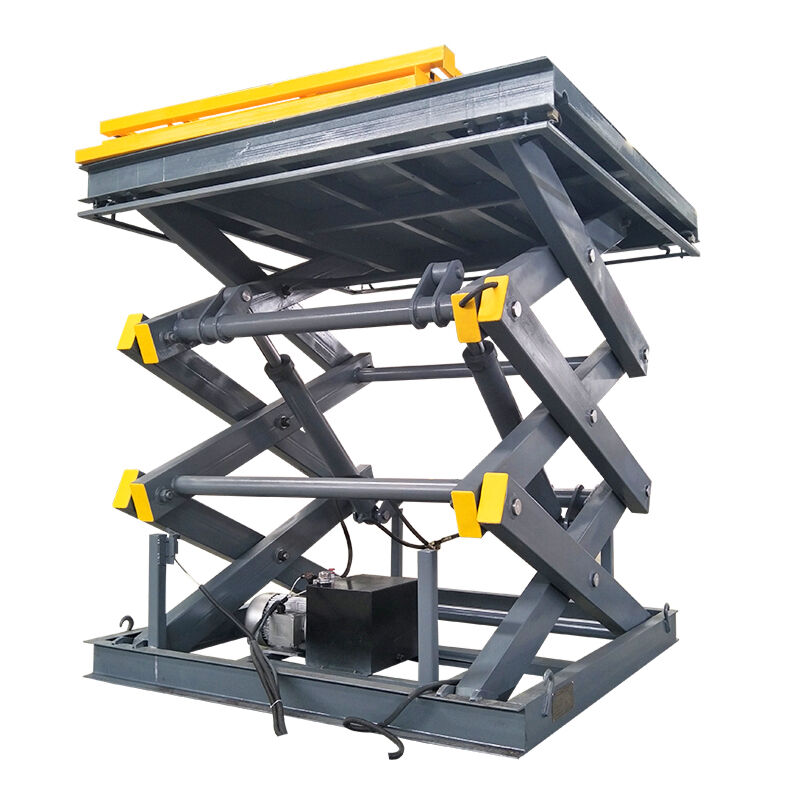
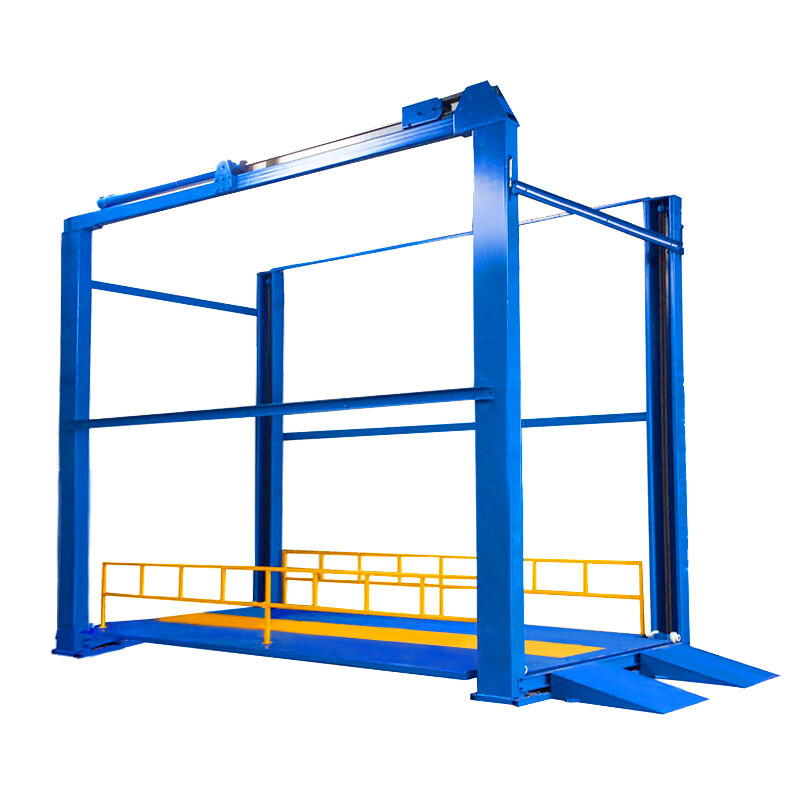
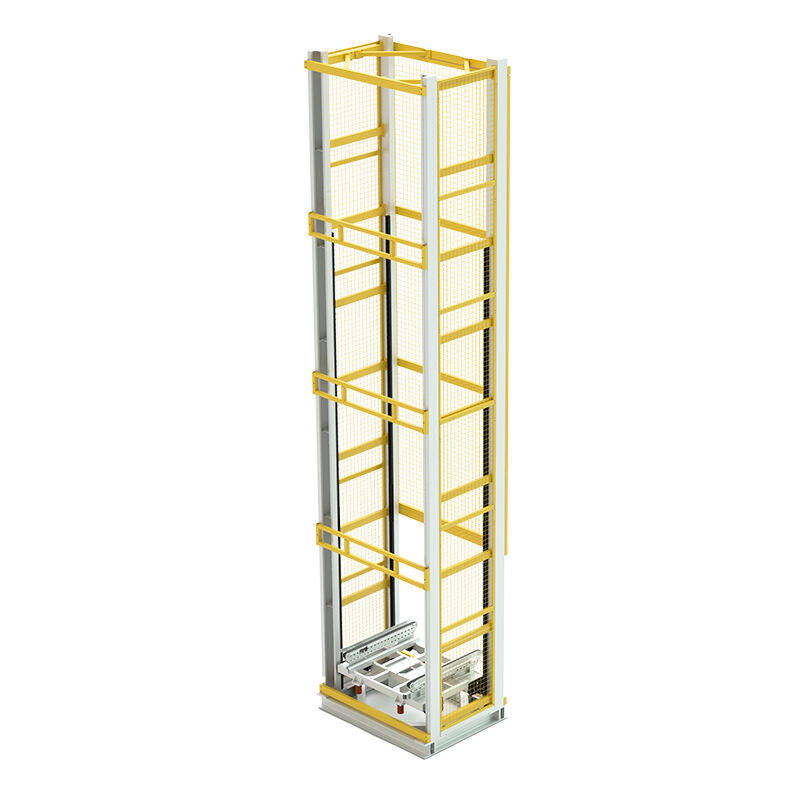
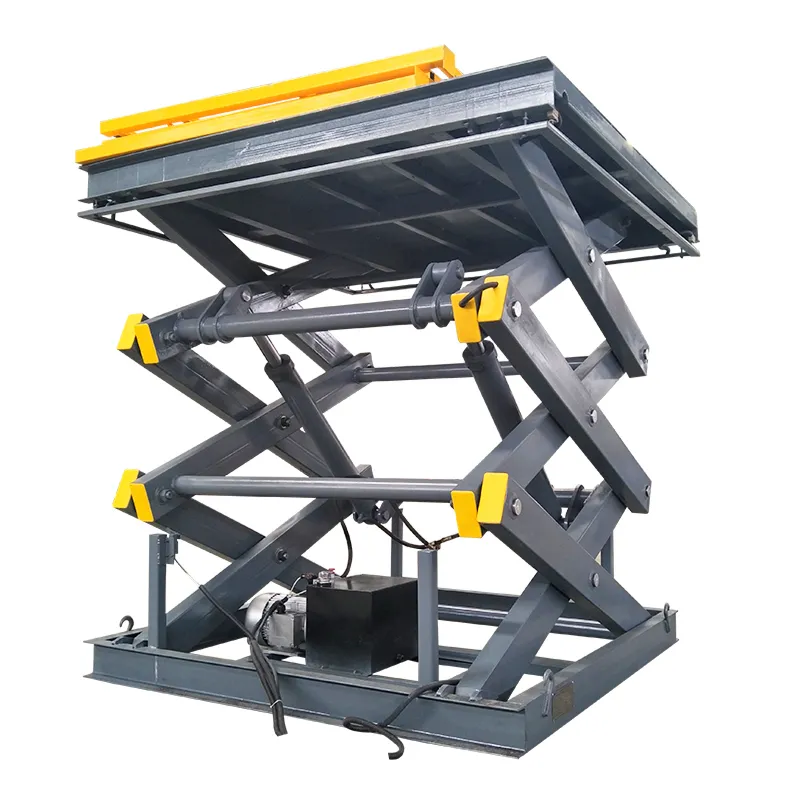
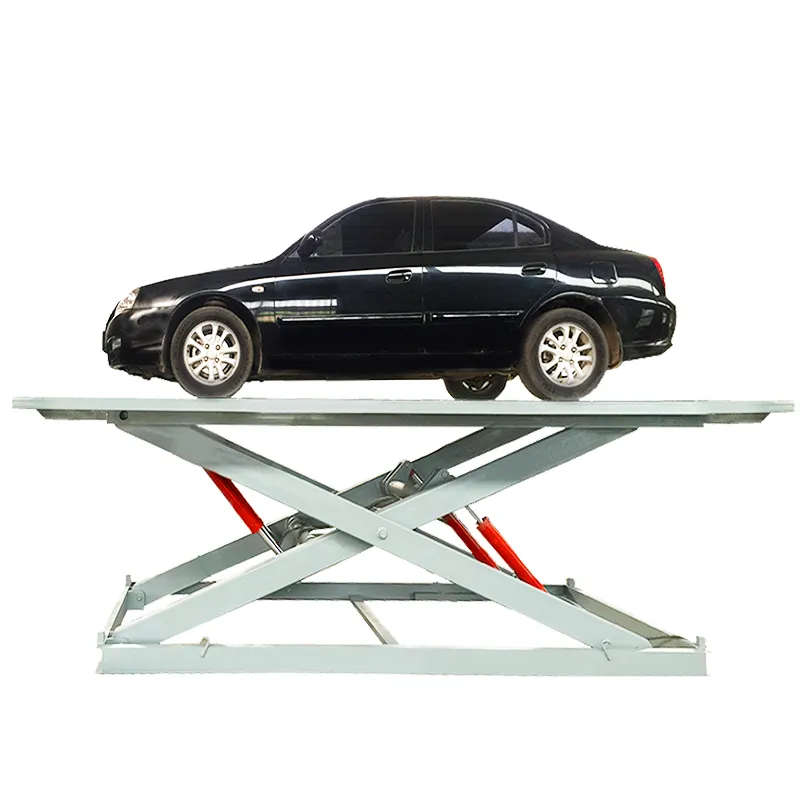
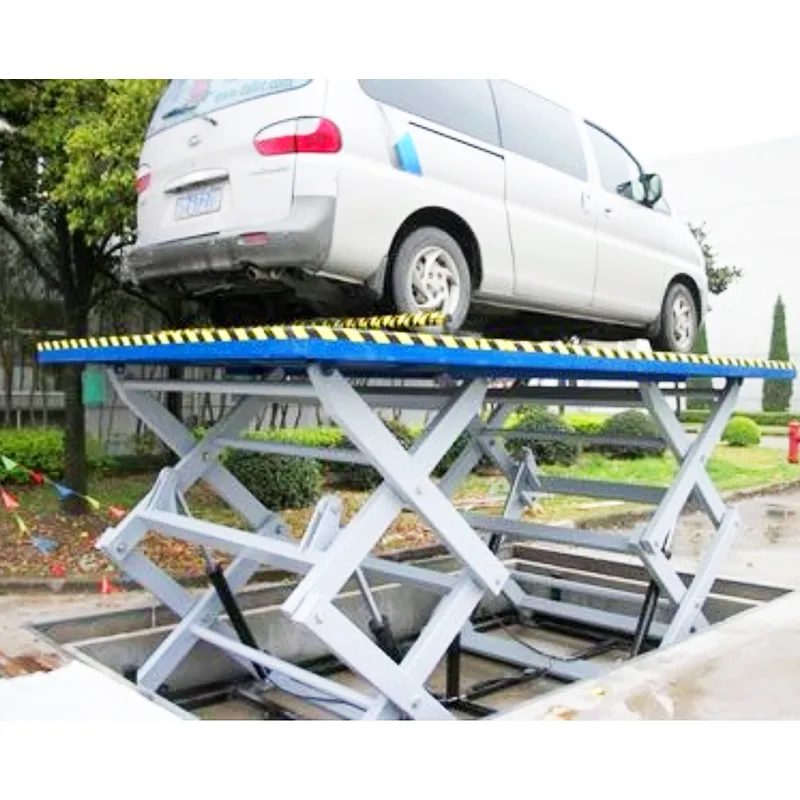
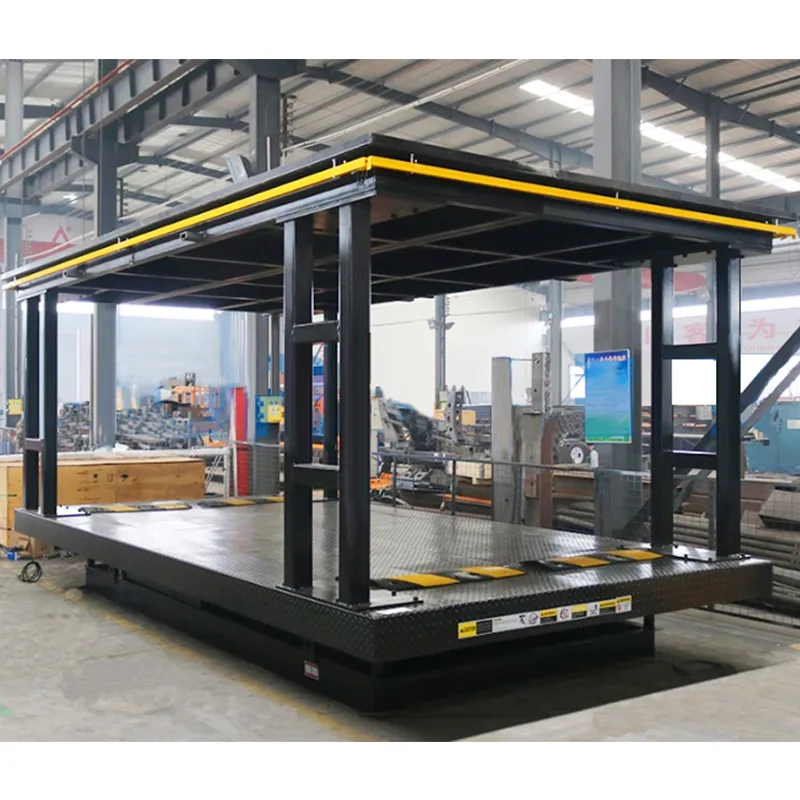
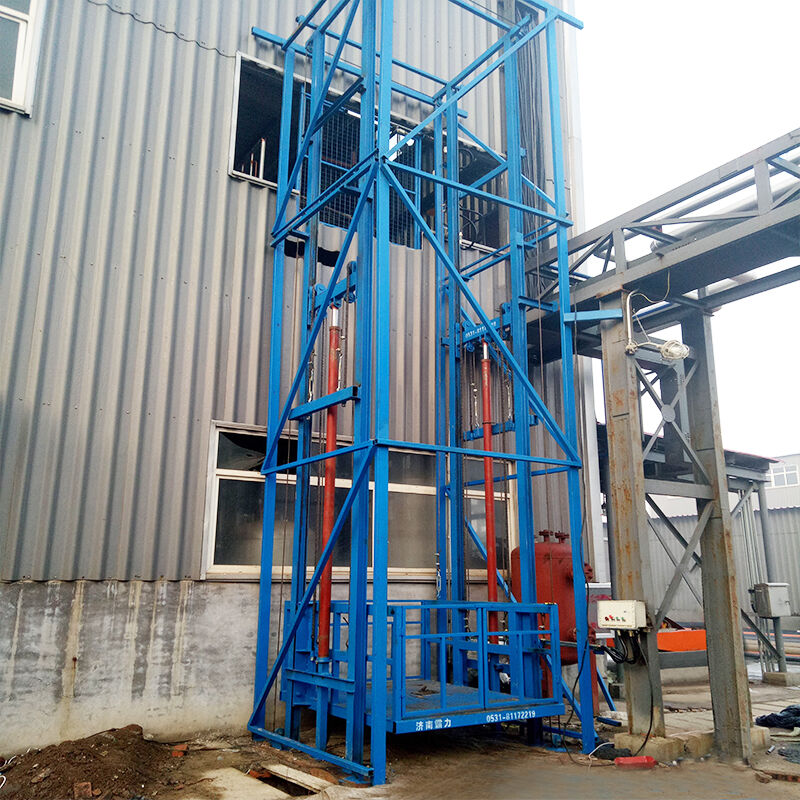
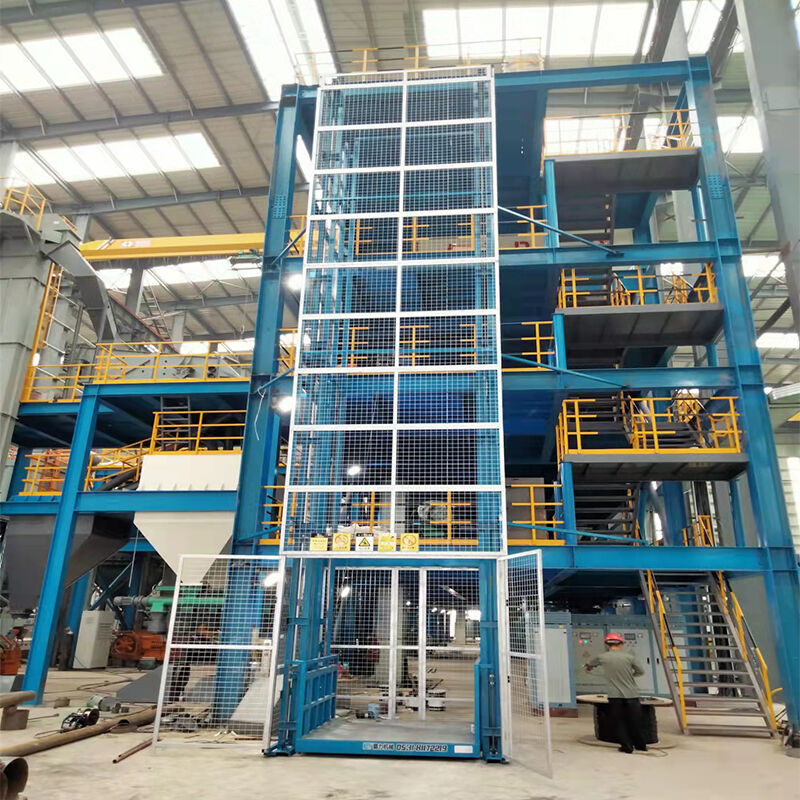
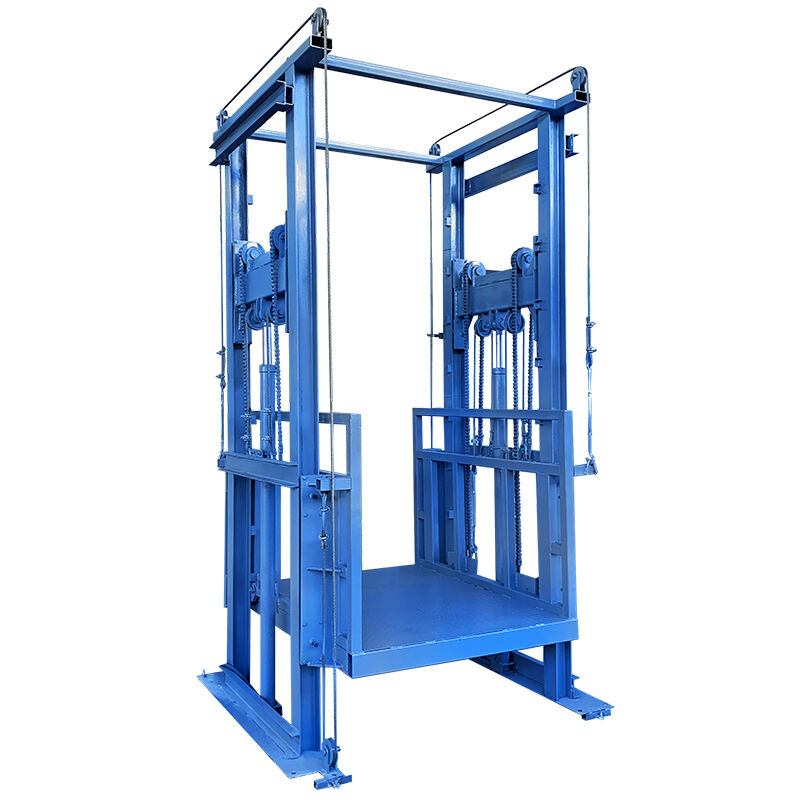
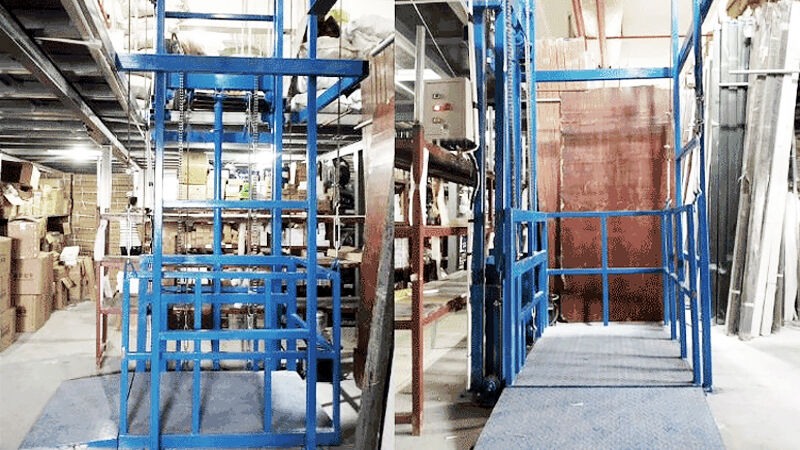
Wmontowany w ścianę hydrauliczny podnośnik to innowacyjne rozwiązanie transportu pionowego przeznaczone do przemieszczania ciężkich materiałów i sprzętu między różnymi poziomami piętrowymi w obiektach komercyjnych, przemysłowych oraz mieszkaniowych. Ten specjalizowany system podnoszenia jest bezpośrednio mocowany do istniejących konstrukcji ścian, zapewniając oszczędne pod względem powierzchni alternatywne rozwiązanie w porównaniu z tradycyjnymi windami towarowymi, przy jednoczesnym zachowaniu wyjątkowej nośności i niezawodności eksploatacyjnej. Wmontowany w ścianę hydrauliczny podnośnik wykorzystuje układy napędu hydraulicznego do generowania gładkiego, kontrolowanego ruchu pionowego, co czyni go idealnym rozwiązaniem dla obiektów o ograniczonej dostępnej przestrzeni lub tam, gdzie montaż tradycyjnego szybu windy byłby niewykonalny lub zbyt kosztowny. Takie systemy charakteryzują się zazwyczaj solidną stalową konstrukcją oraz wzmocnionymi uchwytami montażowymi, które równomiernie rozprowadzają obciążenie na całą wspierającą konstrukcję ściany. Mechanizm hydrauliczny działa za pomocą układów cieczy pod ciśnieniem, zapewniając stałą siłę podnoszenia oraz precyzyjne pozycjonowanie na określonych poziomach piętrowych. Nowoczesne jednostki wmontowanych w ścianę hydraulicznych podnośników towarowych wyposażone są w zaawansowane funkcje bezpieczeństwa, w tym przyciski awaryjnego zatrzymania, systemy ochrony przed przeciążeniem oraz mechanizmy bezpieczne w przypadku awarii, uniemożliwiające przypadkowe opuszczenie ładunku. Systemy sterowania często zawierają intuicyjne interfejsy użytkownika z wieloma trybami pracy, umożliwiając operatorom dobór odpowiedniej prędkości podnoszenia oraz pozycji zatrzymania w zależności od konkretnych wymagań dotyczących ładunku. Elastyczność montażu czyni te systemy szczególnie atrakcyjnymi w przypadku modernizacji istniejących budynków, gdzie modyfikacje konstrukcyjne muszą być zminimalizowane. Wmontowany w ścianę hydrauliczny podnośnik towarowy może być dostosowany do różnych rozmiarów platformy i nośności, zwykle w zakresie od 500 do 5000 funtów, co czyni go odpowiednim dla szerokiego spektrum zastosowań, w tym operacji magazynowych, zakładów produkcyjnych, środowisk detalicznych oraz budynków mieszkalnych wielopiętrowych. Wymagania serwisowe są zazwyczaj proste i obejmują okresowe sprawdzanie poziomu i stanu płynu hydraulicznego, inspekcje systemów bezpieczeństwa oraz smarowanie elementów mechanicznych, zapewniając długotrwałą niezawodność eksploatacyjną oraz opłacalność eksploatacji.
 EN
EN