Platform Lift for Goods: Efficient Vertical Material Transportation Solutions

Get a Free Quote

Our representative will contact you soon.
Email
Mobile/WhatsApp
Name
Company Name
Message
0/1000

platform lift for goods

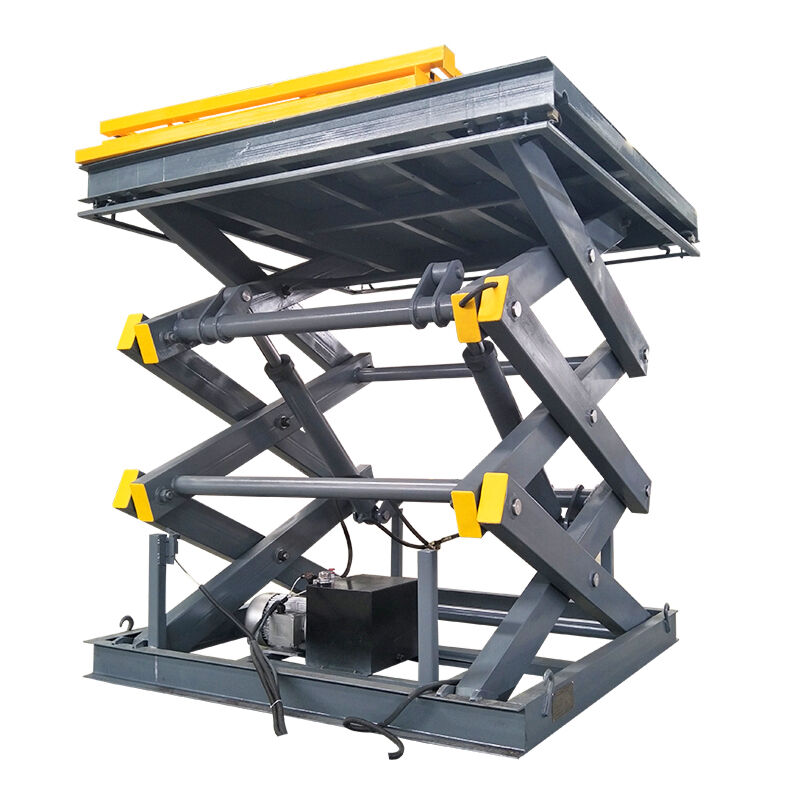
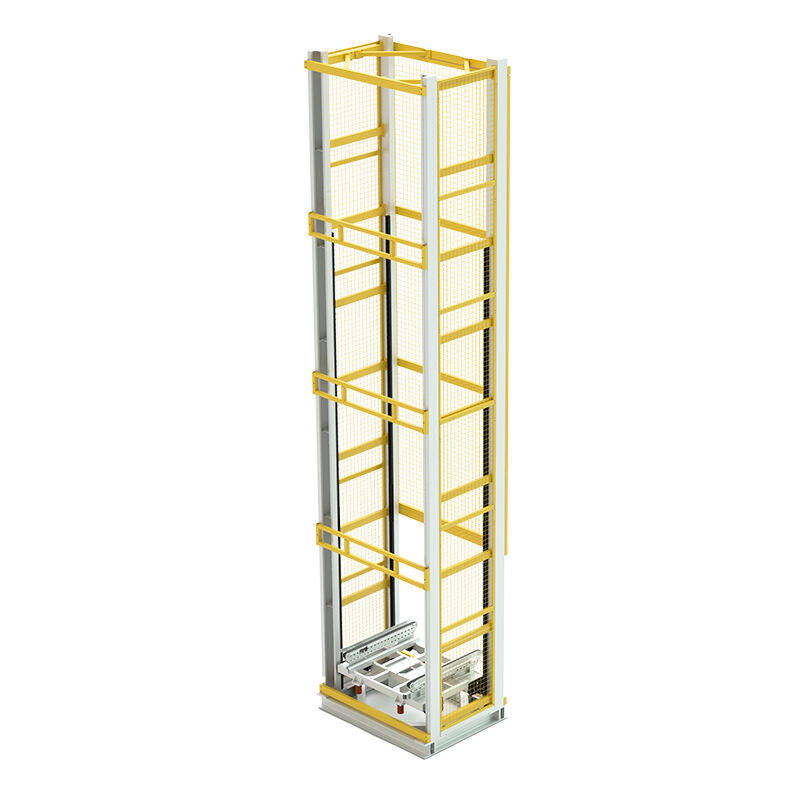
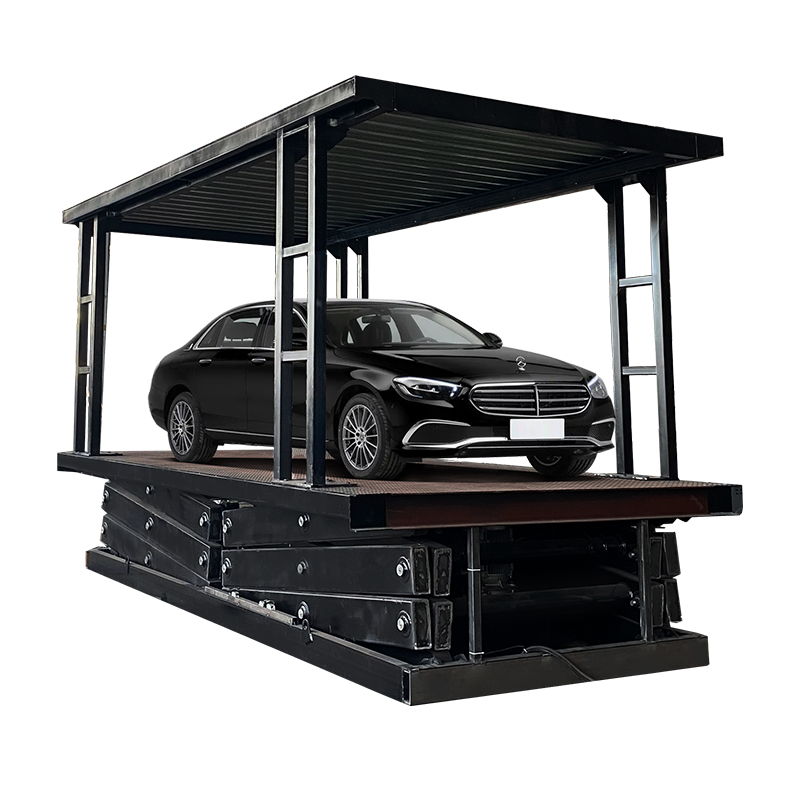
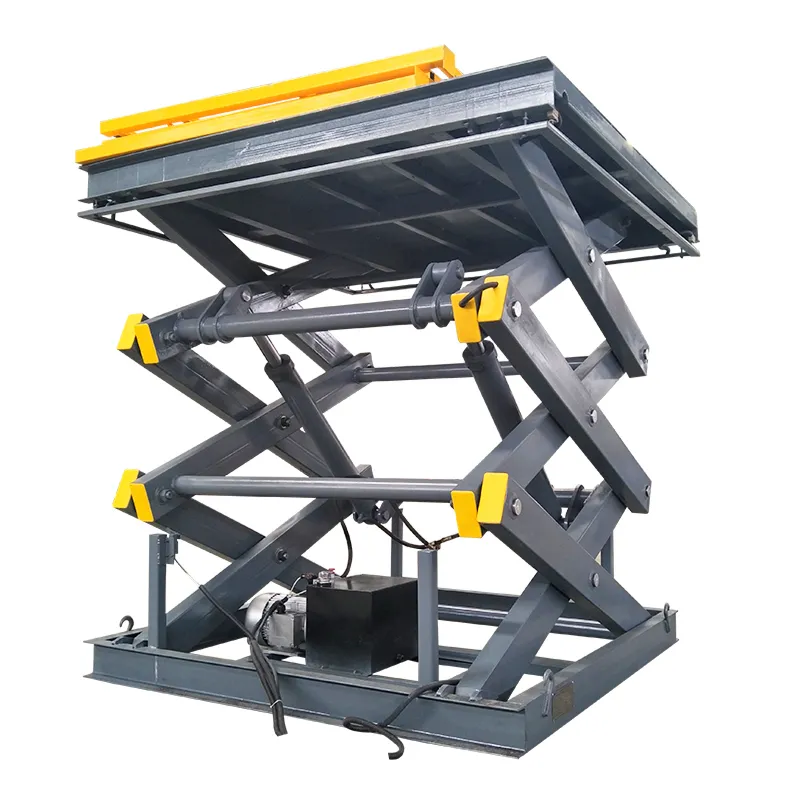
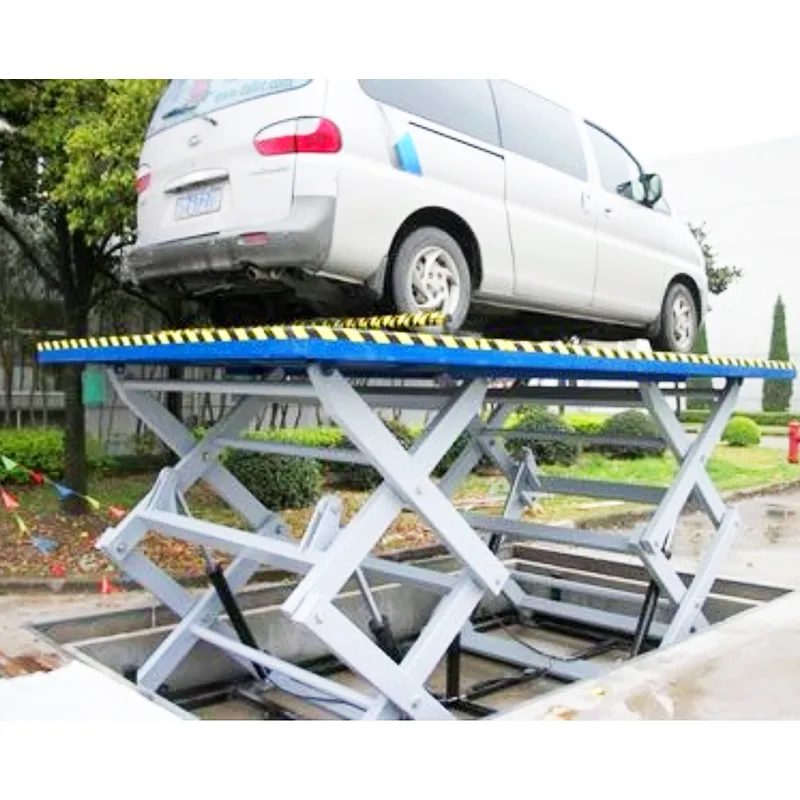
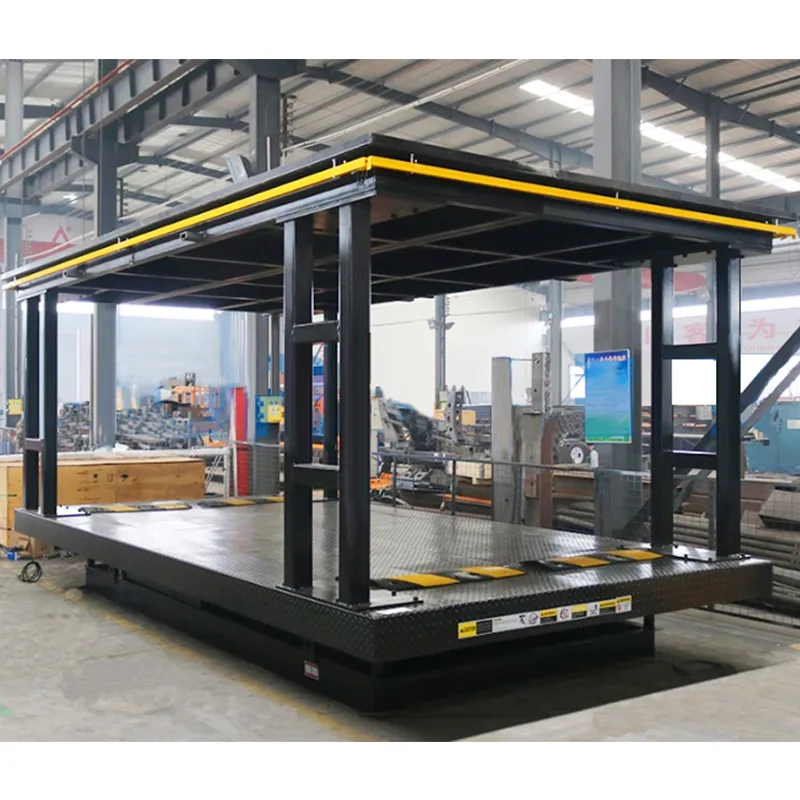
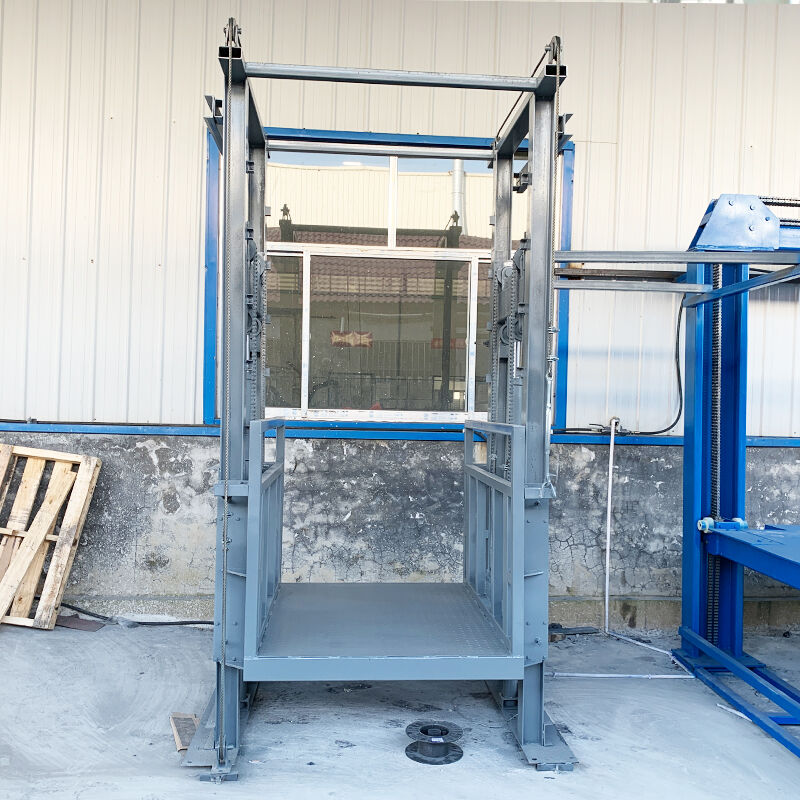
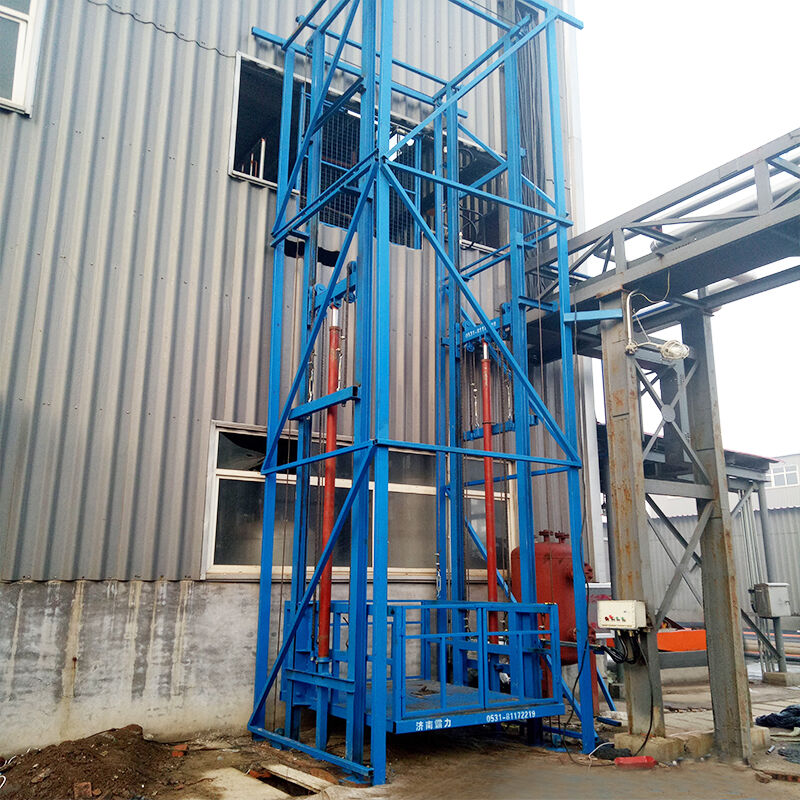
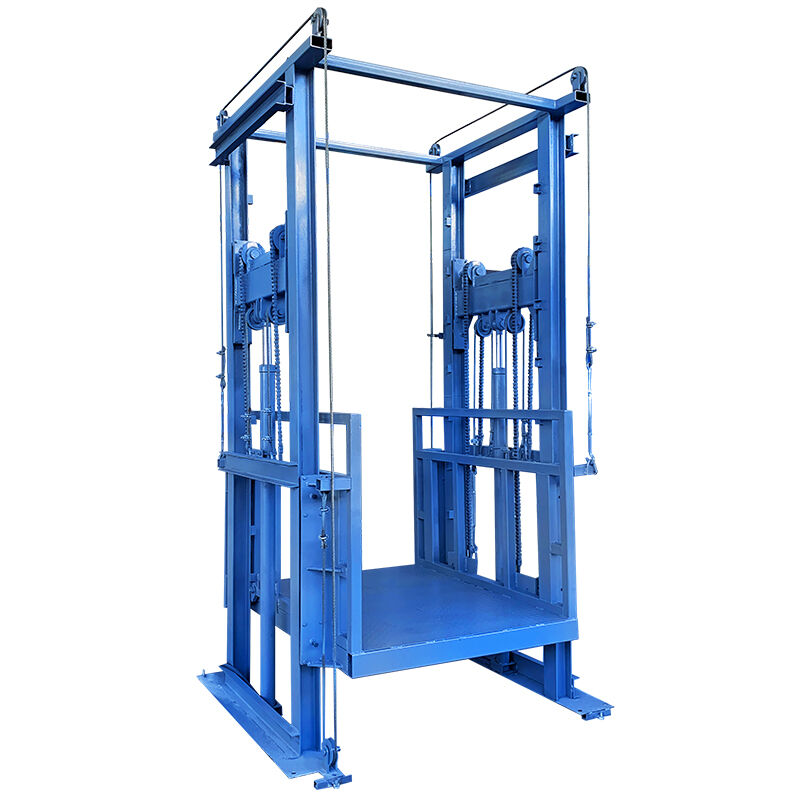
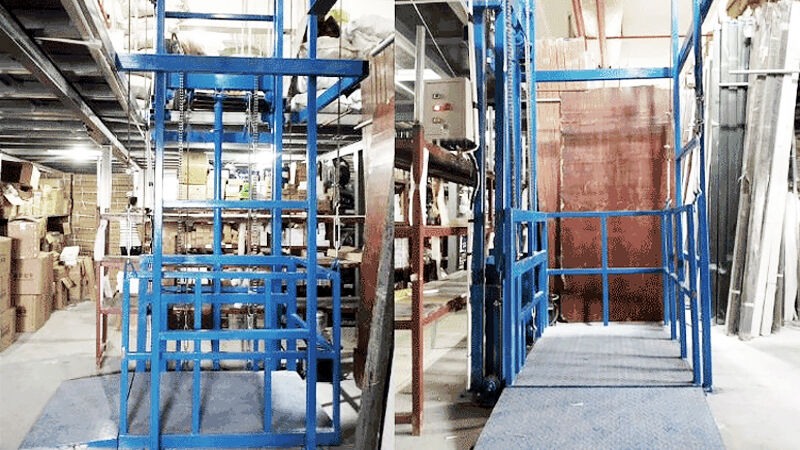
A platform lift for goods represents an essential vertical transportation solution designed specifically for moving materials, equipment, and cargo between different floor levels in commercial, industrial, and warehouse environments. This specialized lifting equipment serves as a crucial component in modern material handling systems, enabling efficient vertical movement of heavy loads without requiring manual labor or complex machinery operations. The platform lift for goods operates through a hydraulic or electric mechanism that raises and lowers a sturdy platform along guided rails, ensuring smooth and controlled vertical transportation. These systems typically feature robust construction with steel frameworks capable of supporting substantial weight capacities ranging from several hundred to thousands of pounds. The platform dimensions vary according to specific requirements, accommodating everything from small packages to large industrial equipment. Modern platform lift for goods installations incorporate advanced safety features including emergency stop buttons, overload protection systems, and automatic door interlocks to prevent accidents during operation. The control systems often feature user-friendly interfaces with push-button controls or remote operation capabilities, allowing operators to manage the lifting process efficiently. Installation flexibility represents another key characteristic, as these systems can be integrated into existing buildings or incorporated into new construction projects. The platform lift for goods can be customized with various access configurations, including single or multiple entry points, depending on the facility layout and operational requirements. Many units feature weatherproof construction for outdoor applications, while indoor models focus on space optimization and noise reduction. The technology behind these systems continues to evolve, incorporating energy-efficient motors, regenerative braking systems, and smart control panels that provide diagnostic information and maintenance alerts. Regular maintenance requirements remain minimal compared to traditional freight elevators, making the platform lift for goods an economical choice for businesses requiring reliable vertical transportation solutions.

New Product Releases

The platform lift for goods delivers numerous practical benefits that make it an intelligent investment for businesses across various industries. First, these systems significantly reduce manual labor costs and workplace injuries associated with carrying heavy items up and down stairs or using makeshift lifting methods. Workers can simply load materials onto the platform and operate the lift safely from ground level, eliminating the physical strain and safety risks of manual transportation. The platform lift for goods also dramatically improves operational efficiency by reducing the time required to move materials between floors, allowing employees to focus on more productive tasks rather than spending excessive time on material transportation. Installation costs prove considerably lower than traditional freight elevators, as the platform lift for goods requires minimal structural modifications to existing buildings. These systems do not need expensive elevator shafts, machine rooms, or extensive electrical work, making them accessible to businesses with limited budgets or space constraints. The versatility of the platform lift for goods allows it to handle diverse load types, from pallets and boxes to machinery and equipment, providing a single solution for multiple transportation needs. Energy consumption remains remarkably low due to efficient motor systems and standby modes that reduce power usage when the lift is not in operation. Maintenance requirements stay minimal, with most systems requiring only periodic inspections and basic lubrication, resulting in lower long-term operational costs compared to complex elevator systems. The platform lift for goods offers exceptional reliability with fewer mechanical components than traditional elevators, reducing the likelihood of breakdowns and associated downtime costs. Compliance with safety regulations becomes straightforward, as most models meet or exceed industry standards for material handling equipment. The space-efficient design allows installation in areas where conventional elevators would be impractical, maximizing the use of available floor space. Quick installation timelines mean minimal disruption to daily operations, with most platform lift for goods installations completed within days rather than weeks. These systems provide excellent return on investment through increased productivity, reduced labor costs, and improved workplace safety, making them essential equipment for modern material handling operations.

Tips And Tricks

What Are the Advantages of Choosing a Custom Lift Manufacturer?

05

Mar

What Are the Advantages of Choosing a Custom Lift Manufacturer?

When businesses need vertical transportation solutions, they often face a critical decision: choose a standard, off-the-shelf lift system or partner with a custom lift manufacturer. While pre-engineered lifts may seem like the simpler option, working...
View More
How Does an Industrial Lift Support High-Load Transportation Tasks?

10

Mar

How Does an Industrial Lift Support High-Load Transportation Tasks?

Industrial facilities across manufacturing, warehousing, and logistics sectors face constant challenges in moving heavy materials between different floor levels efficiently and safely. The mechanism by which an industrial lift handles high-load trans...
View More
How Do Car Lifts for Home Garage Add Value to Real Estate Projects?

20

Mar

How Do Car Lifts for Home Garage Add Value to Real Estate Projects?

Car lifts for home garage installations have emerged as a premium feature that significantly enhances property value in today's competitive real estate market. These sophisticated automotive storage solutions transform ordinary residential garages in...
View More
What Are the Key Benefits of Installing a Goods Lift in Factories?

30

Mar

What Are the Key Benefits of Installing a Goods Lift in Factories?

In today’s highly competitive industrial environment, factories are under constant pressure to improve operational efficiency, reduce labor costs, and ensure workplace safety. One of the most practical solutions adopted by modern manufactu...
View More

Get a Free Quote

Our representative will contact you soon.
Email
Mobile/WhatsApp
Name
Company Name
Message
0/1000

platform lift for goods

Enhanced Safety and Risk Management

Enhanced Safety and Risk Management

The platform lift for goods incorporates comprehensive safety features that significantly reduce workplace accidents and liability concerns for business owners. Modern systems include multiple safety mechanisms such as emergency stop controls, overload protection sensors, and automatic safety gates that prevent access during operation. These safety features work together to create a secure environment for material transportation, eliminating common hazards associated with manual lifting, stair climbing with heavy loads, or improvised lifting methods. The platform lift for goods features interlocked safety systems that prevent operation when doors or gates are open, ensuring operators and bystanders remain protected throughout the lifting process. Advanced models include backup power systems that allow controlled lowering in case of power failure, preventing materials from becoming stranded between floors. The sturdy construction with reinforced platforms and guide rails provides stable support for heavy loads, reducing the risk of accidents caused by equipment failure or structural inadequacy. Regular safety inspections become simplified with diagnostic systems that alert operators to potential maintenance needs before they become safety hazards. The platform lift for goods eliminates the need for workers to carry heavy items on stairs, significantly reducing the risk of falls, back injuries, and repetitive strain injuries that commonly occur in manual material handling operations. Compliance with occupational safety regulations becomes achievable through properly installed and maintained systems that meet industry standards for material handling equipment. Insurance premiums may decrease as businesses demonstrate commitment to workplace safety through the installation of professional material handling equipment like the platform lift for goods. Training requirements remain minimal, as these systems feature intuitive controls that allow operators to quickly learn safe operation procedures without extensive certification programs. The visible safety improvements provided by a platform lift for goods also boost employee confidence and morale, creating a more positive work environment where staff feel protected and valued by their employers.
Cost-Effective Material Handling Solution

Cost-Effective Material Handling Solution

The platform lift for goods represents an exceptionally cost-effective approach to vertical material transportation, offering significant financial advantages over alternative solutions. Initial investment costs remain substantially lower than traditional freight elevators, as the platform lift for goods requires minimal building modifications and no expensive shaft construction or machine room installation. The installation process typically takes only a few days, reducing labor costs and minimizing business disruption compared to major construction projects required for conventional elevator systems. Operating expenses stay remarkably low due to energy-efficient motors that consume minimal electricity during operation and enter standby mode when not in use, resulting in reduced utility bills over the system's lifespan. Maintenance costs prove economical because the platform lift for goods features fewer complex mechanical components than traditional elevators, requiring only periodic inspections, basic lubrication, and occasional part replacements. The durability of these systems ensures long service life with proper maintenance, providing excellent return on investment through years of reliable operation without major overhauls or replacements. Labor cost savings become apparent immediately as employees can move larger quantities of materials more quickly and safely, reducing the time and personnel required for material transportation tasks. The platform lift for goods eliminates the need for expensive material handling equipment such as forklifts for vertical transportation, reducing equipment acquisition and maintenance costs while freeing up valuable floor space for other productive uses. Workers compensation insurance costs may decrease as businesses demonstrate reduced workplace injury risks through professional material handling equipment installation. The versatility of the platform lift for goods means one system can replace multiple pieces of material handling equipment, further reducing overall equipment costs and maintenance requirements. Tax benefits may apply to businesses installing accessibility or safety equipment, providing additional financial incentives for platform lift for goods installation. The increased productivity achieved through efficient material transportation translates directly into improved profitability as employees complete more work in less time with reduced physical strain and safety concerns.
Versatile Installation and Space Optimization

Versatile Installation and Space Optimization

The platform lift for goods excels in versatility and space optimization, making it suitable for virtually any commercial or industrial environment regardless of architectural constraints or space limitations. Unlike traditional elevators that require extensive structural modifications and dedicated shaft space, the platform lift for goods can be installed in tight spaces, corners, or areas with unusual layouts without compromising building integrity or requiring major construction work. The compact design allows integration into existing buildings where conventional elevator installation would be impossible or prohibitively expensive, making vertical transportation accessible to businesses operating in older buildings or structures with space constraints. Outdoor installation capabilities extend the versatility of the platform lift for goods to loading docks, warehouses, and industrial facilities where weather-resistant construction ensures reliable operation in various environmental conditions. The system can be configured with multiple access points on different floors, allowing flexible loading and unloading options that accommodate diverse workflow requirements and building layouts. Customization options include various platform sizes, weight capacities, and lifting heights to match specific operational needs, ensuring the platform lift for goods integrates seamlessly into existing material handling processes. The minimal footprint when not in operation preserves valuable floor space for other productive activities, while the vertical travel path requires no additional floor area beyond the platform dimensions. Installation flexibility allows the platform lift for goods to be positioned adjacent to walls, in corners, or as freestanding units depending on the facility layout and operational requirements. The modular design enables future modifications or relocations if business needs change, providing long-term adaptability that protects the initial investment. Integration with existing building systems such as electrical and control networks remains straightforward, reducing installation complexity and costs while ensuring seamless operation within the facility's infrastructure. The platform lift for goods can accommodate irregular or oversized loads that would be difficult or impossible to transport using stairs or conventional elevators, expanding the range of materials that can be moved efficiently between floors. Planning and permitting requirements typically involve less complexity than major construction projects, allowing faster implementation and reduced administrative costs for businesses seeking to improve their material handling capabilities.

Get a Free Quote

Our representative will contact you soon.
Email
Mobile/WhatsApp
Name
Company Name
Message
0/1000