rampa de empilhadeira para contêiner de carga
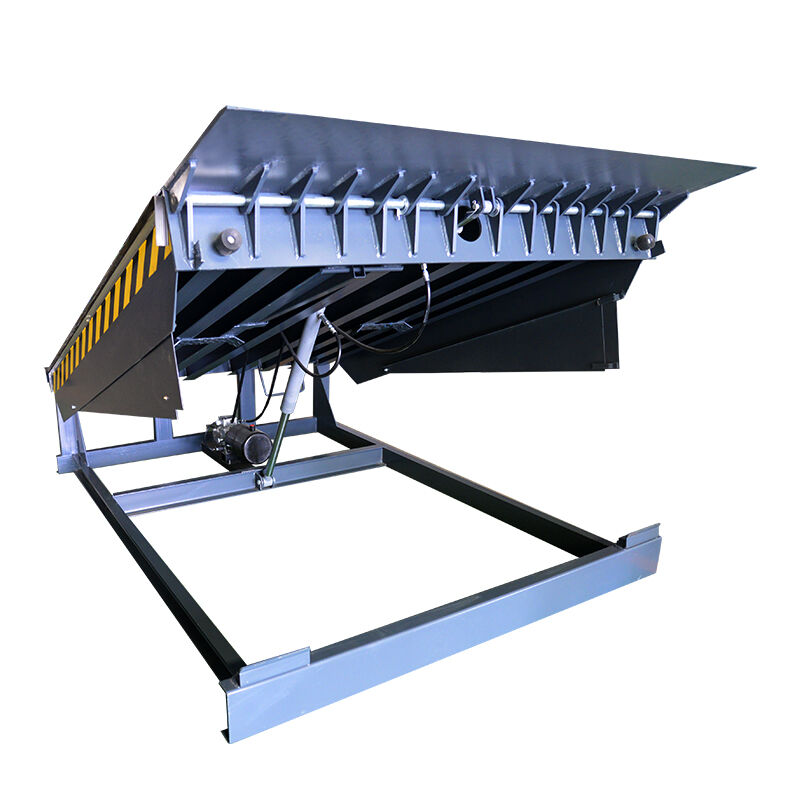
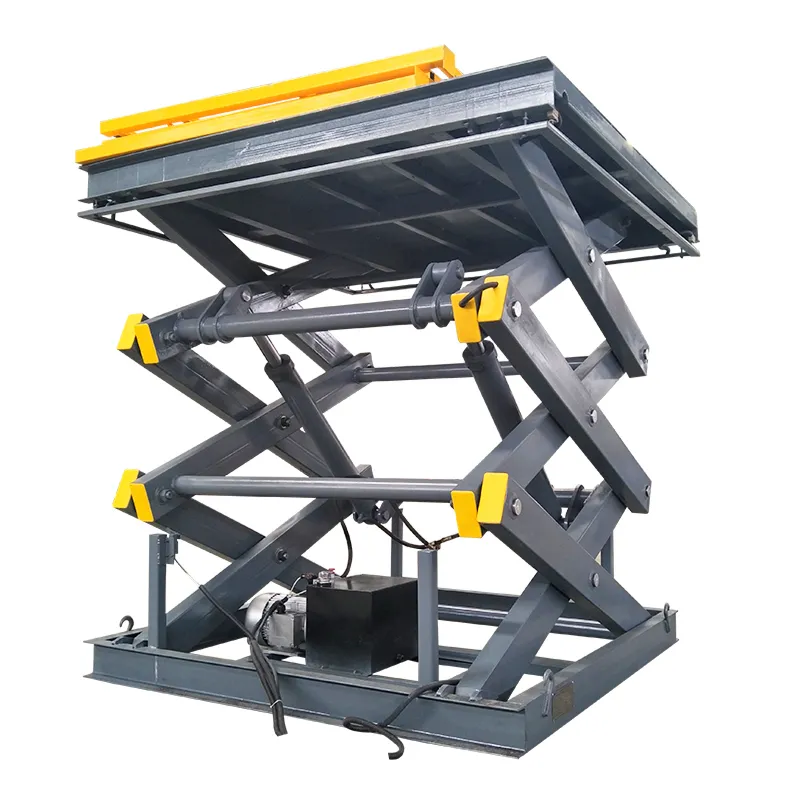
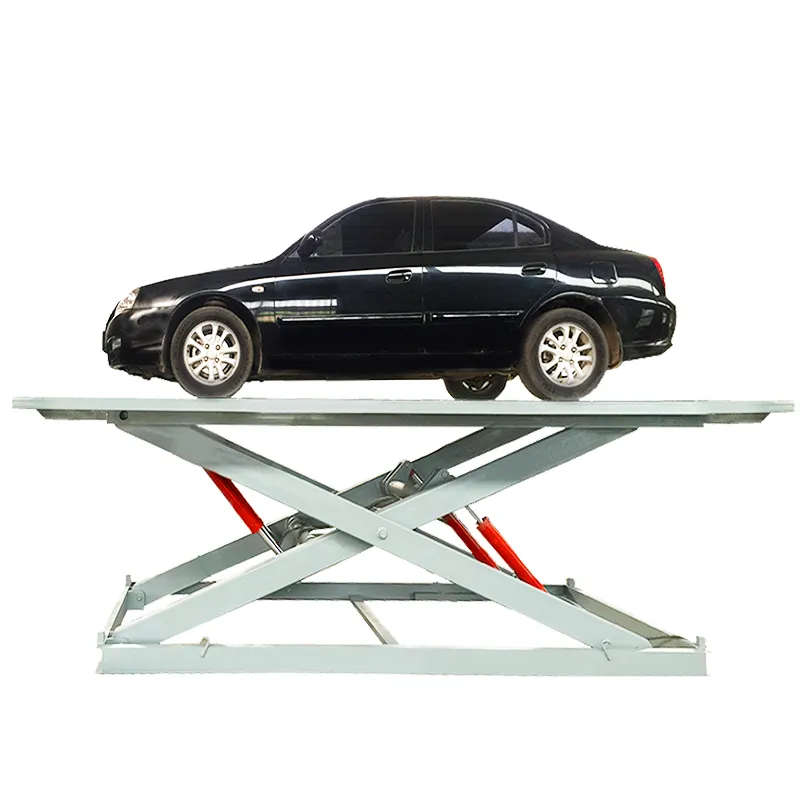
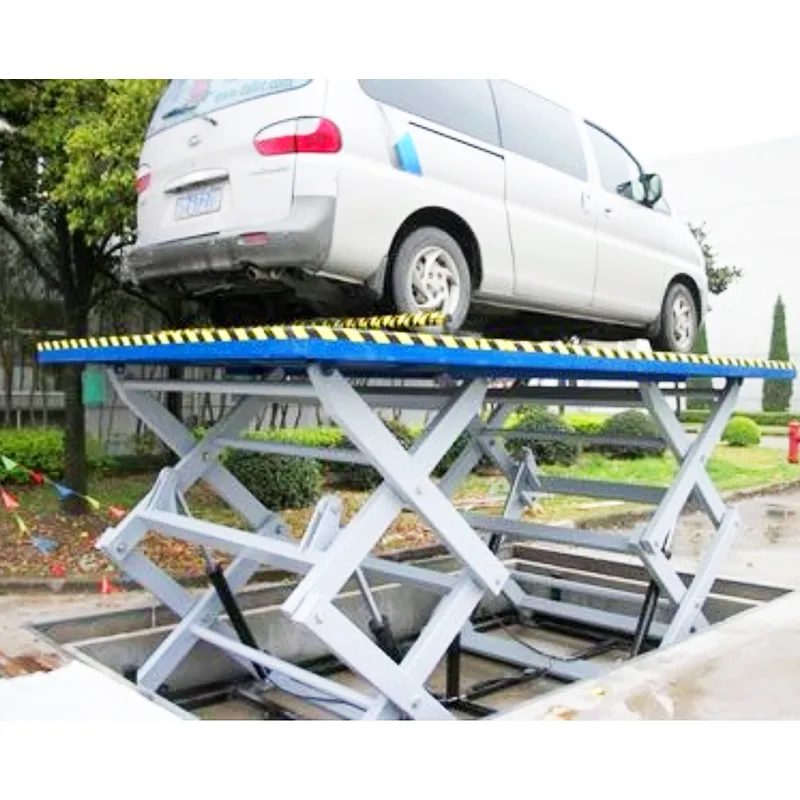
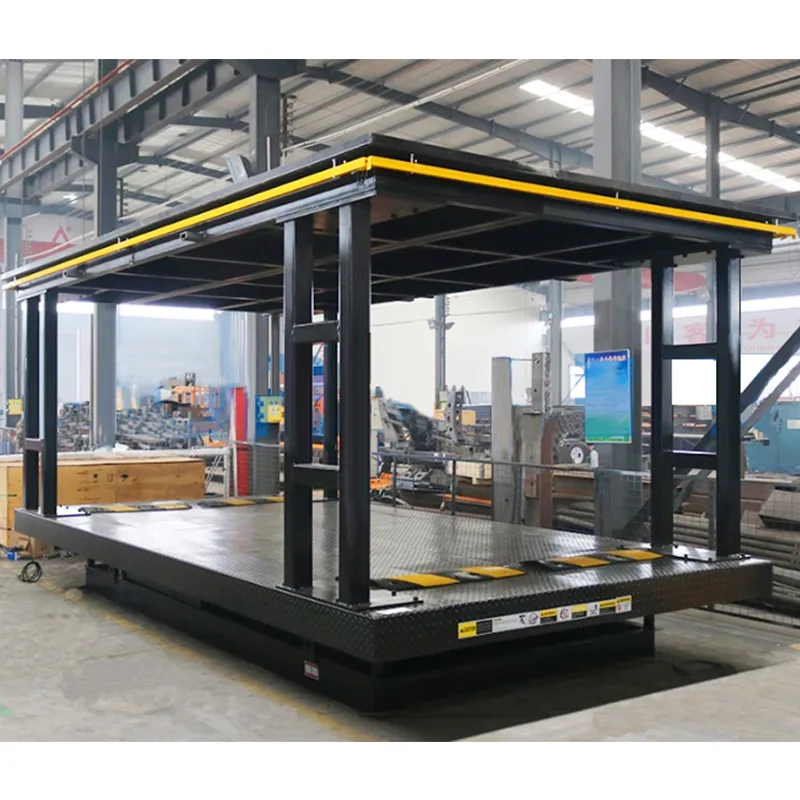
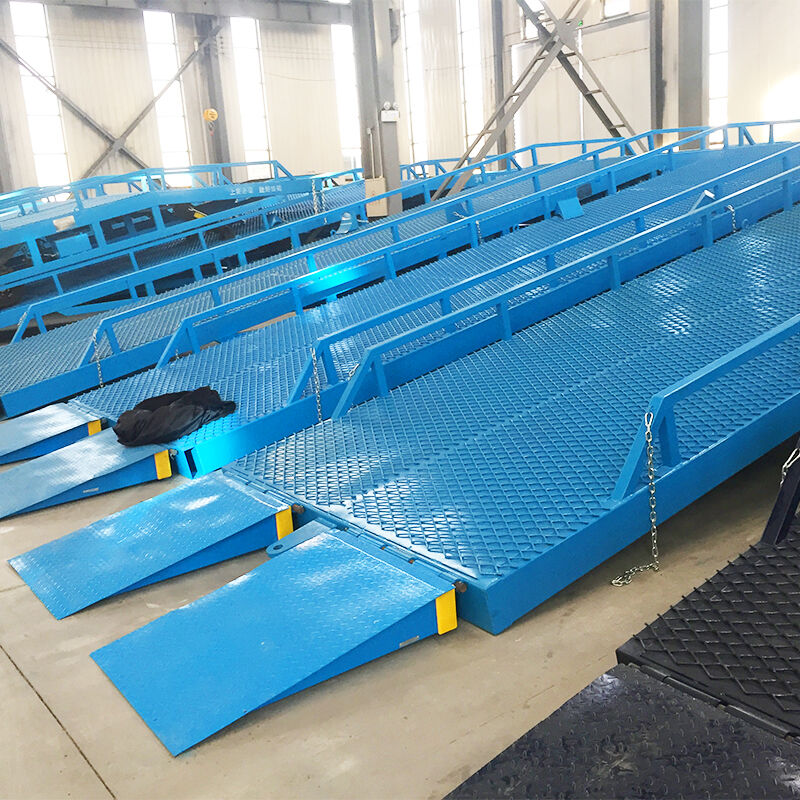
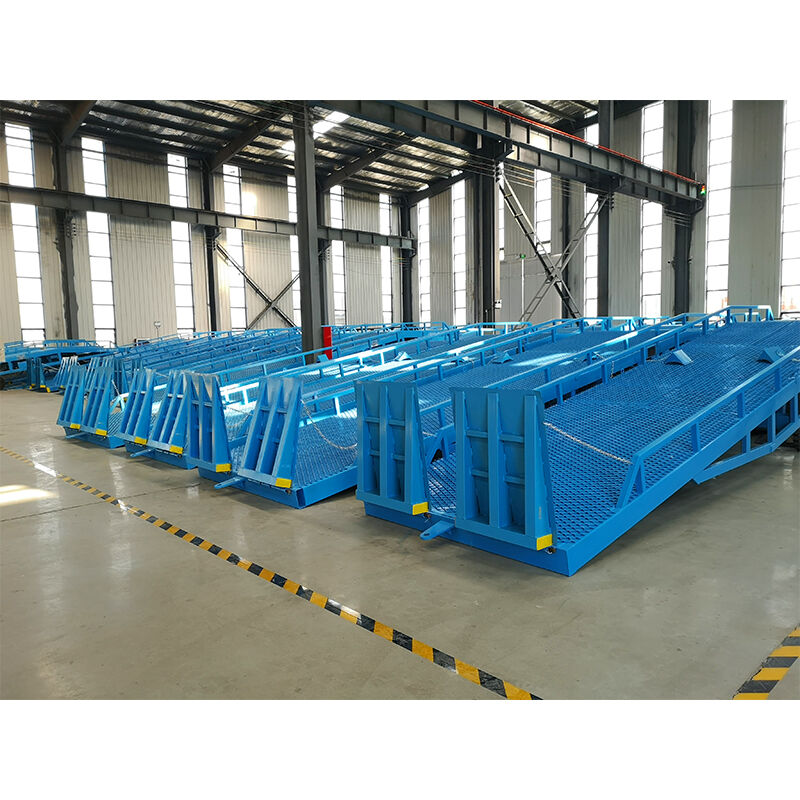
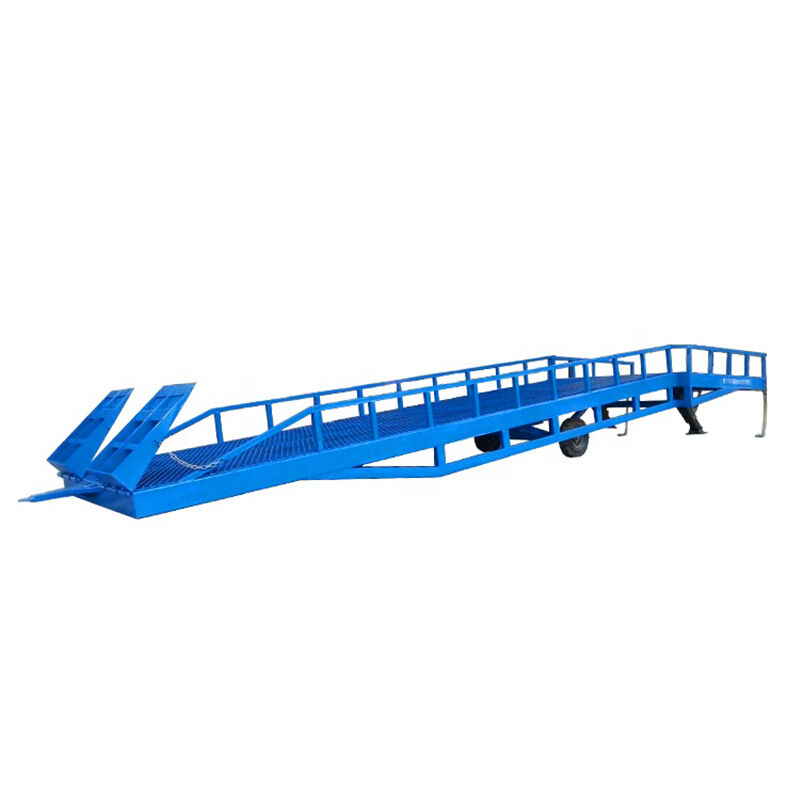
Uma rampa para empilhadeiras de contêineres marítimos serve como uma solução essencial para carregamento e descarregamento, projetada especificamente para armazéns, centros logísticos e instalações industriais que manipulam cargas em contêineres. Este equipamento especializado pontua a diferença de altura entre o nível do solo e o piso dos contêineres marítimos, permitindo operações eficientes e contínuas de movimentação de materiais. A rampa para empilhadeiras de contêineres marítimos apresenta uma construção robusta em aço, com vigas de suporte reforçadas capazes de suportar cargas pesadas, mantendo a integridade estrutural mesmo durante uso intensivo. Rampas modernas incorporam princípios avançados de engenharia para garantir uma distribuição ideal de peso e evitar deformações sob pressão. A superfície da rampa inclui padrões antiderrapantes que proporcionam aderência aprimorada para os pneus das empilhadeiras, reduzindo o risco de acidentes e melhorando a segurança operacional. A maioria das rampas para empilhadeiras de contêineres marítimos possui mecanismos ajustáveis de altura, compatíveis com diversos tipos e dimensões de contêineres, desde os padrão de vinte pés até os alongados de quarenta pés. Os recursos tecnológicos incluem sistemas hidráulicos de elevação que permitem aos operadores ajustar com precisão o ângulo da rampa, assegurando o alinhamento adequado com as aberturas dos contêineres. Barreiras de segurança e corrimãos são integrados ao projeto para impedir que as empilhadeiras saiam acidentalmente das bordas durante as operações de carregamento. A construção modular da rampa permite montagem e desmontagem fáceis, tornando-a adequada tanto para instalações temporárias quanto para fixações permanentes. Suas aplicações abrangem múltiplos setores, incluindo manufatura automotiva, distribuição de alimentos e bebidas, logística varejista e terminais de navegação internacional. Instalações portuárias utilizam amplamente essas rampas nas operações de movimentação de contêineres, enquanto fábricas dependem delas para o recebimento eficiente de matérias-primas e o embarque de produtos acabados. A rampa para empilhadeiras de contêineres marítimos reduz significativamente os tempos de carregamento em comparação com métodos manuais tradicionais, impactando diretamente a eficiência operacional e os custos com mão de obra. Revestimentos resistentes às intempéries protegem o equipamento contra corrosão e danos ambientais, garantindo confiabilidade a longo prazo em aplicações externas.
 EN
EN