Stationary Hydraulic Scissor Lift: Industrial Material Handling Solutions

Get a Free Quote

Our representative will contact you soon.
Email
Mobile/WhatsApp
Name
Company Name
Message
0/1000

stationary hydraulic scissor lift

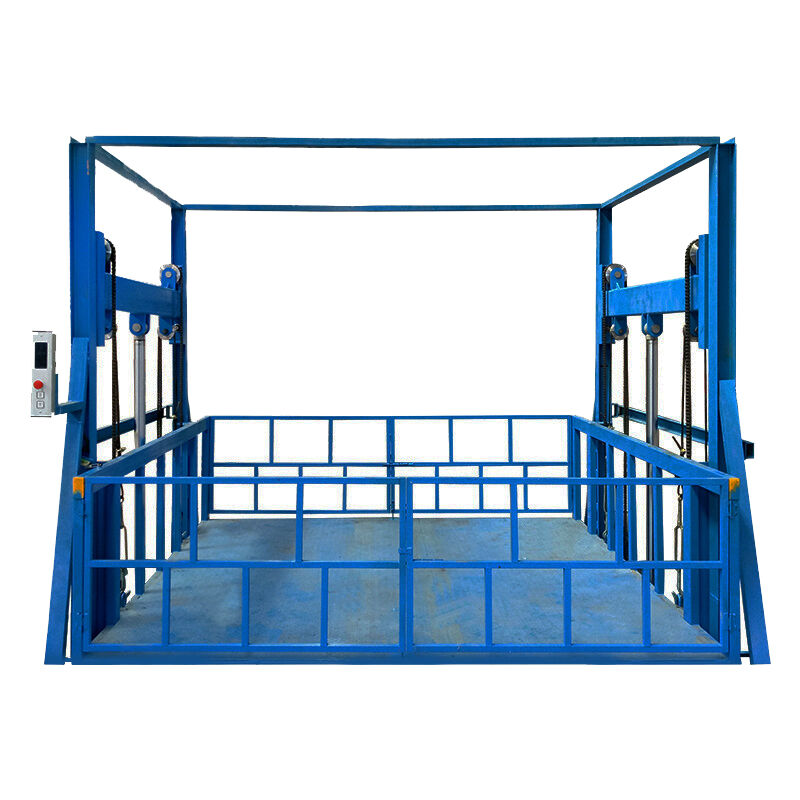
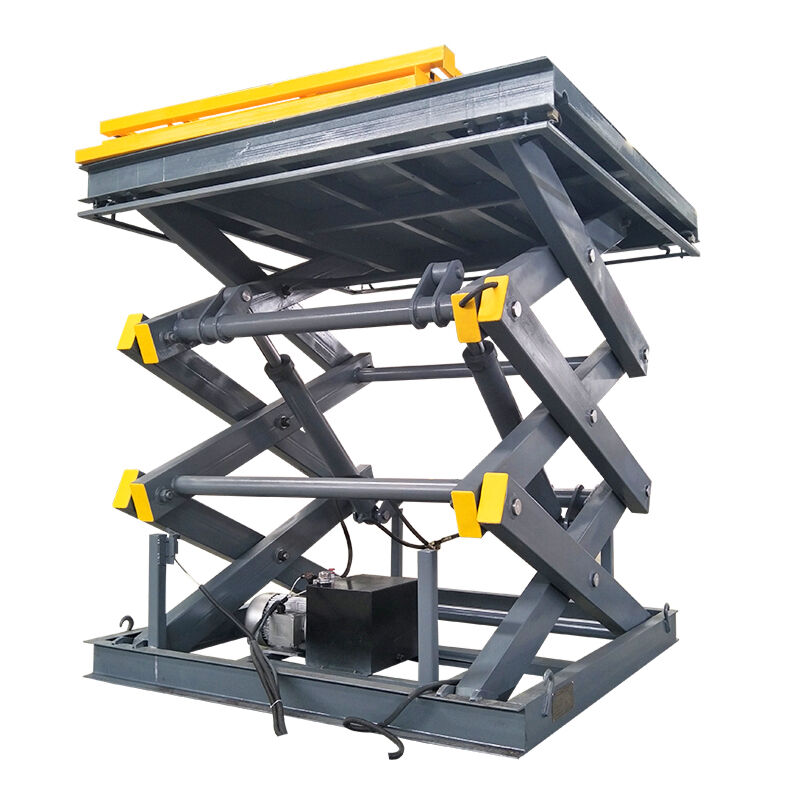
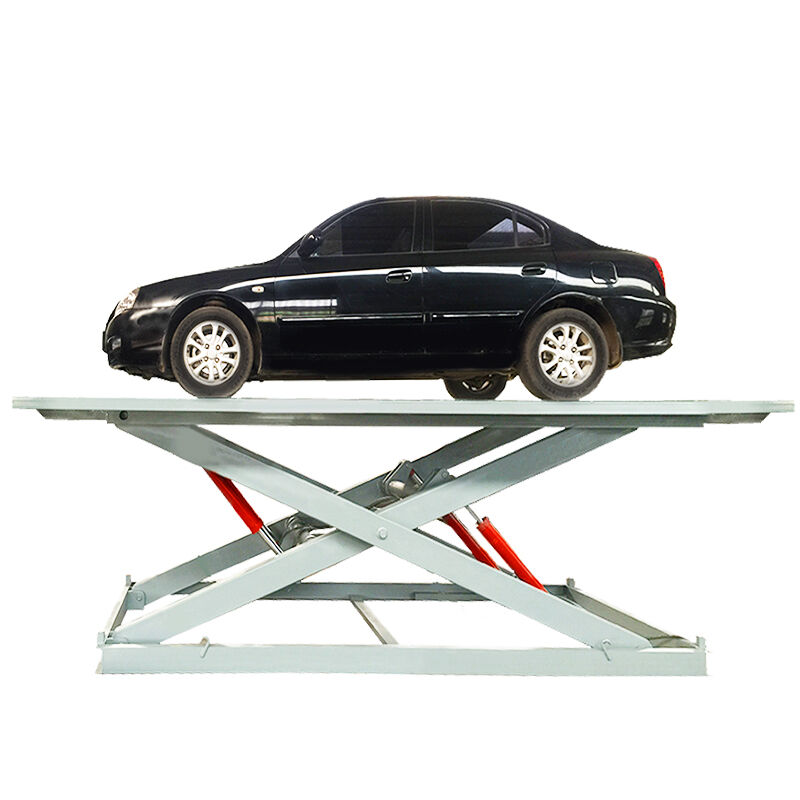
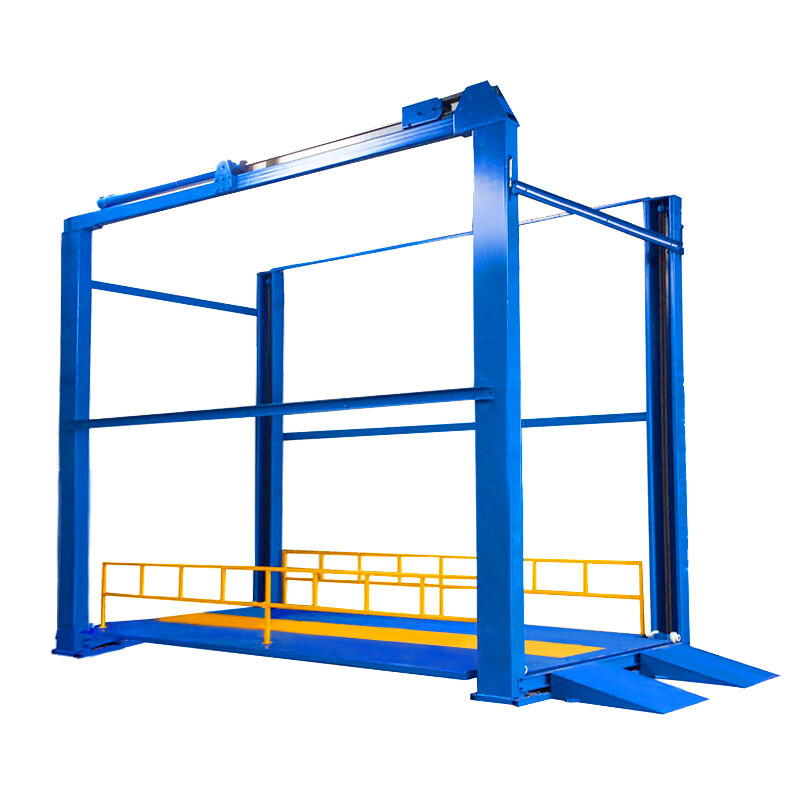
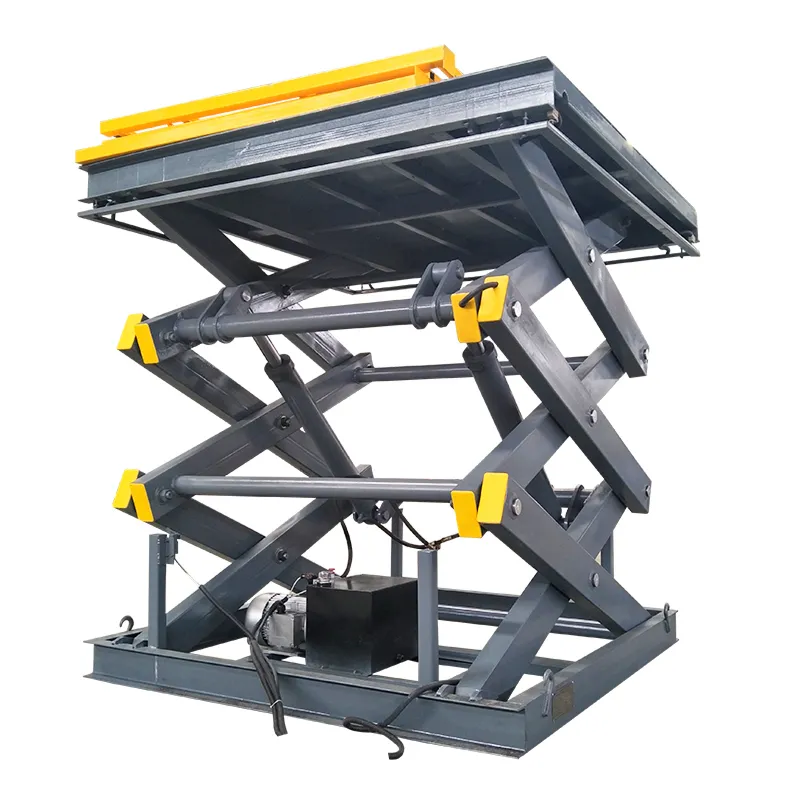
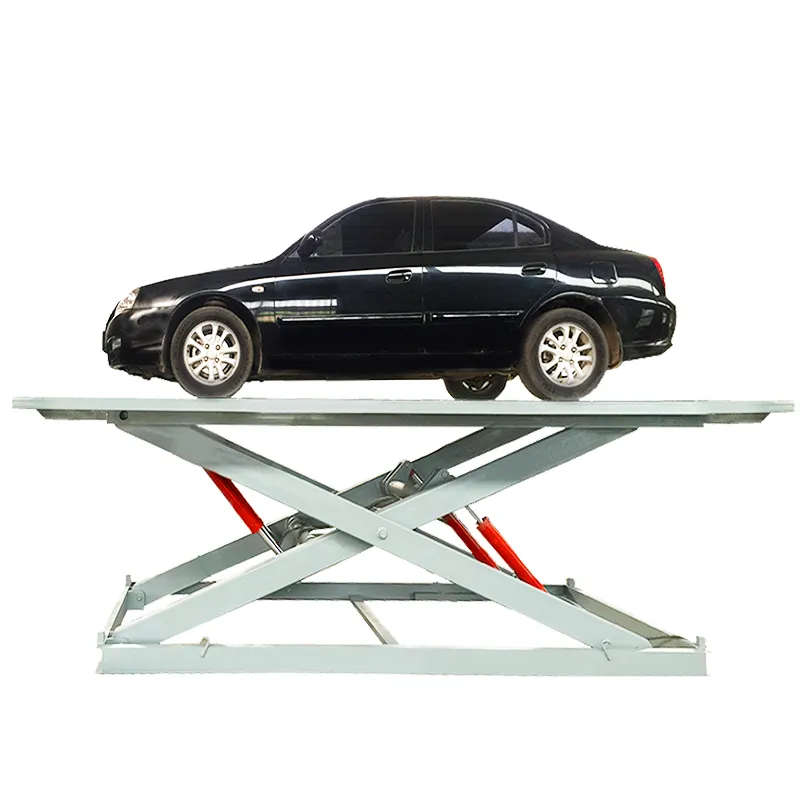
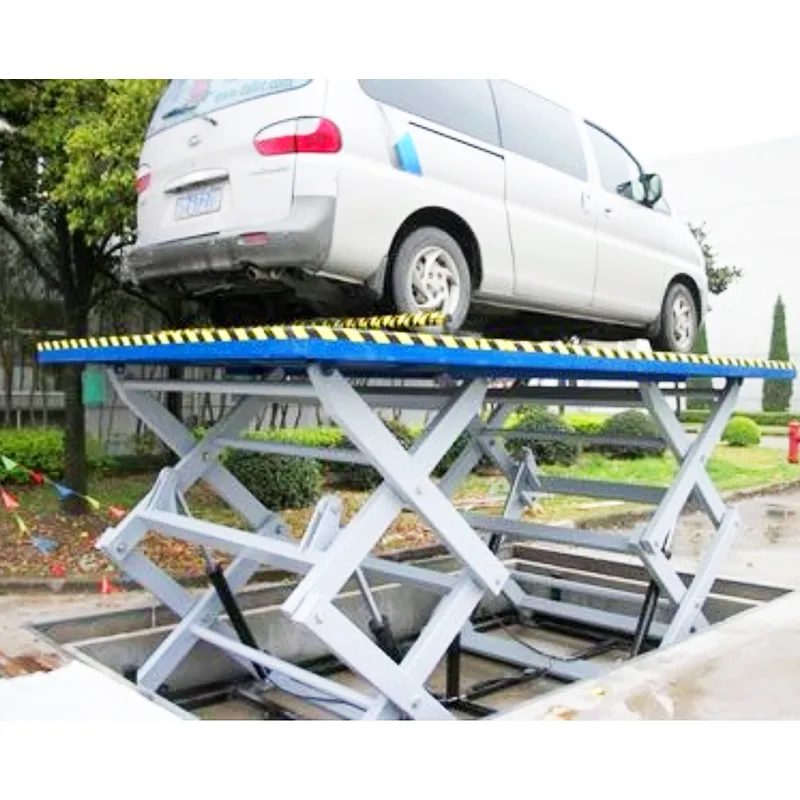
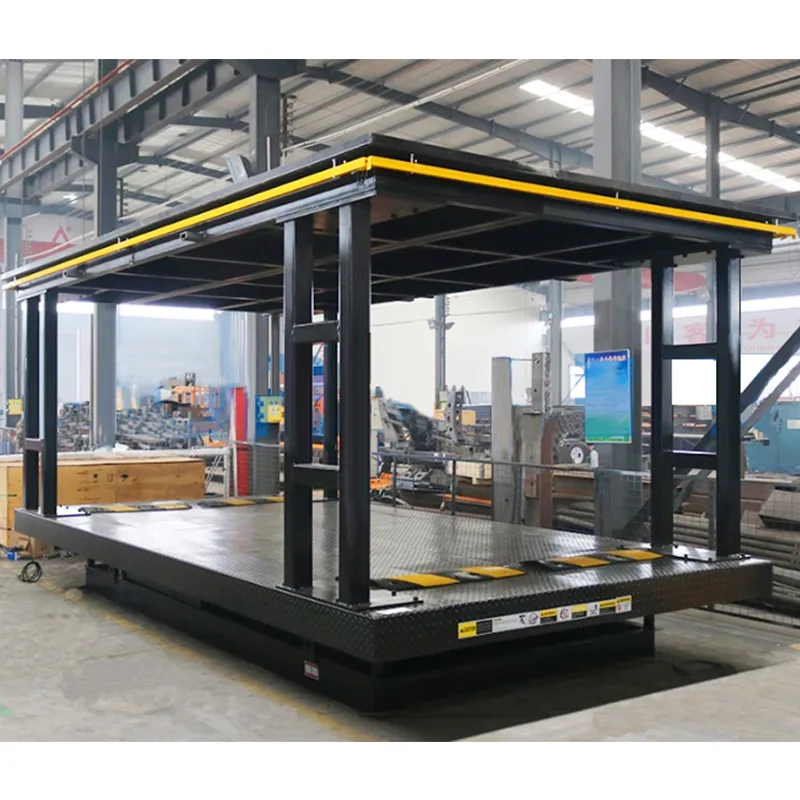
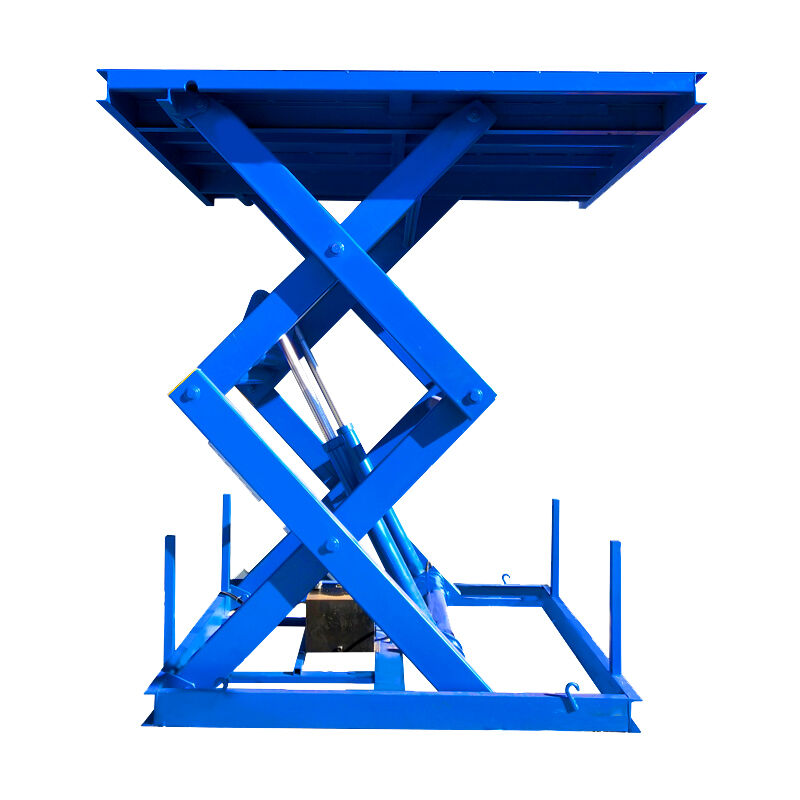
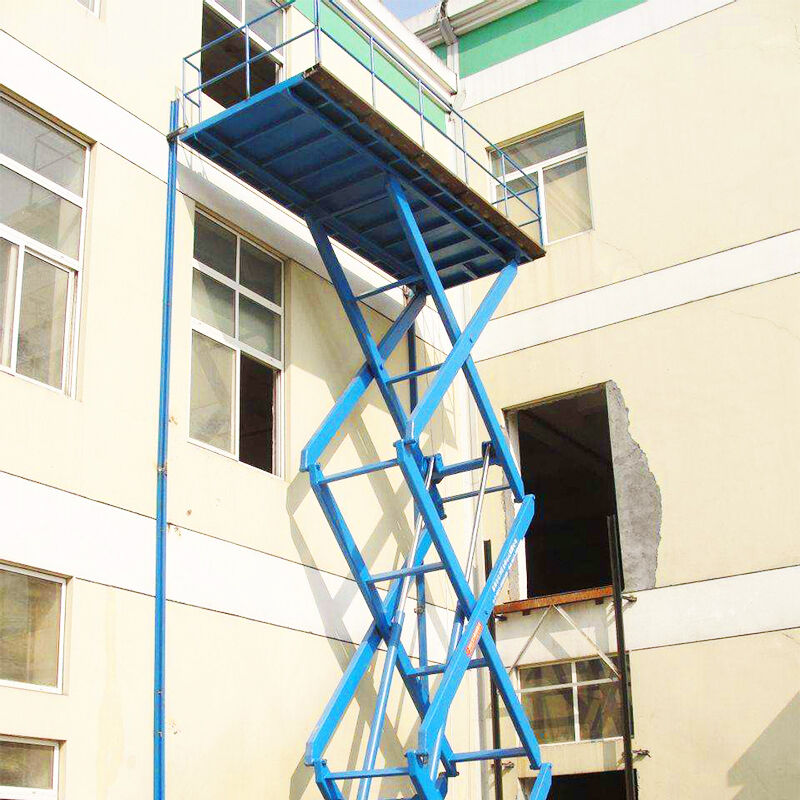
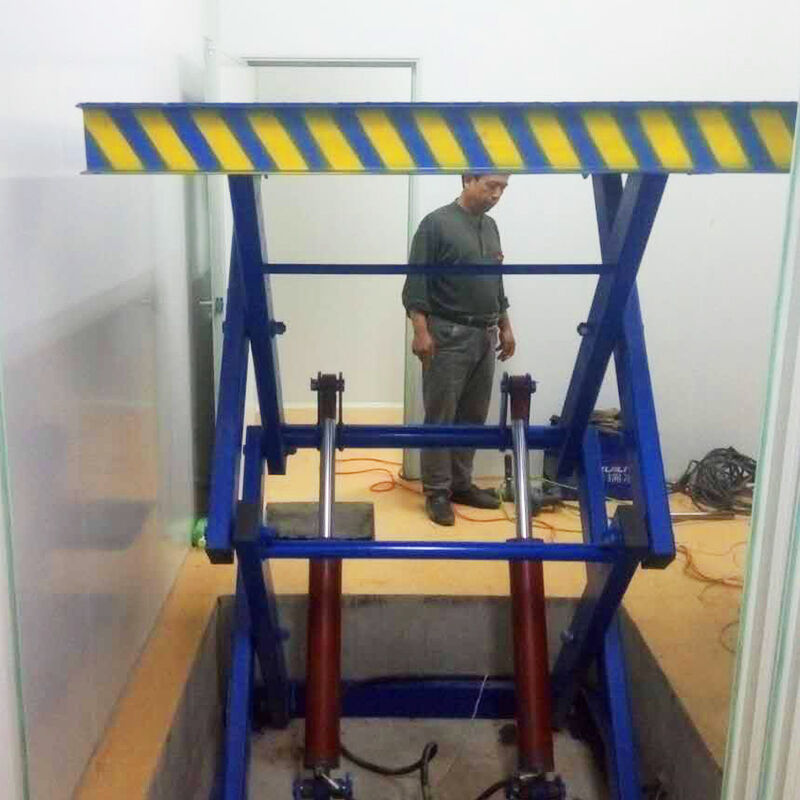
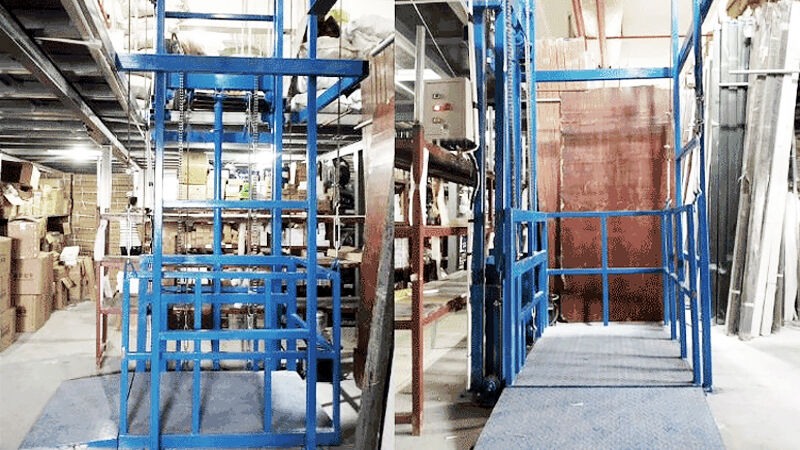
The stationary hydraulic scissor lift represents a fundamental solution for vertical material handling in industrial and commercial environments. This robust lifting platform operates through a sophisticated hydraulic system that powers scissor-like mechanisms to raise and lower heavy loads with precision and reliability. Unlike mobile alternatives, the stationary hydraulic scissor lift remains fixed in position, providing a permanent lifting solution for specific work areas. The primary functions of this equipment center around material handling, maintenance operations, and production line support. These lifts excel at moving goods between different floor levels, loading and unloading trucks, and positioning materials at optimal working heights. The stationary hydraulic scissor lift integrates seamlessly into existing workflows, becoming an essential component of efficient material handling systems. Technological features include heavy-duty steel construction, precision hydraulic cylinders, and advanced safety systems. The scissor mechanism distributes weight evenly across the platform, ensuring stable lifting operations even with maximum loads. Modern stationary hydraulic scissor lift models incorporate electronic controls, allowing operators to achieve precise positioning with minimal effort. Safety features encompass emergency stop buttons, velocity fuses, and mechanical locks that prevent accidental lowering. Applications span numerous industries including warehousing, manufacturing, automotive, and logistics. In warehouses, the stationary hydraulic scissor lift facilitates efficient inventory management by enabling workers to access high storage areas safely. Manufacturing facilities utilize these lifts for assembly line operations, positioning components at ergonomic heights for workers. The automotive industry relies on stationary hydraulic scissor lift systems for vehicle maintenance and assembly processes. Distribution centers employ these lifts to streamline loading dock operations, reducing manual handling and improving productivity. The versatility of the stationary hydraulic scissor lift makes it adaptable to various operational requirements while maintaining consistent performance standards.

Popular Products

The stationary hydraulic scissor lift delivers exceptional operational benefits that directly impact productivity and workplace safety. Cost-effectiveness stands as a primary advantage, as these systems require minimal ongoing maintenance while providing decades of reliable service. The initial investment pays dividends through reduced labor costs and improved efficiency in material handling operations. Unlike temporary lifting solutions, the stationary hydraulic scissor lift eliminates the need for repeated setup and repositioning, saving valuable time and resources. Safety improvements represent another crucial benefit, as these lifts reduce the risk of workplace injuries associated with manual lifting and awkward positioning. Workers can operate the stationary hydraulic scissor lift from ground level using simple controls, eliminating the need to climb ladders or work in precarious positions. The stable platform design ensures materials remain secure during lifting operations, preventing accidents caused by shifting loads. Productivity gains become immediately apparent when organizations implement stationary hydraulic scissor lift systems. These lifts enable faster material handling cycles, allowing workers to focus on value-added activities rather than struggling with heavy lifting tasks. The precise positioning capabilities of the stationary hydraulic scissor lift ensure materials arrive at exact working heights, reducing adjustment time and improving work quality. Energy efficiency represents a significant operational advantage, as modern hydraulic systems consume power only during lifting operations. The stationary hydraulic scissor lift maintains elevated positions without continuous energy consumption, unlike some alternative lifting methods. This efficiency translates to lower operating costs and reduced environmental impact. Durability ensures long-term value, as the robust construction of stationary hydraulic scissor lift systems withstands demanding industrial environments. The heavy-duty components resist wear and corrosion, maintaining performance standards throughout extended operational periods. Minimal moving parts reduce maintenance requirements, further enhancing the cost-effectiveness of these systems. Customization options allow organizations to tailor the stationary hydraulic scissor lift to specific operational requirements, ensuring optimal performance in diverse applications.

Latest News

How Does an Industrial Lift Support High-Load Transportation Tasks?

10

Mar

How Does an Industrial Lift Support High-Load Transportation Tasks?

Industrial facilities across manufacturing, warehousing, and logistics sectors face constant challenges in moving heavy materials between different floor levels efficiently and safely. The mechanism by which an industrial lift handles high-load trans...
View More
Why Are Stationary Scissor Lifts Popular in Manufacturing Plants?

16

Mar

Why Are Stationary Scissor Lifts Popular in Manufacturing Plants?

Manufacturing plants worldwide have increasingly turned to stationary scissor lifts as essential equipment for their vertical material handling and access needs. These robust hydraulic platforms have become indispensable in modern industrial operatio...
View More
How Do Car Lifts for Home Garage Add Value to Real Estate Projects?

20

Mar

How Do Car Lifts for Home Garage Add Value to Real Estate Projects?

Car lifts for home garage installations have emerged as a premium feature that significantly enhances property value in today's competitive real estate market. These sophisticated automotive storage solutions transform ordinary residential garages in...
View More
What Are the Key Benefits of Installing a Goods Lift in Factories?

30

Mar

What Are the Key Benefits of Installing a Goods Lift in Factories?

In today’s highly competitive industrial environment, factories are under constant pressure to improve operational efficiency, reduce labor costs, and ensure workplace safety. One of the most practical solutions adopted by modern manufactu...
View More

Get a Free Quote

Our representative will contact you soon.
Email
Mobile/WhatsApp
Name
Company Name
Message
0/1000

stationary hydraulic scissor lift

Superior Load Capacity and Stability

Superior Load Capacity and Stability

The stationary hydraulic scissor lift excels in handling substantial loads with unmatched stability and precision. This remarkable capability stems from the engineered scissor mechanism that distributes weight evenly across multiple support points, creating a stable lifting platform that maintains balance throughout the entire range of motion. The hydraulic system generates tremendous lifting force while maintaining smooth, controlled movement that protects both the equipment and the materials being lifted. Modern stationary hydraulic scissor lift designs accommodate loads ranging from several hundred pounds to multiple tons, making them suitable for diverse industrial applications. The platform design incorporates reinforced steel construction with strategically placed support beams that prevent flexing under maximum loads. This structural integrity ensures that heavy machinery, automotive components, or bulk materials remain secure during lifting operations. Safety features integrated into the stationary hydraulic scissor lift system include velocity fuses that prevent rapid descent in case of hydraulic line failure, mechanical locks that secure the platform at any height, and overload protection systems that prevent operation beyond safe capacity limits. The stability characteristics of the stationary hydraulic scissor lift make it particularly valuable in precision applications where load positioning accuracy is critical. Manufacturing processes that require exact component placement benefit from the smooth, controlled movement that eliminates vibration and sudden movements. The stationary mounting configuration provides additional stability compared to mobile alternatives, as the lift remains anchored to a solid foundation that can withstand the forces generated during operation. Maintenance requirements remain minimal due to the robust construction and quality components used in stationary hydraulic scissor lift systems. The sealed hydraulic cylinders resist contamination and maintain consistent performance over extended periods. Regular inspection and fluid changes represent the primary maintenance activities, making these lifts cost-effective over their operational lifetime. This combination of high load capacity, exceptional stability, and low maintenance requirements makes the stationary hydraulic scissor lift an indispensable tool for organizations seeking reliable material handling solutions.
Enhanced Workplace Safety and Ergonomics

Enhanced Workplace Safety and Ergonomics

The stationary hydraulic scissor lift significantly improves workplace safety by eliminating many common hazards associated with manual material handling and temporary lifting methods. This sophisticated lifting system reduces the risk of back injuries, strain-related conditions, and accidents that occur when workers attempt to lift heavy objects or work at awkward heights. The ground-level control system allows operators to maintain safe positioning while controlling lift operations, eliminating the need to climb onto unstable surfaces or work from ladders. Emergency safety features built into every stationary hydraulic scissor lift include easily accessible emergency stop buttons, automatic safety locks, and fail-safe systems that prevent unexpected movement. These safety mechanisms provide multiple layers of protection that exceed industry standards and give operators confidence in daily operations. The ergonomic benefits of the stationary hydraulic scissor lift extend beyond basic safety considerations to improve overall working conditions and productivity. Workers can position materials at optimal heights for various tasks, reducing bending, reaching, and other movements that contribute to workplace fatigue and injury. This improved ergonomics leads to higher job satisfaction, reduced absenteeism, and lower workers compensation costs. The stationary hydraulic scissor lift enables organizations to create safer, more efficient workflows that protect employee health while improving operational outcomes. Training requirements for stationary hydraulic scissor lift operation are minimal, as the intuitive controls and straightforward operating procedures allow workers to become proficient quickly. Comprehensive safety protocols can be implemented easily, ensuring consistent safe operation across different shifts and operators. The reliability of the stationary hydraulic scissor lift reduces the likelihood of equipment failures that could create safety hazards or disrupt operations. Regular maintenance schedules and inspection protocols help maintain optimal safety performance throughout the equipment lifecycle. Visual and audible warning systems alert nearby workers when the stationary hydraulic scissor lift is in operation, preventing accidents caused by unexpected movement. The combination of inherent safety features, ergonomic benefits, and reliable performance makes the stationary hydraulic scissor lift an essential investment for organizations prioritizing workplace safety and employee wellbeing.
Operational Efficiency and Cost Savings

Operational Efficiency and Cost Savings

The stationary hydraulic scissor lift delivers substantial operational efficiency improvements that translate directly into measurable cost savings and enhanced productivity. This efficiency stems from the elimination of time-consuming manual processes and the optimization of material handling workflows. Organizations implementing stationary hydraulic scissor lift systems typically experience immediate improvements in cycle times, throughput, and overall operational performance. The permanent installation of these lifts eliminates the setup and breakdown time associated with portable alternatives, allowing workers to focus on productive activities rather than equipment preparation. Energy efficiency represents a significant advantage of modern stationary hydraulic scissor lift systems, as they consume power only during active lifting operations. The hydraulic system maintains elevated positions without continuous energy consumption, unlike electric or pneumatic alternatives that require constant power to hold positions. This efficiency results in lower utility costs and reduced environmental impact, supporting sustainability initiatives while improving the bottom line. The precision control capabilities of the stationary hydraulic scissor lift enable exact positioning that reduces waste and rework. Materials arrive at precise working heights consistently, eliminating adjustment time and improving work quality. This precision becomes particularly valuable in assembly operations where component alignment is critical to product quality and production efficiency. Maintenance costs remain low throughout the operational life of a stationary hydraulic scissor lift due to the robust construction and quality components used in manufacturing. The sealed hydraulic system resists contamination and maintains performance with minimal intervention. Scheduled maintenance activities typically involve visual inspections, fluid level checks, and periodic component lubrication, all of which can be performed by facility maintenance staff without specialized expertise. The durability of stationary hydraulic scissor lift systems ensures consistent performance over decades of operation, providing excellent return on investment. The heavy-duty construction resists wear from repeated use and harsh industrial environments, maintaining performance standards that support ongoing operational efficiency. This longevity eliminates the costs associated with frequent equipment replacement and reduces the total cost of ownership. Integration capabilities allow the stationary hydraulic scissor lift to connect with existing facility systems, including conveyor systems, automated controls, and facility management software. This integration optimizes workflows and enables advanced operational features that further enhance efficiency and cost-effectiveness.

Get a Free Quote

Our representative will contact you soon.
Email
Mobile/WhatsApp
Name
Company Name
Message
0/1000