Warehouse Goods Lift: Advanced Vertical Material Handling Solutions for Industrial Facilities

Get a Free Quote

Our representative will contact you soon.
Email
Mobile/WhatsApp
Name
Company Name
Message
0/1000

warehouse goods lift

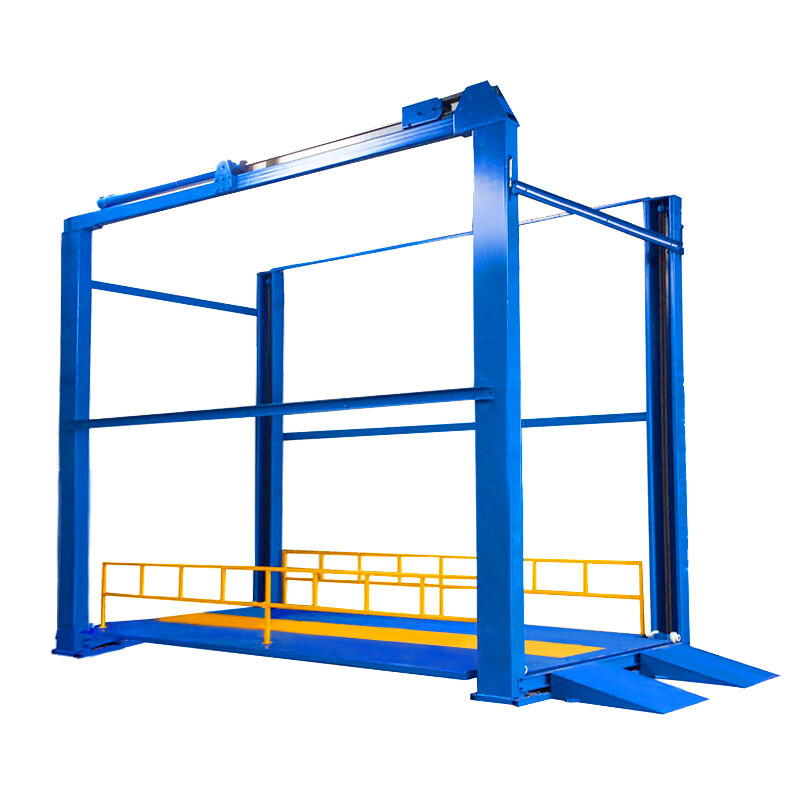
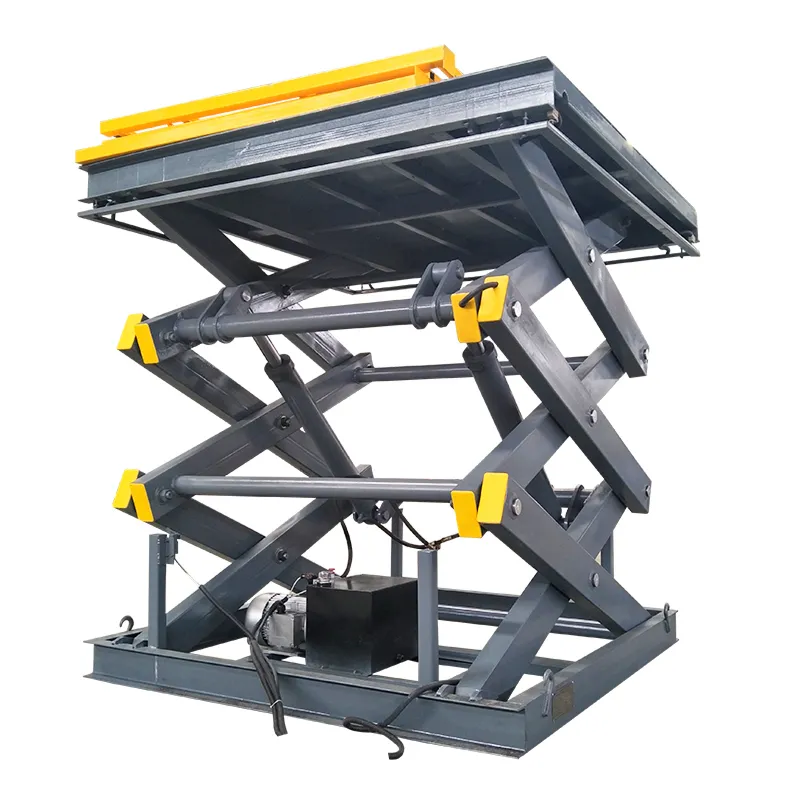
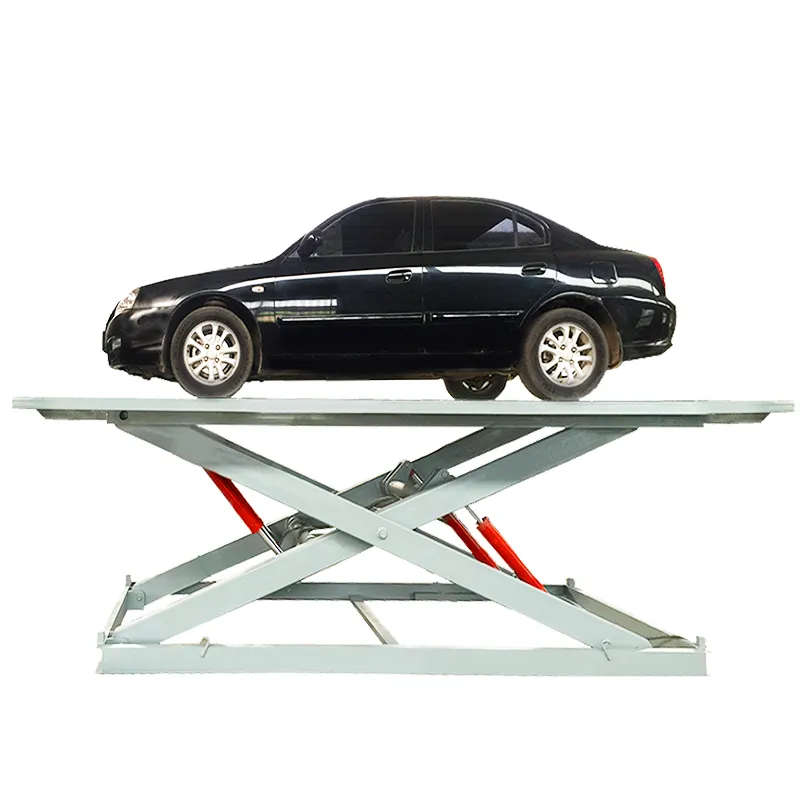
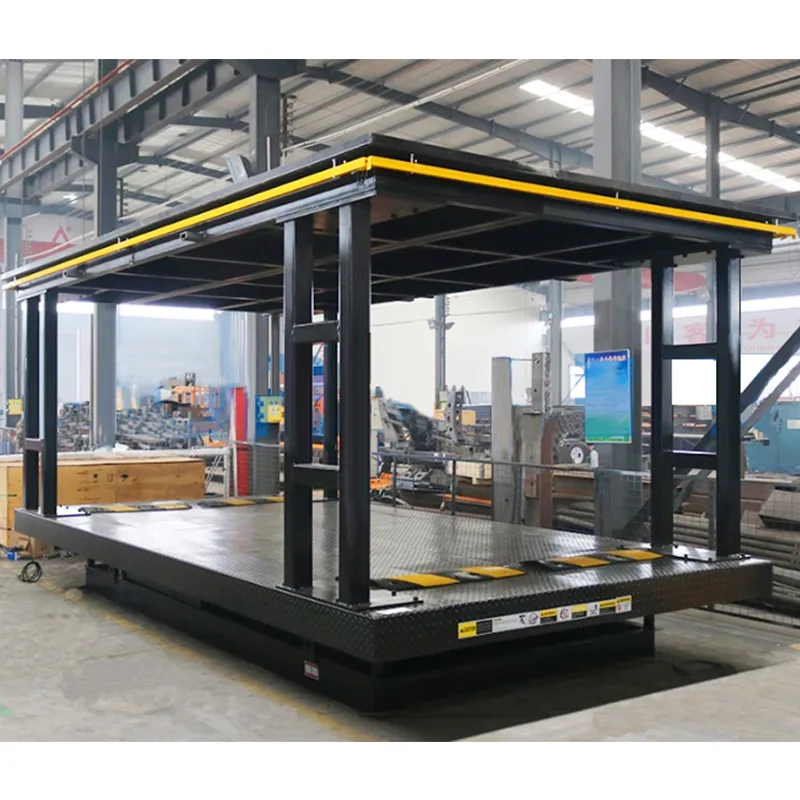
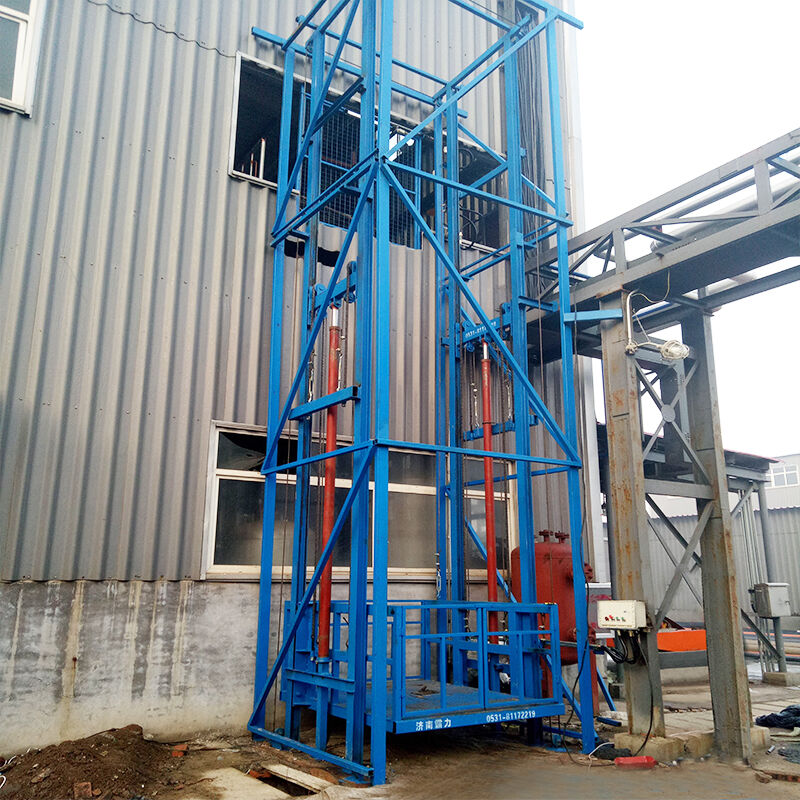
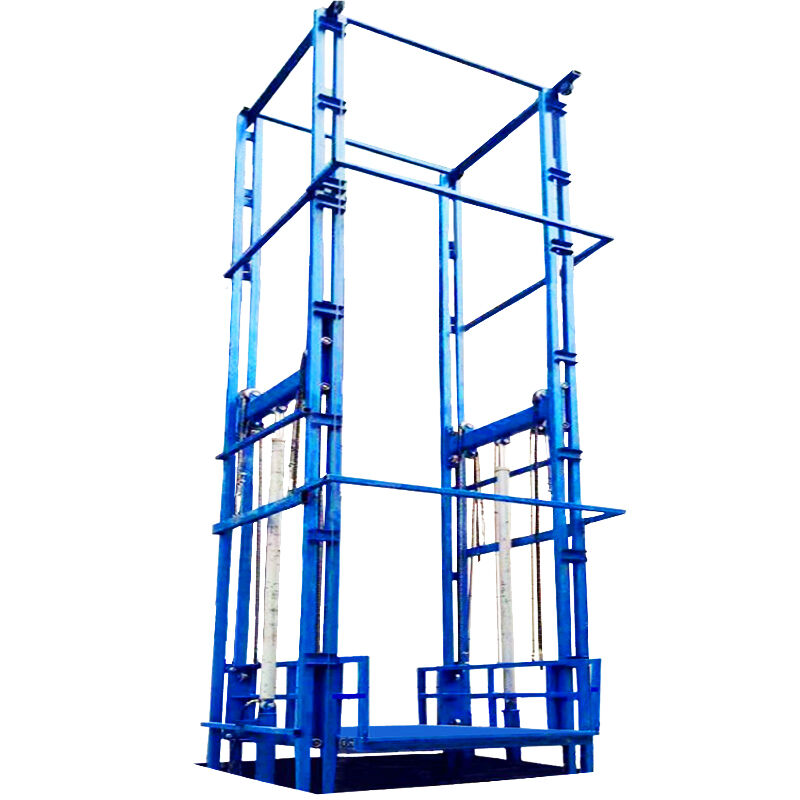
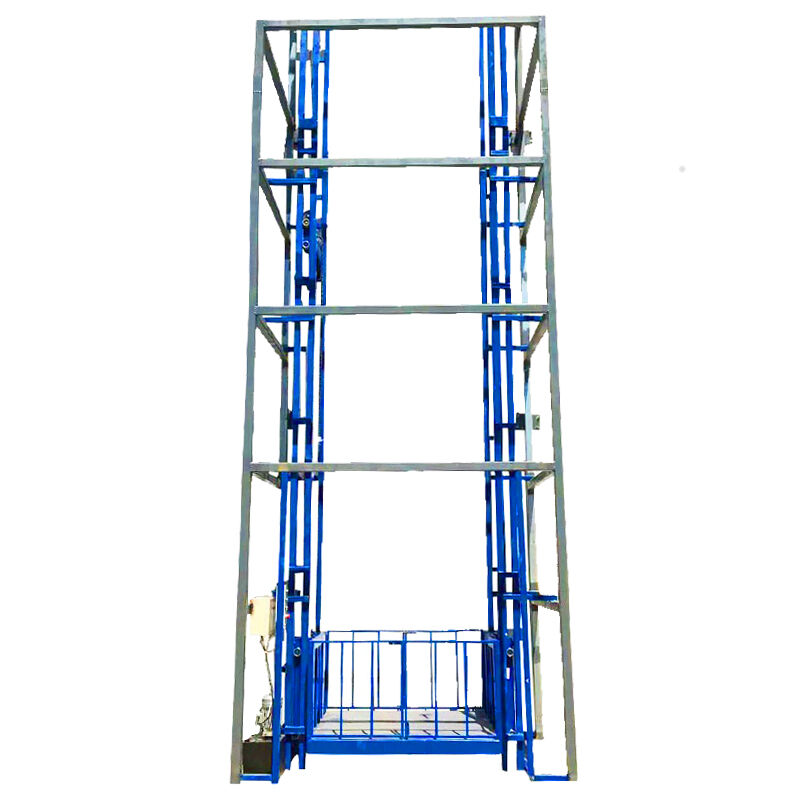
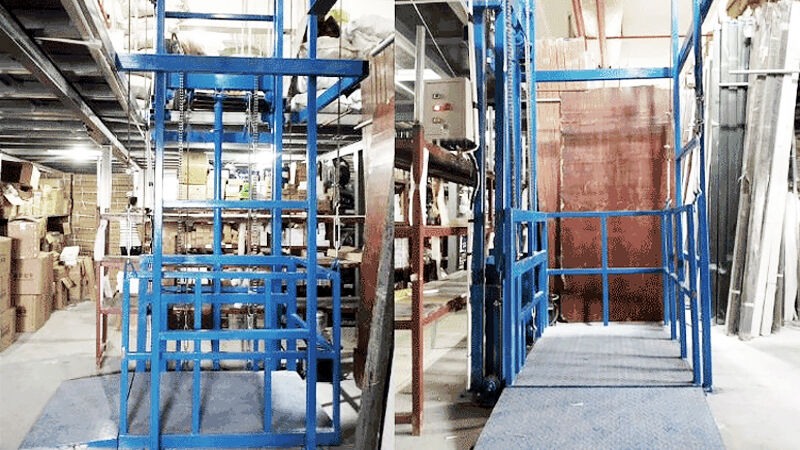
A warehouse goods lift represents a specialized vertical transportation system designed specifically for efficiently moving materials, inventory, and equipment between different floor levels within warehouses, distribution centers, and industrial facilities. This essential piece of equipment serves as the backbone of multi-story storage operations, enabling seamless vertical movement of goods without compromising safety or operational efficiency. The warehouse goods lift operates through advanced hydraulic or electric motor systems that provide precise control over load positioning and movement speed. These systems incorporate sophisticated safety mechanisms including emergency stop features, load monitoring sensors, and automatic leveling technology to ensure consistent platform alignment with floor surfaces. The lift platform itself is constructed from heavy-duty steel materials capable of supporting substantial weight loads ranging from several hundred to multiple thousands of pounds, depending on the specific model and configuration. Modern warehouse goods lift installations feature user-friendly control panels with intuitive button layouts and digital displays that show current floor position and operational status. The lifting mechanism utilizes either chain-driven systems or hydraulic cylinders, both engineered to deliver smooth, reliable operation throughout extended periods of continuous use. Safety features include protective barriers, emergency communication systems, and automatic locking mechanisms that secure the platform during loading and unloading operations. Installation flexibility allows these systems to be integrated into existing warehouse structures or incorporated into new construction projects. The warehouse goods lift can be customized with various platform sizes, weight capacities, and travel heights to match specific operational requirements. Advanced models incorporate energy-efficient components and regenerative braking systems that reduce overall power consumption while maintaining optimal performance levels. These vertical transportation solutions significantly enhance warehouse productivity by eliminating the need for manual carrying of heavy items between floors and reducing the risk of workplace injuries associated with stair climbing while carrying loads.

New Product Recommendations

The warehouse goods lift delivers substantial operational benefits that directly impact productivity and cost-effectiveness in modern storage facilities. First, these systems dramatically reduce manual labor requirements by eliminating the physical strain associated with carrying heavy items between different floor levels. Workers can safely transport large quantities of inventory using the mechanical lifting platform, which reduces fatigue and allows staff to focus on more valuable tasks such as inventory management and quality control processes. The time savings achieved through automated vertical transportation are significant, as employees no longer need to make multiple trips using stairs or ramps to move goods between floors. This efficiency improvement translates directly into increased throughput and faster order fulfillment times. Safety improvements represent another major advantage, as the warehouse goods lift eliminates slip and fall hazards associated with carrying heavy loads on stairs. The enclosed platform design and safety barriers prevent accidents while sophisticated control systems ensure smooth operation without sudden movements that could cause injury or product damage. Cost benefits extend beyond labor savings to include reduced product damage rates, since the stable platform movement protects fragile items during vertical transportation. Energy efficiency features in modern warehouse goods lift systems help reduce operational costs through optimized power consumption and regenerative braking technology. Space utilization becomes more effective as these systems require minimal floor space compared to alternative solutions like conveyor systems or freight elevators. The modular design allows for easy expansion or reconfiguration as warehouse needs evolve. Maintenance requirements are relatively low due to robust construction and quality components, resulting in minimal downtime and reduced service costs. Insurance benefits may also apply, as many providers offer premium reductions for facilities that implement proper safety equipment. The warehouse goods lift enhances overall workflow organization by creating designated vertical transportation zones that prevent congestion and improve traffic flow throughout the facility. Integration capabilities allow these systems to connect with warehouse management software for automated scheduling and tracking of goods movement. Long-term durability ensures consistent performance over many years of operation, providing excellent return on investment through sustained productivity improvements and operational cost reductions.

Latest News

What Are the Advantages of Choosing a Custom Lift Manufacturer?

05

Mar

What Are the Advantages of Choosing a Custom Lift Manufacturer?

When businesses need vertical transportation solutions, they often face a critical decision: choose a standard, off-the-shelf lift system or partner with a custom lift manufacturer. While pre-engineered lifts may seem like the simpler option, working...
View More
How Does an Industrial Lift Support High-Load Transportation Tasks?

10

Mar

How Does an Industrial Lift Support High-Load Transportation Tasks?

Industrial facilities across manufacturing, warehousing, and logistics sectors face constant challenges in moving heavy materials between different floor levels efficiently and safely. The mechanism by which an industrial lift handles high-load trans...
View More
Why Are Stationary Scissor Lifts Popular in Manufacturing Plants?

16

Mar

Why Are Stationary Scissor Lifts Popular in Manufacturing Plants?

Manufacturing plants worldwide have increasingly turned to stationary scissor lifts as essential equipment for their vertical material handling and access needs. These robust hydraulic platforms have become indispensable in modern industrial operatio...
View More
What Are the Key Benefits of Installing a Goods Lift in Factories?

30

Mar

What Are the Key Benefits of Installing a Goods Lift in Factories?

In today’s highly competitive industrial environment, factories are under constant pressure to improve operational efficiency, reduce labor costs, and ensure workplace safety. One of the most practical solutions adopted by modern manufactu...
View More

Get a Free Quote

Our representative will contact you soon.
Email
Mobile/WhatsApp
Name
Company Name
Message
0/1000

warehouse goods lift

Advanced Safety Systems and Reliability Features

Advanced Safety Systems and Reliability Features

The warehouse goods lift incorporates comprehensive safety systems that prioritize worker protection and equipment reliability throughout daily operations. Multi-level safety protocols include emergency stop buttons positioned at multiple locations around the platform, ensuring immediate shutdown capability from any operational position. Load monitoring sensors continuously track weight distribution and automatically prevent overloading situations that could compromise safety or damage equipment. These intelligent systems provide real-time feedback to operators through visual and audible alerts when approaching maximum capacity limits. The platform leveling technology ensures precise alignment with floor surfaces, eliminating gaps or height differences that could cause tripping hazards or equipment damage during loading and unloading procedures. Backup power systems maintain essential safety functions during electrical outages, allowing controlled lowering to the nearest floor level for safe evacuation of personnel and materials. The warehouse goods lift features reinforced safety barriers and protective enclosures that prevent accidental contact with moving components while maintaining clear visibility of operations. Automatic locking mechanisms engage when the platform reaches designated floor positions, securing the lift against unwanted movement during material handling activities. Regular diagnostic monitoring systems track component performance and provide predictive maintenance alerts before potential failures occur. Emergency communication devices enable direct contact with maintenance personnel or emergency services when needed. The redundant safety systems operate independently to ensure continued protection even if individual components experience malfunctions. Certified compliance with international safety standards guarantees that each warehouse goods lift meets or exceeds regulatory requirements for industrial lifting equipment. Professional installation and commissioning processes include comprehensive safety testing and operator training programs. Documentation packages provide detailed safety procedures and maintenance schedules to ensure ongoing compliance and optimal performance. The robust construction materials and engineering design deliver exceptional durability under demanding industrial conditions, maintaining safety performance throughout extended service life.
Customizable Design and Flexible Installation Options

Customizable Design and Flexible Installation Options

The warehouse goods lift offers extensive customization capabilities that accommodate diverse facility requirements and operational needs across various industries. Platform dimensions can be tailored to match specific cargo sizes, from compact units suitable for small parts handling to large platforms capable of accommodating palletized goods and industrial equipment. Weight capacity options range from light-duty applications handling several hundred pounds to heavy-duty systems supporting multiple tons of materials. Travel height specifications are completely flexible, allowing installations in facilities with varying floor-to-floor distances and ceiling constraints. The modular construction approach enables easy integration into existing warehouse structures without requiring extensive building modifications or disruptions to ongoing operations. Custom control panel configurations accommodate different operational preferences, including wireless remote controls, integrated warehouse management system interfaces, and specialized safety controls for specific industry requirements. The warehouse goods lift can be designed with multiple stopping points to serve three, four, or more floor levels within a single installation. Specialized platform features such as removable sections, fold-down sides, or integrated conveyor surfaces can be incorporated to enhance specific material handling processes. Environmental considerations include weather-resistant components for outdoor installations and corrosion-resistant materials for chemical processing facilities. Power system options accommodate various electrical supply configurations and voltage requirements found in different regions and facilities. Installation flexibility extends to positioning options, including corner installations, center-of-building placements, and integration with existing structural elements. The warehouse goods lift design process includes detailed engineering analysis to ensure optimal performance within specific facility constraints and operational parameters. Professional design consultation services help identify the most cost-effective configuration for each unique application. Future expansion capabilities are built into the system architecture, allowing for capacity upgrades or additional features as operational needs evolve. Compliance with local building codes and accessibility requirements ensures seamless integration with facility infrastructure and regulatory standards.
Enhanced Productivity and Operational Efficiency Benefits

Enhanced Productivity and Operational Efficiency Benefits

The warehouse goods lift transforms operational efficiency by streamlining vertical material movement and creating significant productivity improvements throughout the entire facility workflow. Time studies consistently demonstrate substantial reductions in material handling duration, with many operations experiencing fifty percent or greater improvements in goods transportation times between floor levels. These efficiency gains directly translate into increased throughput capacity, allowing facilities to process higher volumes of inventory without additional labor resources. The consistent, reliable operation eliminates bottlenecks associated with manual material handling methods that can slow down entire production or fulfillment processes. Worker productivity increases significantly as staff members can focus on value-added activities rather than spending time on physical transportation tasks. The warehouse goods lift enables simultaneous multi-level operations, allowing different teams to work efficiently on various floors while maintaining smooth coordination of material flow. Inventory accuracy improvements result from reduced handling steps and decreased opportunities for human error during transportation processes. The systematic approach to vertical material movement creates predictable timing for planning and scheduling operations. Integration capabilities with warehouse management systems provide real-time tracking and automated reporting of goods movement, enhancing overall visibility and control. Energy efficiency features contribute to sustainability goals while reducing operational costs through optimized power consumption patterns. The warehouse goods lift supports lean manufacturing principles by minimizing waste associated with inefficient material handling processes. Scalability benefits allow operations to expand capacity without proportional increases in labor costs or facility modifications. Quality control processes benefit from reduced product handling and gentler transportation methods that minimize damage risks. Maintenance scheduling becomes more predictable due to consistent operational patterns and monitoring capabilities. Staff satisfaction improves due to reduced physical demands and safer working conditions. The warehouse goods lift creates opportunities for cross-training and skill development as workers can efficiently access different operational areas. Long-term cost analysis shows favorable return on investment through sustained productivity improvements and reduced operational expenses over the equipment lifetime.

Get a Free Quote

Our representative will contact you soon.
Email
Mobile/WhatsApp
Name
Company Name
Message
0/1000