Freight Elevator Cost Guide: Complete Pricing, Features & ROI Analysis 2024

Get a Free Quote

Our representative will contact you soon.
Email
Mobile/WhatsApp
Name
Company Name
Message
0/1000

freight elevator cost

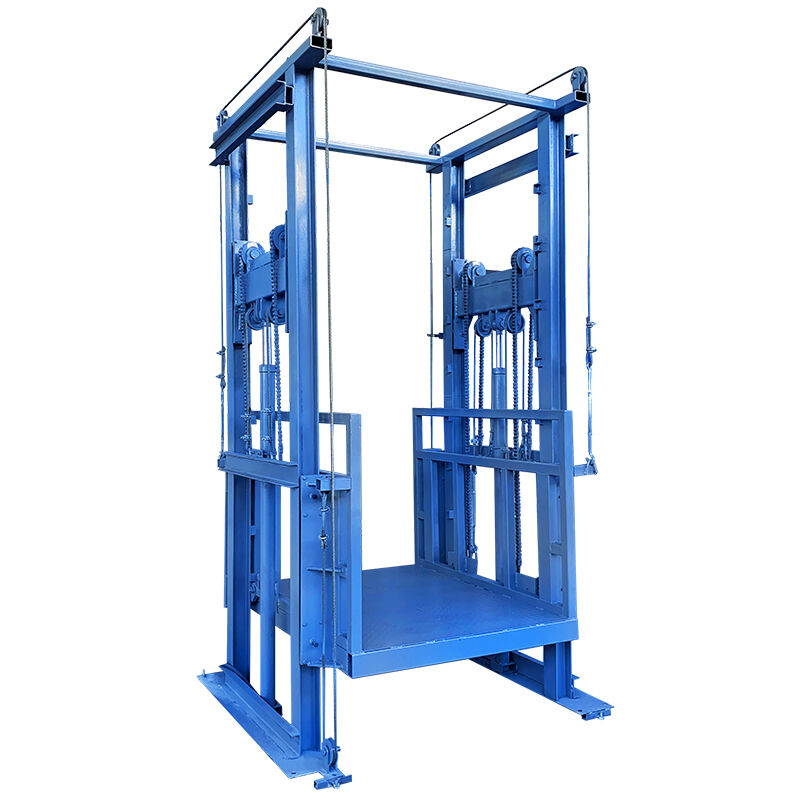
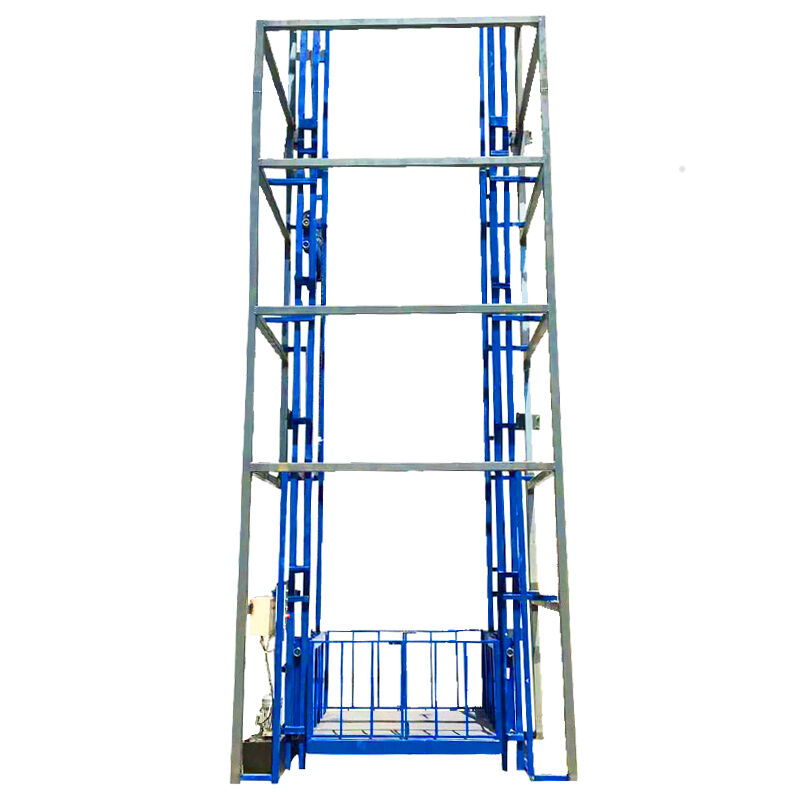
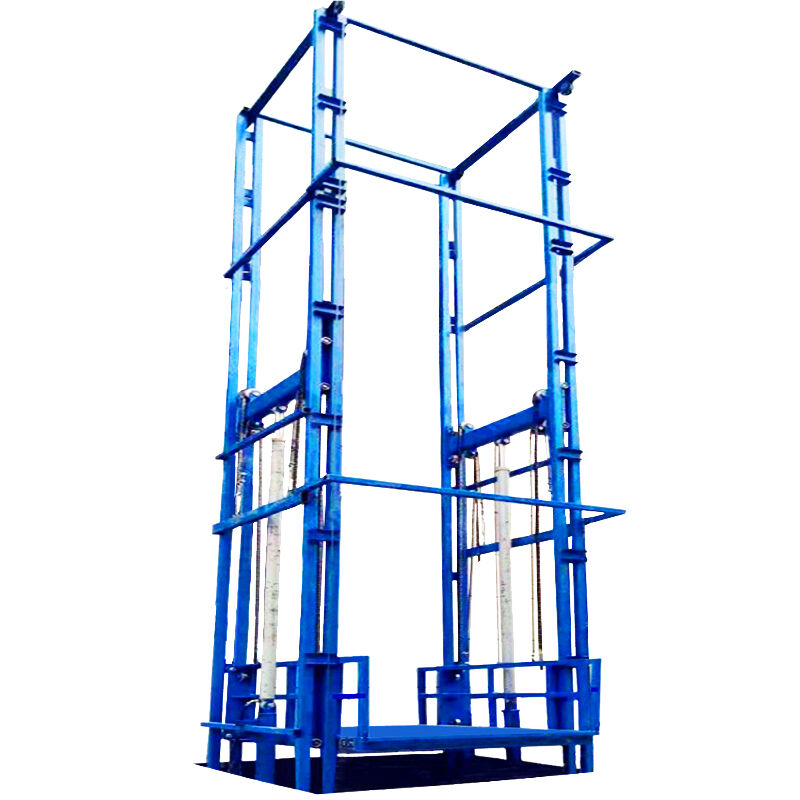
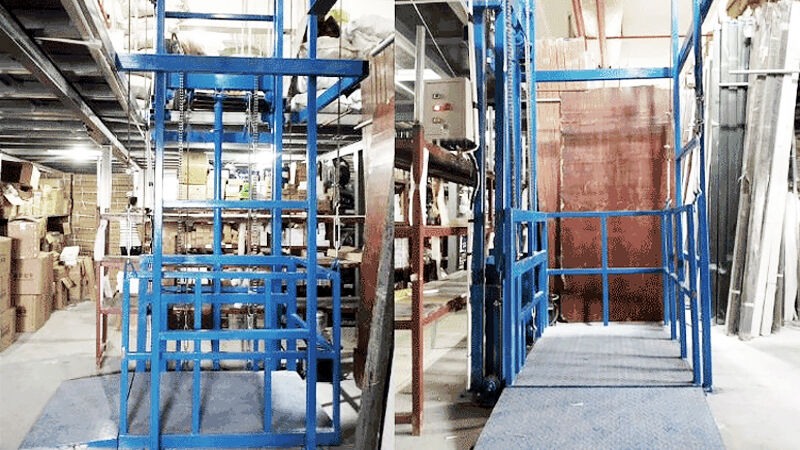
Understanding freight elevator cost is essential for businesses planning vertical transportation solutions in commercial, industrial, and residential buildings. The freight elevator cost encompasses multiple factors including initial purchase price, installation expenses, ongoing maintenance fees, and operational costs throughout the equipment's lifespan. These specialized elevators serve as critical infrastructure components designed to transport heavy goods, materials, and equipment between different floor levels efficiently and safely. The primary functions of freight elevators include moving substantial loads that exceed standard passenger elevator capacity, facilitating warehouse operations, supporting manufacturing processes, and enabling smooth logistics flow in multi-story facilities. Modern freight elevators incorporate advanced technological features such as variable frequency drive systems for precise speed control, regenerative braking mechanisms that reduce energy consumption, and sophisticated load monitoring sensors that prevent overloading situations. Smart control panels with programmable settings allow operators to customize performance parameters based on specific operational requirements. Safety technologies include emergency stop systems, door interlocks, overload protection, and backup power capabilities ensuring continuous operation during power fluctuations. Contemporary models feature energy-efficient motors, LED lighting systems, and intelligent diagnostic capabilities that monitor performance metrics and predict maintenance needs. Applications span across diverse industries including manufacturing facilities, warehouses, distribution centers, hospitals for medical equipment transport, retail environments, automotive service centers, and residential buildings requiring heavy item movement. The freight elevator cost varies significantly based on load capacity specifications, travel distance requirements, building integration complexity, customization needs, and selected technological features, making comprehensive cost analysis crucial for informed purchasing decisions.

New Products

The freight elevator cost delivers substantial long-term value through enhanced operational efficiency and reduced manual labor expenses in commercial and industrial environments. Businesses experience immediate productivity improvements as freight elevators eliminate time-consuming manual carrying of heavy materials between floors, allowing workers to focus on core operational tasks rather than physical transportation duties. The freight elevator cost investment pays dividends through improved workplace safety by reducing injury risks associated with manual lifting and carrying heavy objects on stairs or ramps. Insurance premiums often decrease when companies install proper freight elevation systems, as insurance providers recognize the reduced liability exposure from workplace accidents. Energy-efficient modern freight elevator systems minimize operational electricity costs through regenerative drive technology that captures and reuses energy during descent operations, significantly lowering monthly utility expenses compared to older hydraulic models. Maintenance costs remain predictable and manageable with contemporary freight elevator designs featuring self-diagnostic systems that identify potential issues before they become expensive repairs, allowing for proactive maintenance scheduling. The freight elevator cost structure includes warranty coverage and service agreements that protect against unexpected repair expenses during initial operational years. Property values increase substantially when buildings feature properly installed freight elevator systems, as these installations enhance building functionality and marketability to potential tenants or buyers. Rental income potential expands as freight elevators make upper floors accessible for storage, manufacturing, or commercial purposes that would otherwise remain underutilized. Freight elevator cost considerations must include space optimization benefits, as these systems enable vertical expansion of operations without requiring additional building footprint or relocation expenses. Operational flexibility improves dramatically as freight elevators accommodate varying load sizes and weights, supporting diverse business needs without requiring multiple transportation solutions. Customer satisfaction increases in retail and service environments where freight elevators enable rapid inventory movement and efficient service delivery. The freight elevator cost investment demonstrates commitment to professional operations and infrastructure quality that enhances business reputation and credibility with clients, suppliers, and partners.

Practical Tips

What Are the Advantages of Choosing a Custom Lift Manufacturer?

05

Mar

What Are the Advantages of Choosing a Custom Lift Manufacturer?

When businesses need vertical transportation solutions, they often face a critical decision: choose a standard, off-the-shelf lift system or partner with a custom lift manufacturer. While pre-engineered lifts may seem like the simpler option, working...
View More
How Does an Industrial Lift Support High-Load Transportation Tasks?

10

Mar

How Does an Industrial Lift Support High-Load Transportation Tasks?

Industrial facilities across manufacturing, warehousing, and logistics sectors face constant challenges in moving heavy materials between different floor levels efficiently and safely. The mechanism by which an industrial lift handles high-load trans...
View More
Why Are Stationary Scissor Lifts Popular in Manufacturing Plants?

16

Mar

Why Are Stationary Scissor Lifts Popular in Manufacturing Plants?

Manufacturing plants worldwide have increasingly turned to stationary scissor lifts as essential equipment for their vertical material handling and access needs. These robust hydraulic platforms have become indispensable in modern industrial operatio...
View More
What Are the Key Benefits of Installing a Goods Lift in Factories?

30

Mar

What Are the Key Benefits of Installing a Goods Lift in Factories?

In today’s highly competitive industrial environment, factories are under constant pressure to improve operational efficiency, reduce labor costs, and ensure workplace safety. One of the most practical solutions adopted by modern manufactu...
View More

Get a Free Quote

Our representative will contact you soon.
Email
Mobile/WhatsApp
Name
Company Name
Message
0/1000

freight elevator cost

Comprehensive Cost Efficiency and Return on Investment

Comprehensive Cost Efficiency and Return on Investment

The freight elevator cost represents a strategic investment that delivers exceptional return on investment through multiple revenue-generating and cost-saving mechanisms that benefit businesses across various industries. Initial freight elevator cost analysis reveals that modern systems typically recoup their investment within three to five years through direct labor savings, increased operational capacity, and enhanced property utilization. Businesses experience immediate reductions in worker compensation claims and insurance premiums as freight elevators eliminate the physical strain and injury risks associated with manual material handling on stairs or ramps. The freight elevator cost structure includes energy-efficient technologies that reduce monthly operational expenses by up to forty percent compared to older hydraulic systems, with regenerative drive systems capturing and reusing energy during descent cycles. Predictive maintenance capabilities built into contemporary freight elevator systems minimize unexpected repair costs by identifying potential component failures before they occur, allowing businesses to schedule maintenance during convenient operational windows. The freight elevator cost investment enhances building functionality and marketability, increasing property values by an average of fifteen to twenty-five percent depending on building type and location. Rental income opportunities expand significantly as freight elevators make upper floors accessible for commercial, industrial, or storage purposes that generate additional revenue streams. Operational efficiency improvements translate to measurable productivity gains as workers can transport larger quantities of materials in shorter timeframes, enabling businesses to fulfill customer orders faster and handle increased volume without proportional labor cost increases. The comprehensive freight elevator cost calculation must include these long-term financial benefits that continue generating value throughout the equipment's twenty to thirty-year operational lifespan, making it one of the most cost-effective infrastructure investments available to multi-story building owners and operators.
Advanced Safety Features and Regulatory Compliance

Advanced Safety Features and Regulatory Compliance

The freight elevator cost includes comprehensive safety systems and regulatory compliance features that protect both personnel and cargo while meeting stringent industry standards and building codes. Modern freight elevator installations incorporate multiple redundant safety mechanisms including emergency stop systems, door interlocks, overload protection sensors, and automatic leveling systems that ensure safe and precise operation under all conditions. The freight elevator cost covers advanced load monitoring technology that prevents dangerous overloading situations by accurately measuring cargo weight and automatically restricting operation when safe capacity limits are exceeded. Sophisticated control systems feature programmable safety parameters that can be customized for specific operational requirements, ensuring compliance with workplace safety regulations and industry-specific standards. Fire-rated construction materials and emergency communication systems included in the freight elevator cost provide critical safety features required by building codes and insurance regulations. Backup power systems ensure continued operation during power outages, preventing personnel from being trapped between floors and maintaining emergency evacuation capabilities. The freight elevator cost encompasses comprehensive safety training and certification programs for operators, ensuring proper equipment usage and reducing liability exposure for building owners and employers. Regular safety inspections and certifications required by local authorities are factored into the ongoing freight elevator cost structure, providing documented compliance with regulatory requirements. Advanced sensor technology detects obstacles in door paths, preventing accidents and protecting both people and equipment from damage. Emergency communication systems connect directly to monitoring services or building security, ensuring rapid response to any operational issues. The freight elevator cost investment includes liability protection through manufacturer warranties and insurance coverage that protects against equipment-related incidents. Compliance documentation and certification records maintained throughout the equipment's operational life demonstrate due diligence and regulatory adherence that protects businesses from legal liability while ensuring the highest safety standards for all building occupants and visitors.
Customizable Performance and Technological Integration

Customizable Performance and Technological Integration

The freight elevator cost encompasses flexible customization options and cutting-edge technological integration capabilities that adapt to diverse operational requirements and future expansion needs. Contemporary freight elevator systems offer extensive configuration possibilities including variable speed controls, multiple stopping floor selections, and programmable operational parameters that optimize performance for specific applications and usage patterns. The freight elevator cost includes smart control integration that connects with building management systems, inventory tracking software, and security networks, creating seamless operational workflows that enhance overall facility efficiency. Advanced user interfaces feature touchscreen displays, remote monitoring capabilities, and mobile app connectivity that enable operators to control and monitor elevator performance from anywhere within the facility or remotely. Machine learning algorithms incorporated into modern freight elevator systems analyze usage patterns and automatically adjust performance parameters to maximize efficiency while minimizing energy consumption and component wear. The freight elevator cost covers integration with automated material handling systems, conveyor networks, and robotic loading equipment that creates fully automated vertical transportation solutions for high-volume operations. Customizable cabin dimensions, door configurations, and interior finishes ensure freight elevators integrate seamlessly with existing facility aesthetics and operational workflows. Load capacity specifications can be tailored to handle specific equipment types, from lightweight packages to heavy industrial machinery, with specialized lifting attachments and loading platforms included in the comprehensive freight elevator cost. Environmental monitoring systems track temperature, humidity, and air quality within elevator cabins, protecting sensitive materials during transportation between climate-controlled environments. Predictive analytics capabilities provide detailed performance reports, maintenance scheduling recommendations, and operational optimization suggestions that maximize equipment lifespan and minimize total cost of ownership. The freight elevator cost investment includes ongoing software updates and technological upgrades that ensure systems remain current with evolving industry standards and emerging technologies, protecting the long-term value of the installation while providing continuous performance improvements throughout the equipment's operational lifetime.

Get a Free Quote

Our representative will contact you soon.
Email
Mobile/WhatsApp
Name
Company Name
Message
0/1000