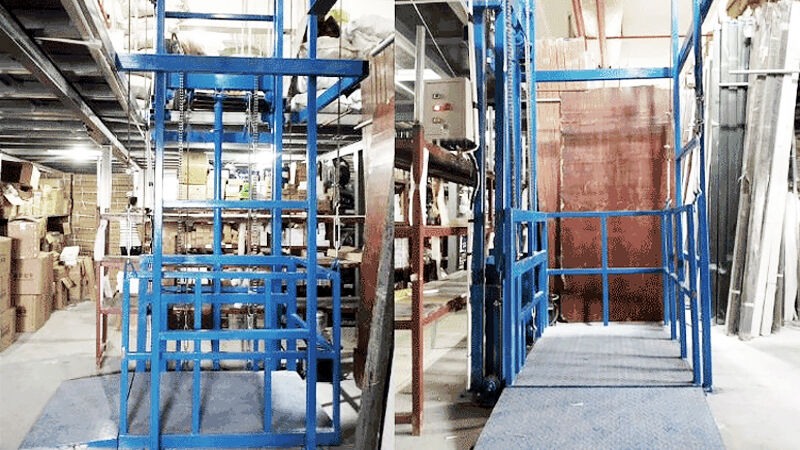
Warehouse Cargo Elevator: Heavy-Duty Industrial Lifting Solutions for Maximum Efficiency

Get a Free Quote

Our representative will contact you soon.
Email
Mobile/WhatsApp
Name
Company Name
Message
0/1000

warehouse cargo elevator

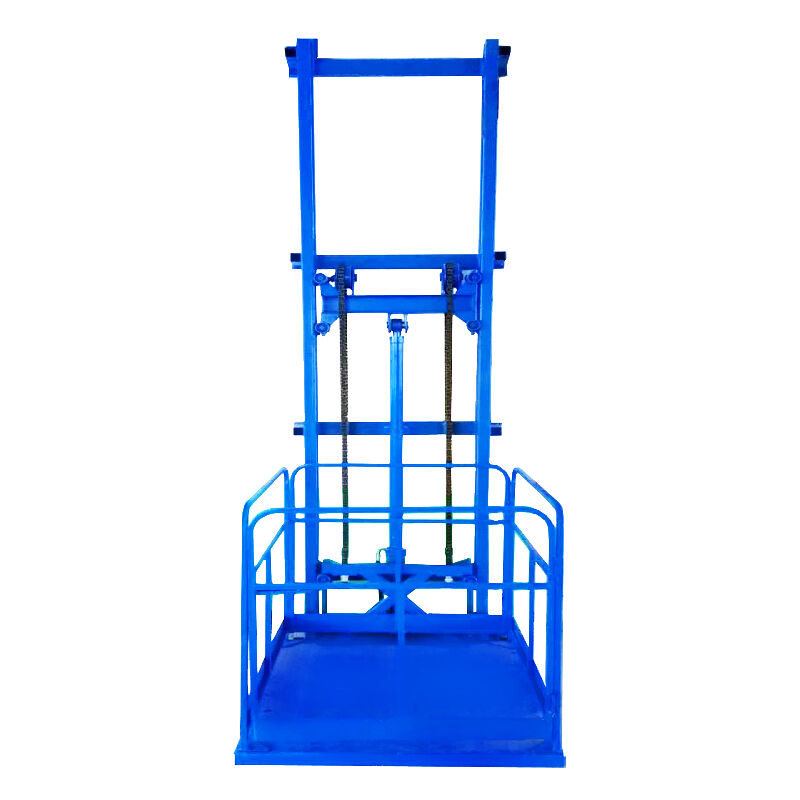
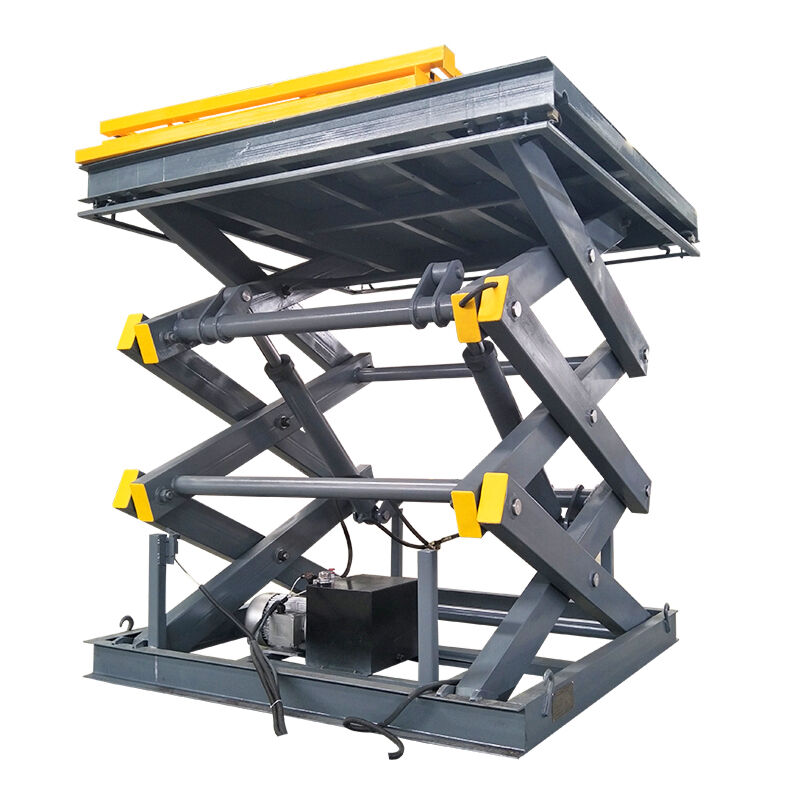
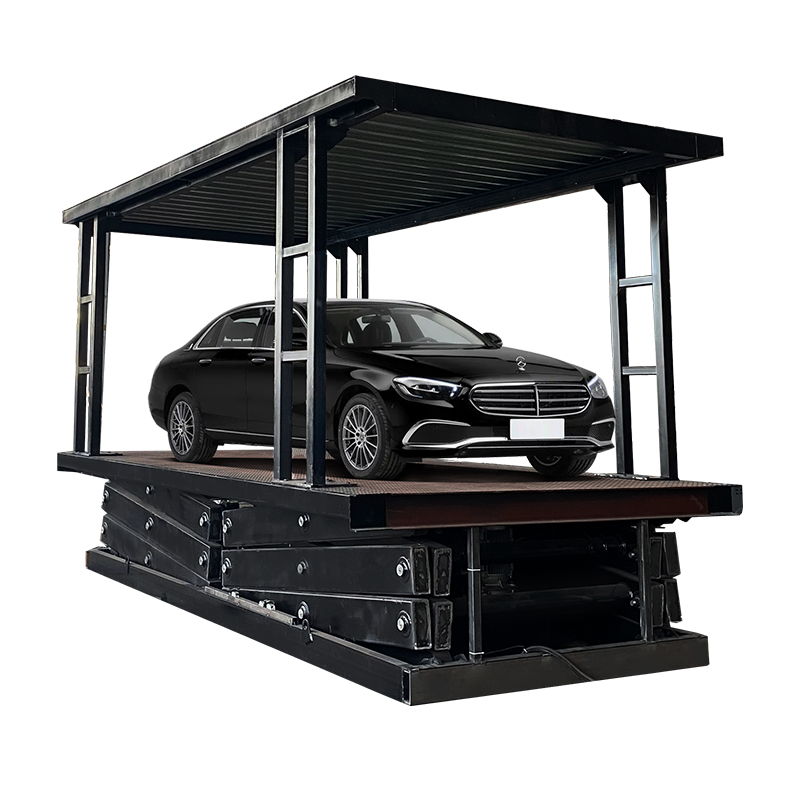
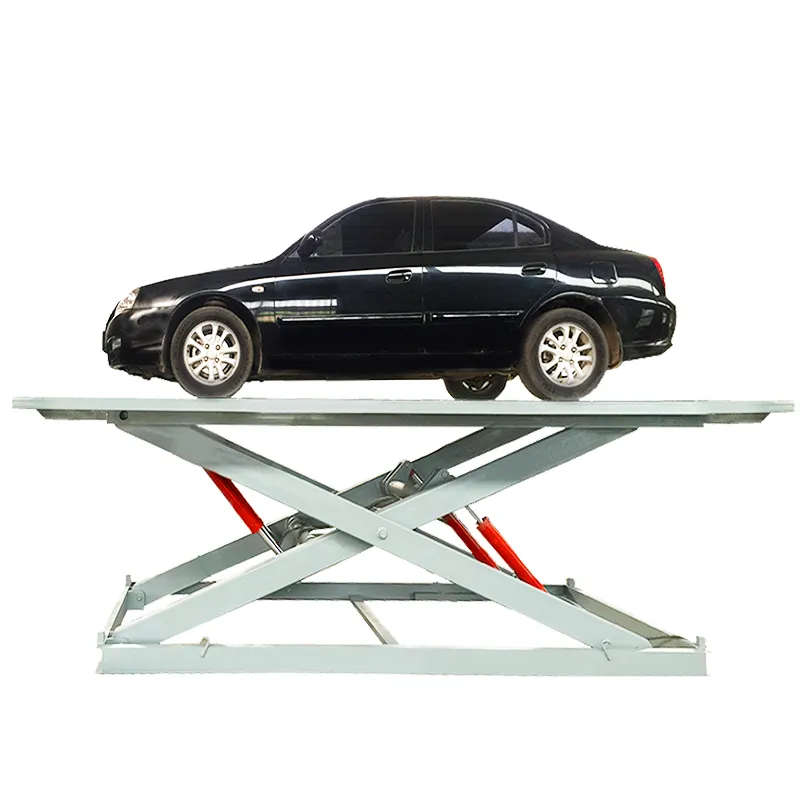
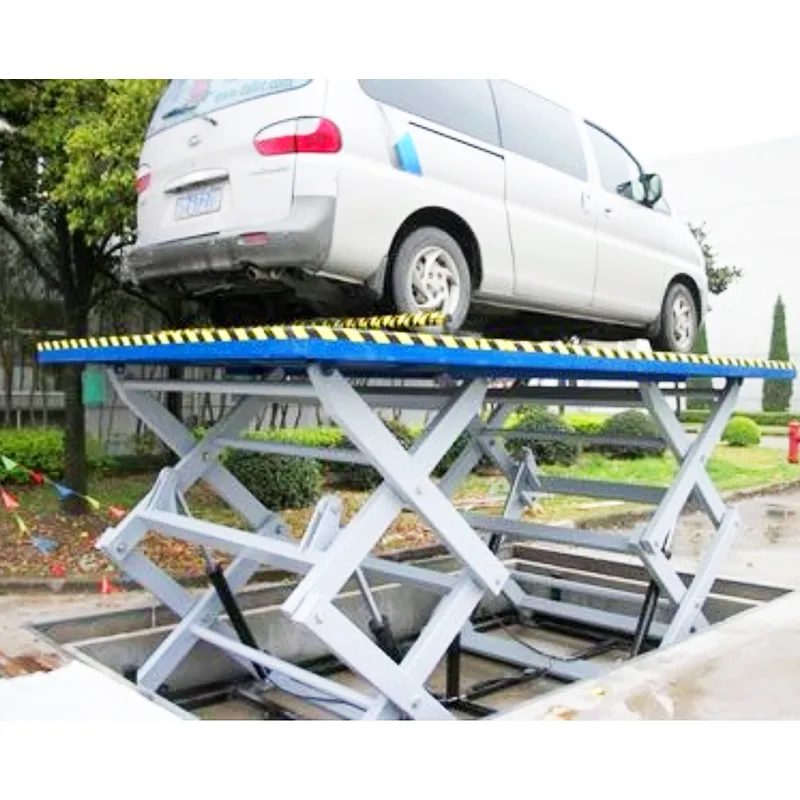
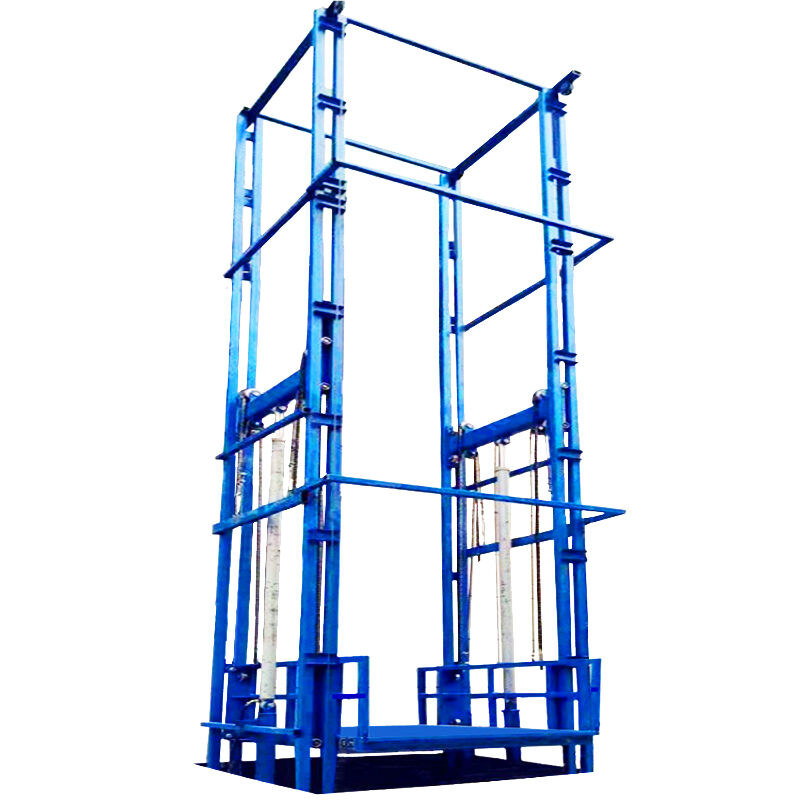
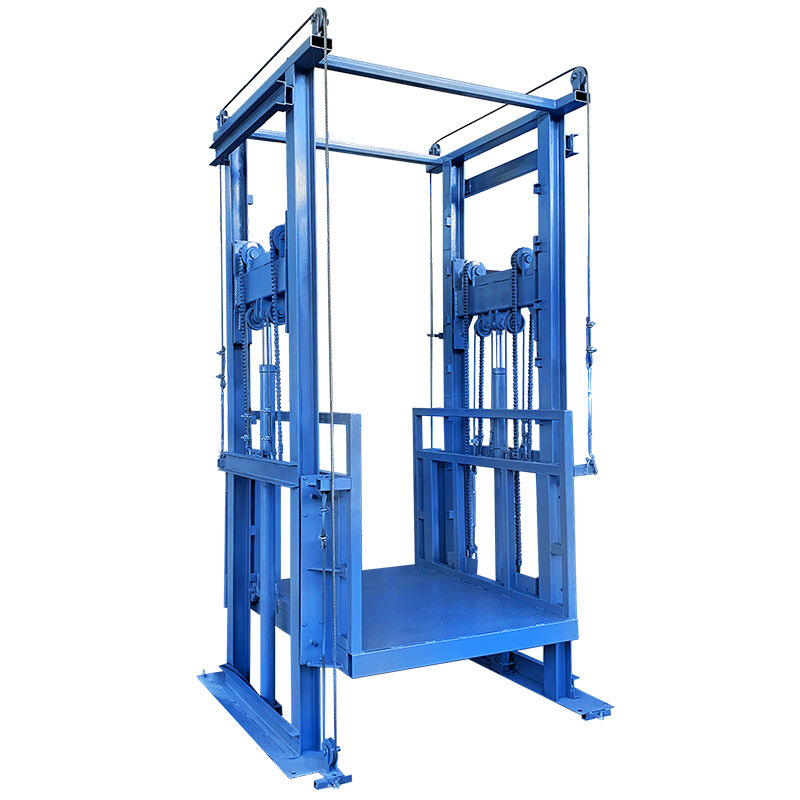
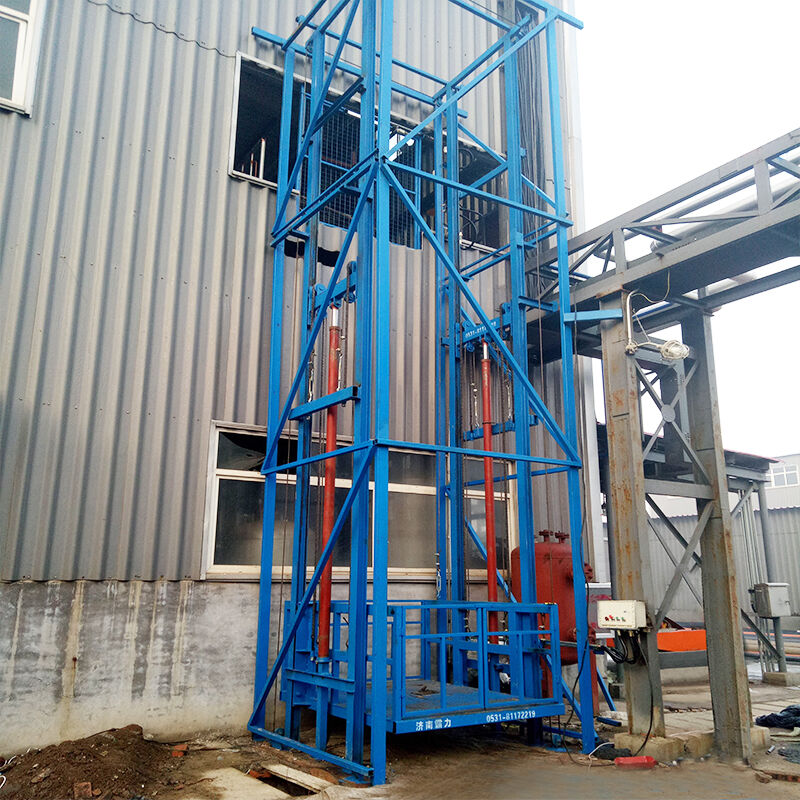
A warehouse cargo elevator represents a fundamental piece of industrial equipment designed to transport heavy goods, materials, and merchandise between different levels within warehouse facilities. This specialized lifting system operates as the backbone of multi-story storage operations, enabling businesses to maximize their vertical space while maintaining operational efficiency. Unlike passenger elevators, the warehouse cargo elevator prioritizes load capacity, durability, and continuous operation over aesthetic features or passenger comfort. These robust machines typically feature reinforced platforms, heavy-duty hydraulic or electric drive systems, and industrial-grade safety mechanisms specifically engineered for commercial freight handling. The warehouse cargo elevator incorporates advanced control systems that allow precise positioning and smooth operation across multiple floors, accommodating various types of cargo from palletized goods to oversized equipment. Modern installations often include programmable logic controllers, variable frequency drives, and integrated safety sensors that monitor load distribution and prevent overloading. The structural design emphasizes functionality with steel construction, non-slip surfaces, and protective barriers that ensure safe material handling operations. These elevators can handle substantial weight capacities ranging from several thousand pounds to multiple tons, depending on the specific model and installation requirements. The warehouse cargo elevator system integrates seamlessly with existing warehouse management systems, providing real-time operational data and maintenance alerts. Installation typically involves minimal disruption to ongoing operations, with modular components that can be assembled efficiently within existing structures or new construction projects. The technology behind these systems continues to evolve, incorporating energy-efficient motors, regenerative braking systems, and smart monitoring capabilities that optimize performance while reducing operational costs.

New Products

The warehouse cargo elevator delivers significant operational advantages that directly impact productivity and cost efficiency in modern distribution centers. These systems dramatically reduce manual labor requirements by eliminating the need for workers to carry heavy items up and down stairs, which substantially decreases workplace injuries and associated insurance costs. The automated lifting capability allows warehouses to process larger volumes of inventory in shorter timeframes, directly improving throughput and meeting customer demand more effectively. Installation of a warehouse cargo elevator enables businesses to utilize vertical space that would otherwise remain inaccessible, effectively doubling or tripling storage capacity without expanding the facility footprint. This vertical expansion capability proves especially valuable in urban areas where land costs are prohibitive and horizontal expansion is not feasible. The system operates with remarkable energy efficiency compared to alternative material handling solutions, consuming minimal electricity while delivering consistent performance throughout extended operating periods. Maintenance requirements remain relatively low due to robust construction and quality components, resulting in reduced downtime and lower total cost of ownership over the equipment lifespan. The warehouse cargo elevator enhances workplace safety by providing controlled, predictable lifting operations that eliminate the risks associated with manual hoisting equipment or temporary lifting solutions. Workers can operate these systems with minimal training, as intuitive controls and automated safety features simplify the operational process while maintaining high safety standards. The precision positioning capabilities allow for accurate placement of materials at specific floor levels, reducing handling time and minimizing product damage during transfer operations. Integration with warehouse management systems provides real-time tracking of material movements, enabling better inventory control and more accurate order fulfillment processes. The durability of these systems ensures consistent performance in demanding industrial environments, withstanding continuous use while maintaining reliability standards that support critical business operations. Return on investment typically occurs within the first few years of operation through labor savings, increased storage capacity, and improved operational efficiency that directly impacts bottom-line profitability.

Tips And Tricks

What Are the Advantages of Choosing a Custom Lift Manufacturer?

05

Mar

What Are the Advantages of Choosing a Custom Lift Manufacturer?

When businesses need vertical transportation solutions, they often face a critical decision: choose a standard, off-the-shelf lift system or partner with a custom lift manufacturer. While pre-engineered lifts may seem like the simpler option, working...
View More
Why Are Stationary Scissor Lifts Popular in Manufacturing Plants?

16

Mar

Why Are Stationary Scissor Lifts Popular in Manufacturing Plants?

Manufacturing plants worldwide have increasingly turned to stationary scissor lifts as essential equipment for their vertical material handling and access needs. These robust hydraulic platforms have become indispensable in modern industrial operatio...
View More
How Do Car Lifts for Home Garage Add Value to Real Estate Projects?

20

Mar

How Do Car Lifts for Home Garage Add Value to Real Estate Projects?

Car lifts for home garage installations have emerged as a premium feature that significantly enhances property value in today's competitive real estate market. These sophisticated automotive storage solutions transform ordinary residential garages in...
View More
What Are the Key Benefits of Installing a Goods Lift in Factories?

30

Mar

What Are the Key Benefits of Installing a Goods Lift in Factories?

In today’s highly competitive industrial environment, factories are under constant pressure to improve operational efficiency, reduce labor costs, and ensure workplace safety. One of the most practical solutions adopted by modern manufactu...
View More

Get a Free Quote

Our representative will contact you soon.
Email
Mobile/WhatsApp
Name
Company Name
Message
0/1000

warehouse cargo elevator

Heavy-Duty Load Capacity and Structural Integrity

Heavy-Duty Load Capacity and Structural Integrity

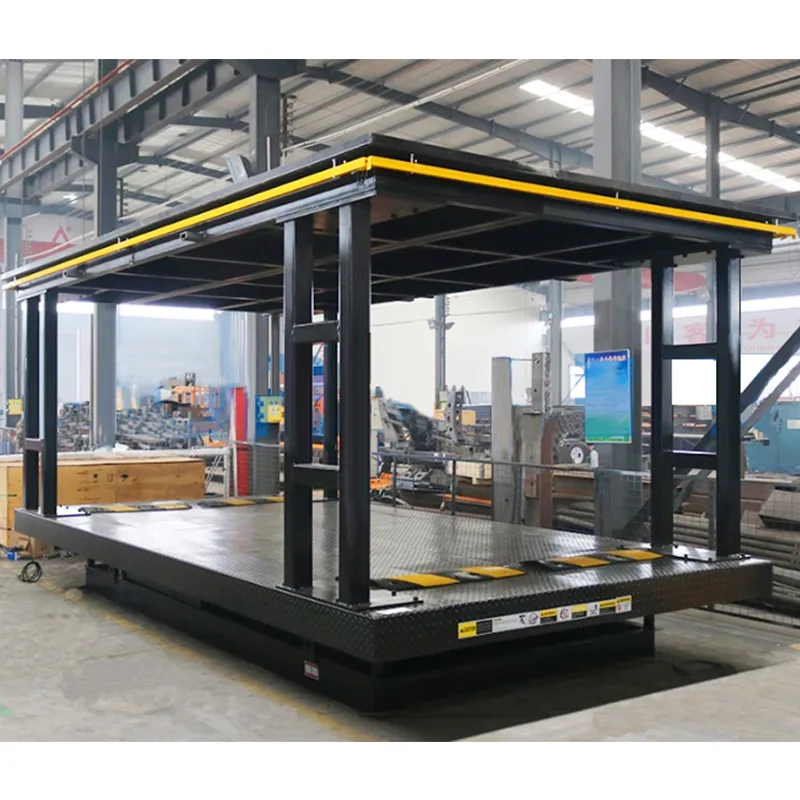
The warehouse cargo elevator excels in handling substantial weight loads that far exceed the capabilities of standard passenger elevators, with capacity ratings typically ranging from 4,000 to 20,000 pounds or more depending on specific model configurations. This exceptional load-bearing capability stems from reinforced structural components including heavy-gauge steel platforms, robust support frames, and industrial-grade lifting mechanisms engineered to withstand continuous heavy-duty operations. The platform construction utilizes diamond-plate steel surfaces that provide superior traction and durability, preventing slippage while accommodating forklifts, pallet jacks, and wheeled equipment during loading operations. Safety features include overload protection systems that automatically prevent operation when weight limits are exceeded, protecting both equipment and personnel from dangerous operating conditions. The warehouse cargo elevator incorporates multiple safety cables and backup systems that ensure reliable operation even under maximum load conditions, providing peace of mind for operators handling valuable inventory. The structural integrity extends to the guide rail systems and supporting framework, which are designed to handle dynamic loads and repeated cycling without compromising alignment or smooth operation. Advanced load distribution sensors monitor weight placement across the platform surface, alerting operators to improper loading conditions that could affect stability or performance. The heavy-duty construction materials resist wear and corrosion in industrial environments, maintaining operational reliability despite exposure to dust, moisture, and temperature variations common in warehouse settings. This robust design philosophy translates into extended service life and reduced maintenance requirements, making the warehouse cargo elevator a cost-effective long-term investment for facilities requiring dependable vertical transportation of heavy materials and equipment.
Advanced Safety Systems and Compliance Standards

Advanced Safety Systems and Compliance Standards

The warehouse cargo elevator integrates comprehensive safety systems that exceed industry standards and regulatory requirements, ensuring protection for both operators and cargo during all phases of operation. These advanced safety features include multiple independent braking systems, emergency stop capabilities, and fail-safe mechanisms that automatically secure the platform in case of power failure or mechanical issues. The control system incorporates sophisticated sensors that monitor door positions, platform alignment, and obstruction detection, preventing operation when unsafe conditions are detected. Safety interlocks ensure that the warehouse cargo elevator cannot operate with doors open or improperly secured, while photocell barriers detect personnel or objects in the path of travel. The system meets or exceeds OSHA requirements and relevant ANSI standards for industrial lifting equipment, providing compliance documentation necessary for insurance and regulatory approvals. Regular safety inspections are facilitated through built-in diagnostic systems that track operational parameters and alert maintenance personnel to potential issues before they become safety hazards. The warehouse cargo elevator features emergency communication systems and clearly marked safety procedures, enabling quick response in unusual circumstances. Landing gates and platform barriers prevent accidental falls while allowing efficient loading and unloading operations, striking an optimal balance between safety and productivity. The electrical systems incorporate ground fault protection and emergency power disconnects that ensure safe shutdown procedures during maintenance or emergency situations. Operator training requirements are minimized through intuitive controls and automated safety features, while comprehensive safety documentation supports proper training programs and operational procedures. These extensive safety measures not only protect personnel and property but also reduce liability exposure and insurance costs, making the warehouse cargo elevator a responsible choice for safety-conscious organizations seeking to maintain exemplary workplace safety records.
Operational Efficiency and Integration Capabilities

Operational Efficiency and Integration Capabilities

The warehouse cargo elevator delivers exceptional operational efficiency through advanced control systems and seamless integration capabilities that optimize material flow throughout multi-level facilities. Modern installations feature programmable controllers that can be customized to match specific operational requirements, including automated floor selection, timed operations, and integration with warehouse management systems for coordinated material handling. The variable frequency drive technology provides smooth acceleration and deceleration cycles that protect sensitive cargo while minimizing energy consumption and mechanical wear on system components. Smart positioning systems ensure precise floor alignment that eliminates gaps and height differences, enabling smooth transitions for wheeled equipment and reducing loading time. The warehouse cargo elevator can be integrated with conveyor systems, automated storage and retrieval systems, and inventory management software to create comprehensive material handling solutions that maximize productivity. Real-time monitoring capabilities provide operational data including cycle times, usage patterns, and maintenance requirements, enabling facility managers to optimize scheduling and predict maintenance needs. The system supports multiple operating modes including manual control, semi-automatic operation, and fully automated sequences that can be tailored to specific workflow requirements. Energy-efficient operation reduces utility costs through regenerative braking systems that capture and reuse energy during descent cycles, particularly beneficial in high-usage applications. The warehouse cargo elevator accommodates various types of material handling equipment including forklifts, pallet jacks, and automated guided vehicles, providing flexibility for different operational scenarios. Integration with building management systems enables coordinated operation with lighting, climate control, and security systems, optimizing overall facility efficiency. The modular design allows for future expansion or modification of control systems as operational requirements evolve, protecting the long-term investment while maintaining operational flexibility. These efficiency gains translate into measurable improvements in throughput, labor utilization, and overall operational costs, making the warehouse cargo elevator an essential component of modern automated warehouse operations.

Get a Free Quote

Our representative will contact you soon.
Email
Mobile/WhatsApp
Name
Company Name
Message
0/1000