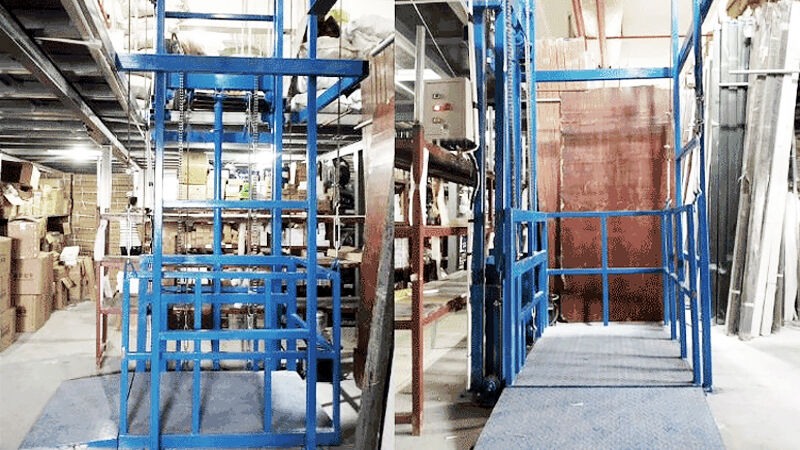
lắp đặt thiết bị nâng ô tô 4 cột
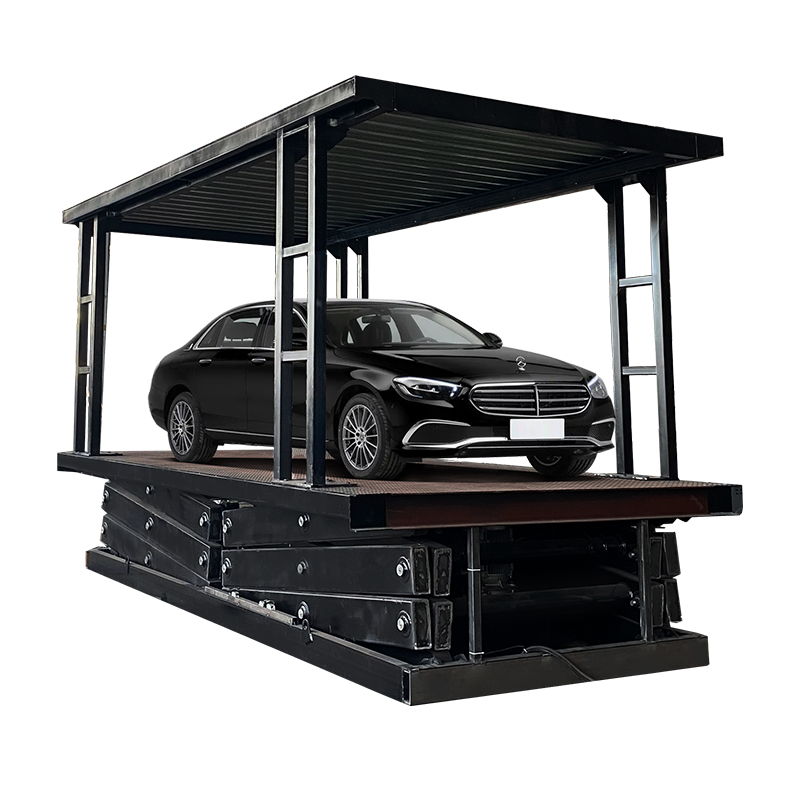
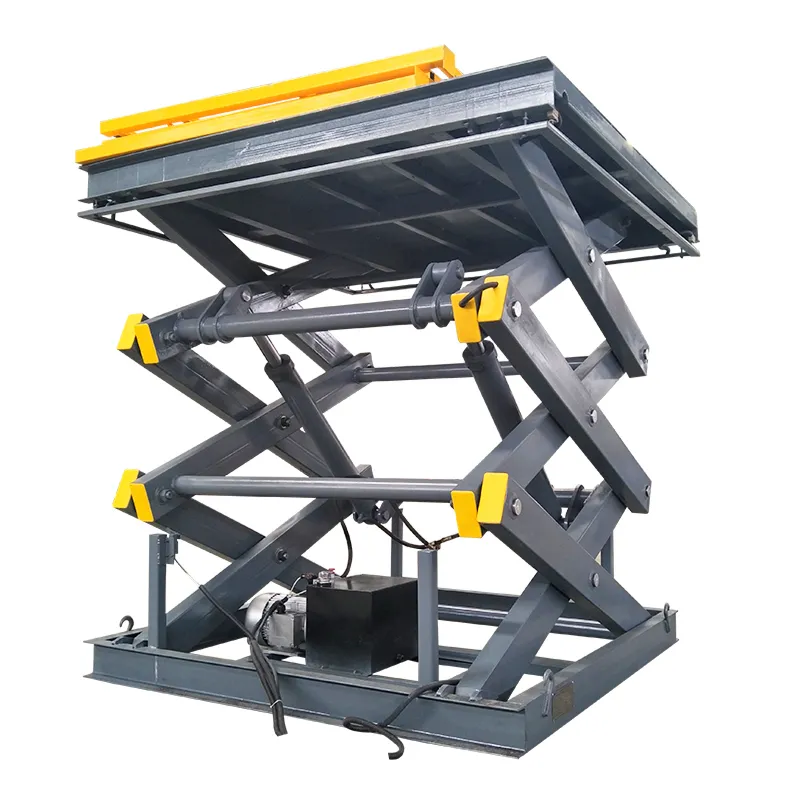
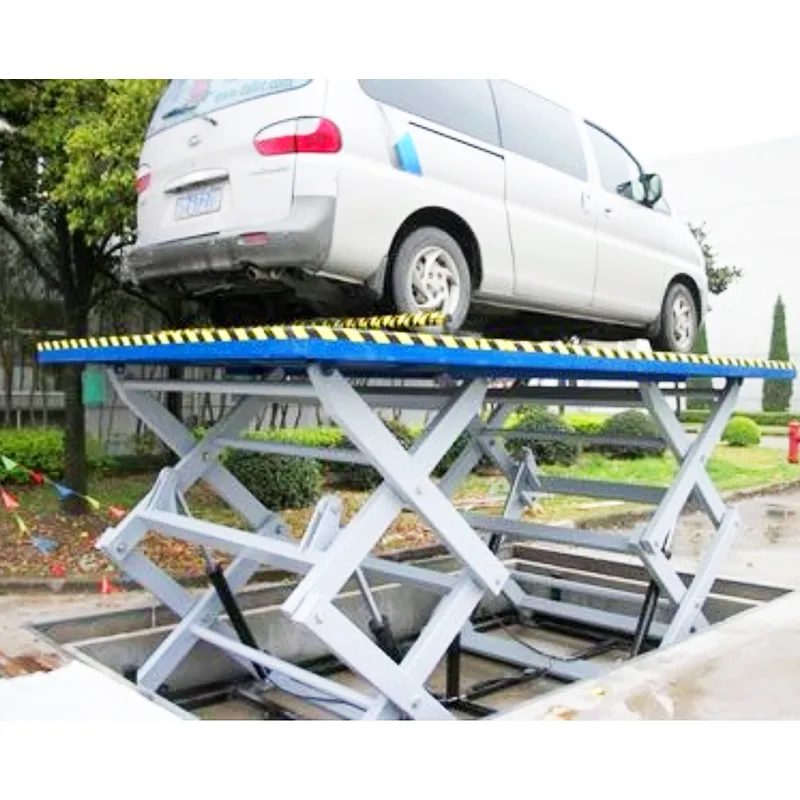
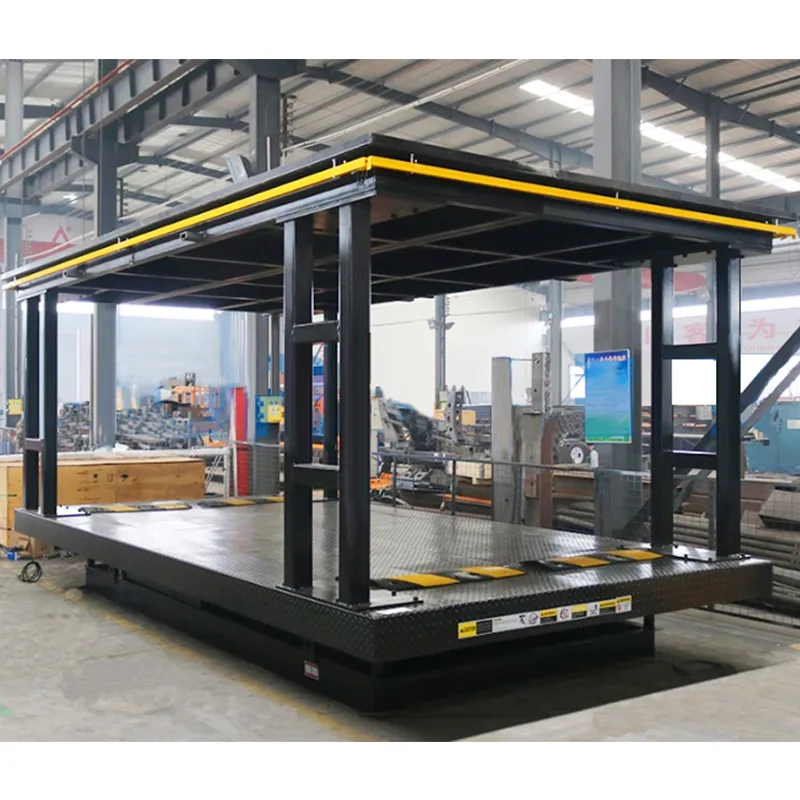
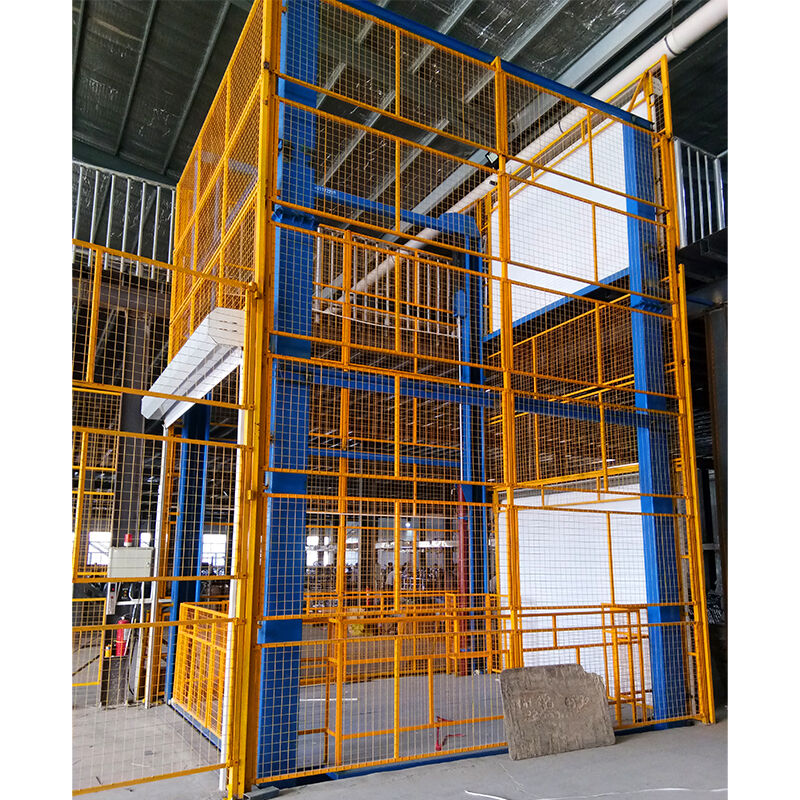
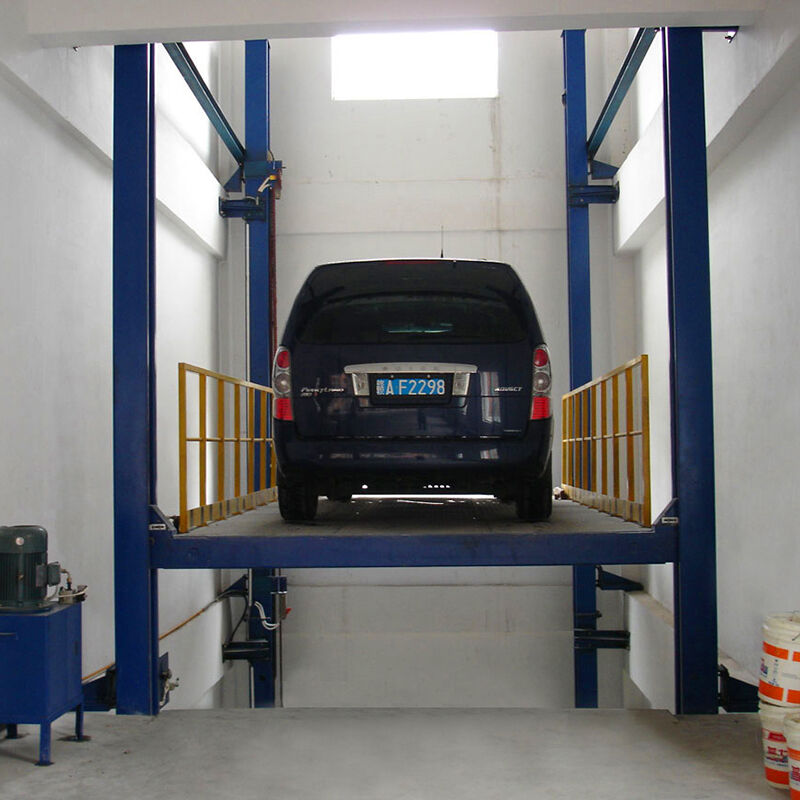
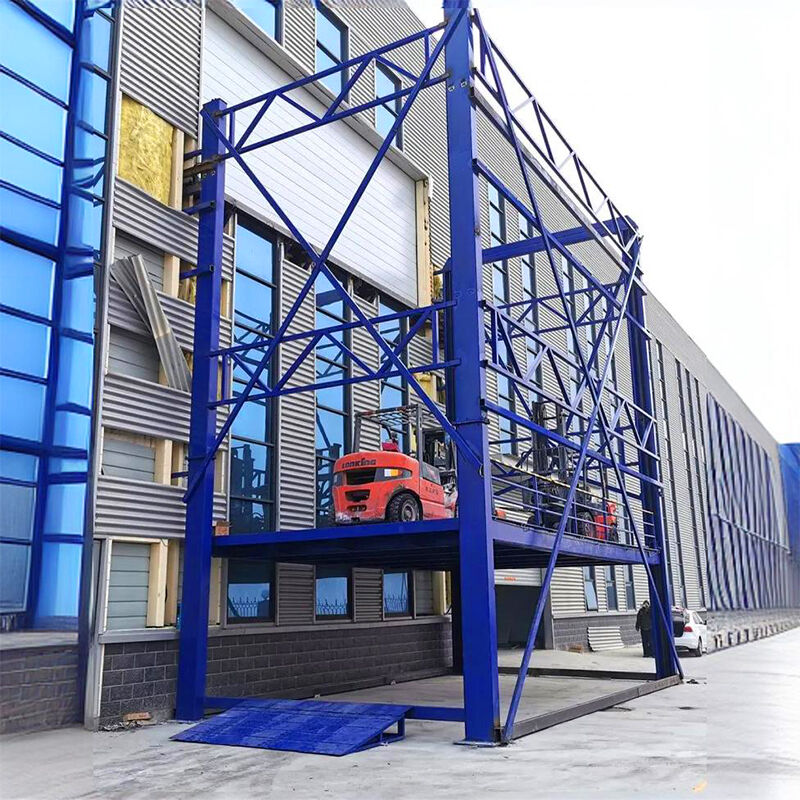
Việc lắp đặt cầu nâng ô tô 4 cột là một khoản đầu tư mang tính chuyển đổi đối với các chuyên gia trong ngành ô tô, những người đam mê xe và chủ gara đang tìm kiếm giải pháp nâng xe hiệu quả. Hệ thống nâng vững chắc này bao gồm bốn cột đứng được kết nối với nhau bằng khung kết cấu, tạo thành một nền tảng ổn định có khả năng nâng an toàn các loại xe với kích thước và trọng lượng khác nhau. Chức năng chính của việc lắp đặt cầu nâng ô tô 4 cột là cung cấp khả năng lưu trữ và bảo dưỡng xe một cách an toàn, thuận tiện trong không gian mặt bằng hạn chế. Các hệ thống này thường phù hợp với xe du lịch, xe tải nhẹ và xe SUV, với khả năng nâng từ 8.000 đến 15.000 pound (tương đương khoảng 3.629–6.804 kg), tùy thuộc vào mẫu cụ thể được lựa chọn. Các tính năng công nghệ được tích hợp trong các thiết kế cầu nâng 4 cột hiện đại bao gồm cơ chế nâng thủy lực được điều khiển bởi động cơ điện, hệ thống khóa an toàn nhằm ngăn chặn việc hạ xuống vô tình, và độ rộng đường chạy có thể điều chỉnh để phù hợp với các chiều dài cơ sở bánh xe khác nhau. Các mẫu cao cấp được trang bị điều khiển điện tử với thao tác nút bấm, khóa an toàn tự động kích hoạt ở các độ cao đã được xác định trước, cũng như khay hứng dầu tích hợp để thu gom chất lỏng trong quá trình bảo dưỡng. Bề mặt đường chạy thường được làm từ thép tấm có họa tiết kim cương nhằm tăng độ bám và độ bền, trong khi các cột nâng được chế tạo từ thép chịu lực cao, phủ lớp sơn tĩnh điện để chống ăn mòn. Các ứng dụng của cầu nâng ô tô 4 cột bao quát nhiều môi trường như gara dân dụng, cơ sở sửa chữa thương mại, đại lý ô tô và các khu vực lưu trữ xe chuyên biệt. Các kỹ thuật viên chuyên nghiệp sử dụng các cầu nâng này để thực hiện kiểm tra toàn diện xe, sửa chữa hộp số, bảo dưỡng hệ thống xả và công việc liên quan đến hệ thống treo. Những người sưu tầm xe hưởng lợi từ việc tăng gấp đôi dung tích lưu trữ trong không gian gara hiện có, trong khi những người đam mê phục chế xe lại có được khả năng tiếp cận tốt hơn phần gầm xe để thực hiện các công việc chi tiết. Quy trình lắp đặt yêu cầu chiều cao trần phù hợp, thường tối thiểu từ 11 đến 12 feet (khoảng 3,35–3,66 mét), nền bê tông đủ chắc để chịu tải trọng phân bố và kết nối điện để vận hành động cơ. Các chứng nhận an toàn đảm bảo tuân thủ các tiêu chuẩn ngành, mang lại sự an tâm cho người vận hành cũng như đáp ứng yêu cầu bảo hiểm đối với các ứng dụng thương mại.
 EN
EN