Small Cargo Lift Solutions: Efficient Vertical Material Transport Systems

Get a Free Quote

Our representative will contact you soon.
Email
Mobile/WhatsApp
Name
Company Name
Message
0/1000

small cargo lift

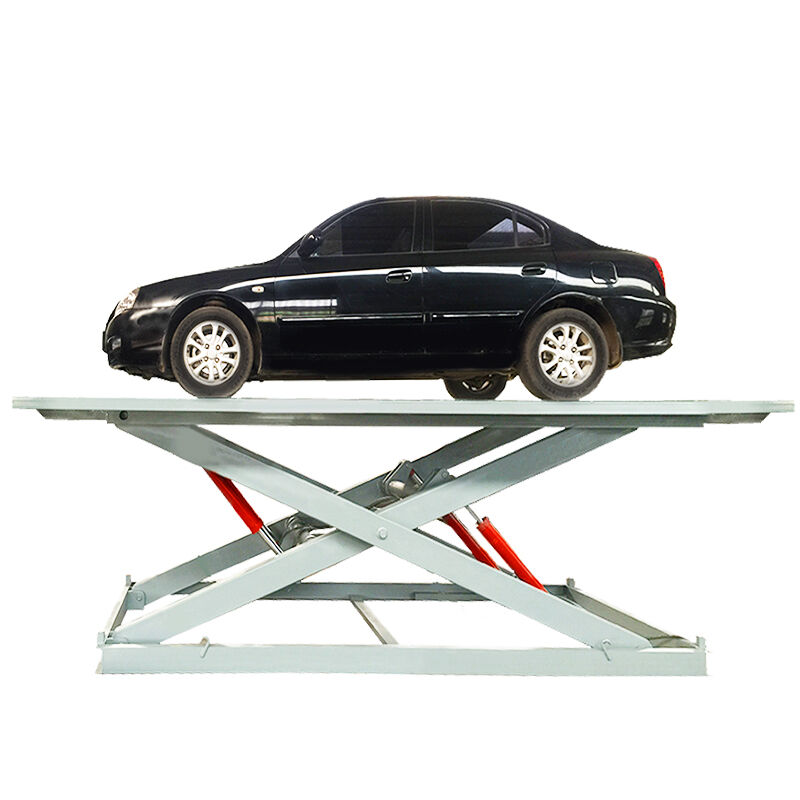
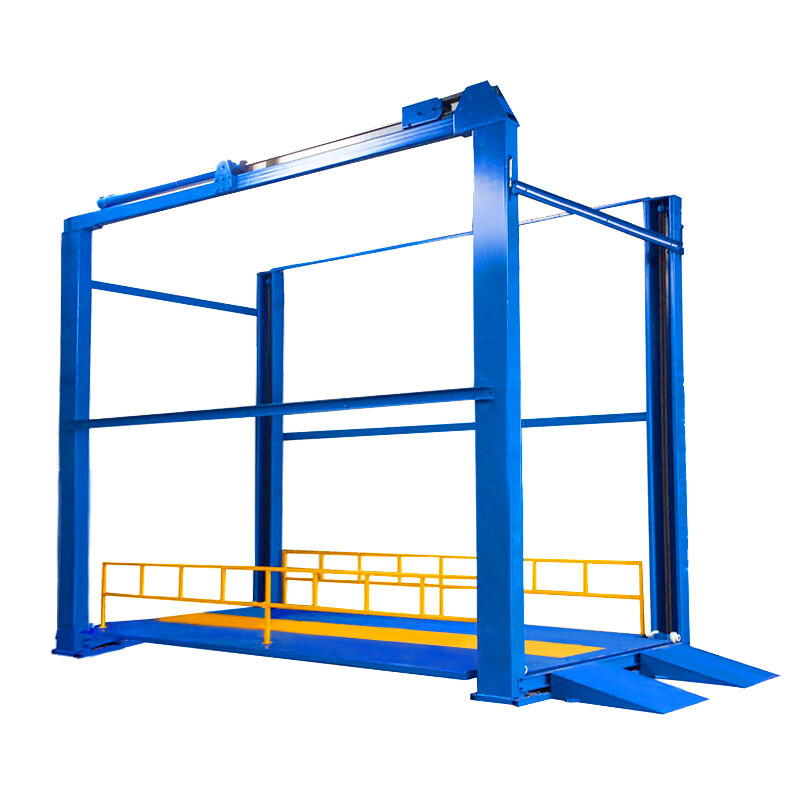
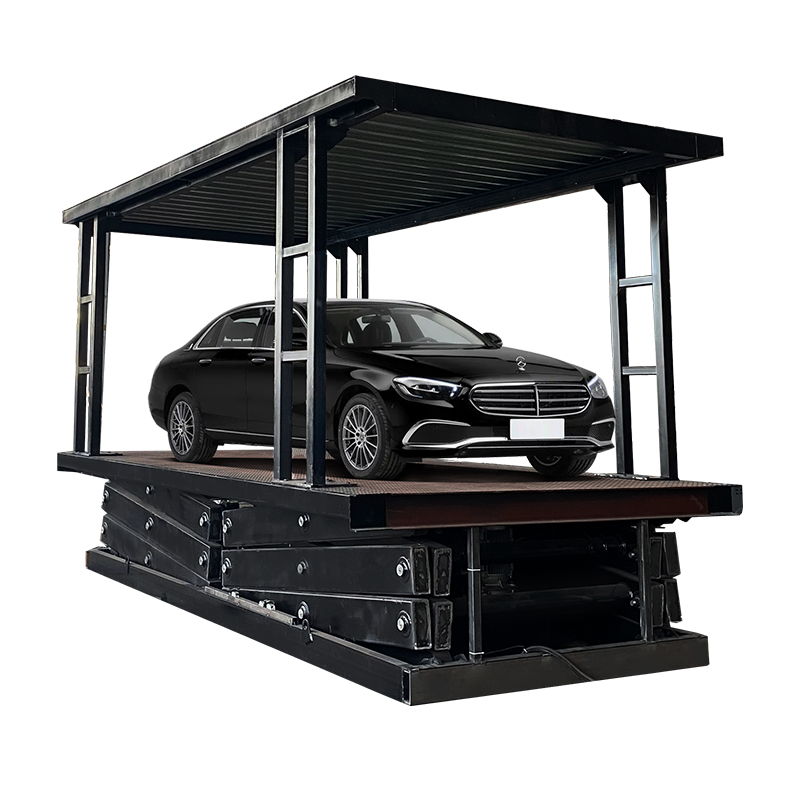
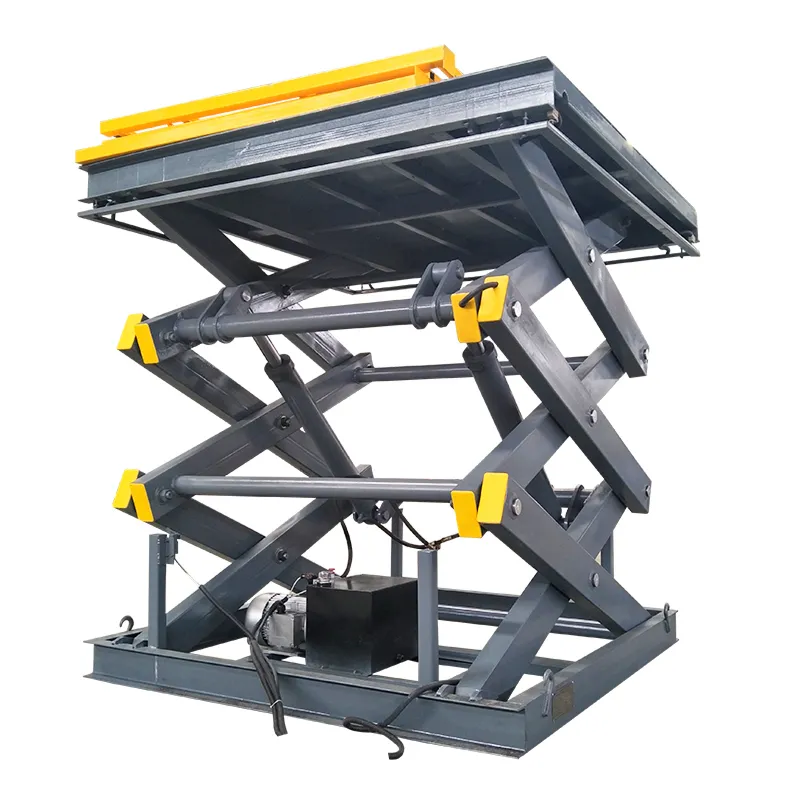
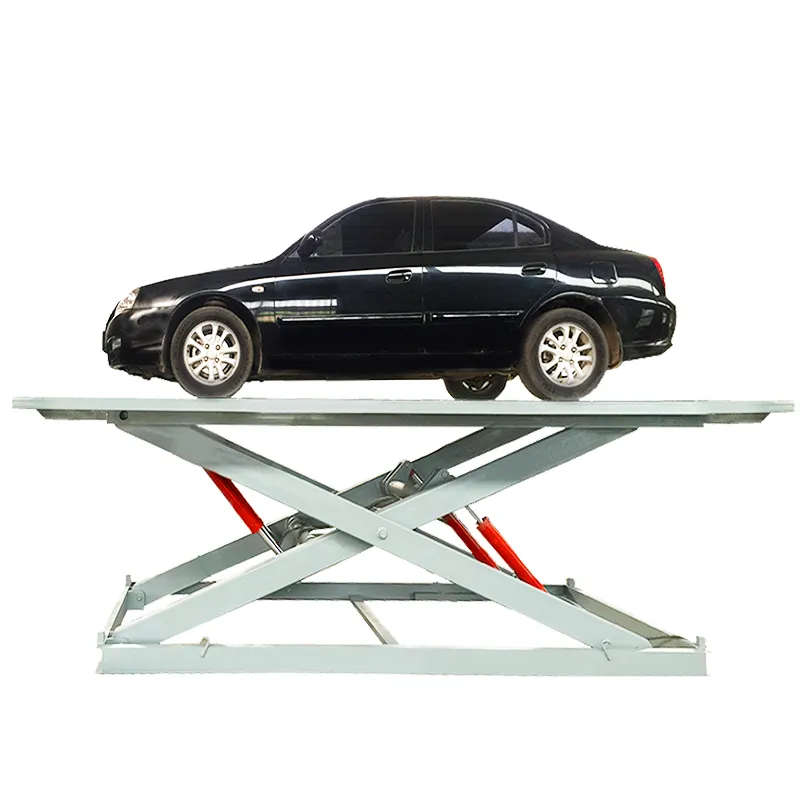
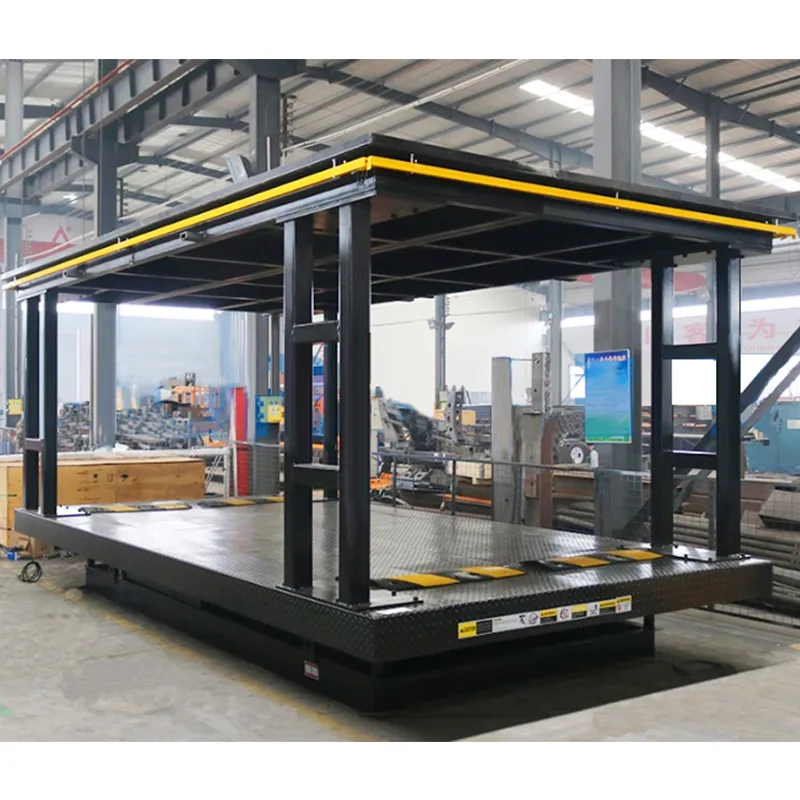
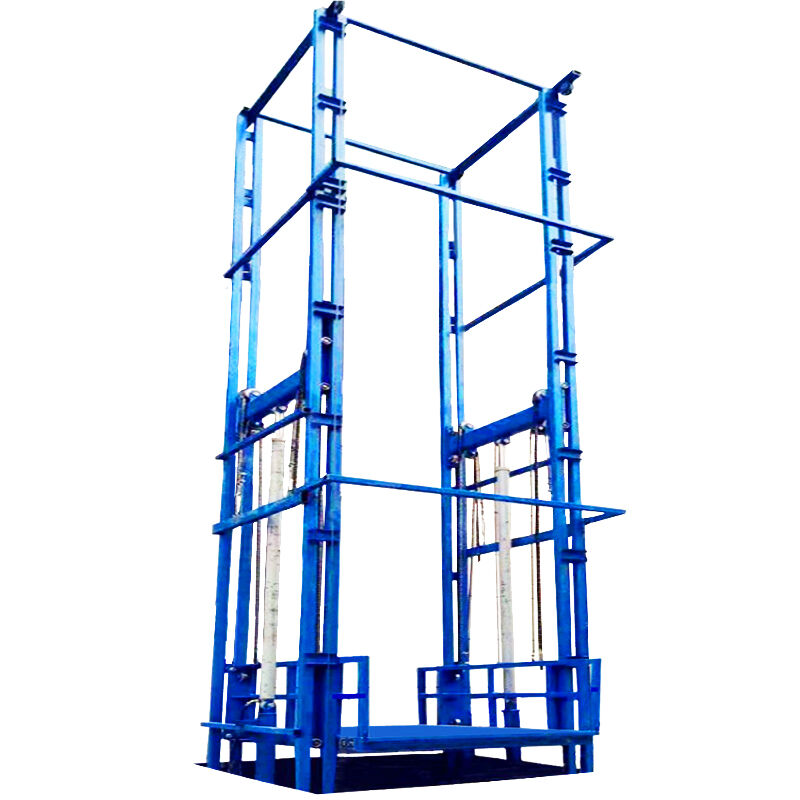
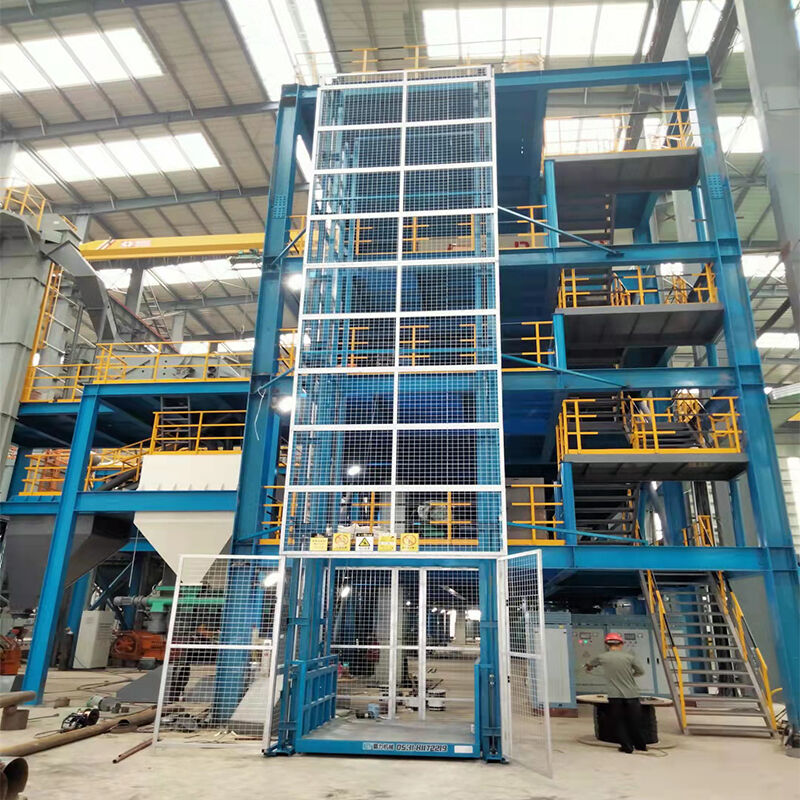
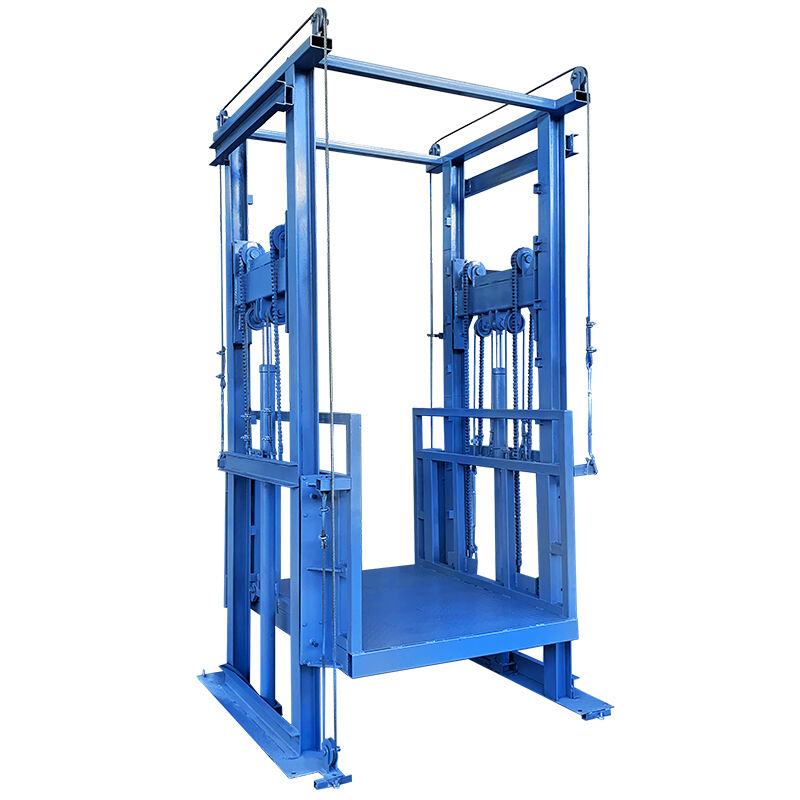
A small cargo lift represents a specialized vertical transportation solution designed to efficiently move goods, materials, and equipment between different floor levels in various commercial and industrial settings. These compact yet powerful systems serve as essential infrastructure components that streamline operations while maximizing space utilization. Unlike traditional freight elevators, the small cargo lift offers a more economical and space-efficient alternative for businesses requiring regular vertical material transport. The primary function of a small cargo lift centers on providing reliable, automated lifting capabilities for loads ranging from lightweight packages to heavy industrial components. These systems typically accommodate weight capacities between 500 to 5000 pounds, making them suitable for diverse applications across multiple industries. The technological framework of modern small cargo lift systems incorporates advanced safety mechanisms, including emergency stop controls, overload protection, and backup power systems. Most units feature programmable logic controllers that enable precise floor positioning and smooth operation cycles. The lifting mechanism usually employs either hydraulic or electric motor-driven systems, depending on specific requirements and installation constraints. Contemporary small cargo lift designs integrate user-friendly control panels with intuitive interfaces, allowing operators to easily manage lifting operations. Many models include remote monitoring capabilities that enable facility managers to track usage patterns and maintenance schedules. The structural design emphasizes durability and longevity, with reinforced steel frameworks and weather-resistant components ensuring consistent performance in challenging environments. Installation flexibility represents another significant aspect, as small cargo lift systems can be configured for indoor or outdoor applications. The modular design approach allows for customization based on specific spatial constraints and operational requirements. Energy efficiency features, such as variable frequency drives and standby mode functions, help minimize operational costs while maintaining optimal performance standards throughout extended usage periods.

New Products

The small cargo lift delivers exceptional operational efficiency that transforms how businesses handle vertical material transport. Companies experience immediate productivity gains as workers no longer waste time manually carrying items up and down stairs or waiting for oversized freight elevators. The automated lifting process reduces labor costs significantly while eliminating the physical strain associated with manual material handling. This efficiency translates directly into faster turnaround times and improved workflow management across all operational departments. Safety improvements represent another crucial advantage of implementing a small cargo lift system. The enclosed design protects both operators and materials from potential hazards during transport. Advanced safety features prevent accidents through multiple fail-safe mechanisms, including emergency stops, door interlocks, and overload sensors. Workers avoid injury risks associated with carrying heavy items on stairs, while the controlled environment ensures fragile materials reach their destination without damage. The compact footprint of a small cargo lift makes it ideal for facilities with limited space availability. These systems require minimal floor area compared to traditional freight elevators, allowing businesses to maximize their usable space for core operations. The vertical installation approach utilizes overhead space efficiently, making it perfect for warehouses, manufacturing facilities, and retail environments where every square foot matters. Installation costs remain substantially lower than conventional elevator systems, making the small cargo lift accessible to businesses with modest budgets. The simplified installation process reduces downtime during implementation, allowing companies to quickly benefit from improved material handling capabilities. Maintenance requirements stay minimal due to robust construction and reliable components, resulting in lower long-term operational expenses. Versatility stands out as a major benefit, with small cargo lift systems accommodating various load types and sizes. From documents and supplies to heavy machinery components, these lifts handle diverse materials safely and efficiently. The customizable platform sizes and weight capacities ensure optimal performance for specific business requirements. Weather resistance features enable outdoor installations, expanding application possibilities for construction sites, loading docks, and industrial facilities. The reliable operation in harsh conditions ensures consistent performance regardless of environmental challenges. Energy efficiency features reduce operational costs while supporting sustainability initiatives, making the small cargo lift an environmentally responsible choice for modern businesses.

Latest News

What Are the Advantages of Choosing a Custom Lift Manufacturer?

05

Mar

What Are the Advantages of Choosing a Custom Lift Manufacturer?

When businesses need vertical transportation solutions, they often face a critical decision: choose a standard, off-the-shelf lift system or partner with a custom lift manufacturer. While pre-engineered lifts may seem like the simpler option, working...
View More
How Does an Industrial Lift Support High-Load Transportation Tasks?

10

Mar

How Does an Industrial Lift Support High-Load Transportation Tasks?

Industrial facilities across manufacturing, warehousing, and logistics sectors face constant challenges in moving heavy materials between different floor levels efficiently and safely. The mechanism by which an industrial lift handles high-load trans...
View More
Why Are Stationary Scissor Lifts Popular in Manufacturing Plants?

16

Mar

Why Are Stationary Scissor Lifts Popular in Manufacturing Plants?

Manufacturing plants worldwide have increasingly turned to stationary scissor lifts as essential equipment for their vertical material handling and access needs. These robust hydraulic platforms have become indispensable in modern industrial operatio...
View More
What Are the Key Benefits of Installing a Goods Lift in Factories?

30

Mar

What Are the Key Benefits of Installing a Goods Lift in Factories?

In today’s highly competitive industrial environment, factories are under constant pressure to improve operational efficiency, reduce labor costs, and ensure workplace safety. One of the most practical solutions adopted by modern manufactu...
View More

Get a Free Quote

Our representative will contact you soon.
Email
Mobile/WhatsApp
Name
Company Name
Message
0/1000

small cargo lift

Advanced Safety Technology Integration

Advanced Safety Technology Integration

Modern small cargo lift systems incorporate comprehensive safety technology that exceeds industry standards and provides unparalleled protection for both operators and transported materials. The multi-layered safety approach begins with sophisticated sensors that continuously monitor load weight, platform position, and operational parameters throughout each lifting cycle. These intelligent systems automatically detect overload conditions and prevent operation when weight limits are exceeded, protecting both the equipment and surrounding infrastructure from potential damage. Emergency stop mechanisms are strategically positioned at multiple access points, allowing immediate operation cessation from any location around the small cargo lift. The door interlock system represents a critical safety feature that prevents platform movement when access doors remain open, eliminating the possibility of accidents during loading and unloading operations. Advanced limit switches provide precise position control, ensuring the platform stops accurately at designated floor levels and preventing overtravel situations. The backup power system maintains essential safety functions during electrical outages, allowing controlled lowering of the platform to ground level and ensuring personnel safety. Protective barriers and guards surround moving components, preventing accidental contact with mechanical elements during operation. The control system includes diagnostic capabilities that continuously monitor component health and alert operators to potential maintenance needs before failures occur. This proactive approach significantly reduces unexpected downtime while maintaining optimal safety standards. Fire-resistant materials and construction techniques ensure the small cargo lift continues operating safely even in emergency situations, providing crucial material transport capabilities when needed most. The comprehensive safety documentation and training materials help facility managers implement proper operational procedures and ensure all personnel understand safe usage protocols. Regular safety inspections and maintenance schedules are built into the system design, making compliance with safety regulations straightforward and manageable for facility operators.
Space-Efficient Design and Installation Flexibility

Space-Efficient Design and Installation Flexibility

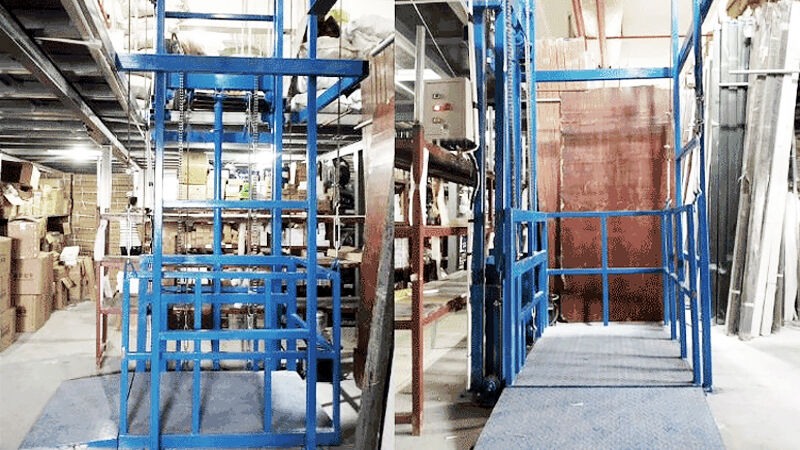
The innovative design philosophy behind the small cargo lift prioritizes maximum functionality within minimal spatial requirements, making it an ideal solution for facilities facing space constraints. The compact vertical footprint typically requires only a few square feet of floor space, yet provides full lifting capabilities equivalent to much larger systems. This efficient space utilization allows businesses to install vertical transport solutions in areas previously considered unsuitable for traditional freight elevators. The modular construction approach enables customization to fit specific architectural constraints and operational requirements. Engineers can configure the small cargo lift to accommodate unique ceiling heights, foundation limitations, and structural considerations without compromising performance or safety standards. The flexible installation options include both indoor and outdoor configurations, with weatherproof enclosures available for external applications. The pit requirements remain minimal compared to conventional elevator systems, reducing excavation costs and installation complexity. Many models offer pit-less installation options that eliminate the need for below-ground construction, making them suitable for buildings with basement restrictions or challenging foundation conditions. The machine room requirements are typically eliminated through innovative design that integrates all mechanical components within the lift structure itself. This self-contained approach reduces installation footprint and simplifies maintenance access. The small cargo lift can be installed in existing buildings without major structural modifications, making it an excellent retrofit solution for facilities requiring improved material handling capabilities. The installation timeline remains significantly shorter than traditional elevator projects, minimizing operational disruption during implementation. Professional installation teams can typically complete the entire process within days rather than weeks, allowing businesses to quickly realize the benefits of improved vertical transport. The design accommodates future expansion needs through modular components that can be upgraded or reconfigured as operational requirements change. This adaptability ensures the small cargo lift remains a valuable asset as businesses grow and evolve their material handling processes.
Cost-Effective Operation and Maintenance

Cost-Effective Operation and Maintenance

The small cargo lift delivers exceptional return on investment through its combination of low initial costs, minimal maintenance requirements, and energy-efficient operation. The upfront investment remains substantially lower than traditional freight elevator systems, making vertical transport solutions accessible to businesses across various industries and budget ranges. The simplified mechanical design reduces manufacturing costs while maintaining robust performance capabilities, passing these savings directly to customers. Operational costs stay remarkably low due to energy-efficient motor systems and intelligent power management features. The variable frequency drive technology adjusts power consumption based on load requirements and usage patterns, significantly reducing electricity expenses compared to constant-speed alternatives. Standby mode functionality automatically reduces power consumption during idle periods, further minimizing operational costs. The maintenance requirements remain minimal thanks to high-quality components and robust construction techniques. Most small cargo lift systems require only routine inspections and basic lubrication procedures, which can be performed by in-house maintenance staff with minimal training. The diagnostic capabilities built into modern control systems provide early warning of potential issues, allowing preventive maintenance that avoids costly emergency repairs. Component accessibility has been carefully considered in the design process, ensuring maintenance procedures can be completed quickly and efficiently. The standardized parts and components reduce replacement costs while ensuring availability through established supply chains. Many manufacturers offer comprehensive service packages that include regular maintenance, emergency support, and parts replacement, providing predictable operational costs and peace of mind. The durability of small cargo lift systems ensures extended service life with minimal component replacement requirements. High-grade steel construction and corrosion-resistant finishes protect against wear and environmental factors, maintaining optimal performance throughout decades of operation. The simple mechanical design reduces the likelihood of complex system failures that require expensive specialist repairs. Training requirements for operators remain minimal, as the intuitive control systems can be mastered quickly by existing personnel. This eliminates the need for specialized operator certification or ongoing training programs that add to operational costs. The small cargo lift represents a smart investment that continues delivering value through reduced labor costs, improved efficiency, and reliable performance year after year.

Get a Free Quote

Our representative will contact you soon.
Email
Mobile/WhatsApp
Name
Company Name
Message
0/1000