منصة رفع ثابتة قابلة للثني
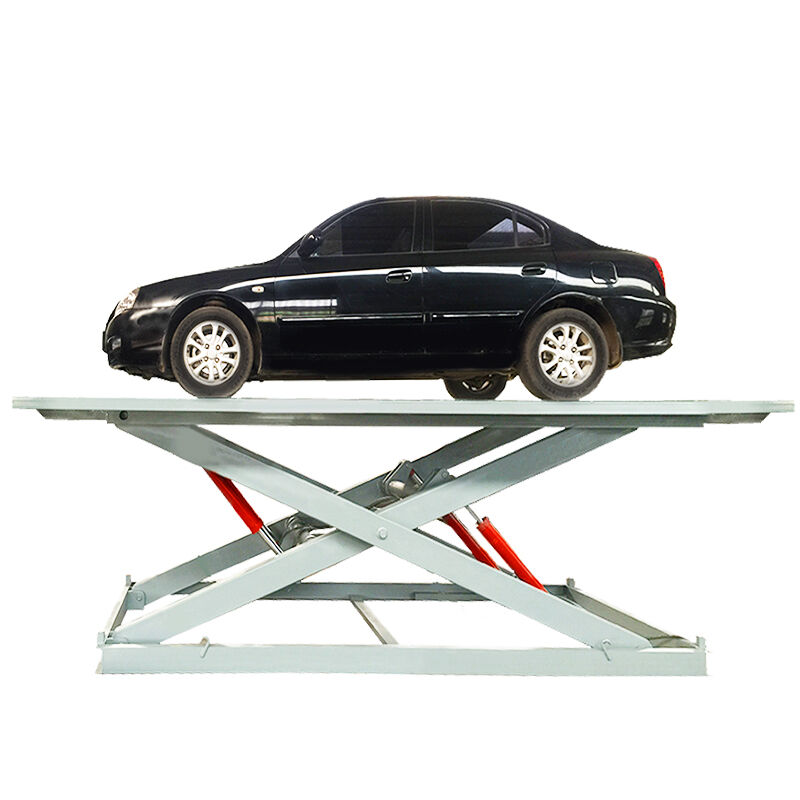
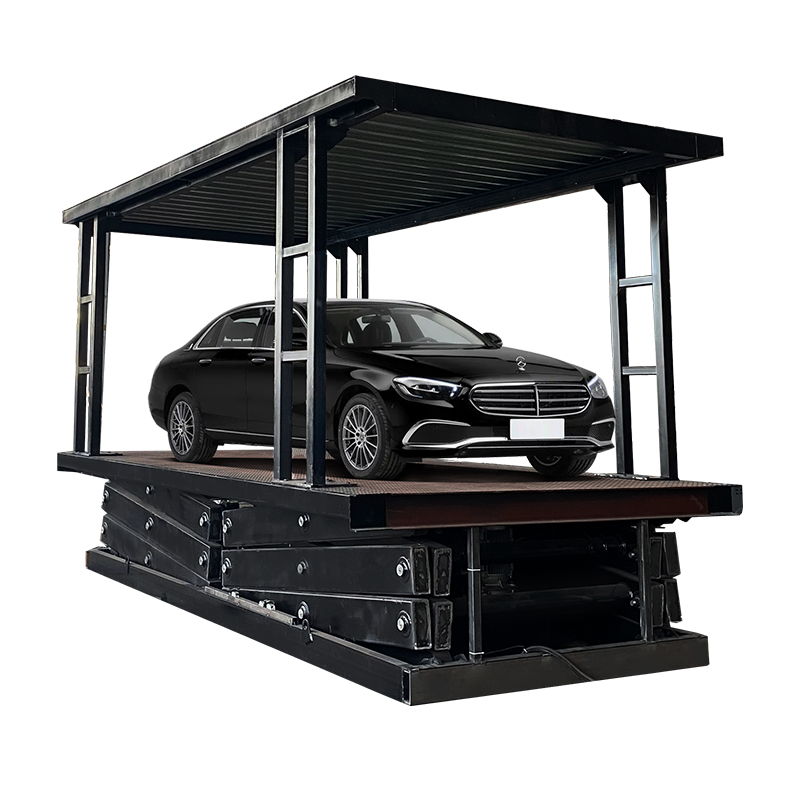
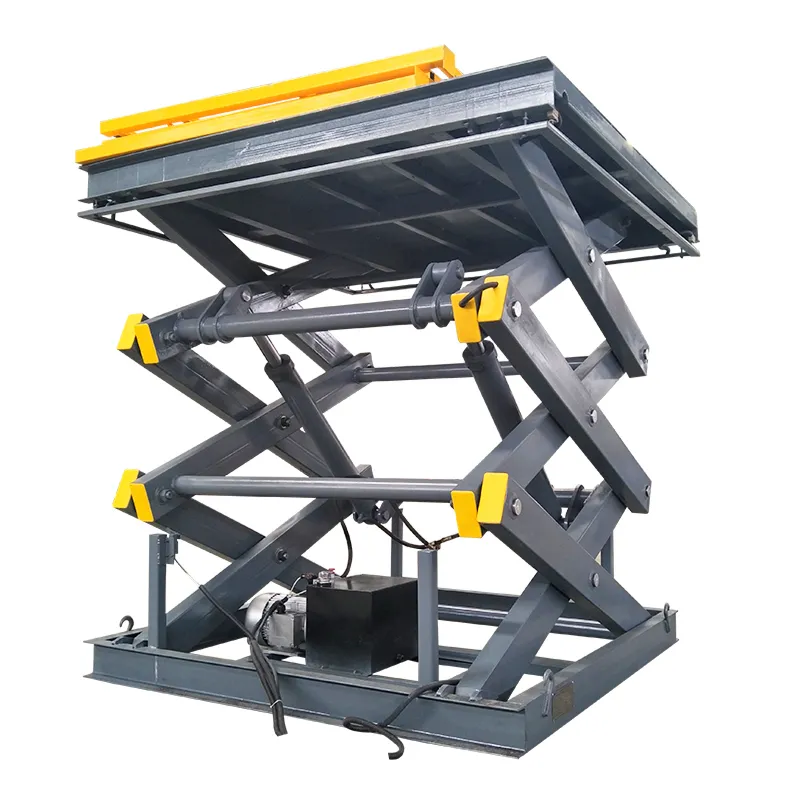
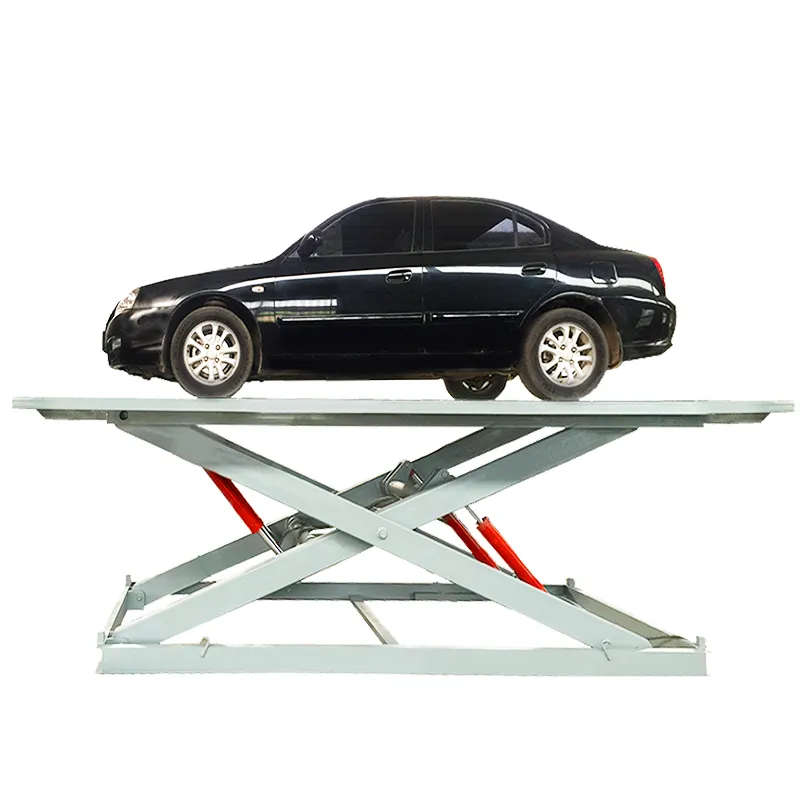
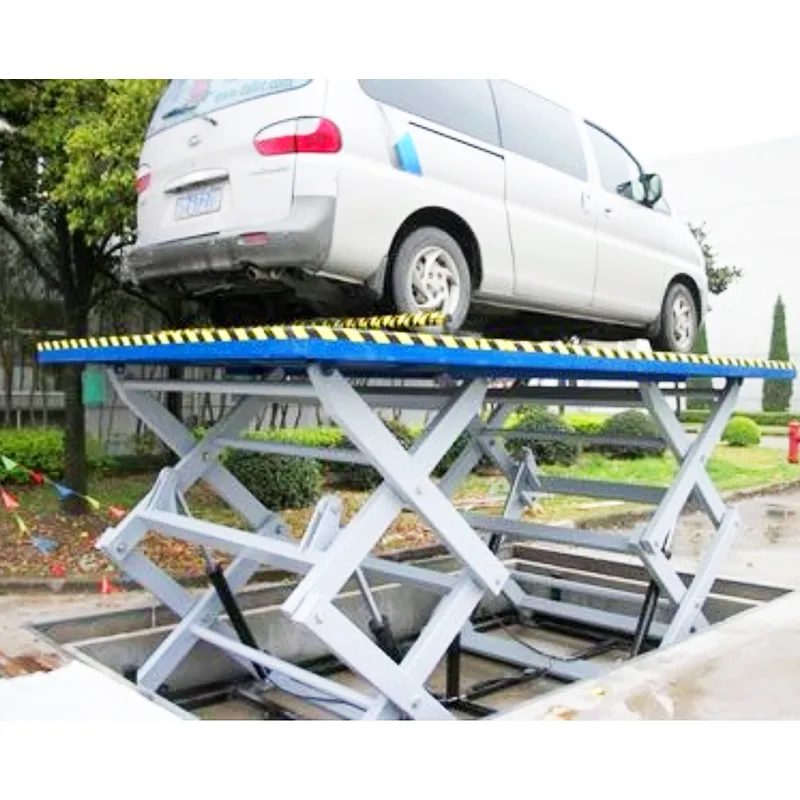
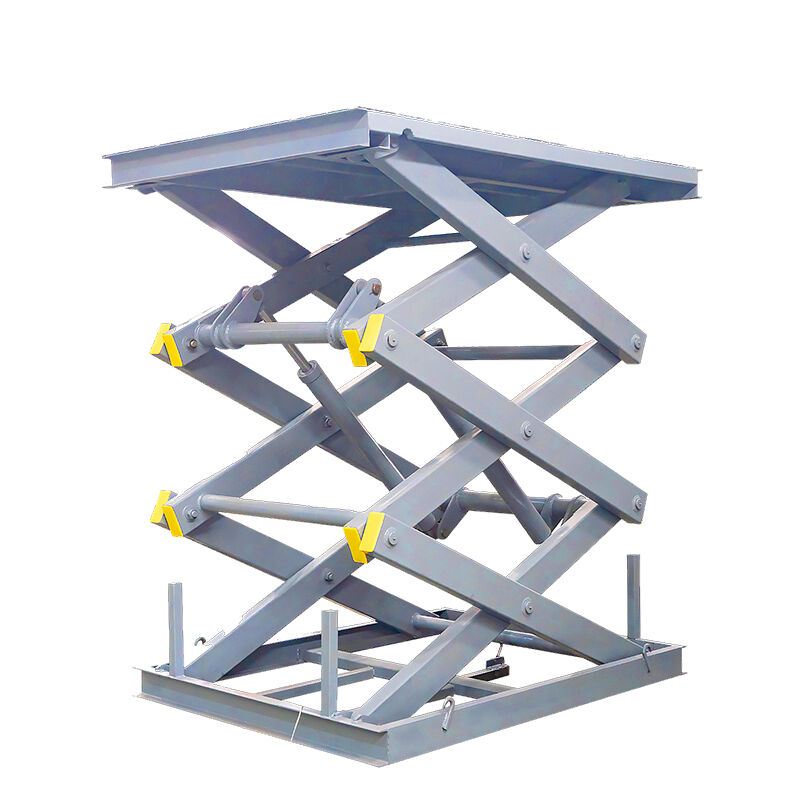
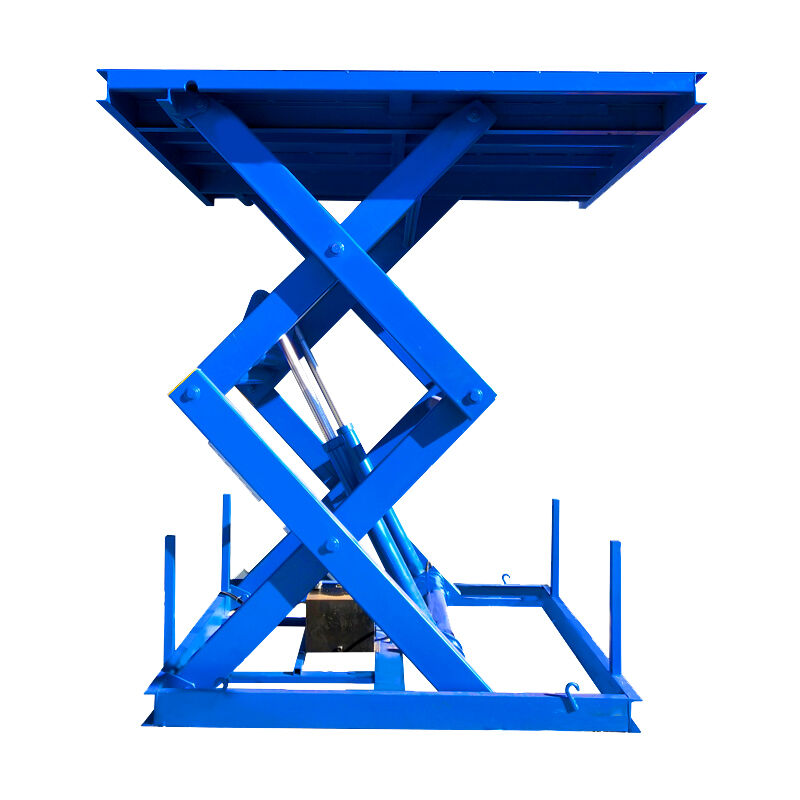
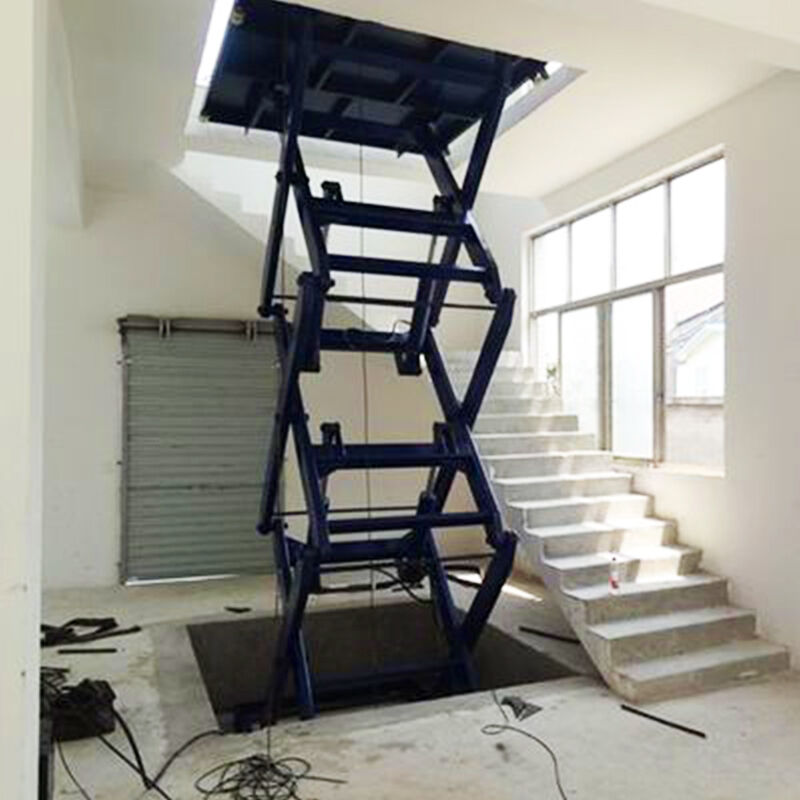
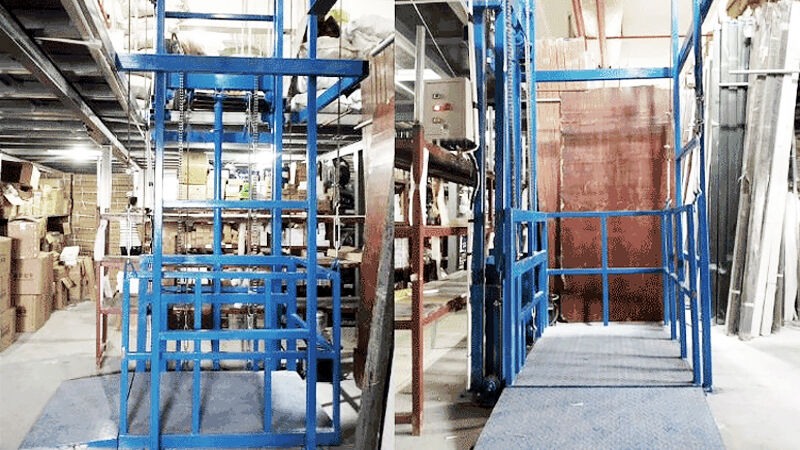
يمثل منصة الرفع المقصية الثابتة حلاً ثوريًّا للنقل الرأسي ومناولة المواد في البيئات الصناعية والتجارية. وتجمع هذه المعدّة المتخصصة بين الهندسة القوية والميكانيكا الدقيقة لتوفير قدرات رفع رأسية آمنة وفعّالة للبضائع والمواد والأشخاص. وتعمل منصة الرفع المقصية الثابتة عبر نظام هيدروليكي متطوّر يُحرّك آلية المقصات المتصلة ببعضها، ما يحقّق حركة رأسية سلسة ومُتحكَّم بها بين مستويات الطوابق المختلفة. وعلى عكس البدائل المتحركة، فإن هذا التثبيت الثابت يوفّر حلولاً دائمةً للوصول في المستودعات، ومرافق التصنيع، والطوابق الوسيطة، والعمليات متعددة المستويات. وتتميّز المنصة بتصنيعها من الفولاذ عالي المتانة مع أذرع مقصية مُعزَّزة توزّع الوزن بالتساوي على آلية الرفع. كما تولّد الأسطوانات الهيدروليكية المتطوّرة القوة اللازمة لرفع الأحمال الكبيرة مع الحفاظ على الاستقرار طوال مدى الحركة الكامل. وتشمل أنظمة السلامة أزرار إيقاف الطوارئ، والدرابزينات الأمنية، والحواجز الواقية، وآليات الحماية من الحمل الزائد التي تمنع التشغيل عند تجاوز السعات المُصنَّفة. وتضمّ منصة الرفع المقصية الثابتة أنظمة توجيه مُصمَّمة بدقة لضمان حركة رأسية سلسة دون أي حركة جانبية أو اهتزاز. وتتراوح أنظمة التحكّم بين عمليات تشغيل بسيطة بواسطة أزرار ضغط، وواجهات برمجية متطوّرة تسمح بتحديد المواقع بدقة وتنفيذ سلاسل تشغيل أوتوماتيكية. ويمكن لهذه المنصات استيعاب سعات حمل متنوّعة، بدءًا من المواد خفيفة الوزن وصولًا إلى المعدات الصناعية الثقيلة، مع ارتفاعات رفع تمتد من عدة أقدام إلى عدة طوابق. ويتم التركيب عبر تثبيت محكم في أساسات المبنى، مما يضمن ثباتًا دائمًا وموثوقية طويلة الأمد. وتشكّل منصة الرفع المقصية الثابتة عنصرًا أساسيًّا في أنظمة مناولة المواد الحديثة، حيث تحلّ محل المصاعد التجارية التقليدية في العديد من التطبيقات، وتوفر في الوقت نفسه حلولًا أكثر فعالية من حيث التكلفة لاحتياجات النقل الرأسي. كما تكون متطلبات الصيانة الدورية بسيطة جدًّا، بفضل المكونات الهيدروليكية سهلة الوصول وإجراءات الخدمة المباشرة التي تُ tốiّم وقت التشغيل والكفاءة التشغيلية.
 EN
EN