
underground parking lift
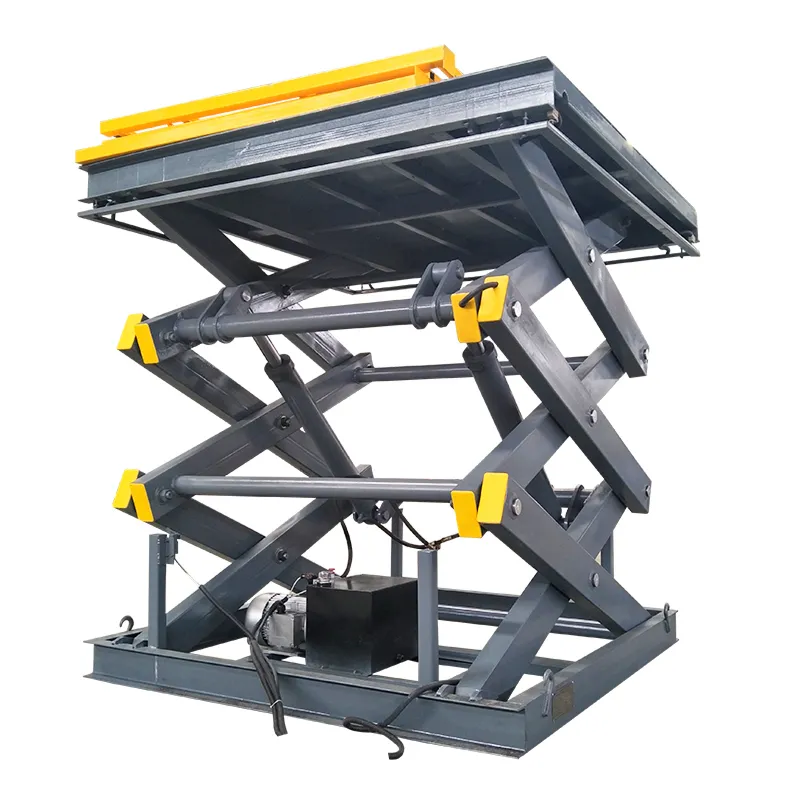
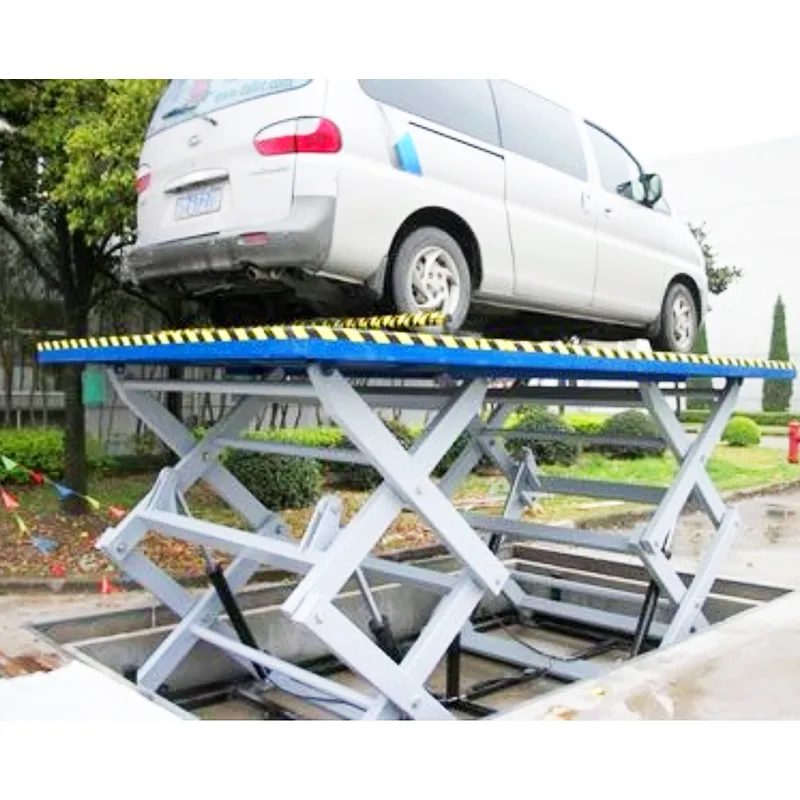
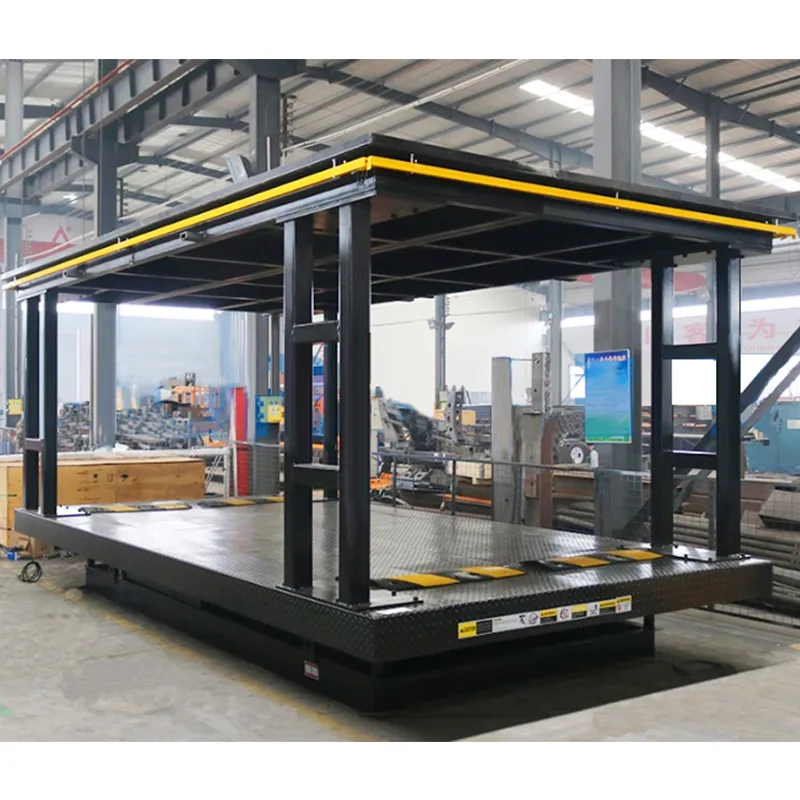
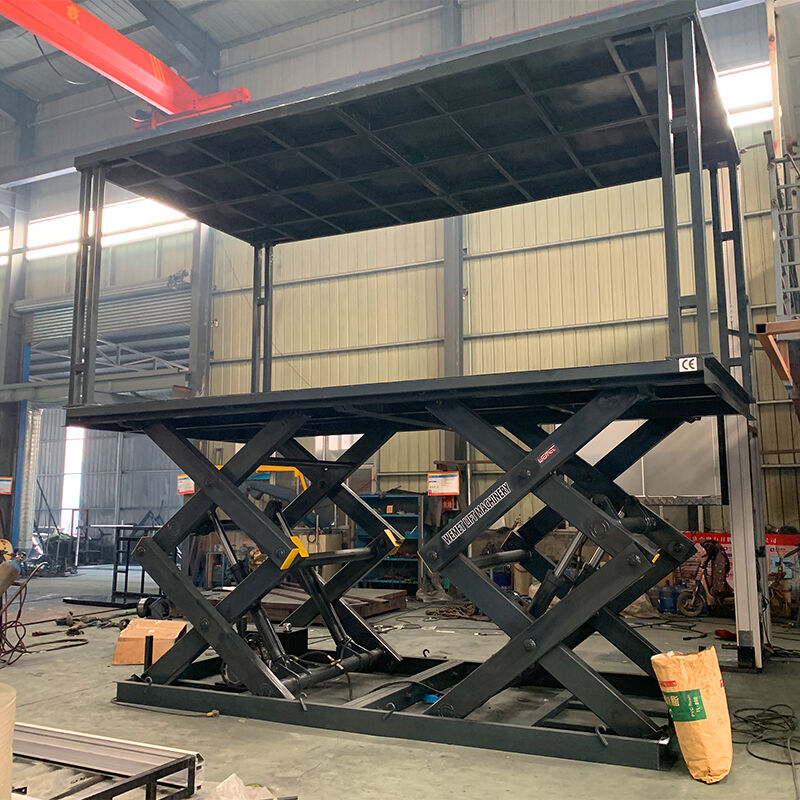
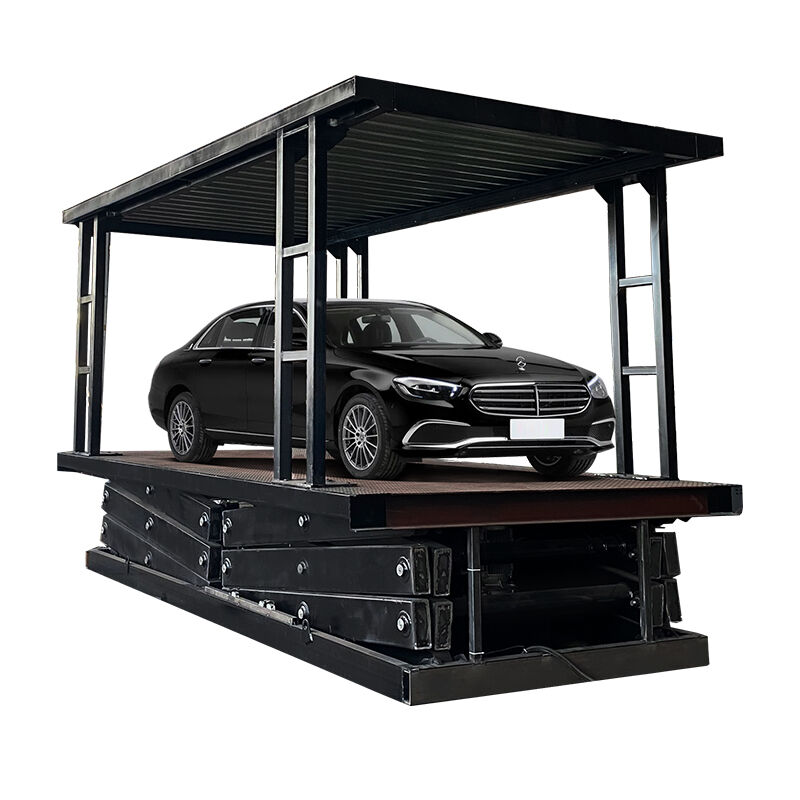
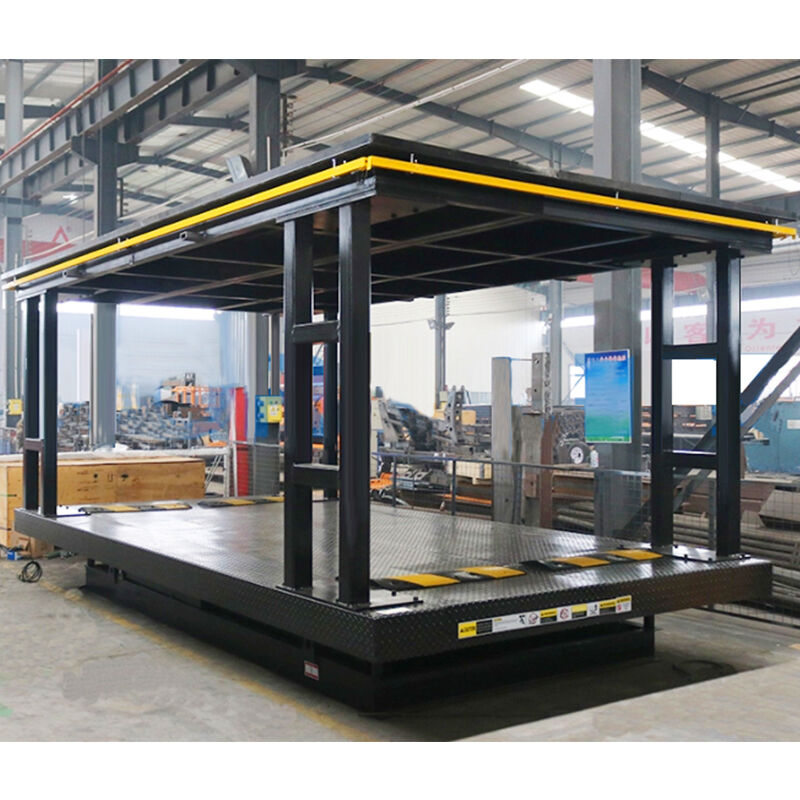
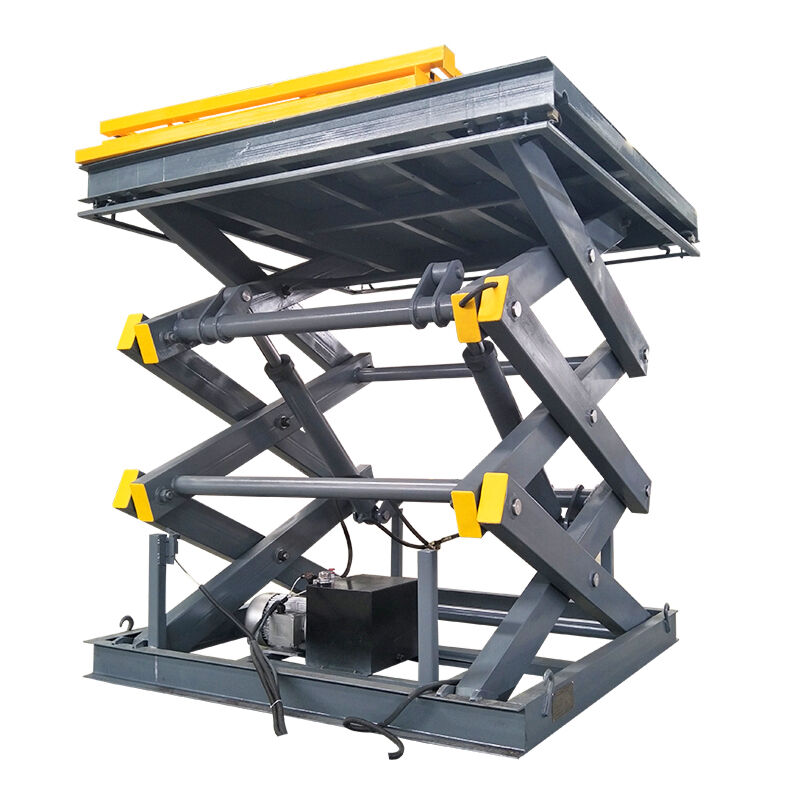
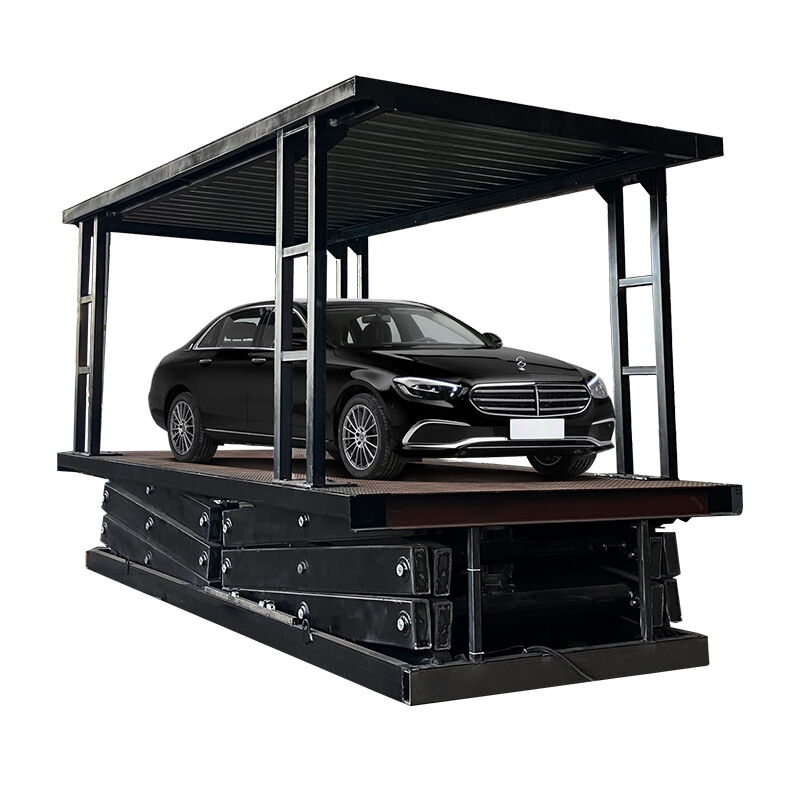
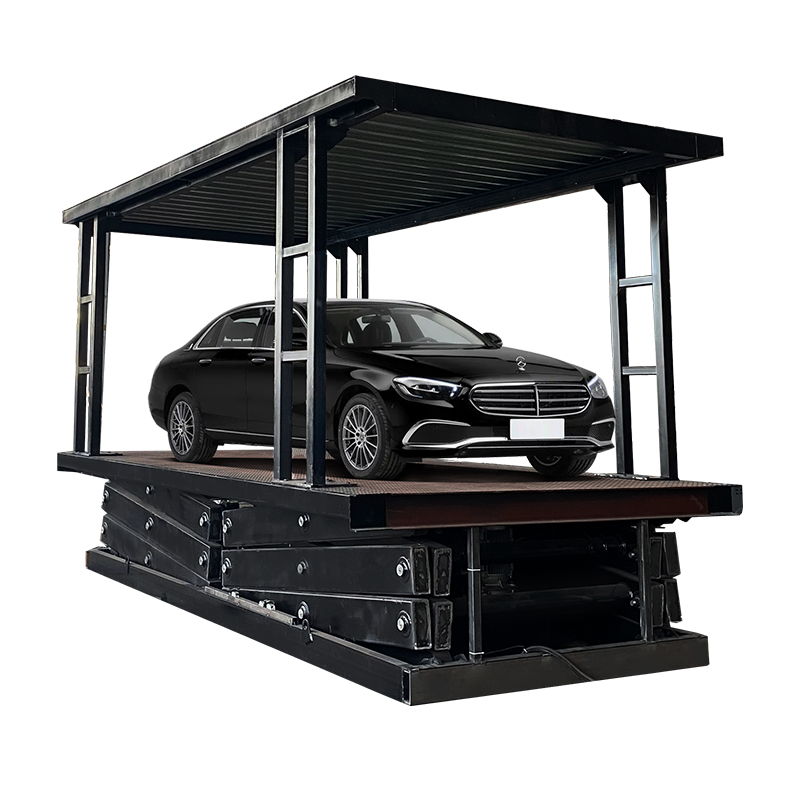
The underground parking lift represents a revolutionary solution for modern urban parking challenges, combining innovative engineering with practical space optimization. This sophisticated mechanical system operates by creating multiple parking levels below ground surface, effectively multiplying vehicle storage capacity within the same footprint. The underground parking lift utilizes advanced hydraulic and electrical systems to transport vehicles vertically between different basement levels, eliminating the need for traditional ramp access. These systems incorporate precise positioning mechanisms that ensure accurate vehicle placement and retrieval, making the parking process seamless and efficient. The core functionality revolves around automated platform movement, where vehicles are positioned on designated platforms that move up and down through a central shaft or multiple shafts depending on the system design. Modern underground parking lift installations feature computerized control systems that manage traffic flow, optimize space allocation, and provide real-time monitoring of all mechanical components. The technological framework includes safety sensors, emergency backup systems, and weatherproofing measures that protect both vehicles and equipment from environmental factors. These lifts can accommodate various vehicle types, from compact cars to SUVs, with customizable platform sizes and weight capacities. The installation process involves excavation work similar to traditional underground parking construction, but with significantly reduced space requirements due to the vertical stacking capability. Underground parking lift systems find applications in residential complexes, commercial buildings, shopping centers, hospitals, and urban developments where land costs are premium. The technology proves particularly valuable in downtown areas where real estate prices make traditional parking solutions economically unfeasible. Integration with building management systems allows for seamless operation alongside other building facilities, while smartphone applications enable users to reserve spaces and monitor their vehicle status remotely.