EN
EN



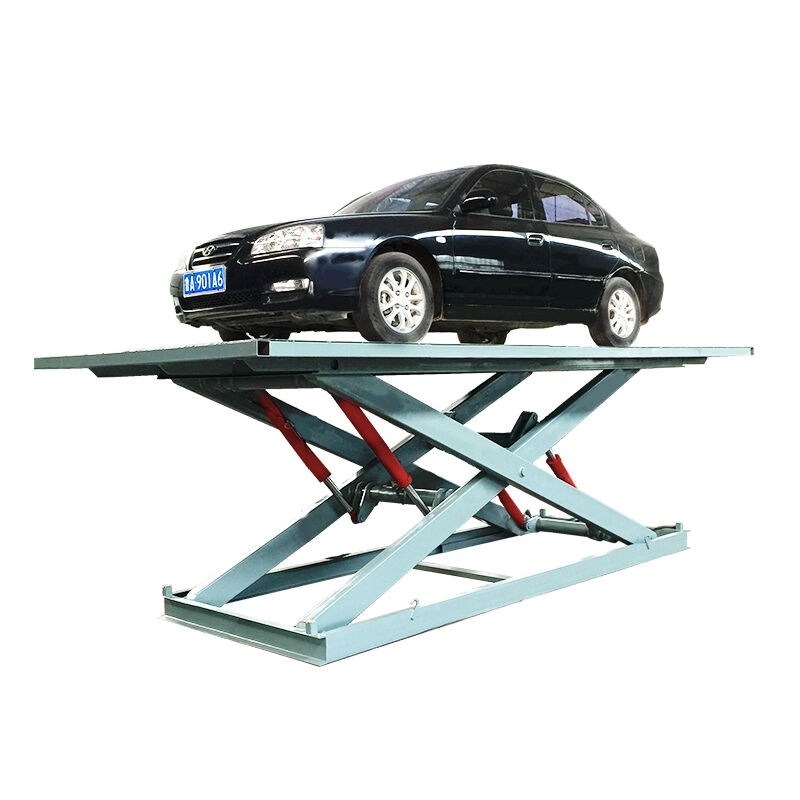
Modern urban environments face unprecedented parking challenges as vehicle ownership continues to rise while available surface space becomes increasingly scarce. The underground car garage elevator has emerged as a revolutionary solution that transforms how cities approach parking infrastructure, enabling developers to maximize space utilization while providing convenient access to subterranean parking facilities. These sophisticated mechanical systems create seamless vertical transportation between street level and underground parking areas, fundamentally changing the dynamics of urban parking design.
The integration of underground car garage elevator technology represents more than just mechanical innovation—it embodies a comprehensive approach to smart urban planning that addresses space constraints, traffic flow optimization, and user experience simultaneously. By enabling direct vehicle access to multiple underground levels without traditional ramp systems, these elevators unlock previously unusable subterranean space and create opportunities for more efficient parking layouts that can accommodate significantly more vehicles per square meter of urban real estate.
Mechanical Operation and Smart Integration Systems
Hydraulic and Electric Drive Mechanisms
The underground car garage elevator operates through sophisticated hydraulic or electric drive systems that provide smooth, reliable vertical transportation for vehicles weighing up to several tons. Hydraulic systems utilize pressurized fluid to power lifting cylinders, offering exceptional load capacity and precise positioning control that ensures safe vehicle handling during ascent and descent operations. The hydraulic pump stations are typically located in dedicated mechanical rooms adjacent to the elevator shaft, featuring multiple redundancy systems and emergency backup power supplies.
Electric drive systems represent the latest advancement in underground car garage elevator technology, incorporating variable frequency drives and regenerative braking systems that capture energy during descent operations and feed it back into the building's electrical grid. These systems feature advanced motor control algorithms that automatically adjust lifting speed and acceleration profiles based on vehicle weight and loading conditions, ensuring optimal performance while minimizing energy consumption and mechanical wear.
Modern underground car garage elevator installations integrate sophisticated sensor arrays that continuously monitor platform alignment, load distribution, and safety parameters throughout each operating cycle. Weight sensors embedded in the platform deck automatically detect vehicle presence and calculate optimal lifting parameters, while laser positioning systems ensure precise alignment with parking level floors and prevent dangerous gaps or height differentials that could damage vehicles or compromise safety.
Smart Control and Automation Features
Contemporary underground car garage elevator systems incorporate intelligent control platforms that interface with building management systems, mobile applications, and automated parking guidance networks. These smart control systems enable users to summon elevator platforms remotely, pre-position systems for incoming vehicles, and receive real-time status updates regarding availability and estimated wait times through smartphone applications or in-vehicle navigation systems.
The integration of artificial intelligence and machine learning algorithms allows underground car garage elevator systems to optimize operational patterns based on historical usage data, seasonal variations, and real-time demand fluctuations. These systems can predict peak usage periods, automatically adjust operational parameters to reduce wait times, and coordinate with other building systems such as lighting, ventilation, and security to create seamless user experiences.
Advanced safety monitoring systems continuously analyze operational parameters and environmental conditions to prevent accidents and equipment failures before they occur. Predictive maintenance algorithms monitor component wear patterns, fluid levels, and electrical system performance to schedule maintenance activities during low-usage periods, minimizing disruption while ensuring optimal reliability and extending equipment service life.
Urban Space Optimization and Development Benefits
Maximizing Underground Parking Capacity
The underground car garage elevator eliminates the need for traditional spiral ramps and sloped access ways that consume enormous amounts of valuable underground space. Conventional underground parking designs require approximately 20-25% of total floor area for vehicular circulation, including ramps, turning radii, and access lanes. By replacing these space-consuming elements with compact vertical lift systems, developers can increase parking capacity by 30-40% within the same underground footprint.
This space optimization enables the creation of multiple underground parking levels in areas where traditional ramp systems would be impractical or impossible due to soil conditions, utility conflicts, or property boundary constraints. The underground car garage elevator allows developers to excavate deeper underground facilities while maintaining practical vehicle access, unlocking previously unusable subterranean real estate for high-density parking solutions.
The elimination of ramps also creates opportunities for more flexible parking bay configurations and layouts that can accommodate various vehicle types and sizes more efficiently. Underground levels accessed by elevator systems can feature standardized parking spaces without the geometric constraints imposed by sloped surfaces, enabling optimal space utilization and simplified navigation for users unfamiliar with the facility layout.
Surface Level Development Opportunities
By moving parking operations underground and eliminating surface-level ramps and access points, the underground car garage elevator creates valuable opportunities for surface development that can be dedicated to commercial, residential, or green space applications. This vertical segregation of parking and other land uses maximizes the economic potential of valuable urban real estate while maintaining essential parking capacity.
The compact footprint of elevator access points—typically requiring only 200-300 square meters of surface area compared to traditional ramp systems that may consume 1,000 square meters or more—allows architects and urban planners to integrate parking access seamlessly into building designs without compromising aesthetic appeal or functional space allocation for primary building uses.
Surface areas previously dedicated to parking can be transformed into revenue-generating commercial space, residential units, or public amenities such as parks and plazas. This transformation creates more vibrant, pedestrian-friendly urban environments while maintaining adequate parking capacity through efficient underground storage accessed via underground car garage elevator systems.
Smart City Integration and Traffic Management
Real-Time Availability and Reservation Systems
Modern underground car garage elevator installations integrate with city-wide smart parking networks that provide real-time availability data to drivers through mobile applications, in-vehicle navigation systems, and dynamic roadside signage. These systems track occupancy levels across multiple underground levels and provide accurate availability counts that help drivers locate parking spaces more efficiently while reducing traffic congestion caused by vehicles circling in search of available parking.
Advanced reservation systems allow users to book specific parking spaces in advance, with underground car garage elevator systems automatically coordinating access schedules to minimize wait times and optimize throughput during peak demand periods. These reservation platforms can integrate with calendar applications, flight schedules, and event management systems to anticipate demand patterns and pre-position elevator systems for optimal efficiency.
Dynamic pricing algorithms adjust parking rates based on real-time demand, seasonal variations, and special events, encouraging more efficient utilization of underground parking capacity while generating revenue optimization for facility operators. These systems can automatically adjust elevator operational schedules and staffing levels based on predicted demand patterns derived from historical data and real-time booking trends.
Traffic Flow Optimization and Congestion Reduction
The underground car garage elevator significantly reduces street-level traffic congestion by eliminating the queuing and maneuvering typically associated with traditional ramp-accessed parking facilities. Vehicles can enter and exit parking facilities more quickly and predictably, reducing the impact on surrounding traffic patterns and improving overall urban mobility efficiency.
Integration with traffic management systems allows underground car garage elevator facilities to coordinate with traffic signals, provide real-time availability updates to approaching vehicles, and optimize access timing to minimize conflicts with pedestrian traffic and public transportation schedules. This coordination creates smoother traffic flow patterns and reduces the environmental impact of vehicles idling while waiting for parking access.
The ability to rapidly move vehicles off street level and into underground storage helps reduce traffic density in commercial and residential areas, creating safer environments for pedestrians and cyclists while improving air quality through reduced vehicle emissions from idling and low-speed maneuvering in congested parking areas.
Economic and Environmental Impact Analysis
Development Cost Considerations and ROI
While underground car garage elevator systems require higher initial capital investment compared to traditional ramp systems, the increased parking capacity and surface development opportunities typically generate superior long-term returns on investment. The ability to create 30-40% more parking spaces within the same underground footprint directly translates to increased revenue potential for commercial parking operations or higher property values for residential developments.
Construction cost savings emerge from reduced excavation requirements, as underground car garage elevator systems eliminate the need for extensive ramp construction and the associated structural engineering challenges. The compact vertical access design reduces overall underground construction volume while maintaining full parking capacity, resulting in lower excavation costs, reduced concrete and steel requirements, and shorter construction timelines.
Operational cost benefits include reduced lighting and ventilation requirements due to more efficient space utilization, lower maintenance costs associated with eliminating wear-prone ramp surfaces, and improved security monitoring capabilities through centralized elevator access control. These ongoing operational savings contribute significantly to long-term project economics and facility profitability.
Environmental Benefits and Sustainability
The underground car garage elevator contributes to urban sustainability goals by enabling more compact development patterns that reduce urban sprawl and preserve green space. By maximizing parking efficiency within smaller footprints, these systems support higher-density development that reduces the need for automobile transportation and encourages walking, cycling, and public transit usage.
Energy-efficient elevator systems with regenerative braking capabilities and smart operational controls significantly reduce energy consumption compared to traditional parking facilities with extensive lighting and ventilation requirements for ramp areas. Advanced underground car garage elevator installations can achieve net-positive energy performance when integrated with solar panels on surface structures and energy storage systems.
The reduction in surface-level vehicle circulation and idling associated with parking search behavior leads to measurable improvements in local air quality and reduced greenhouse gas emissions. Studies indicate that efficient underground parking systems accessed via elevator can reduce vehicle emissions in urban core areas by 15-20% compared to surface or traditional underground parking facilities.
Implementation Challenges and Technical Solutions
Site-Specific Engineering Requirements
Successful underground car garage elevator implementation requires comprehensive site analysis including soil conditions, groundwater levels, existing utility locations, and structural requirements for supporting both the elevator mechanism and the additional loads imposed by multi-level underground parking structures. Geotechnical engineering studies must evaluate soil bearing capacity, excavation stability, and waterproofing requirements specific to each installation site.
Integration with existing building structures and urban infrastructure presents complex engineering challenges that require specialized expertise in both elevator systems and underground construction. The underground car garage elevator must accommodate thermal expansion and contraction, seismic forces, and potential settlement while maintaining precise alignment and smooth operation over decades of service life.
Electrical and mechanical system integration requires careful coordination with building power supplies, emergency backup systems, and safety monitoring networks. Modern installations feature redundant control systems, multiple emergency stop mechanisms, and fail-safe operational modes that ensure user safety even during power outages or equipment malfunctions.
Maintenance and Reliability Considerations
The underground installation environment presents unique maintenance challenges including moisture control, corrosion prevention, and accessibility for service personnel. Underground car garage elevator systems require specialized maintenance protocols that address the effects of temperature variations, humidity, and potential water infiltration on mechanical and electrical components.
Preventive maintenance programs utilize IoT sensors and remote monitoring systems to track component performance, fluid levels, and wear patterns continuously. These systems enable maintenance teams to address potential issues before they result in service interruptions, while optimizing maintenance schedules to minimize impact on parking facility operations.
Service accessibility and spare parts inventory management require special consideration for underground installations where elevator components may be difficult to access or replace. Modern underground car garage elevator designs incorporate modular components and redundant systems that enable continued operation even during maintenance activities or component replacement procedures.
FAQ
How much weight can an underground car garage elevator safely transport?
Most modern underground car garage elevator systems are designed to handle loads between 3,000 to 6,000 kilograms, which accommodates standard passenger vehicles, SUVs, and light commercial vehicles. Heavy-duty systems can support up to 10,000 kilograms for larger vehicles, with safety factors typically designed at 200-300% of maximum rated capacity to ensure reliable operation under all conditions.
What is the typical installation timeframe for an underground car garage elevator system?
Installation timelines vary based on system complexity and site conditions, but typically range from 8-16 weeks for complete underground car garage elevator installations. This includes excavation work, structural preparation, mechanical system installation, electrical integration, testing, and commissioning. Projects involving multiple elevator systems or complex underground levels may require 4-6 months for completion.
How does an underground car garage elevator system handle power outages or mechanical failures?
Modern systems incorporate multiple safety features including battery backup systems that can operate elevators for emergency evacuation, manual lowering mechanisms that allow safe platform descent during power failures, and redundant control systems that maintain basic functionality even if primary systems fail. Emergency communication systems and lighting ensure user safety during any service interruption.
What maintenance requirements are necessary for reliable underground car garage elevator operation?
Regular maintenance includes monthly inspections of hydraulic fluid levels and pressure systems, quarterly testing of safety devices and emergency systems, annual comprehensive mechanical inspections, and continuous monitoring through automated diagnostic systems. Professional service contracts typically include 24/7 monitoring, preventive maintenance, and emergency repair services to ensure optimal system reliability and user safety.
Table of Contents
- Mechanical Operation and Smart Integration Systems
- Urban Space Optimization and Development Benefits
- Smart City Integration and Traffic Management
- Economic and Environmental Impact Analysis
- Implementation Challenges and Technical Solutions
-
FAQ
- How much weight can an underground car garage elevator safely transport?
- What is the typical installation timeframe for an underground car garage elevator system?
- How does an underground car garage elevator system handle power outages or mechanical failures?
- What maintenance requirements are necessary for reliable underground car garage elevator operation?