EN
EN


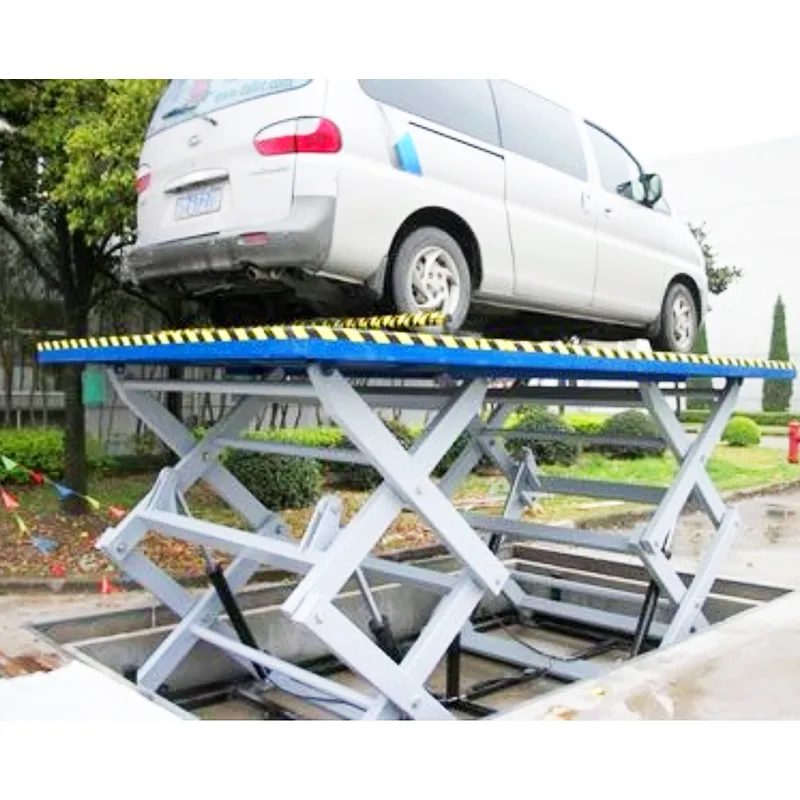
Real estate developers are increasingly recognizing car garage elevator systems as critical infrastructure investments that address multiple urban development challenges simultaneously. These vertical transportation solutions for vehicles have evolved from luxury amenities to essential components in modern mixed-use developments, residential towers, and commercial properties where space optimization directly impacts project profitability and market competitiveness.
The surge in developer interest stems from a convergence of market forces including rising land costs, stricter building codes requiring underground parking, and growing consumer expectations for convenient vehicle access in high-density developments. Understanding why developers are making substantial capital commitments to car garage elevator technology reveals broader trends in urban planning, construction economics, and the evolving relationship between mobility infrastructure and property value creation.
Space Efficiency and Land Value Maximization
Underground Space Utilization Benefits
Developers invest in car garage elevator systems primarily because these solutions unlock previously unusable underground space while dramatically increasing parking density. Traditional ramp-based parking structures consume approximately 20-25% of total floor area for circulation paths, whereas car garage elevator installations can eliminate most horizontal circulation requirements. This spatial efficiency translates to 30-40% more parking spaces within the same footprint, directly improving the revenue-generating potential of each square foot of developed land.
In urban markets where land acquisition costs can represent 40-60% of total project expenses, maximizing the utility of every available cubic foot becomes essential for project viability. Car garage elevator technology enables developers to create parking solutions in narrow lots, irregular spaces, and constrained urban infill sites where conventional parking structures would be economically unfeasible. This flexibility allows developers to pursue projects in premium locations that would otherwise be dismissed due to parking constraints.
The vertical stacking capability of modern car garage elevator systems also supports mixed-use development strategies where ground-level retail space commands significantly higher rental rates than parking areas. By moving vehicle storage to compact automated systems, developers can dedicate prime street-level square footage to commercial tenants while maintaining required parking ratios in minimal basement footprints.
Construction Cost Optimization
While car garage elevator systems require substantial upfront capital investment, developers increasingly recognize the total construction cost advantages compared to traditional structured parking. Eliminating the need for wide turning radii, multiple access ramps, and extensive ventilation systems reduces both excavation requirements and structural steel usage. The reduced excavation depth and simplified foundation requirements can decrease underground construction costs by 15-25% in certain site conditions.
Additionally, car garage elevator installations typically require fewer mechanical systems than conventional parking structures, reducing ongoing maintenance obligations and operational complexity. The elimination of driver circulation areas also reduces lighting, security camera, and climate control requirements, contributing to lower total ownership costs over the building's operational lifespan.
Labor cost considerations also influence developer decision-making, as car garage elevator installation requires specialized technical expertise rather than the extensive concrete and steel work associated with traditional parking construction. In markets experiencing skilled construction labor shortages, the more predictable installation timeline and reduced weather dependency of automated parking systems provide scheduling and cost certainty that developers value highly.
Regulatory Compliance and Zoning Advantages
Municipal Parking Requirements
Urban planning authorities increasingly mandate parking ratios that can be difficult to achieve through conventional surface or structured parking, making car garage elevator solutions attractive for regulatory compliance. Many municipalities require one or more parking spaces per residential unit, plus additional visitor parking, which can consume 40-50% of available lot area in traditional surface parking configurations. Car garage elevator systems enable developers to meet these requirements while preserving more land area for revenue-generating building components.

Zoning variance processes often favor developments that demonstrate innovative approaches to infrastructure challenges, and car garage elevator installations can support arguments for increased building density or reduced setback requirements. Planning commissions may view automated parking systems as evidence of thoughtful urban design that minimizes vehicle traffic impacts on surrounding neighborhoods, potentially facilitating approval for projects that might otherwise face community opposition.
Environmental impact assessments increasingly scrutinize parking infrastructure's effects on stormwater management, air quality, and urban heat island effects. Car garage elevator systems support developers' sustainability arguments by reducing impervious surface area, eliminating the need for large expanses of surface parking that contribute to runoff and heat retention, and demonstrating commitment to efficient resource utilization that resonates with environmentally conscious planning authorities.
Building Code Adaptability
Modern building codes increasingly emphasize accessibility, safety, and environmental performance standards that can be more easily achieved through car garage elevator implementations than traditional parking structures. These systems typically require fewer accessible parking spaces due to the automated nature of vehicle handling, reducing the spatial requirements for ADA compliance while still meeting regulatory obligations for accessible parking provision.
Fire safety regulations for parking structures often require extensive sprinkler systems, emergency lighting, and multiple egress routes that add complexity and cost to conventional parking construction. Car garage elevator systems can be designed with simplified fire suppression systems due to the absence of human occupancy during normal operation, reducing both installation costs and ongoing inspection requirements that represent long-term operational expenses for developers.
Seismic safety requirements in earthquake-prone regions can make traditional parking structures particularly expensive due to the large open spans and minimal structural redundancy inherent in conventional parking design. Car garage elevator installations often provide superior seismic performance through more compact structural systems and reduced building mass, enabling developers to achieve code compliance with less expensive structural solutions.
Market Positioning and Competitive Differentiation
Premium Development Positioning
Developers invest in car garage elevator technology to position their projects as premium offerings that command higher sale prices or rental rates compared to conventional developments. Market research consistently demonstrates that automated parking amenities increase property values by 5-15% in luxury residential markets, as prospective buyers and tenants associate car garage elevator systems with convenience, security, and technological sophistication that justifies premium pricing strategies.
The experiential aspects of car garage elevator usage create memorable differentiators that influence purchasing decisions in competitive real estate markets. Rather than navigating crowded parking structures, residents and visitors experience streamlined vehicle drop-off and retrieval processes that reinforce perceptions of luxury and convenience. This operational distinction becomes particularly valuable in markets where multiple developments compete for the same demographic segments.
Marketing advantages extend beyond the immediate user experience, as car garage elevator installations provide compelling visual and technological narratives that differentiate properties in advertising materials and sales presentations. The photogenic nature of these systems and their association with cutting-edge building technology support developers' efforts to attract media attention and establish thought leadership positions in local real estate markets.
Target Market Alignment
High-net-worth individuals and luxury car enthusiasts represent target markets that particularly value car garage elevator solutions, making these investments strategically aligned with developers' efforts to attract premium-paying customers. These demographic segments often own multiple vehicles or collectible automobiles that benefit from the enhanced security and protection provided by automated parking systems compared to traditional open-air or minimally secured parking structures.
Urban professionals in technology and finance sectors demonstrate strong preference for amenities that emphasize efficiency and technological innovation, making car garage elevator systems effective tools for attracting and retaining tenants in competitive rental markets. The time-saving aspects of automated vehicle storage resonate particularly well with busy professionals who value convenience and are willing to pay premium rents for lifestyle enhancements that improve their daily routines.
Millennial and Generation Z buyers increasingly prioritize sustainable and technologically advanced building features, viewing car garage elevator installations as evidence of environmental consciousness and forward-thinking design philosophy. This alignment with evolving consumer preferences helps developers future-proof their investments against changing market demands and positions their properties for long-term value retention.
Operational Efficiency and Revenue Generation
Maintenance Cost Reduction
Long-term operational considerations drive developer investment in car garage elevator systems because these installations typically require less maintenance than conventional parking structures while providing more predictable maintenance scheduling and costs. Traditional parking areas suffer from weather exposure, de-icing salt damage, and wear from constant vehicle traffic, requiring regular concrete repairs, repainting, and drainage system maintenance that can consume 2-4% of gross rental income annually.
Car garage elevator systems operate in controlled environments that protect both the mechanical equipment and stored vehicles from weather-related deterioration, reducing the frequency and extent of maintenance interventions required to maintain operational standards. The automated nature of these systems also enables predictive maintenance programs that identify potential issues before they result in costly emergency repairs or system downtime that could disrupt building operations.
Insurance cost considerations also favor car garage elevator installations, as the reduced risk of vehicle damage, theft, and personal injury incidents in automated systems often qualifies developments for lower insurance premiums. The enhanced security and controlled access features inherent in these systems demonstrate risk mitigation measures that insurance providers recognize through reduced coverage costs over the building's operational lifespan.
Additional Revenue Opportunities
Innovative developers are discovering that car garage elevator systems create opportunities for additional revenue streams beyond basic parking fees, including premium storage services for luxury vehicles, short-term parking for building visitors, and specialized services for electric vehicle charging integration. The controlled environment and automated handling capabilities enable developers to offer vehicle detailing, maintenance scheduling, and concierge services that command premium pricing from affluent residents and commercial tenants.
Commercial real estate developers particularly value the flexibility that car garage elevator systems provide for adapting parking supply to changing tenant needs without major construction modifications. Office buildings can efficiently reallocate parking spaces between different tenant companies as leasing arrangements change, while mixed-use developments can adjust the balance between residential and retail parking based on seasonal demand patterns or evolving tenant mix.
The space efficiency gains from car garage elevator installations often enable developers to incorporate additional revenue-generating building components such as retail areas, fitness facilities, or co-working spaces that would otherwise be displaced by conventional parking requirements. This ability to maximize the economic productivity of each square foot of developed space directly improves project returns and supports higher property valuations upon completion.
FAQ
What is the typical return on investment for car garage elevator systems in residential developments?
Most residential developers report 12-18% internal rates of return on car garage elevator investments through a combination of increased unit sales prices, reduced construction costs compared to structured parking alternatives, and enhanced project marketability. The payback period typically ranges from 7-10 years depending on local market conditions and the premium pricing achievable through automated parking amenities.
How do car garage elevator installations affect project financing and construction timelines?
Lenders increasingly recognize car garage elevator systems as value-adding infrastructure that supports higher loan-to-value ratios for qualified projects. Construction timelines often benefit from the reduced excavation and structural work required compared to conventional parking, though developers must account for specialized equipment delivery and installation sequences that require coordination with overall building construction schedules.
What maintenance and operational considerations should developers evaluate before investing in car garage elevator technology?
Successful car garage elevator implementations require ongoing maintenance contracts with qualified service providers, backup power systems to ensure operation during utility outages, and staff training for basic troubleshooting procedures. Developers should budget 3-5% of initial system cost annually for maintenance while planning for eventual component replacement cycles that typically occur every 15-20 years depending on usage intensity and environmental conditions.
Are car garage elevator systems suitable for all types of development projects and market conditions?
Car garage elevator investments provide the greatest value in high-density urban markets where land costs exceed $200 per square foot and parking requirements consume significant portions of available development area. Projects targeting luxury market segments or locations with stringent parking regulations typically justify the investment more easily than affordable housing or suburban developments where conventional parking solutions remain more cost-effective.
Table of Contents
- Space Efficiency and Land Value Maximization
- Regulatory Compliance and Zoning Advantages
- Market Positioning and Competitive Differentiation
- Operational Efficiency and Revenue Generation
-
FAQ
- What is the typical return on investment for car garage elevator systems in residential developments?
- How do car garage elevator installations affect project financing and construction timelines?
- What maintenance and operational considerations should developers evaluate before investing in car garage elevator technology?
- Are car garage elevator systems suitable for all types of development projects and market conditions?