EN
EN



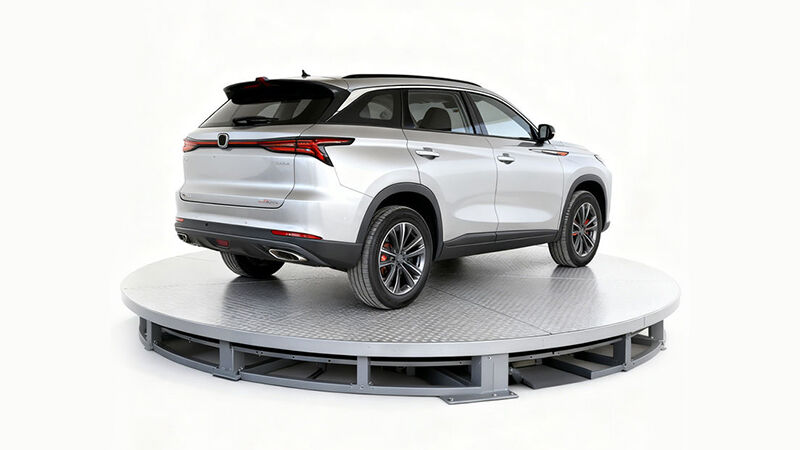
Urban environments face mounting pressure to optimize every square meter of available space, and parking infrastructure represents one of the most spatially constrained challenges in contemporary city planning. As vehicle ownership continues to rise while buildable land diminishes, architects, property developers, and parking facility managers are seeking innovative solutions that maximize efficiency without compromising user experience. Among these emerging technologies, the car turntable has gained significant traction as a practical answer to the geometric and operational limitations inherent in traditional parking layouts, offering a blend of mechanical simplicity and spatial intelligence that addresses multiple pain points simultaneously.
The integration of a car turntable into modern urban parking systems delivers tangible benefits that extend beyond simple space savings, touching on safety enhancements, operational efficiency, aesthetic considerations, and long-term economic value. This technology enables vehicles to rotate in place, eliminating the need for extensive maneuvering room and allowing drivers to exit parking spaces in a forward direction regardless of how they entered. Understanding the full spectrum of advantages requires examining how these systems function within the broader context of urban infrastructure demands, building design constraints, and evolving user expectations for convenience and safety in high-density environments.
Spatial Efficiency and Footprint Optimization
Reduction of Circulation Space Requirements
Traditional parking configurations demand substantial circulation areas to accommodate vehicle turning radiuses, reversing maneuvers, and navigation between parking bays. A car turntable fundamentally alters this spatial equation by performing the rotation function mechanically, allowing parking layouts to reduce aisle widths and eliminate complex ramp geometries. In residential developments where basement parking represents a significant construction cost, the ability to compress the parking footprint by fifteen to twenty-five percent translates directly into reduced excavation volumes, fewer structural support columns, and lower overall development expenses. This spatial compression proves especially valuable in urban infill projects where site boundaries constrain expansion possibilities.
The geometric advantage becomes even more pronounced in applications involving multiple parking levels or stackers, where the car turntable serves as an orientation device that aligns vehicles with mechanical lifts or conveyors. By ensuring proper vehicle positioning without driver intervention, these systems eliminate the buffer zones typically required to account for human parking variability. Property developers can reclaim this space for additional parking bays or alternative uses, improving the revenue-generating potential of each square meter while maintaining compliance with municipal parking requirements. The cumulative effect across a mid-rise residential tower can yield several additional parking spaces or allow for more generous storage areas without expanding the building envelope.
Maximization of Irregular Site Geometries
Urban lots frequently present irregular shapes, acute angles, or constrained access points that complicate conventional parking design. A car turntable excels in these challenging contexts by serving as a spatial adapter that reconciles difficult geometries with functional parking requirements. Triangular corner sites, narrow alley-access properties, and lots with heritage building adjacencies can incorporate turntables to create workable parking solutions where traditional layouts would fail to meet code requirements or prove operationally impractical. The system acts as a mechanical buffer between the constrained access route and the parking area, allowing architects greater flexibility in building placement and site utilization.
This geometric flexibility extends to renovation and adaptive reuse projects where existing structures impose fixed constraints on parking design. Historic buildings with narrow carriage entries, converted industrial facilities with loading dock access, and repurposed commercial spaces with limited vehicular clearances can all benefit from car turntable integration. The technology permits modern parking functionality within heritage-protected or structurally constrained envelopes that would otherwise require extensive and potentially prohibitive modifications. By accommodating vehicles within tight spatial parameters, the car turntable preserves architectural character while meeting contemporary functional requirements, a balance increasingly valued in urban conservation districts.
Safety Enhancement and Risk Mitigation
Elimination of Reversing Maneuvers
Reversing collisions represent a significant proportion of parking-related accidents, particularly in residential and commercial settings where pedestrian traffic intersects with vehicle movements. The car turntable addresses this safety concern directly by enabling drivers to exit parking positions in a forward-facing orientation, eliminating blind-spot vulnerabilities and reducing the cognitive load associated with backing maneuvers. This forward-exit capability proves especially beneficial in family-oriented developments where children may be present in parking areas, and in facilities serving elderly populations who may experience reduced mobility or spatial awareness challenges. The mechanical rotation occurs while the vehicle remains stationary with the driver in control, maintaining clear sightlines throughout the parking process.
The safety benefits extend beyond collision prevention to encompass reduced property damage and lower insurance liability exposure. Facilities equipped with car turntable systems report fewer incidents of mirror strikes, bumper scrapes, and parking column impacts, as the mechanical positioning system removes the guesswork from tight-space navigation. Property managers benefit from reduced maintenance costs associated with repairing damaged vehicles and facility infrastructure, while building owners may qualify for favorable insurance premiums based on demonstrated risk reduction measures. The quantifiable safety improvement makes the car turntable an attractive feature for liability-conscious developers and institutional property owners.
Enhanced Visibility and Pedestrian Safety
Parking facilities with car turntable installations inherently reduce the conflict points between vehicular and pedestrian traffic by minimizing the distance vehicles travel under power within the parking area. Since drivers need not execute complex multi-point turns or extended reversing movements, the overall vehicle activity footprint contracts, creating clearer separation zones for pedestrian circulation. This reduction in active vehicle movement particularly benefits mixed-use developments where retail foot traffic or residential pedestrian access must coexist with parking functions. The predictable, controlled nature of turntable-assisted parking creates a more orderly traffic pattern that pedestrians can navigate with greater confidence.
Furthermore, the forward-exit configuration ensures that drivers have unobstructed views of crossing paths and access routes when departing parking positions, significantly reducing the likelihood of pedestrian incidents during exit maneuvers. This visibility advantage proves crucial in facilities serving commercial tenants with high customer turnover, where unfamiliar drivers may lack familiarity with parking layout conventions. The car turntable essentially standardizes the exit procedure, removing variability that might otherwise lead to unexpected vehicle movements or sudden stops. Emergency egress scenarios also benefit from this configuration, as forward-facing vehicles can evacuate more quickly and predictably during building emergencies.
Operational Efficiency and User Experience
Reduced Parking Time and Traffic Congestion
The time required for a driver to park or retrieve a vehicle directly impacts the operational capacity and perceived convenience of a parking facility. A car turntable streamlines the parking process by eliminating the iterative adjustments typically required when maneuvering into tight spaces, particularly for less experienced drivers or operators of larger vehicles. The mechanical rotation occurs in seconds once the vehicle is positioned on the platform, removing the bottleneck that often forms when drivers struggle with difficult parking angles. This efficiency gain compounds across multiple users throughout the day, reducing queue formation during peak arrival periods at office buildings, residential towers, and retail destinations.
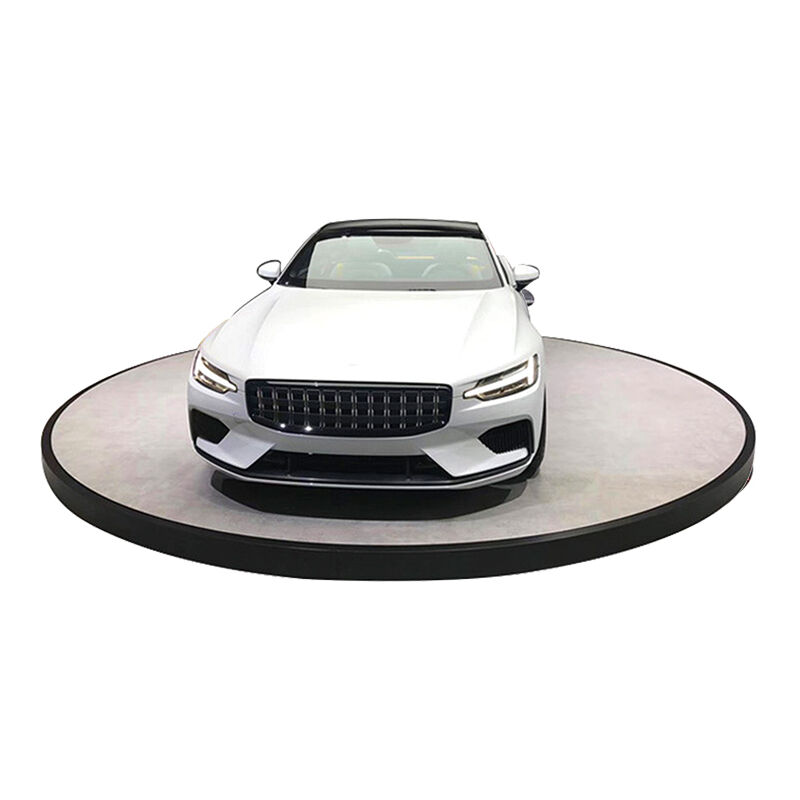
From a traffic flow perspective, the car turntable enables more efficient vehicle processing through parking access points by reducing the variability in parking completion times. Facility operators can more accurately predict throughput rates, allowing for better traffic management strategies during high-demand periods. The consistent, predictable nature of turntable-assisted parking reduces frustration among users and minimizes the likelihood of traffic backup extending onto public streets, a concern that municipal authorities increasingly scrutinize during development approval processes. Properties that demonstrate superior traffic management capabilities may face fewer regulatory obstacles and enjoy stronger tenant satisfaction metrics.
Accommodation of Diverse Vehicle Types
Modern vehicle fleets exhibit considerable diversity in dimensions, turning radiuses, and operator skill levels, presenting challenges for parking facility design that assumes average vehicle characteristics. The car turntable provides a standardized solution that accommodates this variability without requiring oversized parking bay dimensions or excessive circulation space. Compact vehicles, full-size sedans, SUVs, and even small commercial vans can all utilize the same turntable-equipped parking position, providing flexibility for property owners in mixed-use or transitional neighborhoods where vehicle demographics may evolve over time. This adaptability protects against functional obsolescence as vehicle preferences shift within the user population.
The technology proves particularly valuable in premium residential developments where residents may own multiple vehicles of varying sizes, or in corporate facilities where company vehicle fleets include diverse vehicle classes. Rather than designating specific parking positions for larger vehicles and accepting inefficient space utilization during periods when those positions sit vacant, facilities can deploy car turntable systems that dynamically accommodate whatever vehicle arrives. This operational flexibility translates into higher effective parking density and improved asset utilization, key performance metrics for property managers and institutional investors evaluating parking infrastructure returns.
Aesthetic and Architectural Integration
Preservation of Visual Sightlines and Building Character
Parking infrastructure traditionally compromises architectural aesthetics through visible ramps, exposed parking levels, and large vehicular openings that dominate building facades. The car turntable enables alternative design approaches that minimize these visual impacts by allowing more discreet access configurations and reducing the physical profile of parking infrastructure. Architects can design narrower, less visually prominent entry points knowing that the turntable will handle vehicle orientation internally, preserving street-facing facades for more contextually appropriate architectural expression. This design freedom proves especially valuable in historic districts, high-end residential neighborhoods, and mixed-use developments where community stakeholders prioritize aesthetic quality.
The technology supports underground and concealed parking strategies that remove vehicles from view entirely, maintaining the pedestrian character of urban streetscapes while still providing necessary parking capacity. Boutique hotels, luxury residential buildings, and cultural institutions can incorporate car turntable systems within discrete below-grade facilities that preserve ground-level activation and architectural coherence. The ability to hide functional parking infrastructure without sacrificing capacity or convenience represents a significant architectural advantage in contexts where design review processes emphasize contextual fit and visual quality. Properties that successfully integrate parking infrastructure without architectural compromise often command premium market positioning and pricing.
Enhancement of Property Prestige and Market Differentiation
In competitive real estate markets, distinctive amenities and technological sophistication serve as important differentiation factors that influence buyer and tenant decisions. The presence of a car turntable signals attention to detail, technological modernity, and user-centric design thinking, attributes that resonate with discerning buyers seeking properties that reflect contemporary lifestyle expectations. Luxury residential developments, in particular, leverage car turntable installations as part of a broader amenity narrative that emphasizes convenience, safety, and refined living environments. The technology occupies a unique position as both a functional solution and a status symbol, appealing to practical needs while conferring prestige through its relative novelty and engineering sophistication.
Marketing materials can showcase the car turntable as evidence of developer commitment to solving common pain points through innovative approaches rather than conventional solutions. This positioning proves effective with technology-oriented buyers, automotive enthusiasts, and quality-conscious professionals who value properties that demonstrate forward-thinking design. The visual impact of a car turntable in operation, whether featured in property tours or promotional videos, creates memorable impressions that distinguish developments from comparable properties lacking such features. Real estate professionals report that unique technological amenities often serve as conversation starters that elevate overall property perception and facilitate more engaging sales discussions.
Economic Value and Long-Term Return Considerations
Construction Cost Analysis and Value Engineering
While car turntable systems represent an upfront capital investment, comprehensive cost-benefit analysis must account for the construction savings they enable through reduced parking footprint requirements. The elimination of extensive circulation aisles, turning radiuses, and ramp geometries reduces excavation volumes, concrete quantities, structural steel requirements, and overall construction timelines for below-grade parking facilities. In markets where construction costs run high due to site constraints, labor expenses, or material availability, these savings can partially or fully offset the turntable acquisition and installation costs. Developers conducting rigorous value engineering exercises increasingly recognize that strategic deployment of car turntable technology can improve project economics while delivering superior functional outcomes.
The return calculation extends beyond initial construction to encompass the additional parking capacity or alternative space uses that the compressed footprint enables. Each additional parking space reclaimed through spatial efficiency contributes ongoing revenue potential, whether through parking sales in condominium developments, rental income in commercial properties, or enhanced property valuations in institutional portfolios. The car turntable effectively functions as a space multiplier that improves the financial productivity of expensive urban land. Financial models that incorporate these utilization benefits over typical investment holding periods often reveal internal rates of return that justify the technology adoption, particularly in high-value urban markets where per-square-meter land costs justify optimization investments.
Maintenance Profiles and Operational Longevity
The long-term value proposition of car turntable systems depends significantly on their maintenance requirements and operational reliability over extended service lives. Modern turntable designs emphasize robust mechanical engineering, corrosion-resistant materials, and readily serviceable components that minimize downtime and maintenance costs. Quality systems feature sealed bearing assemblies, weather-resistant drive mechanisms, and modular electrical components that technicians can service or replace without extensive disassembly. Property managers evaluating turntable options should prioritize manufacturers with established service networks, comprehensive warranty coverage, and documented maintenance protocols that integrate with standard facility management practices.
The operational lifespan of properly maintained car turntable installations typically spans decades, providing depreciation timelines that align well with overall building system lifecycles. This durability contrasts favorably with more complex automated parking systems that may require frequent software updates, specialized technical support, or component replacements due to technological obsolescence. The mechanical simplicity of turntable systems, particularly friction-drive and direct-drive configurations, translates into lower total cost of ownership and more predictable capital reserve planning for property managers and condominium associations. Facilities that implement preventive maintenance programs according to manufacturer specifications report minimal operational disruptions and sustained performance characteristics that protect the initial investment value throughout the building's service life.
FAQ
How much weight can a typical car turntable support?
Most commercial car turntable systems designed for passenger vehicle applications support weight capacities ranging from 2,000 to 3,500 kilograms, accommodating standard sedans, SUVs, and light trucks comfortably within their operational parameters. Heavy-duty models intended for commercial vehicle applications or luxury car collections can handle up to 5,000 kilograms or more. The specific weight capacity should be selected based on the anticipated vehicle types in the facility, with appropriate safety margins incorporated to account for occasional oversize vehicles. Manufacturers provide detailed load specifications that engineers use during system selection to ensure adequate capacity for the intended application.
What is the typical rotation time for a car turntable?
Standard car turntable systems complete a full 360-degree rotation in approximately 30 to 60 seconds, with the exact timing varying based on platform diameter, drive system type, and safety protocol requirements. Many installations only require 180-degree rotation to achieve forward-exit orientation, which completes in roughly 15 to 30 seconds. The rotation speed is deliberately controlled to ensure smooth operation without disturbing vehicle stability or causing passenger discomfort. Advanced systems offer variable speed controls that allow operators to adjust rotation rates based on specific facility needs or user preferences, balancing efficiency with comfort considerations.
Do car turntables require special electrical infrastructure?
Car turntable installations typically operate on standard commercial electrical supplies, with most systems requiring single-phase or three-phase power connections at voltage levels commonly available in parking facilities. The specific electrical requirements vary based on platform size and drive system configuration, but most installations integrate readily into existing building electrical infrastructure without necessitating utility service upgrades. Power consumption during rotation remains modest, comparable to running a small commercial motor for brief intervals. Standby power requirements are minimal, as the system only draws electricity during active rotation cycles. Facilities with backup generator systems can easily incorporate turntable circuits into emergency power plans if operational continuity during power outages is desired.
Can car turntables be installed in existing parking facilities?
Retrofitting car turntable systems into existing parking structures is entirely feasible and represents a common application scenario for facility upgrades and problem-solving interventions. The installation process requires adequate floor slab thickness or the ability to create a recessed mounting pocket that accommodates the turntable mechanism, along with appropriate structural capacity to support the loaded platform. Existing facilities with concrete slab construction generally provide suitable conditions, though structural engineers should evaluate specific site conditions to confirm compatibility. The retrofit installation timeline typically spans several days to a few weeks depending on site preparation requirements, with minimal disruption to facility operations if the work is properly staged. Many facilities pursue turntable retrofits as part of broader renovation programs aimed at improving functionality, safety, or market competitiveness.