EN
EN


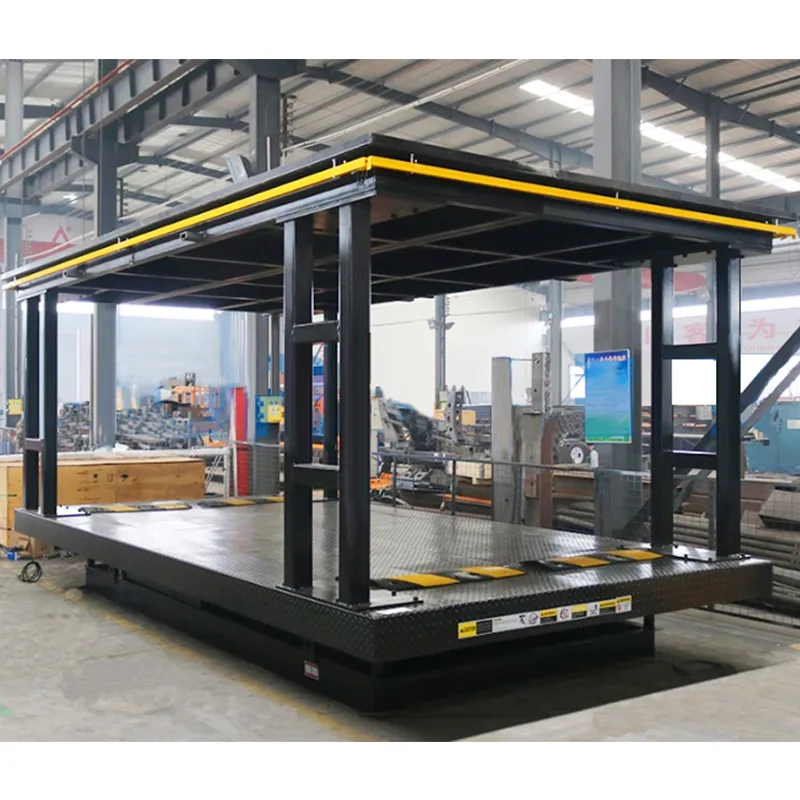
In today’s highly competitive industrial environment, factories are under constant pressure to improve operational efficiency, reduce labor costs, and ensure workplace safety. One of the most practical solutions adopted by modern manufacturing facilities is the installation of a goods lift. Whether handling raw materials, semi-finished components, or finished products, a goods lift provides a reliable vertical transportation system that significantly enhances workflow efficiency. Unlike traditional manual handling or basic lifting equipment, a goods lift is specifically engineered to meet the rigorous demands of industrial environments, offering durability, stability, and consistent performance. As factories continue to expand vertically and optimize their internal logistics, integrating a goods lift becomes not just a convenience but a necessity for streamlined operations and long-term productivity gains.
Improved Operational Efficiency in Material Handling
Faster Vertical Transportation of Goods
A goods lift dramatically improves the speed at which materials are moved between different floors in a factory. Instead of relying on manual labor or forklifts navigating ramps, a goods lift ensures direct and efficient vertical transport. This reduction in movement time allows production lines to operate without unnecessary delays, especially in multi-story manufacturing facilities.
By minimizing bottlenecks, a goods lift supports continuous production flow. Workers no longer need to coordinate complex manual handling processes, which often result in idle time and inefficiencies. With a goods lift in place, materials arrive exactly where they are needed, precisely when they are needed, enhancing the overall rhythm of factory operations.
Additionally, automated controls in a goods lift allow for quick loading and unloading, further reducing turnaround time. This makes it particularly valuable in industries where time-sensitive production cycles are critical.
Streamlined Workflow Across Departments
A goods lift helps integrate different departments within a factory by enabling smooth material transfer between floors. Production, storage, and packaging areas can be connected seamlessly, eliminating the need for redundant handling steps.
With a goods lift, factories can design more efficient layouts that maximize available space. Instead of clustering all operations on a single level, businesses can utilize vertical space effectively. This leads to better organization and reduced congestion on the production floor.
Moreover, a goods lift reduces dependency on multiple transport tools, simplifying logistics management. A centralized lifting system ensures that materials move consistently through predefined routes, improving coordination across departments.

Enhanced Workplace Safety Standards
Reduced Risk of Manual Handling Injuries
One of the most significant benefits of installing a goods lift is the reduction in workplace injuries. Manual lifting of heavy goods often leads to strain, fatigue, and accidents. A goods lift eliminates the need for workers to carry or lift bulky items manually.
By automating vertical transport, a goods lift minimizes human intervention in potentially hazardous tasks. This not only protects employees but also ensures compliance with occupational health and safety regulations.
In addition, a goods lift is designed with safety features such as overload protection, emergency stop functions, and secure enclosures. These features significantly reduce the likelihood of accidents compared to traditional handling methods.
Stable and Controlled Load Movement
A goods lift provides a stable platform for transporting goods, ensuring that items remain secure during movement. Unlike forklifts or cranes, which may be affected by operator skill or environmental factors, a goods lift offers consistent performance.
The controlled lifting mechanism of a goods lift prevents sudden movements or drops, protecting both goods and personnel. This is especially important when handling fragile or high-value items.
Furthermore, modern goods lift systems include advanced control panels that allow operators to manage load movement with precision. This level of control enhances safety and reduces the risk of damage during transportation.
Cost Reduction and Long-Term Savings
Lower Labor Costs and Increased Productivity
Installing a goods lift significantly reduces the need for manual labor in material handling tasks. Fewer workers are required to move goods between floors, allowing businesses to allocate labor resources more efficiently.
A goods lift also increases productivity by enabling faster and more reliable transport of materials. Workers can focus on core production activities rather than spending time on logistics. This leads to higher output and improved operational efficiency.
Over time, the investment in a goods lift pays off through reduced labor expenses and increased production capacity. The ability to handle larger volumes of goods with minimal effort makes it a cost-effective solution for factories of all sizes.
Reduced Equipment Wear and Maintenance Costs
Using a goods lift reduces reliance on other transport equipment such as forklifts and conveyors. This decreases wear and tear on these machines, extending their lifespan and lowering maintenance costs.
A goods lift is designed for durability and long-term use in industrial environments. With proper maintenance, it can operate efficiently for many years, providing a reliable return on investment.
Additionally, the consistent performance of a goods lift reduces the likelihood of operational disruptions caused by equipment failure. This contributes to smoother production processes and lower overall maintenance expenses.
Space Optimization and Facility Design Flexibility
Maximizing Vertical Space Utilization
A goods lift enables factories to make full use of vertical space, which is often underutilized in traditional layouts. By installing a goods lift, businesses can expand storage and production areas without increasing their physical footprint.
This is particularly beneficial for factories located in urban areas where space is limited. A goods lift allows for efficient multi-level operations, reducing the need for costly facility expansions.
Moreover, vertical storage solutions supported by a goods lift help improve inventory management. Goods can be organized systematically across different levels, making it easier to access and track materials.
Flexible Integration with Existing Infrastructure
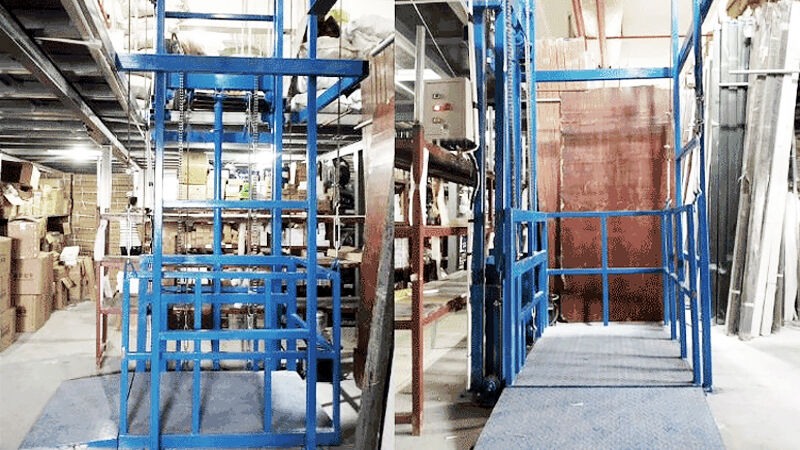
A goods lift can be customized to fit the specific requirements of a factory. Whether retrofitting an existing building or designing a new facility, a goods lift can be integrated seamlessly into the infrastructure.
The adaptability of a goods lift allows it to accommodate various load capacities, sizes, and operational needs. This flexibility ensures that it can meet the unique demands of different industries.
In addition, modern goods lift systems can be installed with minimal disruption to ongoing operations. This makes them an ideal solution for factories looking to upgrade their material handling systems without significant downtime.
Improved Handling of Heavy and Bulky Materials
Efficient Transport of Large Loads
A goods lift is specifically designed to handle heavy and bulky materials that are difficult to move using conventional methods. Its robust construction ensures that it can carry substantial loads safely and efficiently.
This capability is essential for industries such as manufacturing, warehousing, and construction, where large items need to be transported regularly. A goods lift simplifies these tasks, reducing the complexity of handling oversized goods.
By providing a dedicated solution for heavy lifting, a goods lift enhances operational efficiency and reduces the risk of damage to goods.
Consistent Performance Under High Demand
Factories often operate under high demand conditions, requiring reliable equipment that can handle continuous use. A goods lift is built to withstand intensive operations, delivering consistent performance even during peak production periods.
The durability of a goods lift ensures that it can operate efficiently without frequent breakdowns. This reliability is crucial for maintaining production schedules and meeting customer demands.
Furthermore, advanced engineering and quality materials used in a goods lift contribute to its long-lasting performance, making it a dependable asset for industrial facilities.
FAQ
What is a goods lift used for in factories
A goods lift is used to transport materials, products, and equipment between different floors within a factory. It improves efficiency by providing a safe and reliable method for vertical movement, reducing the need for manual handling and other transport equipment.
How does a goods lift improve workplace safety
A goods lift reduces workplace safety risks by eliminating manual lifting and minimizing human involvement in heavy material handling. It includes safety features such as overload protection and emergency controls, ensuring secure and controlled operations.
Is a goods lift suitable for small factories
Yes, a goods lift can be customized to suit factories of all sizes. Even small factories benefit from improved efficiency, better space utilization, and reduced labor costs when installing a goods lift.
What factors should be considered when choosing a goods lift
Key factors include load capacity, platform size, installation space, safety features, and customization options. Selecting the right goods lift ensures optimal performance and long-term reliability.