EN
EN


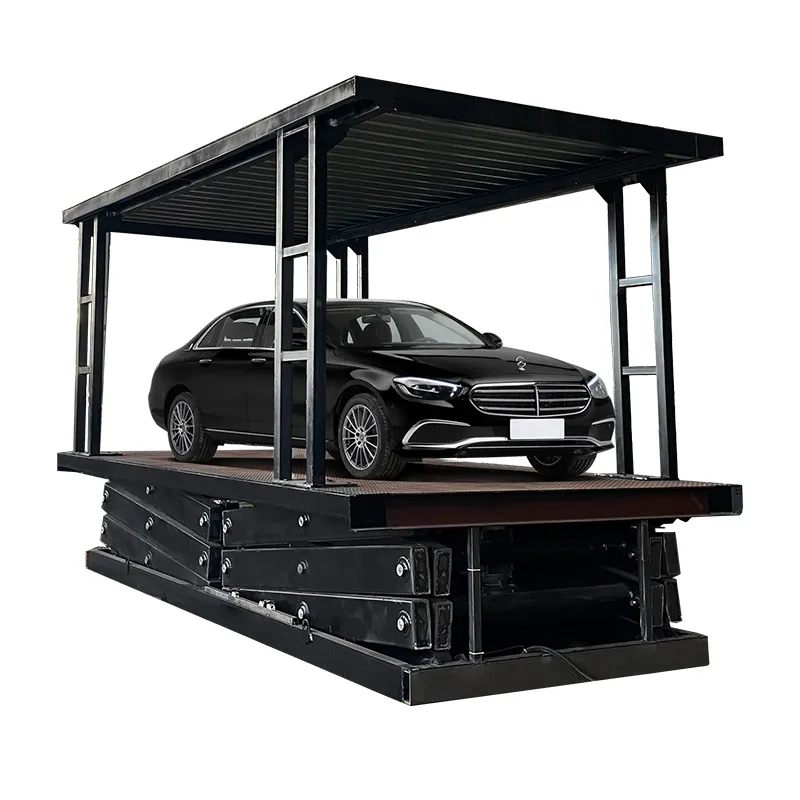
Commercial building projects face increasing pressure to maximize space utilization while providing essential services to tenants and visitors. A car garage elevator represents a strategic solution that addresses multiple challenges simultaneously, offering vertical transportation for vehicles in space-constrained environments. This innovative technology transforms how developers approach parking infrastructure, enabling them to create more efficient and profitable commercial spaces.
The integration of a car garage elevator system into commercial buildings delivers measurable benefits that extend beyond simple vehicle storage. These systems enable developers to optimize valuable ground-level real estate for revenue-generating activities while maintaining adequate parking capacity. The technology proves particularly valuable in urban commercial projects where land costs are prohibitive and zoning regulations demand specific parking ratios.
Space Optimization and Revenue Generation Benefits
Maximizing Ground Floor Commercial Value
Commercial building developers recognize that ground-floor space commands premium rental rates compared to basement or upper-level parking areas. A car garage elevator allows projects to relocate parking functions to less valuable vertical space, freeing up street-level areas for retail stores, restaurants, or office entrances. This strategic reallocation can increase a building's rental income potential by 15-25% compared to traditional at-grade parking layouts.
The compact footprint of a car garage elevator system requires minimal ground-floor space while serving multiple parking levels above or below. This efficiency enables developers to dedicate more square footage to tenant spaces that generate higher revenue per square foot. Commercial tenants particularly value this approach because it creates more attractive storefronts and improves pedestrian accessibility to their businesses.
Urban commercial projects benefit significantly from this space optimization strategy. In dense metropolitan areas where every square foot of street-level space represents substantial revenue potential, a car garage elevator becomes an essential tool for financial viability. The system allows buildings to maintain required parking ratios while maximizing the commercial value of prime real estate.
Vertical Expansion Within Existing Footprints
Many commercial building projects face strict lot coverage restrictions that limit horizontal expansion options. A car garage elevator enables vertical parking solutions that work within these constraints, allowing developers to increase parking capacity without expanding the building's footprint. This vertical approach proves especially valuable when projects must accommodate growing tenant demands for parking while respecting municipal development limitations.
The technology supports multi-level parking configurations that can be customized to specific project requirements. Developers can design systems that serve two, three, or more parking levels depending on building height restrictions and tenant needs. This flexibility ensures that commercial projects can adapt their parking infrastructure as occupancy patterns and tenant requirements evolve over time.
Integration with existing building systems presents minimal complications when properly planned during the design phase. A car garage elevator can be incorporated into new construction or retrofit projects with appropriate structural considerations. This adaptability makes the technology suitable for diverse commercial building types, from office complexes to mixed-use developments.
Enhanced Security and Access Control Advantages
Controlled Vehicle Access Systems
Commercial buildings require robust security measures to protect tenant assets and maintain safe environments. A car garage elevator naturally creates controlled access points that enhance overall building security compared to traditional open parking structures. The enclosed nature of elevator systems allows for comprehensive monitoring and restricted entry protocols that align with commercial security standards.
Modern car garage elevator installations integrate seamlessly with building management systems, enabling centralized control over vehicle access permissions. Tenants and authorized users receive specific access credentials that prevent unauthorized vehicle entry while maintaining convenient access for legitimate users. This controlled environment reduces theft, vandalism, and security incidents that commonly affect open parking facilities.
The technology supports various authentication methods, including key cards, mobile applications, and biometric systems that align with broader building security protocols. Commercial property managers appreciate this integration because it creates a unified security ecosystem that protects both vehicles and building occupants through coordinated access control measures.
Weather Protection and Asset Preservation
Commercial building tenants increasingly expect parking facilities that protect their vehicles from environmental damage. A car garage elevator system provides enclosed storage environments that shield vehicles from weather exposure, reducing maintenance costs and preserving asset values for users. This protection becomes a valuable amenity that commercial buildings can highlight when marketing to potential tenants.
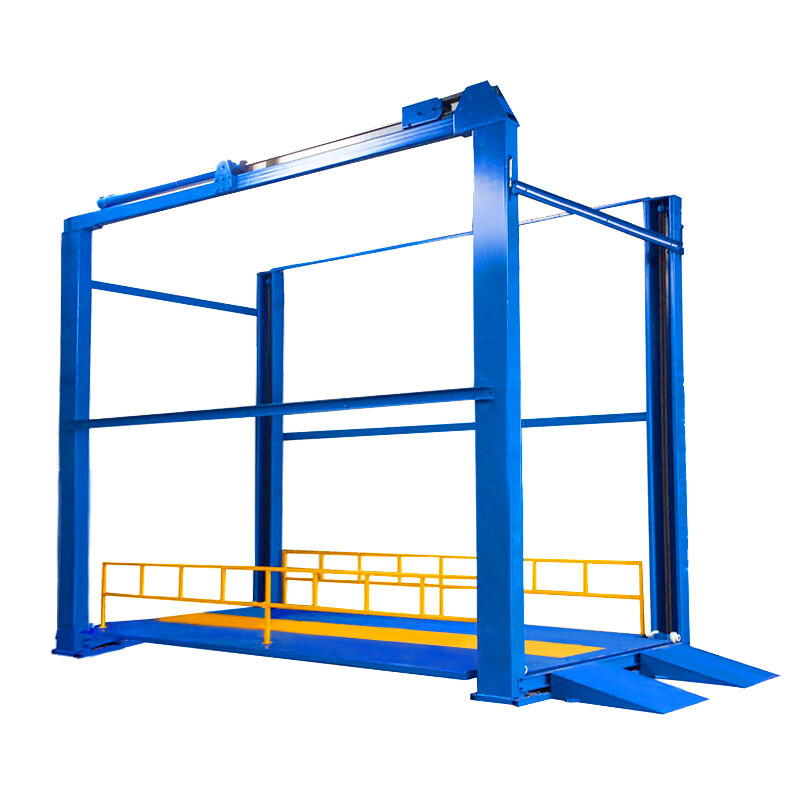
The enclosed design protects vehicles from hail, snow, ice, and UV radiation that cause paint damage, interior deterioration, and mechanical problems over time. Commercial tenants with company fleets or expensive vehicles particularly value this protection, making buildings with car garage elevator systems more attractive to high-quality tenants who are willing to pay premium rents for superior amenities.
Climate-controlled environments within elevator systems can be maintained more easily than large open parking structures, providing additional protection against temperature extremes and humidity that affect vehicle components. This environmental control appeals to commercial tenants who require reliable vehicle performance for their business operations.
Operational Efficiency and Maintenance Benefits
Reduced Infrastructure Maintenance Requirements
Traditional parking structures require extensive maintenance of driving surfaces, drainage systems, and traffic flow infrastructure that create ongoing operational expenses. A car garage elevator system minimizes these maintenance requirements by eliminating the need for extensive driving surfaces and reducing the infrastructure exposed to vehicle traffic and weather conditions.
The centralized mechanical nature of car garage elevator systems allows for predictable maintenance schedules and specialized service protocols that are often more cost-effective than maintaining large parking structures. Commercial building operators can budget accurately for elevator maintenance while avoiding the unpredictable costs associated with parking deck repairs, resurfacing, and structural maintenance.
Automated systems reduce the need for parking attendants and manual traffic management, lowering ongoing operational costs while improving service consistency. Commercial buildings can operate car garage elevator systems with minimal staffing requirements, allowing property management resources to focus on other tenant services and building operations.
Energy Efficiency and Environmental Impact
Commercial building projects increasingly prioritize energy efficiency and environmental sustainability to meet regulatory requirements and tenant expectations. A car garage elevator system consumes significantly less energy than the lighting, ventilation, and security systems required for equivalent traditional parking structures, contributing to overall building efficiency goals.
The compact nature of elevator systems reduces the building envelope area that must be heated, cooled, or ventilated compared to large open parking facilities. This reduction in conditioned space requirements translates to lower utility costs and improved building energy performance ratings that are valuable for commercial property marketing and regulatory compliance.
Many car garage elevator systems incorporate regenerative energy features that capture power during descent operations, further improving energy efficiency. This technology aligns with green building certification requirements and demonstrates environmental responsibility that appeals to sustainability-conscious commercial tenants.
Financial Return and Investment Considerations
Capital Cost Optimization Strategies
The initial investment in a car garage elevator system must be evaluated against the long-term financial benefits and alternative parking solutions available for commercial projects. While elevator systems require substantial upfront capital, they often provide better return on investment than traditional parking structures when land costs, construction expenses, and ongoing operational requirements are considered comprehensively.
Commercial developers can optimize capital costs by integrating car garage elevator planning into early design phases, avoiding expensive retrofitting and structural modifications. Proper planning allows elevator systems to share structural elements with the main building, reducing overall construction costs while creating more efficient space utilization patterns.
Financing options for car garage elevator installations often include lease arrangements and specialized equipment financing that can improve project cash flow compared to traditional construction financing. These financial structures allow commercial projects to implement elevator systems while preserving capital for other revenue-generating building components.
Long-term Value Creation and Tenant Retention
Commercial buildings with car garage elevator systems often command higher rental rates and experience better tenant retention compared to properties with conventional parking facilities. The premium amenity value of automated, secure, and weather-protected parking creates competitive advantages that translate to sustained revenue improvements over the building's operational life.
Tenant satisfaction surveys consistently show that convenient, secure parking ranks among the most important building amenities for commercial occupants. A car garage elevator system addresses these priorities while differentiating the property from competing buildings that rely on traditional parking solutions. This differentiation supports premium pricing strategies and reduces tenant turnover costs.
Property values for commercial buildings with advanced parking systems tend to appreciate more rapidly than comparable properties with conventional facilities. Real estate investors recognize the long-term competitive advantages and operational efficiencies that car garage elevator systems provide, supporting stronger resale values and investment returns for commercial property owners.
FAQ
How much space does a car garage elevator require in a commercial building?
A car garage elevator typically requires a footprint of approximately 12 feet by 20 feet for the elevator shaft, plus additional space for mechanical equipment and access areas. This compact requirement is significantly smaller than the space needed for ramps and driving aisles in traditional parking structures, making it ideal for space-constrained commercial projects.
What is the typical capacity and speed of commercial car garage elevator systems?
Commercial car garage elevator systems can typically handle vehicles weighing up to 6,000 pounds and complete a full cycle between floors in 60-90 seconds. Most systems can accommodate standard passenger vehicles, SUVs, and light commercial vehicles, with custom configurations available for specific weight and size requirements in commercial applications.
Are car garage elevator systems reliable for daily commercial building operations?
Modern car garage elevator systems are designed for continuous daily operation with reliability rates exceeding 99% when properly maintained. Commercial-grade systems include redundant safety features, backup power systems, and remote monitoring capabilities that ensure consistent performance for business-critical parking needs in commercial buildings.
How do car garage elevator systems integrate with existing building management systems?
Car garage elevator systems can be fully integrated with building management platforms through standard communication protocols, enabling centralized control, access management, and monitoring. This integration allows commercial building operators to manage parking access alongside other building systems, creating unified security and operational control for the entire property.
Table of Contents
- Space Optimization and Revenue Generation Benefits
- Enhanced Security and Access Control Advantages
- Operational Efficiency and Maintenance Benefits
- Financial Return and Investment Considerations
-
FAQ
- How much space does a car garage elevator require in a commercial building?
- What is the typical capacity and speed of commercial car garage elevator systems?
- Are car garage elevator systems reliable for daily commercial building operations?
- How do car garage elevator systems integrate with existing building management systems?