EN
EN


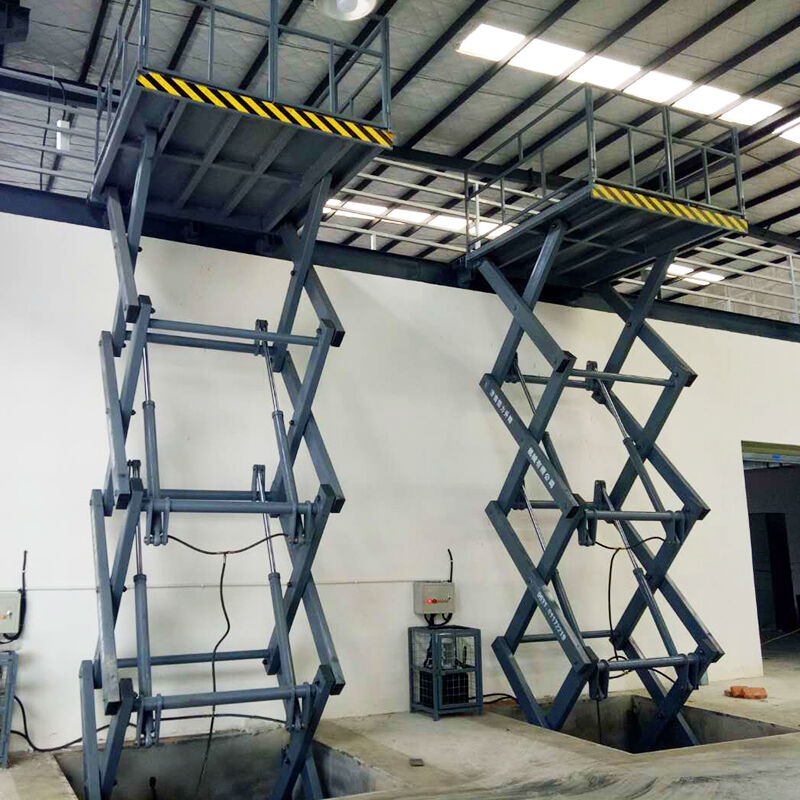
Urban development continues to push buildings skyward, creating unprecedented challenges for vehicle storage and accessibility in high-rise structures. Traditional parking solutions consume massive amounts of valuable floor space, leaving developers and building owners searching for innovative alternatives that maximize both functionality and profit potential. The integration of advanced vertical transportation systems specifically designed for vehicles represents a transformative approach to addressing these spatial constraints.
Modern car garage elevator systems offer sophisticated solutions that fundamentally reimagine how buildings manage vehicle storage across multiple floors. These mechanical platforms eliminate the need for traditional ramp systems, reduce structural requirements, and create opportunities for mixed-use development that were previously impossible. Understanding the optimization potential of these systems enables building planners to make informed decisions about space allocation, construction costs, and long-term operational efficiency in high-rise environments.
Vertical Space Utilization Principles
Floor Area Recovery Through Elimination of Ramps
Traditional parking garage designs in high-rise buildings require extensive ramp systems that consume approximately 20-25% of total parking floor area. A car garage elevator system eliminates this spatial requirement entirely, allowing building owners to reclaim thousands of square feet per floor for revenue-generating activities. This recovered space can accommodate additional parking spots, retail areas, or mechanical systems that support building operations.
The elimination of ramps also removes structural weight requirements associated with sloped concrete surfaces and heavy vehicle traffic patterns. This reduction in structural loading allows architects to design thinner floor slabs and utilize lighter construction materials, further optimizing the building's overall efficiency. The car garage elevator approach transforms previously unusable transition areas into functional spaces that contribute directly to the building's economic performance.
Ceiling Height Optimization Strategies
Standard parking garage designs require minimum ceiling heights of 8-9 feet to accommodate vehicle clearance and ventilation systems. Car garage elevator installations can operate effectively with reduced ceiling heights since vehicles remain stationary during vertical transportation. This height reduction allows developers to add additional floors within the same overall building height restrictions, significantly increasing the structure's parking capacity.
The compact mechanical profile of modern car garage elevator systems integrates seamlessly with building infrastructure without compromising overhead space for essential utilities. Advanced hydraulic and cable-driven mechanisms require minimal clearance above the platform surface, enabling architects to maximize floor-to-floor efficiency while maintaining full accessibility compliance throughout the parking structure.
Load Distribution and Structural Benefits
Point Load Concentration Management
Car garage elevator systems concentrate vehicle loads at specific, predictable locations within the building structure, allowing engineers to design targeted reinforcement strategies rather than uniformly strengthening entire floor areas. This concentrated loading approach reduces overall structural steel requirements and enables more efficient column spacing throughout the parking levels. The predictable load paths created by elevator installations also simplify foundation design and reduce excavation requirements during construction.
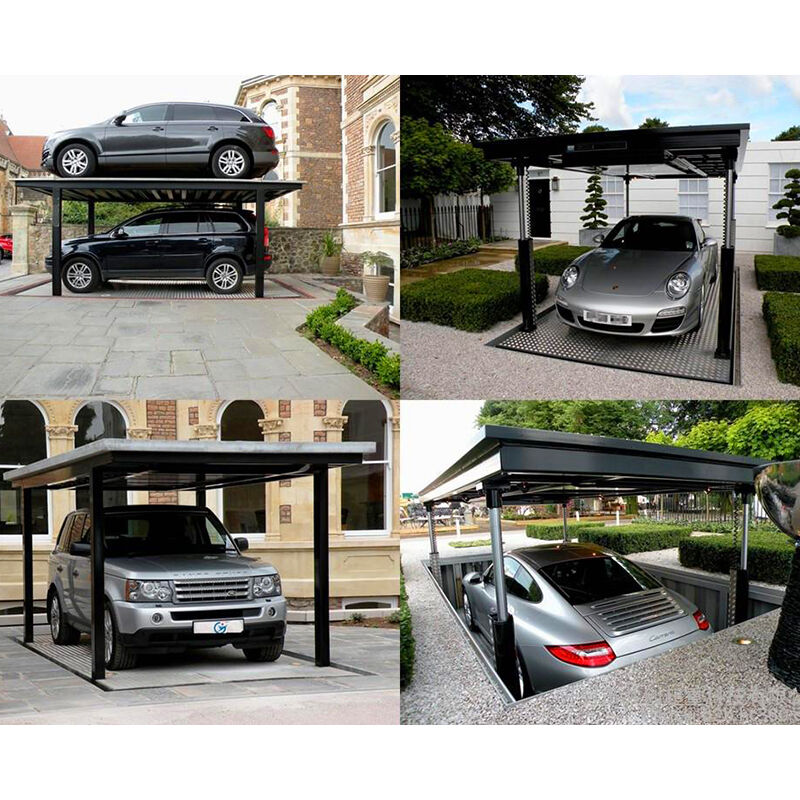
The mechanical components of a car garage elevator distribute operational forces through engineered mounting systems that integrate directly with the building's structural framework. These systems transfer both static vehicle weight and dynamic lifting forces through carefully calculated connection points, eliminating the random stress patterns associated with moving vehicle traffic across traditional parking surfaces.
Seismic Performance Considerations
High-rise buildings in seismically active regions benefit significantly from the reduced mass and improved load distribution characteristics of car garage elevator systems. The elimination of heavy ramp structures and the concentration of vehicle storage at specific locations creates more predictable building response patterns during seismic events. Modern car garage elevator installations include specialized seismic safety systems that automatically secure platforms and vehicles during ground motion events.
The reduced overall mass of parking levels equipped with car garage elevator systems contributes to improved building stability and reduced seismic base shear forces. This mass reduction allows structural engineers to optimize the building's lateral force-resisting system and potentially reduce the size of structural elements throughout the entire high-rise structure.
Traffic Flow and Operational Efficiency
Elimination of Circulation Conflicts
Traditional multi-level parking systems create complex traffic patterns as vehicles navigate between floors, search for available spaces, and maneuver through tight turning radii. A car garage elevator eliminates these circulation conflicts entirely by providing direct vertical transportation to designated parking areas without requiring drivers to navigate through intermediate levels or interact with other vehicles during the parking process.
The streamlined access provided by car garage elevator systems reduces peak-hour congestion and eliminates the backup conditions commonly experienced in traditional parking structures. This improved traffic flow efficiency translates directly into reduced air quality concerns within enclosed parking areas and decreased mechanical ventilation requirements throughout the building.
Automated Space Management Integration
Modern car garage elevator systems integrate seamlessly with automated parking management technologies that optimize space allocation and reduce vehicle retrieval times. These systems can automatically direct vehicles to available spaces across multiple floors based on real-time occupancy data, vehicle size requirements, and user preferences. The integration of smart sensors and communication systems enables building operators to maximize parking density while maintaining rapid access times for all users.
Advanced car garage elevator installations support dynamic space allocation strategies that adapt to changing demand patterns throughout different times of day or seasonal variations. This flexibility allows building managers to temporarily repurpose parking areas for other activities during low-demand periods, creating additional revenue opportunities that traditional parking structures cannot accommodate.
Energy Efficiency and Environmental Impact
Reduced Ventilation Requirements
The elimination of vehicle circulation within parking levels dramatically reduces the ventilation requirements needed to maintain acceptable air quality standards. Car garage elevator systems minimize engine runtime within enclosed spaces since vehicles operate only briefly during loading and unloading procedures. This reduction in exhaust generation allows building designers to specify smaller, more efficient ventilation systems that consume less energy and require reduced maintenance over the building's operational lifetime.
The improved air quality characteristics of car garage elevator installations also enable the integration of parking levels with other building functions that require controlled environmental conditions. Mixed-use developments can locate sensitive activities adjacent to parking areas without concerns about air quality migration or odor control issues that typically restrict such arrangements.
Lighting and Security Optimization
Car garage elevator systems support advanced lighting control strategies that activate illumination only when vehicles are present or during active parking operations. This targeted lighting approach reduces energy consumption significantly compared to traditional parking structures that require continuous illumination across large areas to ensure safety and security. The concentrated nature of car garage elevator operations also simplifies security monitoring systems and reduces the number of surveillance points needed to maintain comprehensive coverage.
The predictable traffic patterns created by car garage elevator systems enable building operators to implement sophisticated energy management protocols that coordinate lighting, ventilation, and security systems based on actual usage patterns rather than conservative worst-case assumptions used in traditional parking facility design.
Economic Impact and Return on Investment
Construction Cost Optimization
The installation of car garage elevator systems typically requires lower initial construction costs compared to traditional multi-level parking structures due to reduced structural requirements, simplified mechanical systems, and faster construction timelines. The elimination of ramp construction removes significant concrete and steel requirements while the concentrated loading characteristics of elevator systems reduce foundation and structural frame complexity throughout the parking levels.
Car garage elevator installations also accelerate construction schedules by eliminating the sequential floor-by-floor construction processes required for traditional parking structures. The mechanical components can be installed and tested independently of other building systems, allowing parallel construction activities that reduce overall project timelines and associated carrying costs during development.
Operational Revenue Enhancement
The space efficiency gains achieved through car garage elevator implementation create immediate opportunities for revenue enhancement through increased parking capacity or alternative space utilization. Buildings can accommodate significantly more vehicles per square foot of parking area while simultaneously reducing operational expenses associated with maintenance, cleaning, and security monitoring across large parking surfaces.
The flexibility of car garage elevator systems also enables dynamic pricing strategies based on convenience factors, access speed, and premium location assignments that traditional parking structures cannot support. This pricing flexibility allows building operators to optimize revenue generation while maintaining competitive rates for standard parking services throughout the high-rise development.
FAQ
What is the typical weight capacity of a car garage elevator system?
Most car garage elevator systems are designed to handle vehicles weighing between 4,000 to 8,000 pounds, which accommodates the majority of passenger vehicles, SUVs, and light trucks. Heavy-duty systems can support loads up to 12,000 pounds for luxury vehicles or small commercial vehicles, with custom installations available for specialized requirements in high-rise applications.
How much space can a building save by installing car garage elevators instead of traditional ramps?
Buildings typically recover 20-25% of their parking floor area by eliminating ramp systems through car garage elevator installation. In a 200,000 square foot parking structure, this translates to approximately 40,000-50,000 square feet of recoverable space that can be converted to additional parking, retail areas, or other revenue-generating functions.
What are the maintenance requirements for car garage elevator systems in high-rise buildings?
Car garage elevator systems require monthly inspections of hydraulic systems, quarterly testing of safety mechanisms, and annual comprehensive maintenance including cable inspection and platform alignment verification. Most manufacturers provide maintenance contracts that include 24-hour emergency service and predictive maintenance programs to minimize downtime and ensure optimal performance throughout the system's operational lifetime.
Can car garage elevator systems operate during power outages or emergencies?
Modern car garage elevator installations include battery backup systems that provide emergency operation capability for up to 8-12 hours during power outages. Emergency manual lowering mechanisms allow trapped vehicles to be safely retrieved, and most systems include communication devices that enable users to contact building security or emergency services during unexpected situations or system malfunctions.
Table of Contents
- Vertical Space Utilization Principles
- Load Distribution and Structural Benefits
- Traffic Flow and Operational Efficiency
- Energy Efficiency and Environmental Impact
- Economic Impact and Return on Investment
-
FAQ
- What is the typical weight capacity of a car garage elevator system?
- How much space can a building save by installing car garage elevators instead of traditional ramps?
- What are the maintenance requirements for car garage elevator systems in high-rise buildings?
- Can car garage elevator systems operate during power outages or emergencies?