EN
EN


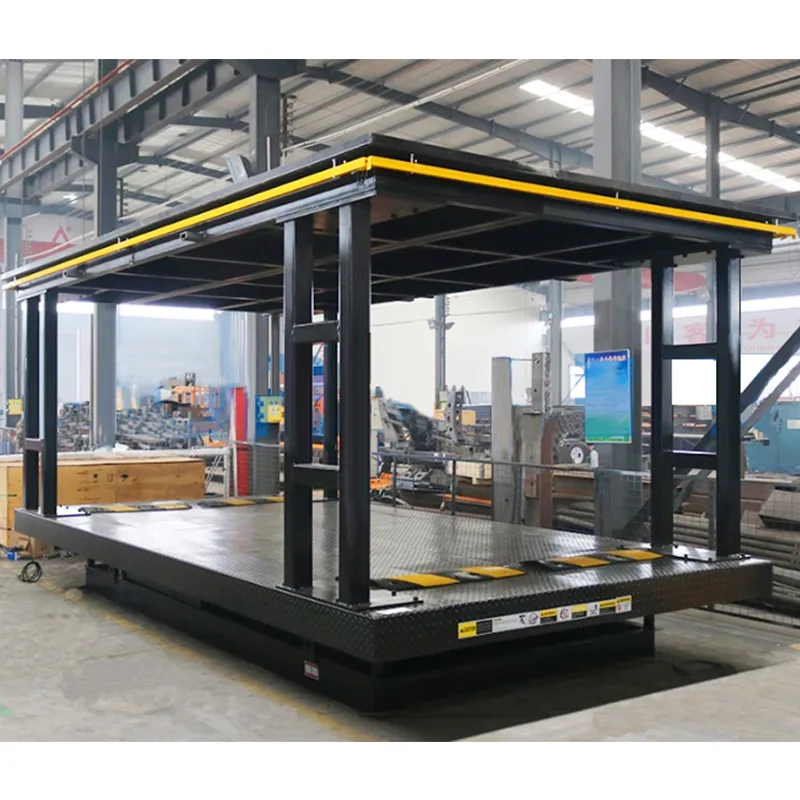
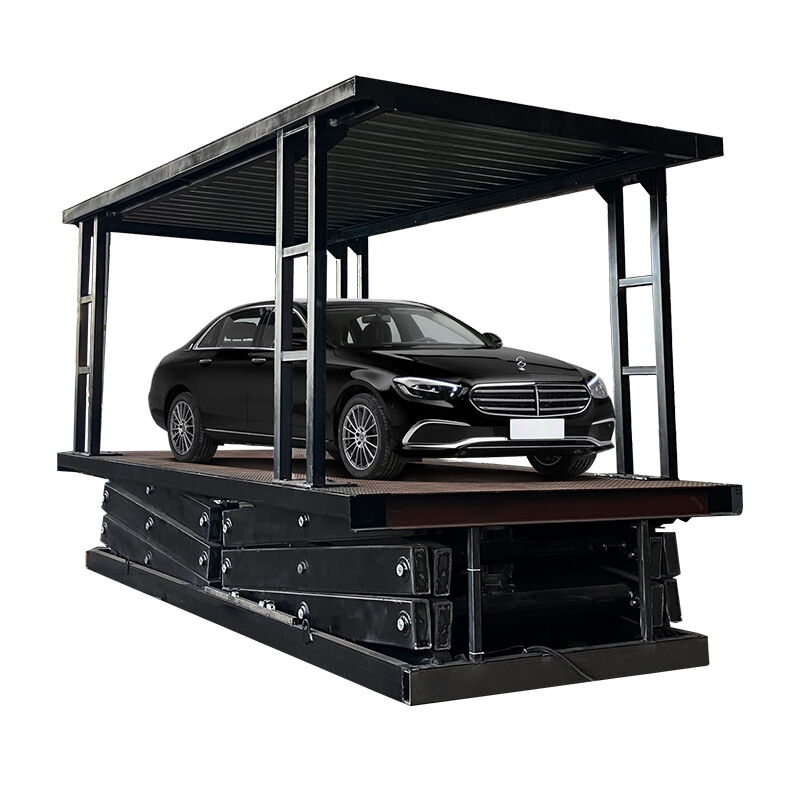
Modern urban environments face increasing pressure to maximize parking efficiency while minimizing space consumption. A car garage elevator serves as a critical mechanical component that enables vertical parking solutions by lifting vehicles between different levels of a parking structure. This technology transforms traditional horizontal parking layouts into compact vertical systems that can dramatically increase parking density within limited footprints.
Smart parking infrastructure relies on automated systems that integrate mechanical lifting equipment with digital control platforms to create seamless parking experiences. The car garage elevator functions as the physical backbone of these intelligent systems, working in coordination with sensors, management software, and automated guidance systems to deliver efficient vehicle storage and retrieval operations that support modern urban mobility needs.
Mechanical Integration with Automated Parking Systems
Hydraulic and Electric Drive Systems
The car garage elevator utilizes either hydraulic or electric drive mechanisms to provide the lifting force necessary for vertical vehicle transportation. Hydraulic systems offer smooth operation and high load capacity, making them suitable for heavy vehicles and frequent usage scenarios. These systems use pressurized fluid to power lifting cylinders that raise and lower platform sections with precise control over speed and positioning.
Electric drive systems incorporate motor-driven mechanisms with gear reduction assemblies to achieve the torque multiplication needed for vehicle lifting. These systems typically consume less energy than hydraulic alternatives and provide more responsive control characteristics. The electric car garage elevator can integrate with building management systems to optimize energy consumption during peak and off-peak usage periods.
Advanced drive systems incorporate variable frequency drives that allow precise speed control throughout the lifting cycle. This capability enables the car garage elevator to accelerate smoothly from rest, maintain consistent speeds during transit, and decelerate gradually to ensure gentle vehicle positioning. Such control systems reduce mechanical stress on both the elevator components and parked vehicles.
Load Distribution and Platform Design
Platform construction in a car garage elevator must accommodate various vehicle types while maintaining structural integrity under dynamic loading conditions. Steel framework platforms distribute vehicle weight across multiple support points, preventing concentrated stress that could cause platform deformation. Reinforcement patterns follow engineering calculations that account for maximum vehicle weights and dynamic loading from acceleration forces.
Surface treatments on elevator platforms provide necessary traction for vehicle tires while resisting wear from repeated vehicle movements. Anti-slip coatings or textured steel surfaces prevent vehicles from sliding during lifting operations, particularly when platforms experience slight angular variations during operation. These surface treatments must maintain effectiveness across temperature variations and environmental conditions.
Modular platform designs allow car garage elevator systems to accommodate different vehicle configurations without requiring complete system redesigns. Adjustable wheel guides and positioning systems can adapt to various wheelbase lengths and track widths, ensuring compatibility with everything from compact cars to light trucks within the system's weight rating specifications.
Digital Control Integration and Smart Features
Sensor Networks and Position Monitoring
Smart parking infrastructure depends on comprehensive sensor networks that monitor vehicle presence, platform position, and system status throughout elevator operation cycles. Proximity sensors detect when vehicles enter and exit elevator platforms, triggering automated sequences that begin lifting or lowering operations. These sensors provide redundant safety monitoring to prevent operation when vehicles are improperly positioned.
Position encoding systems track the exact location of car garage elevator platforms during operation, enabling precise stops at designated parking levels. Absolute encoders provide continuous position feedback that remains accurate even after power interruptions, ensuring the system maintains calibration without requiring manual repositioning procedures.
Load monitoring sensors continuously measure the weight distribution across elevator platforms, detecting unusual loading conditions that might indicate improperly parked vehicles or mechanical malfunctions. This data feeds into control algorithms that can adjust lifting parameters or halt operations when load conditions fall outside acceptable parameters.
Communication Protocols and System Integration
Modern car garage elevator systems utilize industrial communication protocols to exchange data with parking management software, building automation systems, and user interface applications. Ethernet-based protocols provide high-speed data transmission for real-time monitoring and control functions, while wireless communication options enable remote monitoring and diagnostic capabilities.
Integration with parking management platforms allows the car garage elevator to receive commands based on space availability, user reservations, and operational optimization algorithms. These systems can coordinate multiple elevator units to minimize wait times and distribute parking loads efficiently across available spaces.
Mobile application interfaces enable users to request vehicle retrieval remotely, allowing the car garage elevator system to begin positioning procedures before users arrive at the facility. This pre-positioning capability reduces overall cycle times and improves user satisfaction with the parking experience.
Safety Systems and Compliance Integration
Emergency Stop and Backup Systems
Comprehensive safety systems in car garage elevator installations include multiple emergency stop mechanisms that can halt operation immediately when triggered by safety sensors, manual switches, or system malfunctions. These safety systems operate independently of primary control systems, ensuring that elevator platforms can be stopped even during control system failures.
Backup power systems maintain essential safety functions during electrical outages, including emergency lighting, communication systems, and controlled lowering capabilities. Battery backup systems provide sufficient power to complete any elevator cycles in progress and position platforms at safe levels where vehicles can be accessed manually if necessary.
Mechanical safety locks engage automatically when car garage elevator platforms reach designated positions, providing secondary securing mechanisms that prevent platform movement due to hydraulic leaks or mechanical failures. These locks must be actively disengaged by the control system before platform movement can resume.
Code Compliance and Inspection Requirements
Installation standards for car garage elevator systems require compliance with relevant building codes, elevator safety standards, and accessibility requirements. These standards specify minimum clearances, structural requirements, and safety system specifications that ensure safe operation throughout the system's service life.
Regular inspection schedules mandated by local authorities require documentation of safety system functionality, mechanical component condition, and control system performance. Car garage elevator systems must maintain detailed service records and undergo periodic testing to verify continued compliance with safety standards.
Accessibility compliance ensures that car garage elevator systems accommodate users with disabilities through appropriate control interfaces, emergency communication systems, and platform access arrangements. These requirements influence platform dimensions, control placement, and emergency procedures.
Operational Efficiency and Smart Infrastructure Benefits
Space Optimization and Capacity Enhancement
Smart parking facilities utilizing car garage elevator technology can achieve parking densities significantly higher than traditional ramped parking structures. Vertical stacking eliminates the space requirements for ramps and driving aisles, allowing more of the building footprint to be dedicated to actual vehicle storage. This efficiency improvement can double or triple parking capacity within the same building envelope.
Compact elevator systems require minimal horizontal space for mechanical components, maximizing the proportion of building area available for parking spaces. Efficient layout designs position elevator shafts to serve multiple parking bays, reducing the number of mechanical systems required while maintaining adequate service coverage across the facility.
Flexible configuration options allow car garage elevator installations to adapt to irregular building shapes or retrofit applications where traditional ramped access would be impractical. This adaptability enables parking solutions in urban locations where conventional parking structures would be economically unfeasible.
Energy Efficiency and Environmental Impact
Advanced car garage elevator systems incorporate regenerative braking technology that recovers energy during platform lowering operations. This recovered energy can be fed back into building electrical systems or stored in battery systems for later use, reducing overall energy consumption compared to conventional elevator technologies.
Reduced ventilation requirements in automated parking facilities lower energy consumption compared to traditional parking structures where extensive ventilation systems must remove vehicle exhaust gases. Since vehicles operate only briefly during parking and retrieval cycles, air quality management systems can operate at reduced capacities.
LED lighting systems integrated with car garage elevator controls provide illumination only when and where needed, reducing lighting energy consumption compared to continuously illuminated traditional parking facilities. Motion sensors and timing controls ensure adequate lighting during elevator operation while minimizing energy waste during idle periods.
FAQ
What weight capacity can a car garage elevator typically handle?
Most car garage elevator systems are designed to handle vehicles weighing between 3,000 to 6,000 pounds, which accommodates standard passenger vehicles, SUVs, and light trucks. Heavy-duty systems can support weights up to 8,000 pounds or more for commercial applications. The specific capacity depends on the elevator design, structural support, and intended application requirements.
How long does it take for a car garage elevator to complete a parking cycle?
A typical car garage elevator completes a full parking or retrieval cycle in 60 to 90 seconds, including platform movement, positioning, and safety verification steps. Advanced systems with optimized control algorithms can achieve cycle times as low as 45 seconds. Actual cycle times vary based on the number of levels, platform travel distance, and safety protocols implemented in the specific installation.
Can car garage elevator systems operate during power outages?
Car garage elevator systems typically include backup power systems that maintain essential safety functions during power outages, including emergency lighting and communication systems. Battery backup power usually provides sufficient energy to complete any elevator cycles in progress and position platforms at safe levels. However, normal parking and retrieval operations typically cannot continue during extended power outages without auxiliary power sources.
What maintenance is required for car garage elevator systems?
Regular maintenance for car garage elevator systems includes monthly safety system inspections, quarterly mechanical component checks, and annual comprehensive system evaluations. Hydraulic systems require periodic fluid changes and seal inspections, while electric systems need motor and drive component maintenance. Professional service technicians should perform major maintenance tasks and safety system certifications according to manufacturer specifications and local regulatory requirements.