monte-charge compact
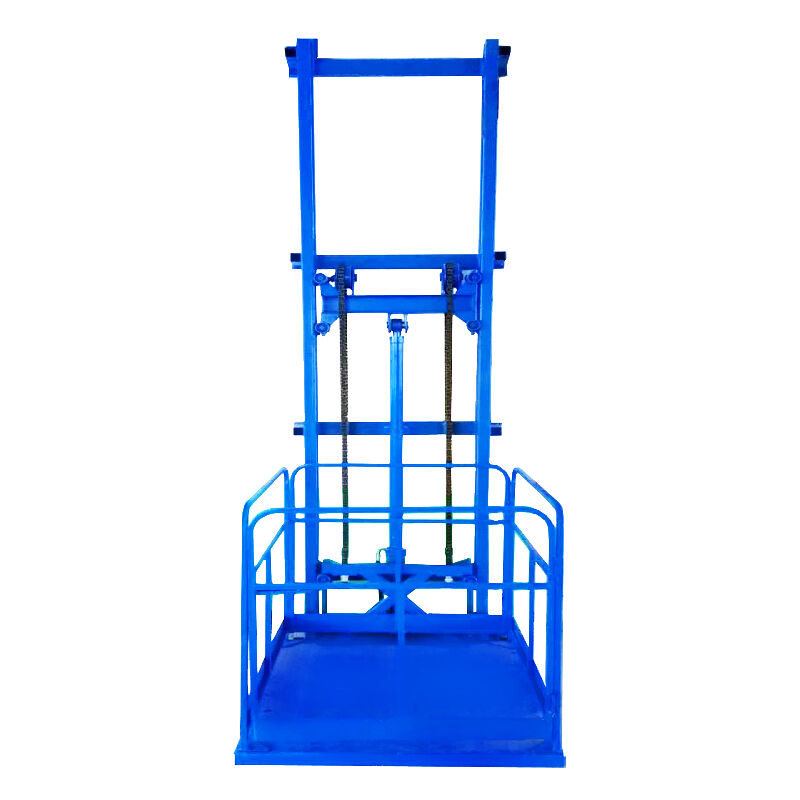
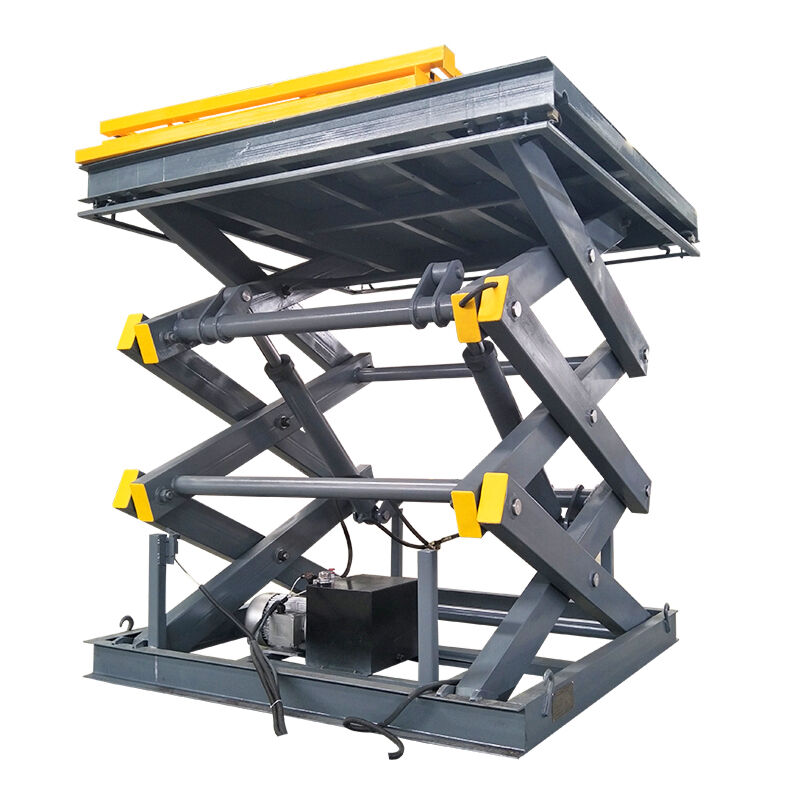
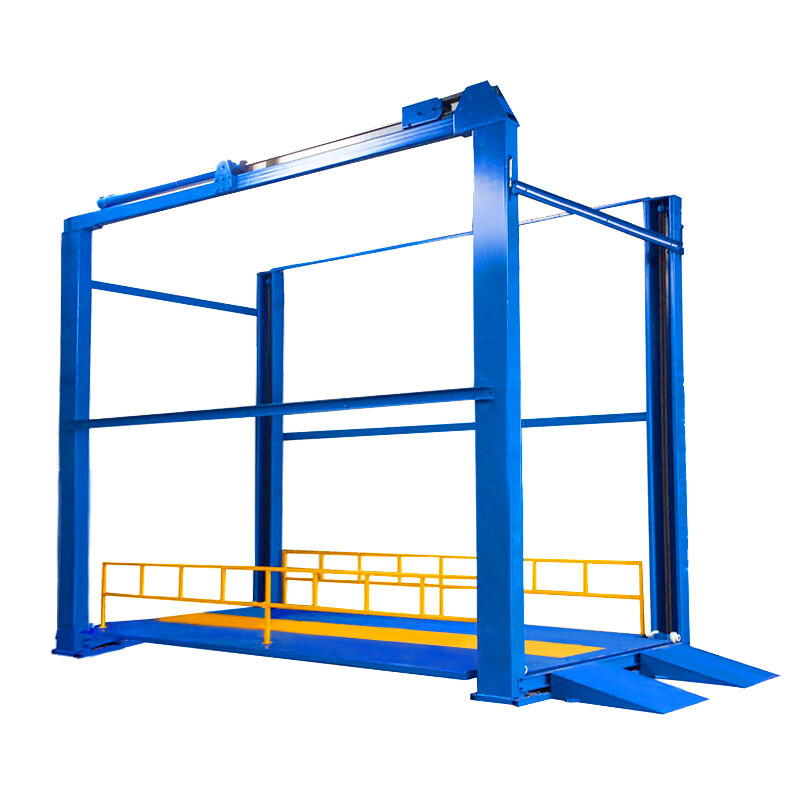
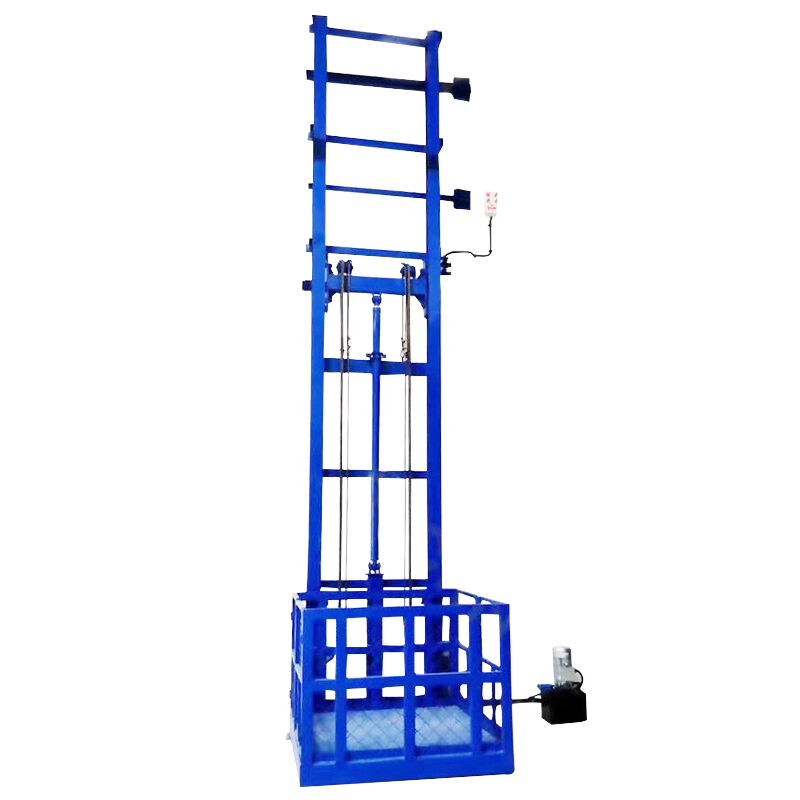
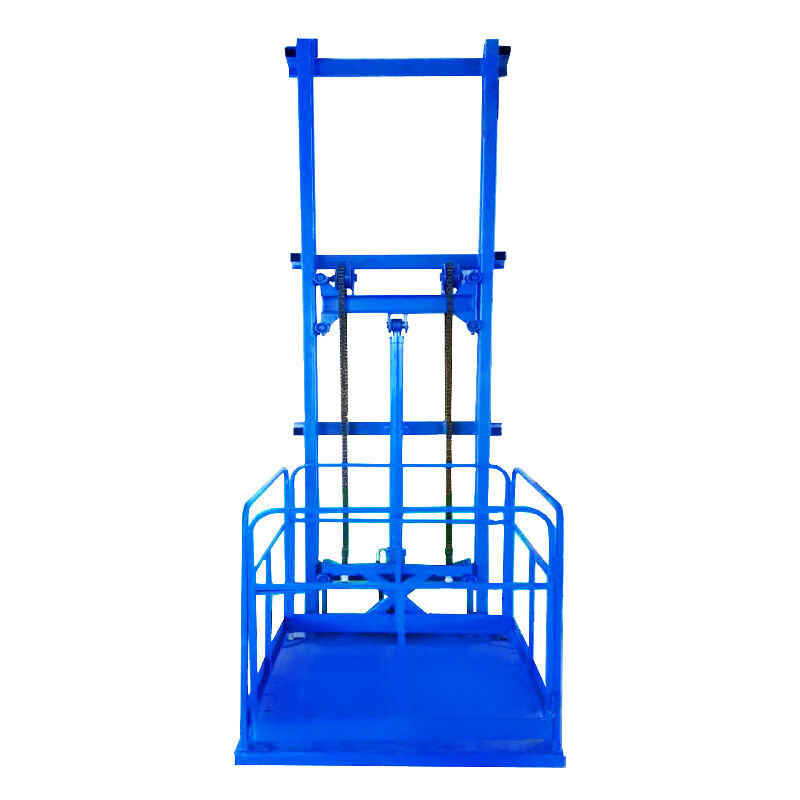
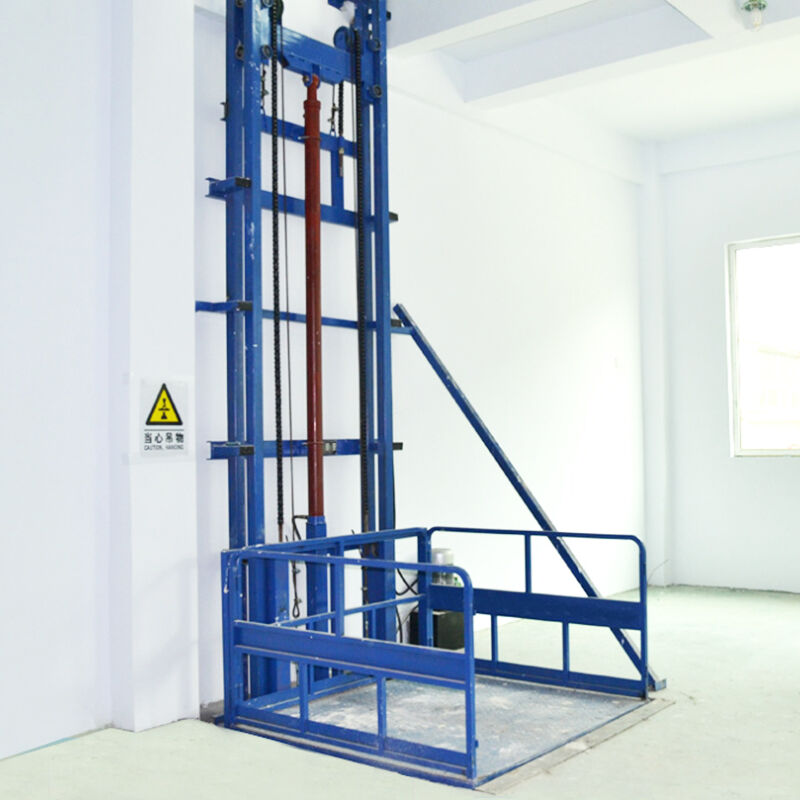
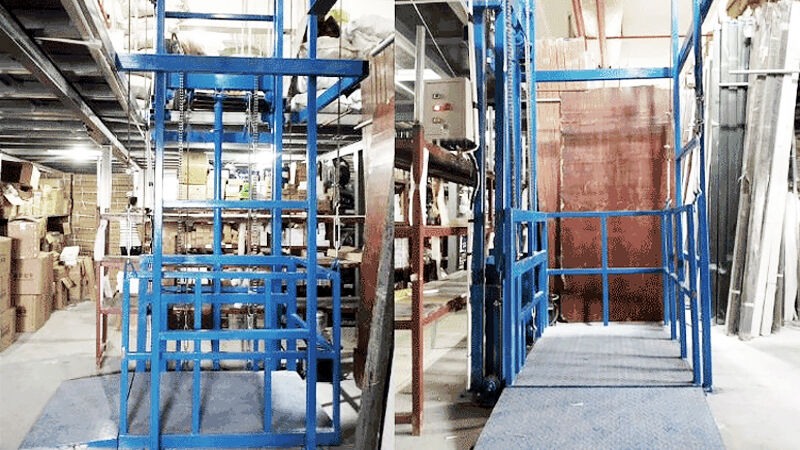
Un petit ascenseur à marchandises représente une solution innovante de transport vertical conçue spécifiquement pour déplacer des matériaux, des produits et du matériel entre différents niveaux dans les bâtiments commerciaux, industriels et résidentiels. Ce système d’ascenseur compact fonctionne sans nécessiter la présence de passagers humains, ce qui en fait un choix idéal pour les entreprises ayant besoin d’un déplacement efficace des marchandises tout en optimisant l’utilisation de l’espace au sol. Le petit ascenseur à marchandises intègre une ingénierie mécanique avancée et des commandes conviviales afin d’assurer des capacités fiables de transport vertical. Ces systèmes comportent généralement une structure robuste en acier, des rails de guidage renforcés et des mécanismes de levage précisément conçus. Les petits ascenseurs à marchandises modernes incorporent une technologie d’entraînement à fréquence variable, garantissant une accélération et une décélération fluides tout en réduisant la consommation énergétique. Leurs systèmes de commande utilisent des automates programmables (API) permettant un positionnement précis aux étages ainsi qu’un renforcement des protocoles de sécurité. La capacité de charge varie de 100 à 1 000 kilogrammes, répondant ainsi aux besoins variés des entreprises. Leur flexibilité d’installation permet une intégration aussi bien dans des bâtiments existants que dans des projets de construction neuve. L’encombrement réduit minimise les exigences spatiales tout en maximisant la fonctionnalité. Les dispositifs de sécurité comprennent notamment un système d’arrêt d’urgence, une protection contre les surcharges, des verrous de porte et des mécanismes de nivellement automatique. Les besoins en maintenance sont minimes grâce à des composants mécaniques simplifiés et à des points de service facilement accessibles. Leurs applications couvrent de nombreux secteurs, notamment la restauration, le commerce de détail, les entrepôts, les installations manufacturières, les hôpitaux, les bureaux et les résidences à plusieurs étages. Ces ascenseurs excellent particulièrement dans le transport d’aliments, de documents, de fournitures médicales, de stocks, d’outils et de produits finis. Leur fonctionnement automatisé réduit les coûts liés à la main-d’œuvre manuelle et améliore l’efficacité des flux de travail. Leur installation requiert généralement des modifications structurelles très limitées, rendant ainsi économiquement viables les projets de rénovation. Du point de vue environnemental, ils intègrent des moteurs économes en énergie et des matériaux recyclables. Des options de personnalisation permettent aux entreprises de choisir les dimensions, les finitions et les configurations de commande adaptées à leurs besoins opérationnels spécifiques. Cette technologie continue d’évoluer avec l’intégration de fonctionnalités de connectivité intelligente et de capacités de maintenance prédictive.
 EN
EN