EN
EN


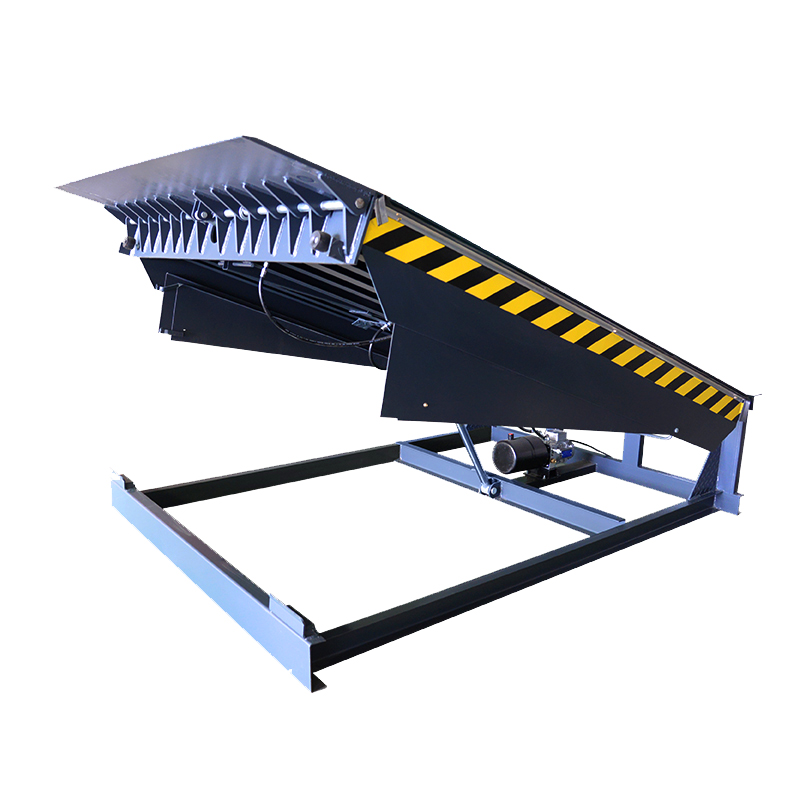
A régulateur de quai fonctionnalités de sécurité constituent le fondement de toute opération sécurisée au niveau du quai de chargement. Lorsque les travailleurs manipulent régulièrement des expéditions lourdes en hauteur, la régulateur de quai devient bien plus qu’un équipement pratique : elle devient une infrastructure de sécurité critique. Comprendre quelles fonctionnalités de sécurité d’une plateforme de quai sont les plus importantes aide les gestionnaires d’installations à protéger leurs équipes tout en maintenant le débit et en réduisant les accidents coûteux
Les environnements modernes de quais de chargement exigent des équipements conçus avec plusieurs niveaux de protection. Les meilleures fonctionnalités de sécurité des ponts de chargement intègrent une redondance mécanique, une conception ergonomique et un fonctionnement à échec sûr afin de prévenir les glissades, les chutes, les blessures par écrasement et les collisions avec des véhicules. Cet article examine les fonctionnalités essentielles de sécurité des ponts de chargement qui distinguent les systèmes fiables des installations insuffisantes.
Stabilité mécanique et performance de maintien en charge
Systèmes hydrauliques de verrouillage principaux
Le cœur de tout niveauur de quai fiable repose sur des mécanismes de verrouillage hydraulique empêchant tout déplacement inattendu de la plaque. Les caractéristiques de sécurité de qualité d’un niveauur de quai comprennent des conceptions à double vérin qui maintiennent la plaque rigide en place, même en cas de perte soudaine de pression. Cette redondance garantit que la plaque reste horizontale et stable lorsqu’un opérateur se tient dessus en transportant des marchandises ou lorsqu’un camion s’éloigne de façon inattendue. Les manomètres hydrauliques et les soupapes de décharge de pression constituent des caractéristiques de sécurité essentielles des niveauurs de quai, car elles évitent toute surpression et assurent des performances constantes malgré les variations de température.
Broches et barrières de verrouillage mécaniques
Outre les systèmes hydrauliques, les caractéristiques de sécurité les plus robustes des plateformes d’accès aux quais comprennent des broches de verrouillage mécaniques qui empêchent physiquement tout mouvement vertical de la plaque lorsqu’elle n’est pas utilisée. Ces broches se verrouillent automatiquement lorsque la plaque descend à la hauteur du quai, créant ainsi un mécanisme de secours secondaire. Les amortisseurs de choc et les systèmes pare-chocs constituent des caractéristiques de sécurité supplémentaires des plateformes d’accès aux quais, destinés à atténuer les contacts brutaux entre le camion et la structure du quai. Lorsqu’un véhicule heurte le pare-choc du quai, ces dispositifs ralentissent les forces d’impact et protègent à la fois les équipements et le personnel présents dans la zone environnante.
Protection des travailleurs et contrôle de l’accès
Conception de surface antidérapante
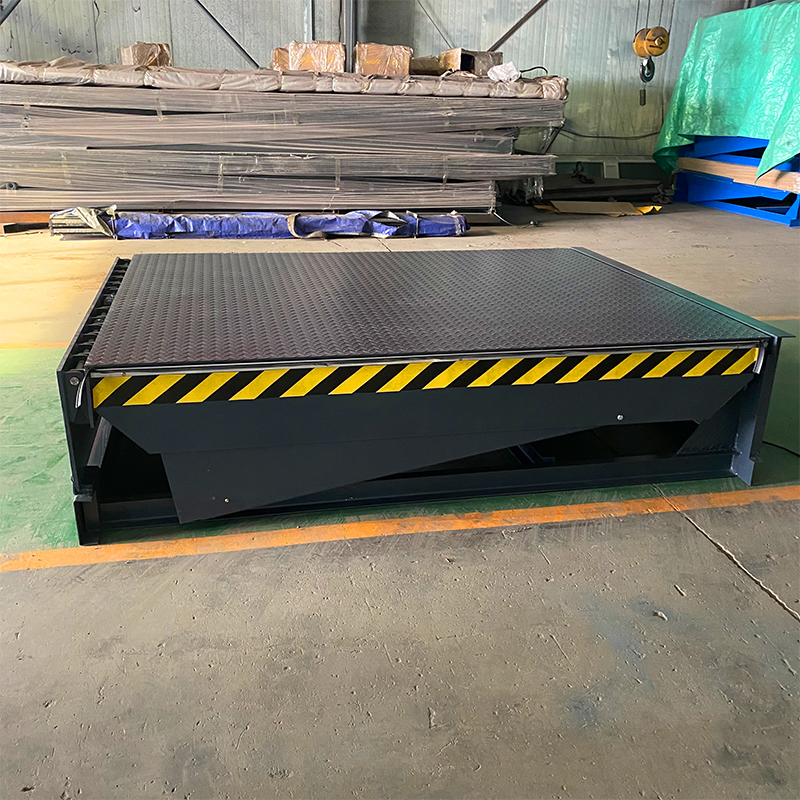
Les glissades et les chutes constituent la majorité des blessures liées aux quais, ce qui fait des surfaces antidérapantes l’une des caractéristiques de sécurité les plus pratiques des ponts mobiles. Les meilleurs systèmes intègrent des agrégats abrasifs intégrés ou un revêtement en caoutchouc qui assurent une adhérence constante, même lorsque les surfaces sont mouillées ou contaminées par des résidus d’huile. Les caractéristiques de sécurité de qualité des ponts mobiles comprennent également des bords biseautés et des transitions inclinées qui éliminent les risques de trébuchement entre le quai et la benne du camion. Des rails latéraux surélevés disposés le long du périmètre de la plaque empêchent les charges de glisser latéralement lors du positionnement manuel, agissant à la fois comme des barrières psychologiques et comme des caractéristiques réelles de sécurité des ponts mobiles destinées à réduire les chutes accidentelles.
Rails de protection et barrières de sécurité
Les fonctions de sécurité complètes des quais de chargement doivent inclure des garde-corps qui empêchent les travailleurs de marcher au-delà des bords de la plaque pendant les opérations de chargement. Les configurations standard comprennent une protection périphérique complète avec des portillons sur les côtés d’approche, qui ne peuvent être ouverts que lorsque le quai de chargement est entièrement déployé. Les rideaux lumineux constituent une fonction de sécurité avancée des quais de chargement : ils détectent les mouvements de personnel dans les zones à risque et immobilisent la plaque si des travailleurs s’en approchent de façon non sécurisée. Ces dispositifs de sécurité électroniques complètent les fonctions de sécurité mécaniques des quais de chargement en ajoutant une couche de surveillance active qui réduit les facteurs d’erreur humaine.
Sécurité d’engagement du camion et prévention des chocs
Intégration des joints d’étanchéité et de protection contre les intempéries
Lorsque la plaque de nivellement de quai entre en contact avec le plancher du camion, l’étanchéité entre les deux structures détermine dans quelle mesure la cargaison reste correctement positionnée pendant le chargement. Les joints d’étanchéité intégrés au quai constituent des fonctions de sécurité spécialisées des appareils de nivellement de quai qui empêchent la formation d’interstices où les travailleurs pourraient glisser ou où des rouleaux pourraient accrocher des tissus ou des vêtements. Les meilleures fonctions de sécurité des appareils de nivellement de quai comprennent des joints d’étanchéité à mousse compressible qui s’ajustent automatiquement aux variations de hauteur du plancher du camion, assurant ainsi une pression de contact constante sans points de pincement. Cette conception évite que les doigts des opérateurs ou leurs vêtements amples ne soient coincés, tout en préservant l’étanchéité essentielle qui empêche la pénétration des intempéries et l’intrusion de parasites.
Cisaillement mécanique et absorption des chocs
Les mouvements soudains des camions ou les changements de pression inattendus génèrent des forces de cisaillement pouvant piéger des membres ou déséquilibrer les travailleurs. Les fonctions de sécurité avancées des ponts de chargement comprennent des plinthes à ressort et des sections intermédiaires flexibles qui absorbent ces chocs sans transmettre l’intégralité de la force aux personnes. Les vérins hydrauliques amortisseurs constituent des fonctions de sécurité essentielles des ponts de chargement, car ils atténuent les mouvements saccadés et permettent une extension ou une rétraction progressive de la plaque, plutôt qu’abrupte. Des boutons d’arrêt d’urgence placés à plusieurs endroits permettent aux travailleurs d’arrêter instantanément tout mouvement du pont de chargement, ce qui en fait des fonctions de sécurité critiques pour une réponse immédiate aux incidents soudains.
Dispositifs de sécurité opérationnels et de maintenance
Relâchement de pression et détection de surcharge
Une défaillance d'équipement pendant le fonctionnement crée des conditions dangereuses que les dispositifs de sécurité des quais de chargement ne peuvent pas empêcher totalement, sauf si les systèmes de gestion de la pression fonctionnent correctement. Les soupapes de décharge automatiques limitent la pression hydraulique à des seuils sûrs et empêchent les ruptures de tuyaux qui pourraient provoquer une descente incontrôlée. Les capteurs de surcharge intégrés aux systèmes modernes constituent des dispositifs de sécurité proactifs des quais de chargement qui avertissent les opérateurs dès que la charge dépasse la capacité nominale, avant toute défaillance structurelle. Ces systèmes déclenchent souvent des protocoles de verrouillage automatique empêchant la dalle de s'étendre davantage, traitant la surcharge comme une condition de sécurité plutôt que comme un paramètre de fonctionnement normal.
Maintenance préventive et étiquetage de sécurité
Les caractéristiques de sécurité les plus complètes des quais de chargement comprennent des indications claires de charges maximales admissibles, des instructions d’utilisation et des calendriers de maintenance destinés à prévenir la dégradation au fil du temps. Des panneaux de sécurité indiquant les zones à risque, les points de pincement et les procédures d’urgence constituent des caractéristiques essentielles de sécurité des quais de chargement, permettant de communiquer efficacement les risques aux nouveaux opérateurs ainsi qu’au personnel extérieur. Des protocoles d’inspection réguliers permettent de détecter les signes d’usure avant la défaillance des composants. La documentation de l’ensemble des caractéristiques de sécurité des quais de chargement et de leur état d’inspection renforce la responsabilisation et aide les gestionnaires d’installations à démontrer leur conformité aux normes de l’OSHA et aux meilleures pratiques du secteur.
Questions fréquentes
Quelles sont les caractéristiques de sécurité des quais de chargement les plus critiques pour la protection des travailleurs ?
Les caractéristiques de sécurité les plus essentielles des ponts mobiles comprennent des surfaces antidérapantes, des garde-corps, des boutons d’arrêt d’urgence et des systèmes doubles de verrouillage hydraulique. Ces éléments agissent conjointement pour prévenir les glissades, les chutes, les blessures par écrasement et les mouvements imprévus des équipements. Une maintenance régulière et une formation du personnel à la détection des conditions dangereuses viennent compléter ces caractéristiques de sécurité des ponts mobiles afin de créer une culture globale de la sécurité.
Comment les caractéristiques de sécurité des ponts mobiles préviennent-elles les accidents liés aux camions ?
Des caractéristiques de sécurité de haute qualité, telles que les pare-chocs de quai, les soupapes de décharge de pression et les goupilles mécaniques de verrouillage, empêchent les mouvements soudains des camions de déséquilibrer la plateforme ou de piéger les travailleurs. Des systèmes d’étanchéité intégrés éliminent les interstices où les travailleurs pourraient glisser, tandis que les amortisseurs atténuent les mouvements saccadés. Ensemble, ces caractéristiques de sécurité des ponts mobiles réduisent au minimum les forces d’impact et maintiennent des conditions de travail stables, même lorsque les camions effectuent des mouvements imprévus.
Les ponts mobiles doivent-ils comporter des fonctions électroniques de surveillance de la sécurité ?
Oui, les fonctionnalités de sécurité modernes des rampes de chargement bénéficient de rideaux lumineux, de capteurs de pression et de systèmes de détection de poids qui ajoutent plusieurs niveaux de protection active. Ces fonctionnalités électroniques de sécurité des rampes de chargement complètent les dispositifs de sécurité mécaniques en arrêtant automatiquement le fonctionnement dès qu’une personne pénètre dans une zone à risque ou lorsque les charges dépassent les limites de capacité. La combinaison de fonctionnalités de sécurité mécaniques et électroniques des rampes de chargement permet d’assurer la protection la plus robuste possible dans les opérations fréquentées des quais de chargement.
Table des matières
- Stabilité mécanique et performance de maintien en charge
- Protection des travailleurs et contrôle de l’accès
- Sécurité d’engagement du camion et prévention des chocs
- Dispositifs de sécurité opérationnels et de maintenance
-
Questions fréquentes
- Quelles sont les caractéristiques de sécurité des quais de chargement les plus critiques pour la protection des travailleurs ?
- Comment les caractéristiques de sécurité des ponts mobiles préviennent-elles les accidents liés aux camions ?
- Les ponts mobiles doivent-ils comporter des fonctions électroniques de surveillance de la sécurité ?