harga lift kargo
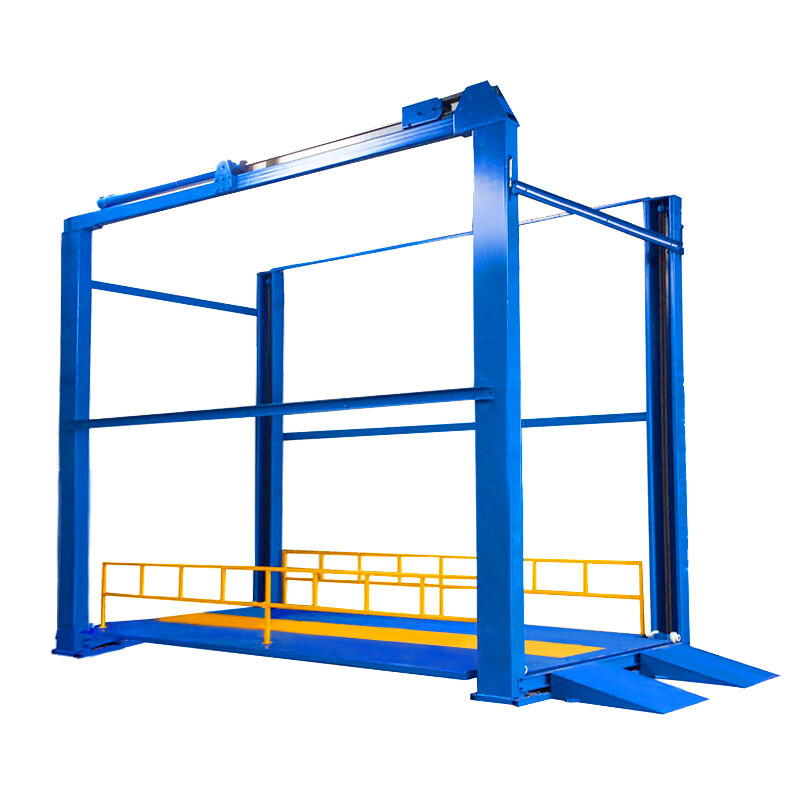
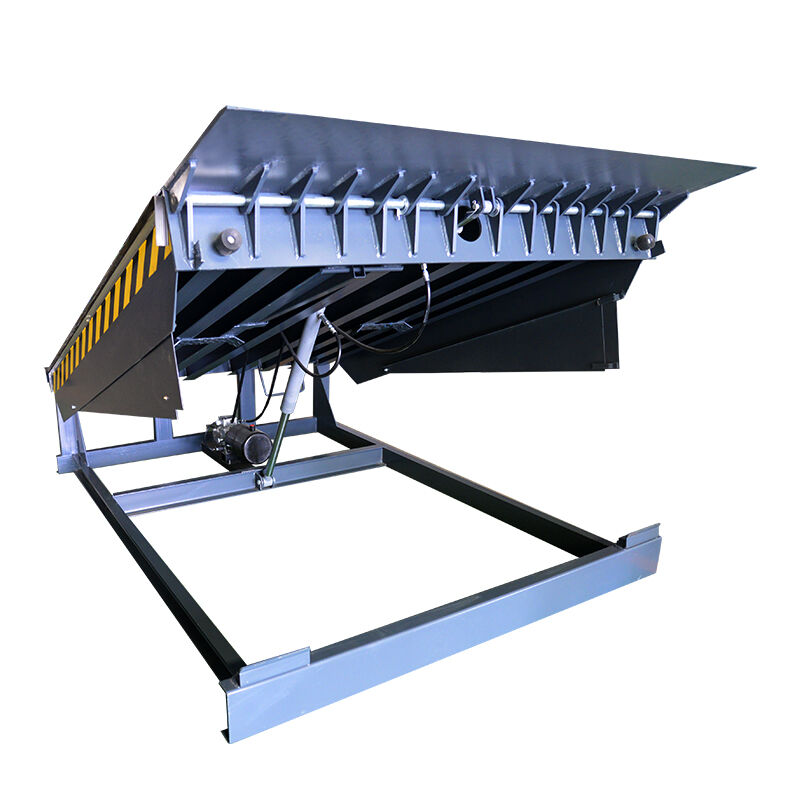
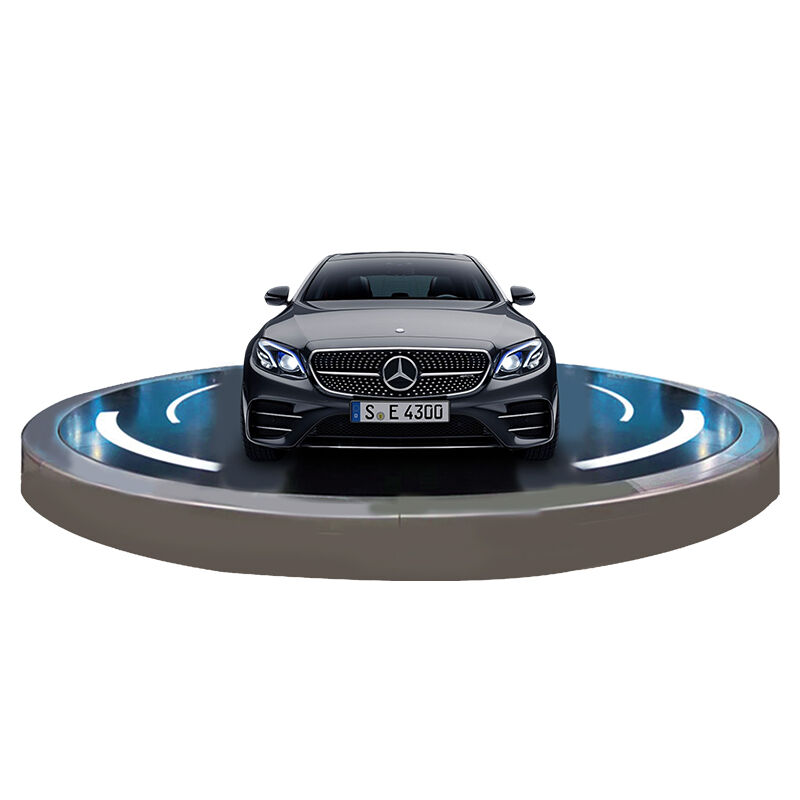
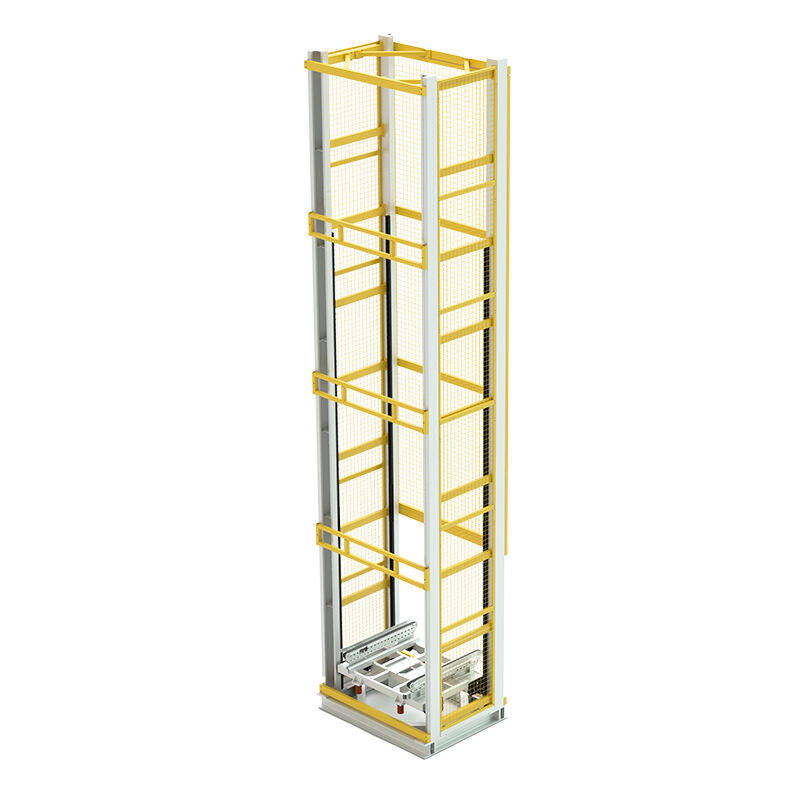
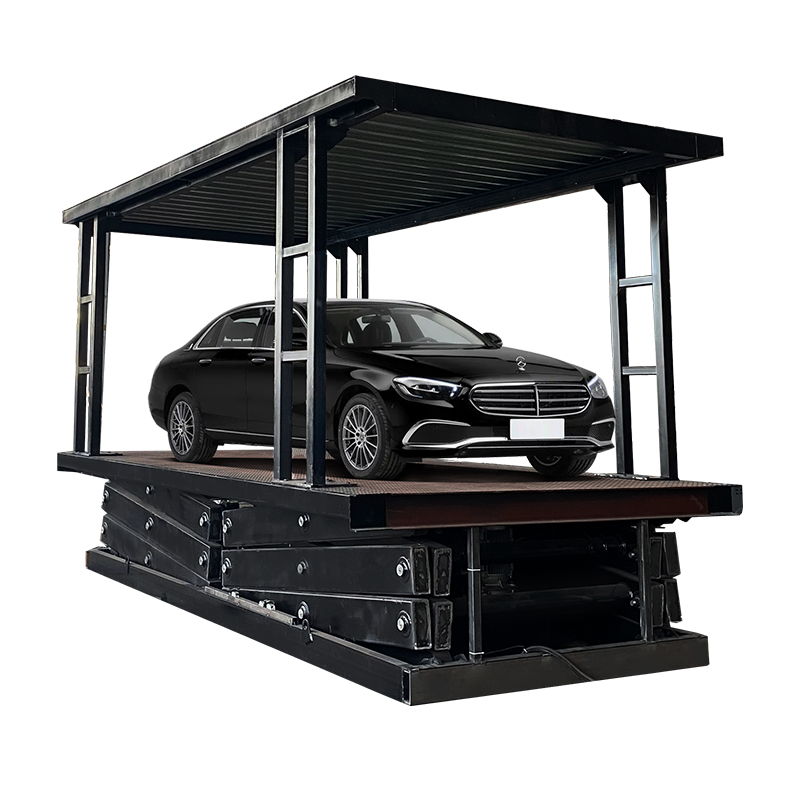
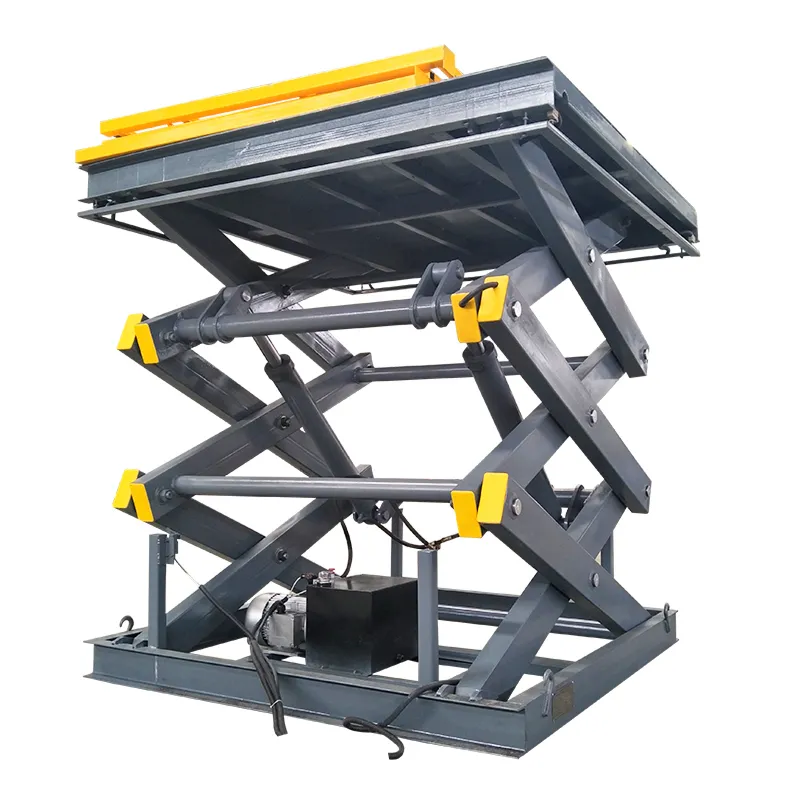
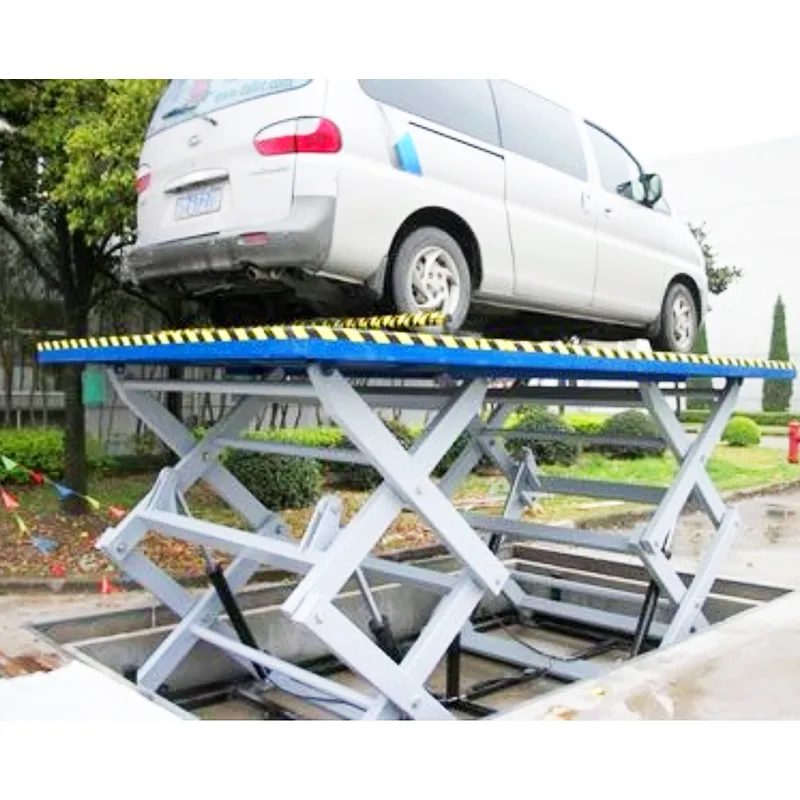
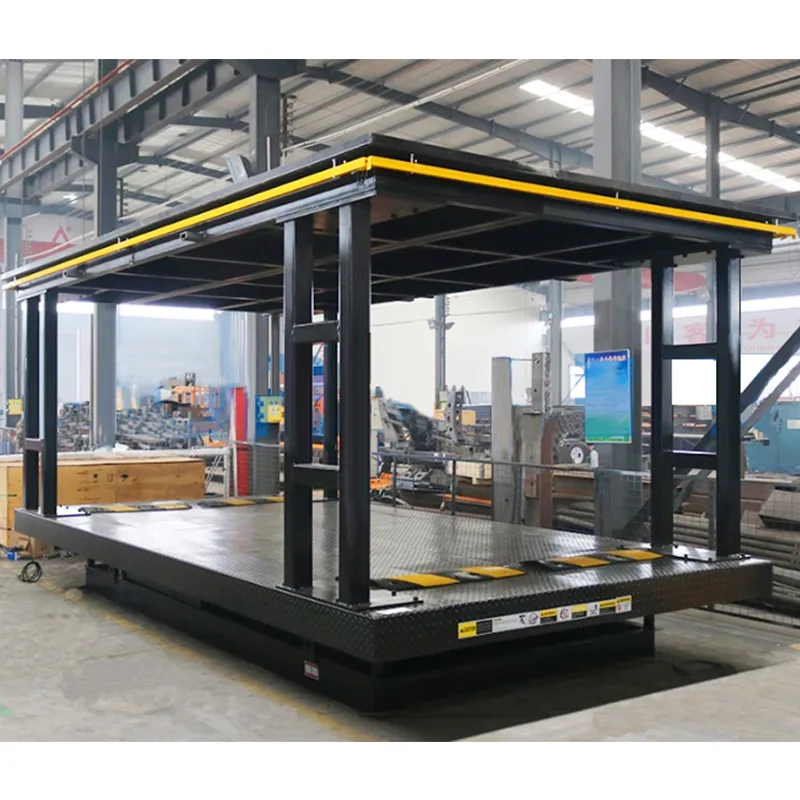
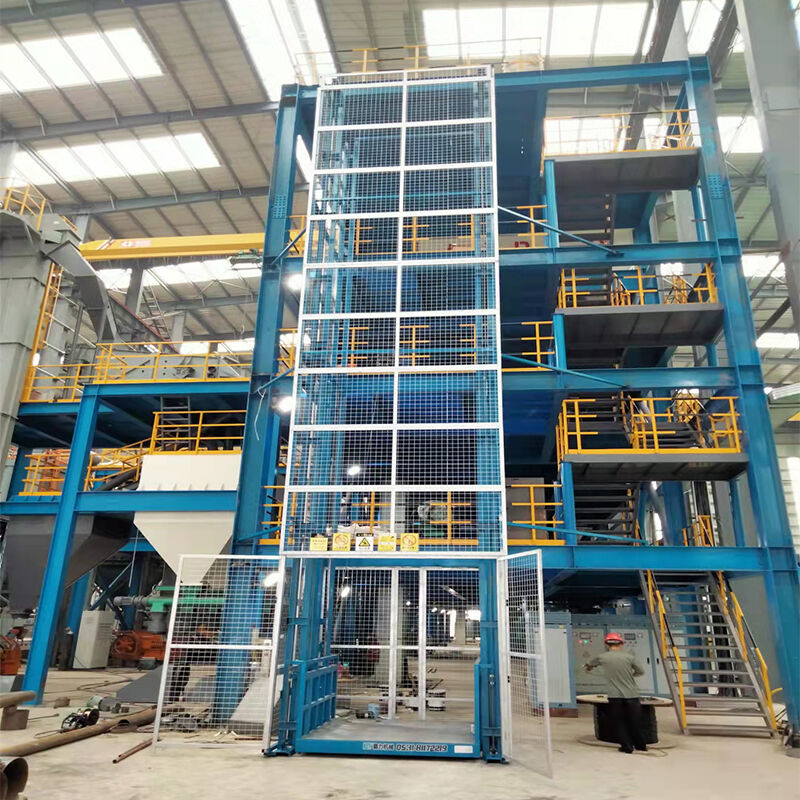
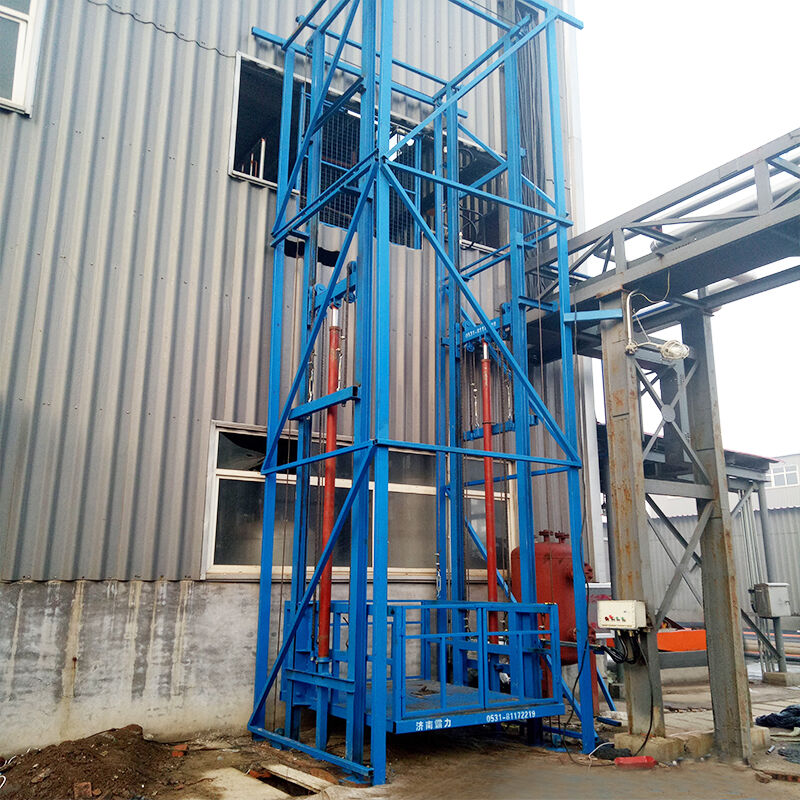
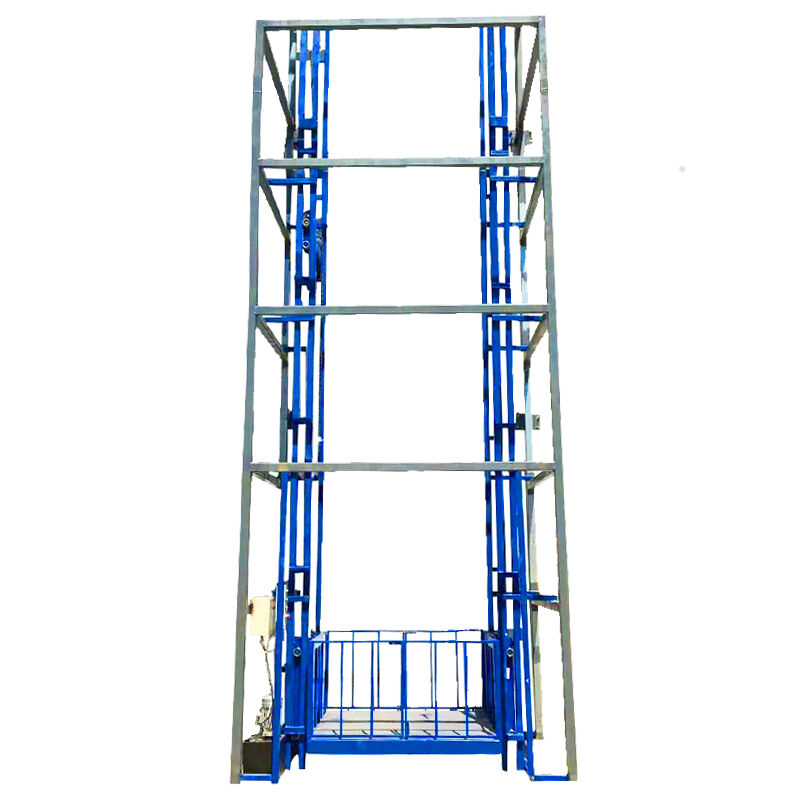
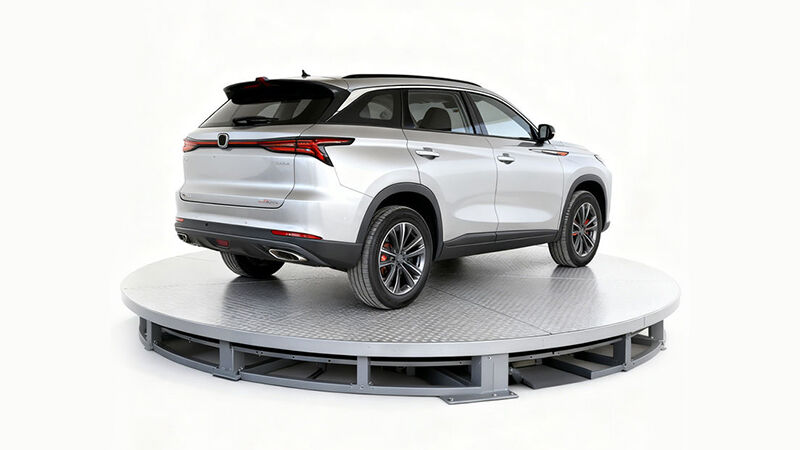
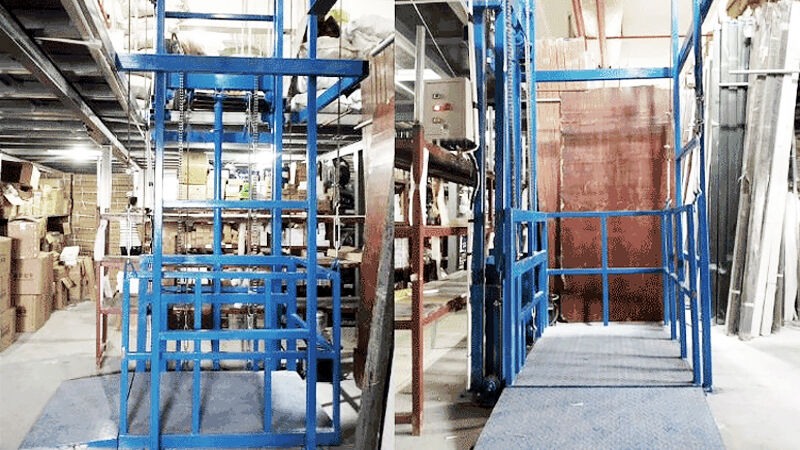
Memahami harga lift kargo memerlukan penelaahan terhadap proposisi nilai komprehensif yang ditawarkan sistem pengangkat khusus ini di berbagai industri. Lift kargo merupakan peralatan penting yang dirancang khusus untuk mengangkut material berat, barang, dan peralatan antar tingkat bangunan secara efisien dan aman. Harga lift kargo mencerminkan solusi rekayasa canggih yang menggabungkan bahan konstruksi kokoh, mekanisme keselamatan mutakhir, serta sistem kontrol presisi guna menyediakan transportasi vertikal yang andal untuk aplikasi komersial dan industri. Lift-lift ini umumnya dilengkapi kerangka baja yang diperkuat, sistem penggerak hidrolik atau traksi berdaya tinggi, serta platform luas yang mampu menampung beban berat mulai dari beberapa ratus hingga ribuan pound. Fitur teknologi yang terintegrasi dalam lift kargo modern meliputi pengendali logika terprogram (PLC), penggerak frekuensi variabel untuk operasi halus, sistem cadangan darurat, serta interlock keselamatan menyeluruh yang mencegah kecelakaan selama proses pemuatan dan pembongkaran. Model canggih dilengkapi layar digital, kemampuan pemantauan jarak jauh, serta komponen hemat energi yang mengurangi biaya operasional dalam jangka panjang. Harga lift kargo mencakup berbagai konfigurasi, termasuk lift barang untuk penanganan material umum, lift otomotif untuk transportasi kendaraan, serta unit khusus guna memenuhi kebutuhan industri tertentu seperti fasilitas manufaktur, gudang, usaha ritel, dan lokasi konstruksi. Aplikasinya mencakup berbagai sektor di mana perpindahan material secara vertikal menjadi esensial, antara lain pusat servis otomotif, pabrik manufaktur, fasilitas penyimpanan, toko ritel, serta gedung bertingkat yang memerlukan distribusi barang secara efisien. Pertimbangan instalasi yang memengaruhi harga lift kargo meliputi spesifikasi bangunan, kapasitas angkat yang dibutuhkan, jarak perjalanan, kebutuhan kelistrikan, serta kepatuhan terhadap peraturan bangunan setempat. Penilaian profesional menentukan ukuran, penempatan, dan konfigurasi optimal guna memaksimalkan efisiensi operasional sekaligus menjamin kepatuhan regulasi serta keandalan jangka panjang sepanjang siklus hidup peralatan.
 EN
EN