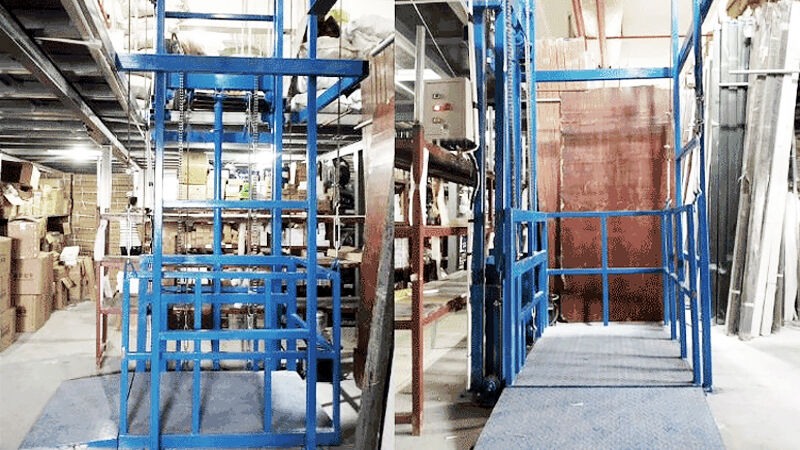
Industrial Freight Elevator Solutions: Heavy-Duty Vertical Transportation Systems for Commercial & Industrial Applications

Get a Free Quote

Our representative will contact you soon.
Email
Mobile/WhatsApp
Name
Company Name
Message
0/1000

industrial freight elevator

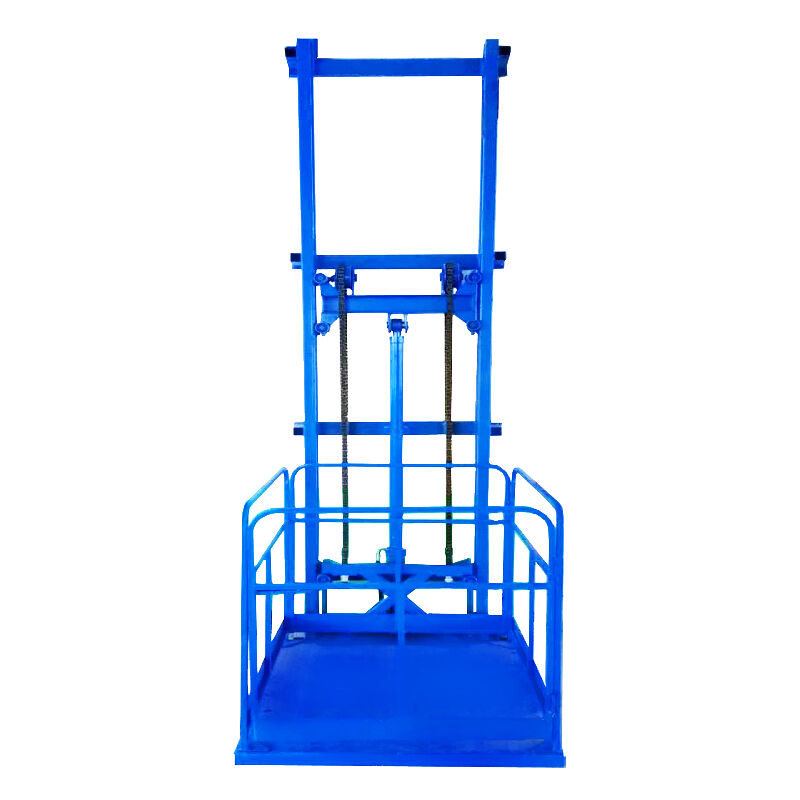
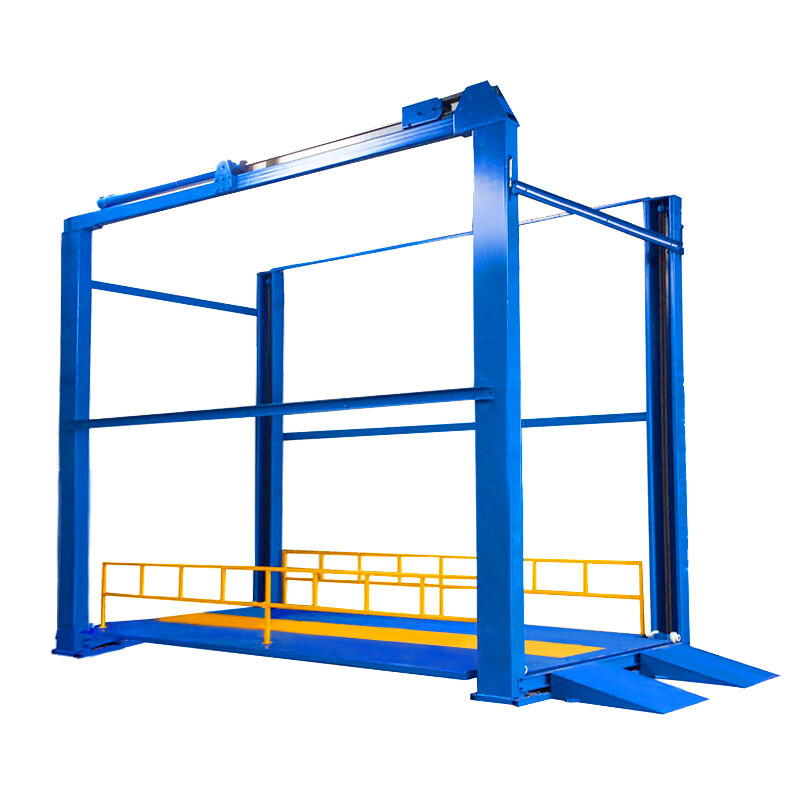
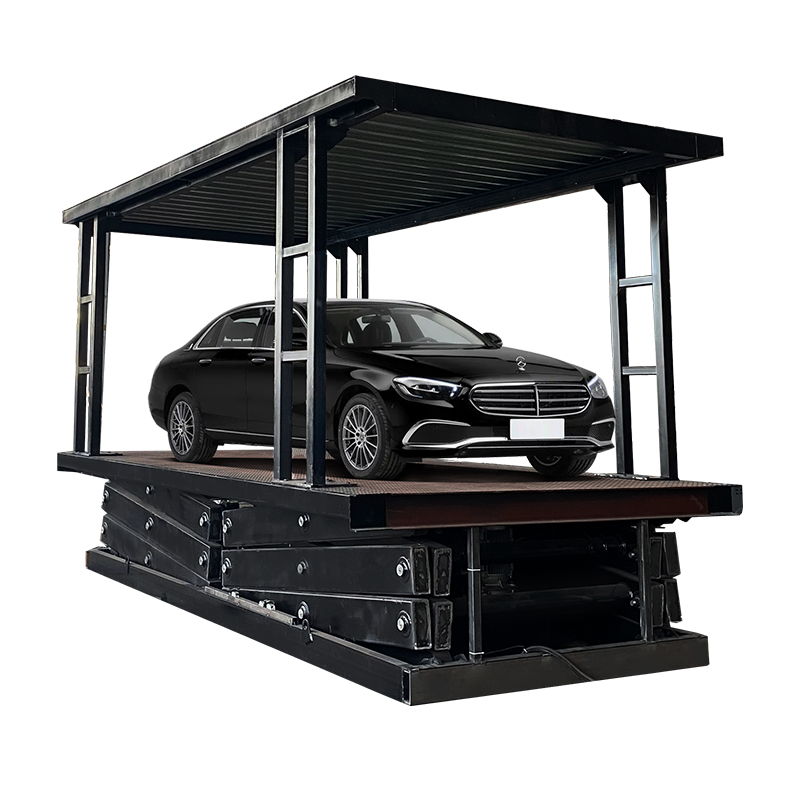
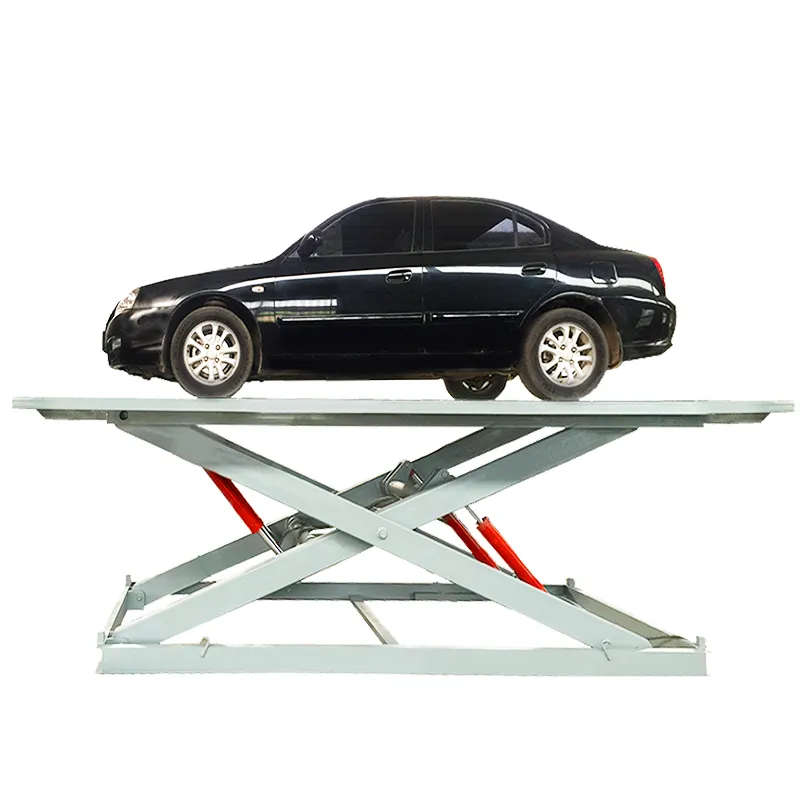
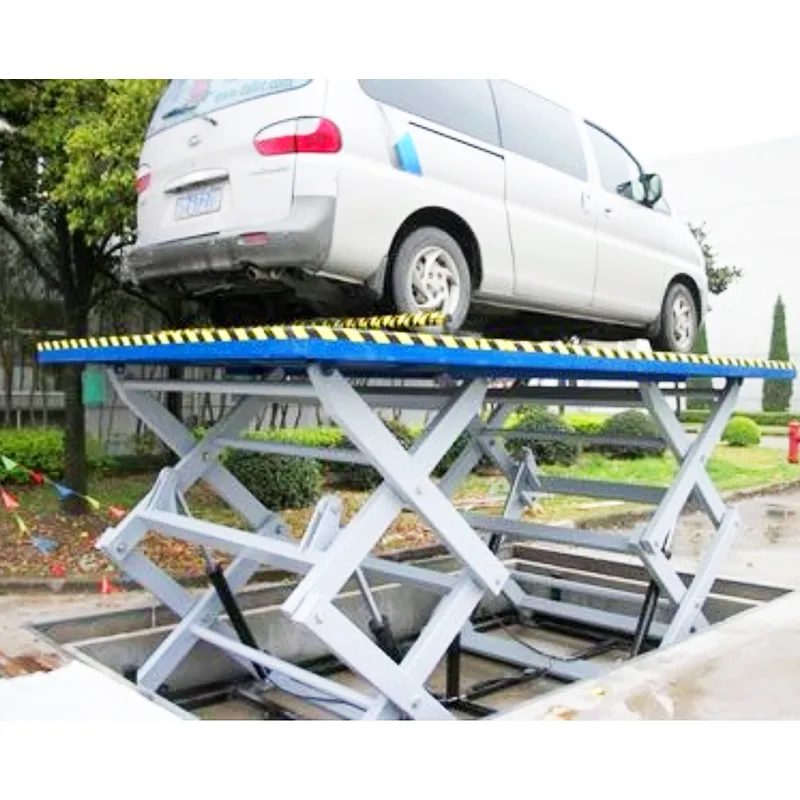
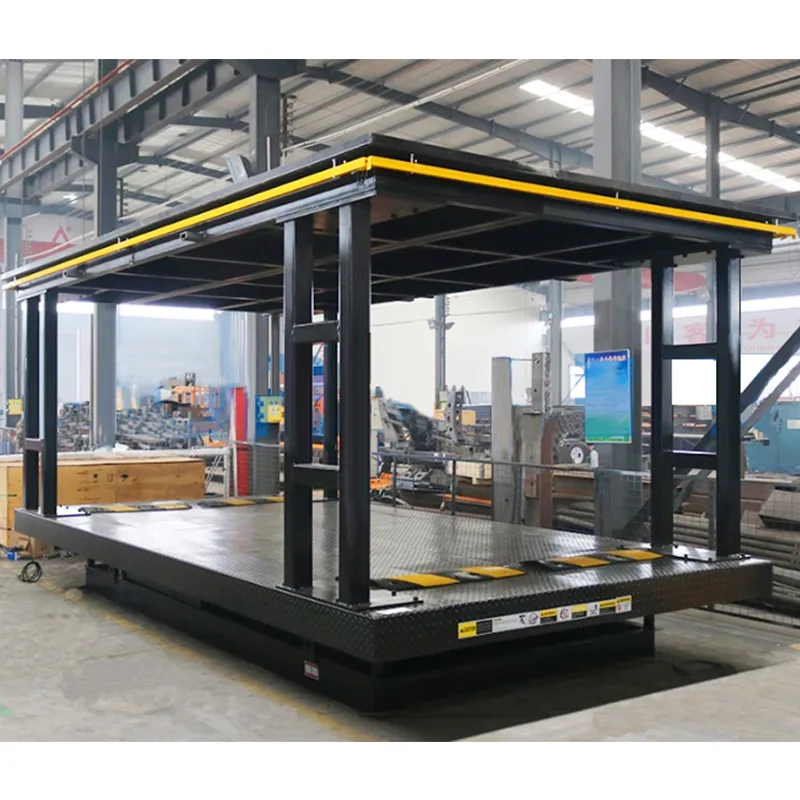
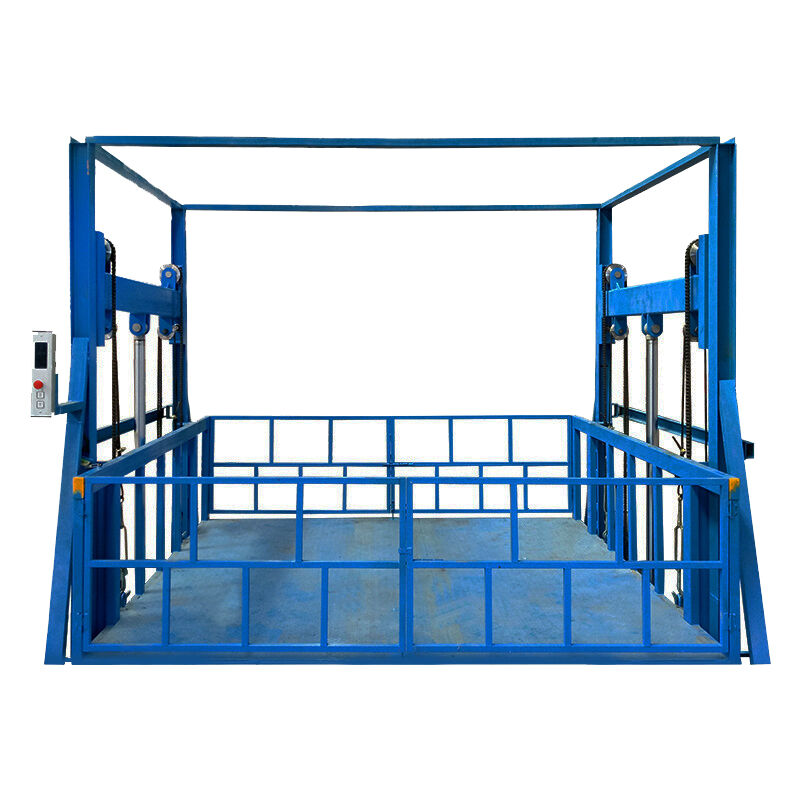
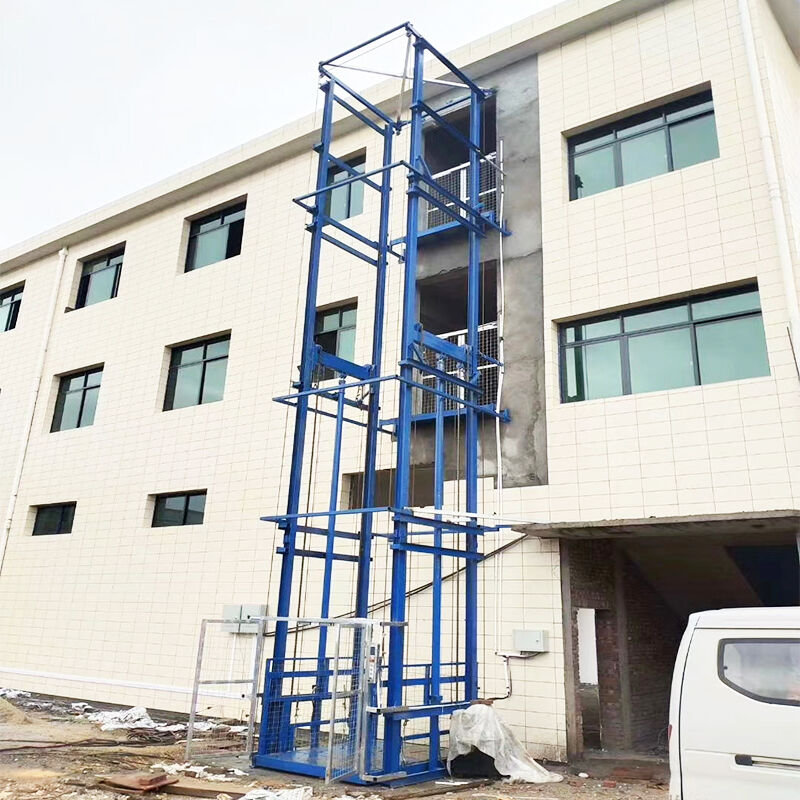
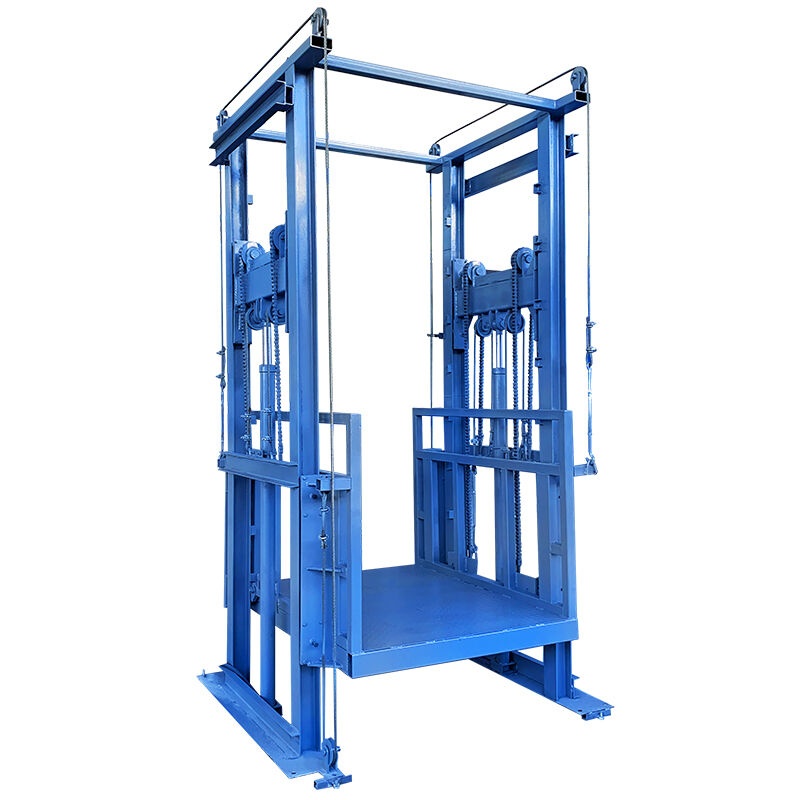
An industrial freight elevator serves as a specialized vertical transportation system designed specifically for moving heavy cargo, materials, and equipment between different floors in commercial and industrial facilities. These robust mechanical systems excel at handling substantial weight loads that far exceed the capacity of standard passenger elevators, making them indispensable for warehouses, manufacturing plants, distribution centers, and multi-story industrial buildings. The primary function of an industrial freight elevator revolves around efficient vertical material handling, enabling businesses to streamline their logistics operations and maximize productivity across multiple building levels. Modern industrial freight elevator systems incorporate advanced hydraulic or traction drive mechanisms that deliver reliable performance under demanding operational conditions. The technological features of these systems include reinforced steel construction, heavy-duty guide rails, specialized door mechanisms, and sophisticated control systems that ensure precise positioning and smooth operation. Safety features represent a critical component, with emergency braking systems, overload protection, and comprehensive monitoring capabilities built into every unit. The elevator car itself features durable flooring materials, protective wall panels, and strategically positioned loading equipment to facilitate efficient cargo handling. Advanced control panels provide operators with intuitive interfaces for managing elevator functions, while programmable logic controllers enable automated operation sequences that reduce manual intervention requirements. Industrial freight elevator applications span numerous sectors, including automotive manufacturing facilities where heavy components require vertical transportation, food processing plants that move bulk ingredients between production levels, pharmaceutical companies handling sensitive materials, and retail distribution centers managing inventory across multiple floors. These systems prove particularly valuable in urban environments where space constraints necessitate vertical expansion, allowing businesses to maximize their operational footprint while maintaining efficient material flow patterns throughout their facilities.

Popular Products

Industrial freight elevator systems deliver substantial operational benefits that directly impact business efficiency and profitability. These specialized lifting solutions significantly reduce manual labor requirements by eliminating the need for workers to carry heavy materials up and down stairs, which drastically cuts labor costs while simultaneously improving workplace safety conditions. The time savings achieved through automated vertical transportation translates into faster production cycles, quicker order fulfillment, and enhanced overall productivity that gives businesses a competitive edge in their respective markets. Safety improvements represent another major advantage, as industrial freight elevator systems virtually eliminate the risk of worker injuries associated with manual material handling on stairs or ladders. The consistent, controlled movement provided by these systems ensures that valuable equipment and sensitive materials reach their destinations without damage, reducing replacement costs and minimizing production delays. Space optimization becomes possible when businesses install industrial freight elevator systems, as they can efficiently utilize vertical space rather than expanding horizontally, which often proves more cost-effective in urban locations where real estate prices remain high. Energy efficiency features built into modern industrial freight elevator designs help reduce operational costs through optimized power consumption patterns and regenerative braking systems that capture and reuse energy during descent cycles. The reliability of these systems ensures minimal downtime, which protects businesses from costly production interruptions that can occur when manual material handling methods fail to meet demand requirements. Scalability represents another significant advantage, as industrial freight elevator systems can accommodate growing business needs through capacity upgrades and system modifications without requiring complete replacement of the entire installation. Maintenance requirements remain relatively low compared to complex conveyor systems, and the longevity of well-built industrial freight elevator installations provides excellent return on investment over extended operational periods. The versatility of these systems allows them to handle diverse cargo types, from palletized goods to specialized equipment, making them suitable for businesses that deal with varied material handling requirements throughout their operations.

Practical Tips

What Are the Advantages of Choosing a Custom Lift Manufacturer?

05

Mar

What Are the Advantages of Choosing a Custom Lift Manufacturer?

When businesses need vertical transportation solutions, they often face a critical decision: choose a standard, off-the-shelf lift system or partner with a custom lift manufacturer. While pre-engineered lifts may seem like the simpler option, working...
View More
Why Are Stationary Scissor Lifts Popular in Manufacturing Plants?

16

Mar

Why Are Stationary Scissor Lifts Popular in Manufacturing Plants?

Manufacturing plants worldwide have increasingly turned to stationary scissor lifts as essential equipment for their vertical material handling and access needs. These robust hydraulic platforms have become indispensable in modern industrial operatio...
View More
How Do Car Lifts for Home Garage Add Value to Real Estate Projects?

20

Mar

How Do Car Lifts for Home Garage Add Value to Real Estate Projects?

Car lifts for home garage installations have emerged as a premium feature that significantly enhances property value in today's competitive real estate market. These sophisticated automotive storage solutions transform ordinary residential garages in...
View More
What Are the Key Benefits of Installing a Goods Lift in Factories?

30

Mar

What Are the Key Benefits of Installing a Goods Lift in Factories?

In today’s highly competitive industrial environment, factories are under constant pressure to improve operational efficiency, reduce labor costs, and ensure workplace safety. One of the most practical solutions adopted by modern manufactu...
View More

Get a Free Quote

Our representative will contact you soon.
Email
Mobile/WhatsApp
Name
Company Name
Message
0/1000

industrial freight elevator

Heavy-Duty Load Capacity and Structural Integrity

Heavy-Duty Load Capacity and Structural Integrity

The exceptional load-bearing capabilities of industrial freight elevator systems set them apart from conventional lifting solutions, with many models capable of handling loads ranging from 2,000 to 20,000 pounds or more depending on specific design requirements and structural configurations. This remarkable capacity stems from engineered steel frameworks that utilize high-strength materials and reinforced construction techniques specifically designed to withstand the stresses associated with heavy industrial applications. The structural integrity of these systems relies on precision-manufactured guide rails, robust support columns, and carefully calculated weight distribution systems that ensure stable operation even under maximum load conditions. Advanced hydraulic cylinders or traction mechanisms provide the lifting power necessary to move substantial weights smoothly and efficiently, while sophisticated control systems monitor load distribution and automatically adjust operational parameters to maintain optimal performance. The durability of industrial freight elevator components reflects extensive testing and quality control processes that verify their ability to perform reliably under demanding operational conditions over extended periods. Heavy-duty door mechanisms feature reinforced hinges, industrial-grade seals, and motorized operation systems that can withstand frequent use while maintaining proper alignment and sealing capabilities. The elevator car itself incorporates thick steel flooring, protective wall panels, and strategically positioned anchor points that accommodate various securing methods for different types of cargo. Safety features include overload protection systems that prevent operation when weight limits are exceeded, emergency stop mechanisms that can halt movement immediately if problems arise, and backup power systems that ensure safe operation during power outages. This combination of robust construction, advanced engineering, and comprehensive safety features makes industrial freight elevator systems ideal for businesses that regularly handle heavy equipment, bulk materials, or oversized items that would be impossible to move efficiently through other means.
Advanced Control Systems and Automation Integration

Advanced Control Systems and Automation Integration

Modern industrial freight elevator installations incorporate sophisticated control systems that leverage programmable logic controllers, touch-screen interfaces, and network connectivity to deliver precise operational control and seamless integration with existing facility management systems. These advanced control platforms enable operators to program complex movement sequences, set operational parameters, and monitor system performance through intuitive graphical interfaces that require minimal training to master effectively. The automation capabilities of contemporary industrial freight elevator systems extend beyond basic up-and-down movement to include automated loading sequences, scheduled maintenance alerts, and integration with warehouse management systems that optimize material flow throughout multi-level facilities. Remote monitoring capabilities allow facility managers to track elevator usage patterns, identify potential maintenance needs before problems develop, and generate detailed operational reports that support data-driven decision making processes. Variable frequency drives provide smooth acceleration and deceleration profiles that protect sensitive cargo while optimizing energy consumption patterns, and regenerative braking systems capture kinetic energy during descent operations to reduce overall power requirements. Safety integration features include emergency communication systems, automatic fire service recall functions, and seismic detection capabilities that ensure safe operation under various emergency conditions. The control systems also support multiple operational modes, including manual control for specialized applications, automatic operation for routine material handling tasks, and maintenance mode for service activities. Network connectivity enables integration with building management systems, allowing coordinated operation with other facility systems such as HVAC, lighting, and security systems. Diagnostic capabilities built into the control systems provide real-time monitoring of critical components, predictive maintenance alerts based on operational data, and comprehensive fault detection that helps prevent unexpected downtime. These advanced technological features combine to create industrial freight elevator systems that not only move materials efficiently but also contribute to overall facility optimization and operational intelligence.
Versatile Applications and Customization Options

Versatile Applications and Customization Options

The remarkable versatility of industrial freight elevator systems enables their successful deployment across diverse industries and applications, from automotive manufacturing facilities that require precise positioning of heavy engine blocks to pharmaceutical companies that need contamination-free vertical transportation of sensitive materials. Customization options available for these systems allow businesses to tailor specifications to their exact operational requirements, including specialized car dimensions, unique door configurations, specific load distribution features, and environmental protection measures suitable for their particular industry conditions. Food processing facilities benefit from stainless steel construction options, sealed electrical components, and wash-down capabilities that meet stringent hygiene standards while maintaining reliable operation in demanding processing environments. Hazardous material handling applications can incorporate explosion-proof electrical systems, specialized ventilation requirements, and containment features that ensure safe transportation of dangerous substances between facility levels. The flexibility of industrial freight elevator designs accommodates various installation constraints, including tight space requirements, unusual building configurations, and retrofit applications in existing structures where standard elevator solutions would not be feasible. Load platform configurations can be customized to handle specific cargo types, with options including removable decking systems, specialized anchoring points, hydraulic leveling platforms, and automated loading mechanisms that integrate with conveyor systems or robotic material handling equipment. Door systems offer multiple configuration options, including bi-parting doors for wide openings, vertical lift doors for maximum opening height, and specialized access doors that accommodate unusual cargo shapes or loading equipment requirements. Environmental considerations can be addressed through climate control integration, corrosion-resistant materials for outdoor installations, and energy-efficient components that reduce operational costs while meeting sustainability objectives. Service and maintenance access features can be customized to match facility maintenance practices, with options including remote diagnostic capabilities, predictive maintenance systems, and specialized service platforms that facilitate routine maintenance activities. These extensive customization capabilities ensure that industrial freight elevator systems can be precisely matched to specific operational requirements, providing optimal performance and value for businesses across virtually any industry that requires efficient vertical material transportation solutions.

Get a Free Quote

Our representative will contact you soon.
Email
Mobile/WhatsApp
Name
Company Name
Message
0/1000