EN
EN


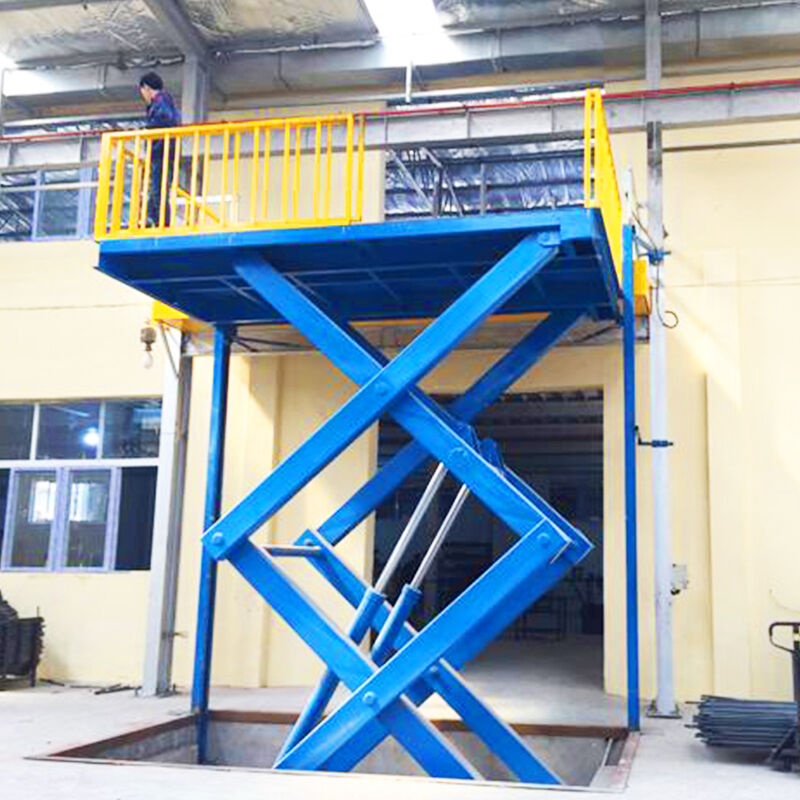
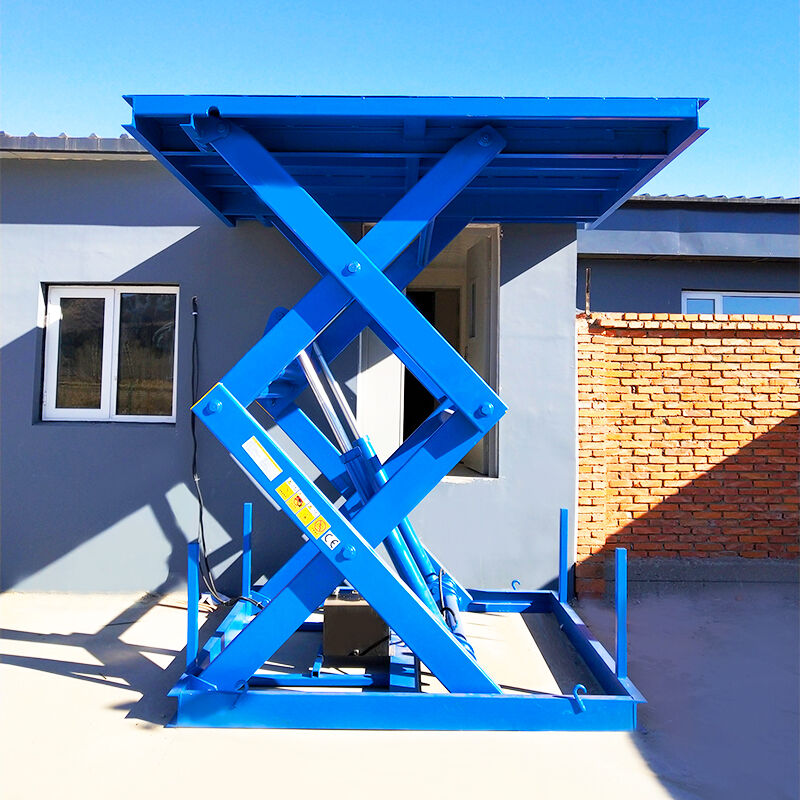
A stationary scissor lift can absolutely increase productivity in logistics operations, provided it is matched correctly to the facility's workflow demands. Unlike mobile alternatives, a stationary scissor lift is fixed at a strategic point in the loading or storage area, delivering consistent, repeatable vertical movement that saves workers significant time and physical effort throughout every shift. When a logistics operation relies on frequent height transitions — moving goods between dock floors, mezzanines, conveyor heights, or racking systems — the stationary scissor lift becomes a core piece of infrastructure rather than simply a convenience tool.
The connection between a stationary scissor lift and measurable productivity gains is well established in warehouse and distribution center environments. A stationary scissor lift reduces the number of manual lifts workers must perform, shortens the time needed to load or unload vehicles, and eliminates the bottlenecks that develop when teams wait for portable equipment to be repositioned. For logistics managers evaluating equipment investments, understanding exactly how and when a stationary scissor lift delivers its highest value is essential to making a sound capital decision.
How a Stationary Scissor Lift Directly Reduces Operational Bottlenecks
Eliminating Height Mismatches at Loading Docks
One of the most persistent sources of inefficiency in logistics is the height mismatch between a truck bed and a warehouse floor. A stationary scissor lift installed at the dock can bridge this gap instantly, adjusting its platform height to match incoming vehicles without requiring workers to use ramps, step ladders, or manual pallet jacks repeatedly. Each time a stationary scissor lift eliminates this adjustment step, it removes seconds or even minutes from each loading cycle. When multiplied across dozens of truck movements per day, the productivity impact of the stationary scissor lift is substantial. Facilities that integrate a stationary scissor lift at busy docks routinely report faster turnaround times and fewer worker fatigue-related slowdowns during peak periods.
Supporting Continuous Workflow Between Floor Levels
Many modern logistics centers use multi-level storage configurations where goods must travel vertically as part of the standard picking and packing process. A stationary scissor lift positioned between floor levels allows operators to move pallets, totes, or heavy crates vertically in a single controlled motion. Without a stationary scissor lift in these positions, workers often resort to forklifts for every vertical transfer, creating congestion in tight aisles and increasing the risk of collision or product damage. The stationary scissor lift handles vertical transfers more quietly, more precisely, and with a smaller operational footprint than a forklift, making it the preferred solution in space-constrained environments. Consistent access to a stationary scissor lift at key transition points keeps goods moving without the delays that arise from equipment conflicts.
The Role of a Stationary Scissor Lift in Worker Safety and Efficiency
Reducing Physical Strain and Injury Risk
Productivity in logistics is not only about speed — it is also about sustaining output safely over long shifts and across a full workforce. A stationary scissor lift reduces the physical demands placed on workers by eliminating repetitive bending, lifting, and reaching at awkward heights. When a stationary scissor lift brings the load to an ergonomically comfortable working height, workers can handle goods faster and with less risk of musculoskeletal injury. Facilities that deploy a stationary scissor lift at key workstations often see a reduction in sick days and injury-related absences, which directly protects overall throughput. The stationary scissor lift therefore contributes to productivity not just in the moment but over the long term by protecting the workforce's physical capacity.
Enabling Consistent Output Regardless of Operator Experience
Another productivity advantage of the stationary scissor lift is that it standardizes the physical environment for all operators regardless of their height, strength, or skill level. New workers can use a stationary scissor lift effectively with minimal training, reducing the onboarding time that often slows production when staff turnover is high. Experienced operators using a stationary scissor lift can maintain a steadier pace because they are not compensating for physical fatigue. The stationary scissor lift creates a level baseline for performance across the entire team, which smooths out the output variations that logistics managers typically struggle to manage during busy seasons.
Selecting the Right Stationary Scissor Lift Configuration for Logistics Use
Matching Platform Capacity and Travel Height to the Application
Not every stationary scissor lift configuration delivers the same productivity gains. A stationary scissor lift with insufficient load capacity will create safety concerns and operational limits that slow throughput rather than improving it. Matching the stationary scissor lift platform size to the pallets or containers being handled ensures that each lift cycle moves the maximum useful load. Travel height is equally critical — a stationary scissor lift that cannot reach the required working height forces operators to perform additional handling steps, negating the efficiency benefit. When selecting a stationary scissor lift, logistics planners should audit the actual height transitions in the facility and specify equipment that covers those ranges with a reasonable safety margin.
Integrating the Stationary Scissor Lift Into the Facility Layout
The placement of a stationary scissor lift within the facility layout is as important as the equipment specification itself. A stationary scissor lift placed at a poorly chosen location can create new traffic bottlenecks even while solving the vertical transfer problem. Effective integration means positioning the stationary scissor lift at natural workflow intersections where vertical transfers occur most frequently. Access for pallet jacks, forklifts, and hand trucks approaching the stationary scissor lift must be considered in the layout plan. A well-positioned stationary scissor lift becomes a seamless node in the logistics flow, while a poorly positioned one adds handling steps that erode the productivity gains the equipment was meant to create.
FAQ
What types of logistics operations benefit most from a stationary scissor lift?
Operations with high-frequency vertical transfers benefit most from a stationary scissor lift. These include distribution centers with multi-level picking, loading docks handling varied truck heights, and production facilities transferring goods between assembly and storage levels. Any environment where workers repeatedly move heavy loads to different heights is a strong candidate for a stationary scissor lift installation.
How does a stationary scissor lift compare to a forklift for vertical transfers?
A stationary scissor lift is designed for fixed-point vertical transfers and does not replace a forklift for horizontal movement. However, at dedicated transfer stations, a stationary scissor lift operates more quietly, requires less operator certification, and takes up less aisle space. For repetitive fixed-point lifting tasks, a stationary scissor lift is often faster and safer than routing a forklift to the same location multiple times per hour.
What maintenance does a stationary scissor lift typically require in a logistics environment?
A stationary scissor lift in continuous logistics use requires regular inspection of hydraulic fluid levels, scissor arm pivot points, platform safety locks, and electrical controls. Most stationary scissor lift systems are designed for low-maintenance operation, but a scheduled inspection program ensures the equipment remains reliable during peak periods when unplanned downtime is most costly. Following the manufacturer's maintenance intervals keeps the stationary scissor lift performing safely and consistently.