EN
EN


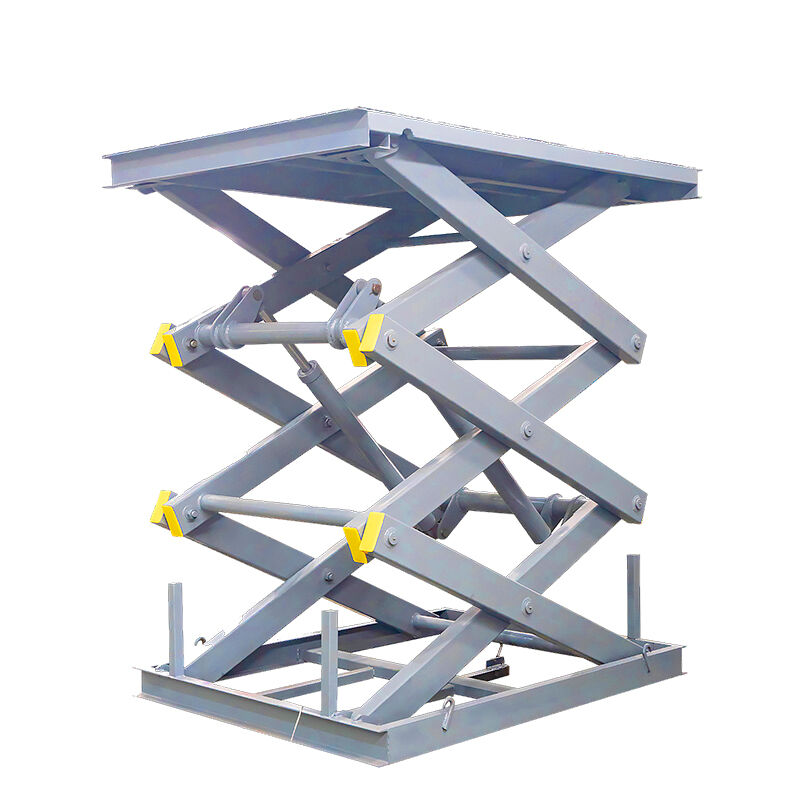
A stationary scissor lift is one of the most practical investments a factory can make when optimizing its internal workflow. Unlike mobile lifting equipment, a stationary scissor lift is fixed at a specific workstation, providing consistent, reliable vertical movement of loads, materials, and even personnel. Factories that deal with repetitive loading, assembly, or packaging operations benefit enormously from integrating a stationary scissor lift into their production lines.
Understanding how a stationary scissor lift contributes to workflow improvement requires looking beyond just its lifting function. A stationary scissor lift directly affects ergonomics, throughput speed, worker safety, and process consistency. When placed at the right point in a factory layout, a stationary scissor lift eliminates unnecessary motion, reduces strain injuries, and allows workers to focus on their core tasks rather than managing awkward load positions. This article explores exactly how a stationary scissor lift achieves these gains across different factory environments.
Ergonomic Benefits of a Stationary Scissor Lift
Reducing Worker Strain at Fixed Workstations
One of the most immediate workflow improvements a stationary scissor lift delivers is the reduction of physical strain on factory workers. When employees repeatedly bend, reach, or lift heavy items at awkward angles, fatigue accumulates quickly, slowing output and raising injury risk. A stationary scissor lift addresses this by raising or lowering the work surface to match the ideal ergonomic height for each worker and each task. With a stationary scissor lift in place, workers maintain a neutral body posture throughout their shift, which directly reduces fatigue and error rates.
The ergonomic advantage of a stationary scissor lift is especially visible in assembly lines where the same motion is repeated hundreds of times per day. A stationary scissor lift keeps components at the optimal height at all times, meaning workers spend less energy repositioning materials and more energy on productive assembly work. Over time, the stationary scissor lift contributes to lower absenteeism and higher output per hour.
Height Adjustability for Multi-Task Workstations
Modern factory workstations often handle multiple product types or process stages. A stationary scissor lift supports this flexibility by allowing operators to adjust platform height with minimal effort. Whether the task shifts from loading heavy pallets to assembling small components, the stationary scissor lift can be repositioned quickly to suit the new requirement. This adaptability makes the stationary scissor lift a long-term asset rather than a single-purpose tool, which is a key reason factory managers consistently choose it for permanent workstation upgrades.
How a Stationary Scissor Lift Accelerates Material Flow
Streamlining Loading and Unloading Operations
Material handling is often the hidden bottleneck in factory productivity. When workers must manually shift goods between floor level and elevated conveyors, trucks, or racking systems, the process is slow and error-prone. A stationary scissor lift eliminates this bottleneck by providing a powered vertical transition point. At a loading dock or transfer station, a stationary scissor lift raises palletized goods to the exact height needed for smooth transfer, eliminating the need for manual lifting or makeshift ramps. The result is faster cycle times across the entire material flow chain.
A stationary scissor lift also reduces the risk of product damage during handling. When goods are manually transferred at mismatched heights, drops and impacts are common. The controlled, smooth elevation provided by a stationary scissor lift removes this risk and keeps goods intact through every stage of internal logistics. For factories handling fragile components or finished goods, this protection translates directly into reduced waste and rework costs.
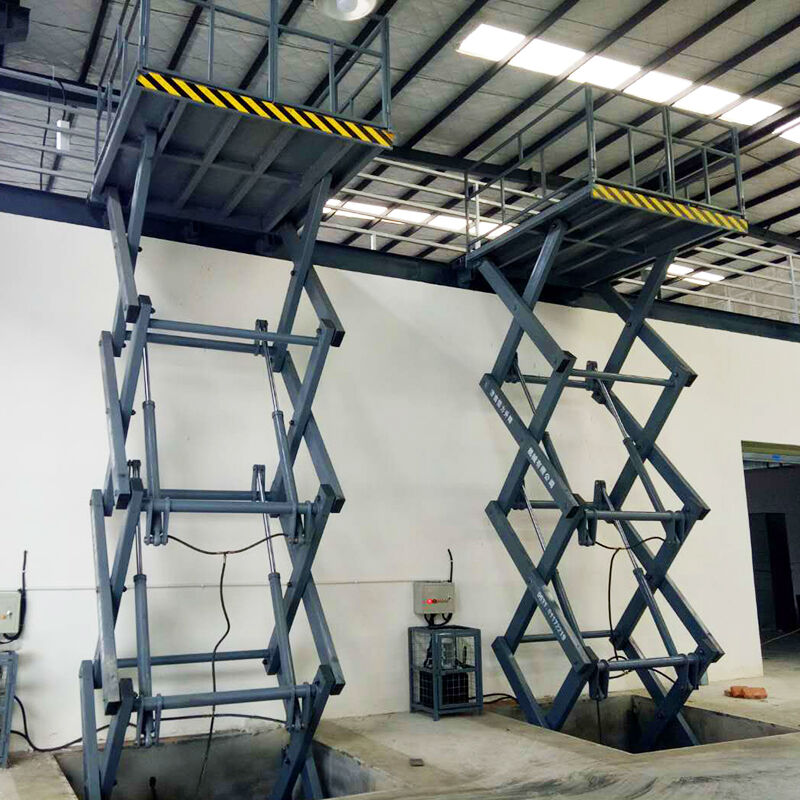
Integration with Conveyors and Production Lines
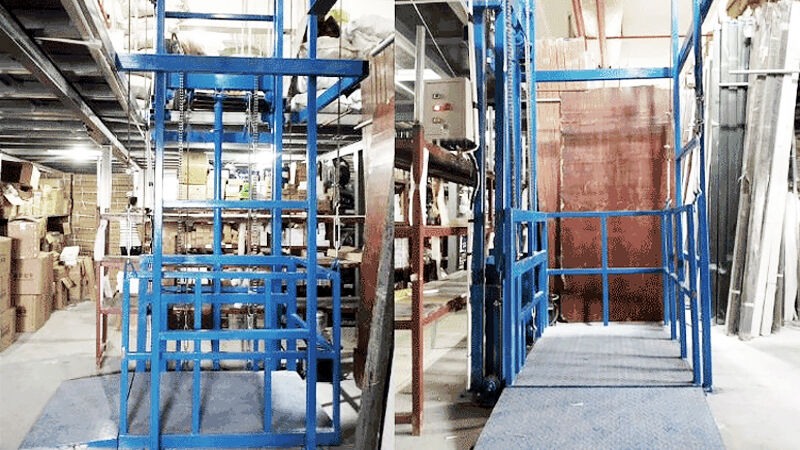
A stationary scissor lift can be configured to work in direct coordination with conveyor systems, roller tables, and automated production lines. When a stationary scissor lift is installed flush with a conveyor at one height and set to rise to meet a second conveyor at a higher level, goods flow continuously without manual intervention. This integration is a key reason the stationary scissor lift is favored in high-volume manufacturing, warehousing, and food processing environments. The stationary scissor lift becomes a functional bridge between different elevation zones within the factory, keeping material flow smooth and uninterrupted.
Safety and Compliance Gains from a Stationary Scissor Lift
Minimizing Injury Risk in High-Traffic Factory Areas
Factory safety compliance is not optional, and the stationary scissor lift plays a direct role in reducing reportable incidents. Manual lifting of heavy loads is among the leading causes of workplace injury in industrial settings. By automating the vertical movement of materials, a stationary scissor lift removes the need for risky manual handling. Workers no longer need to lift loads that exceed safe weight limits, and the risk of slips, trips, and dropped loads is substantially reduced when a stationary scissor lift handles the elevation change.
The stationary scissor lift also supports a cleaner, more organized factory floor. Because materials are moved vertically by the stationary scissor lift rather than carried across the floor, aisles remain clear, reducing collision risks with forklifts and other equipment. A well-positioned stationary scissor lift essentially reorganizes material flow to eliminate dangerous crossing patterns that are common in busy production environments.
Compliance with Occupational Health Standards
Many countries and industries require employers to provide mechanical assistance for loads above a specified weight threshold. A stationary scissor lift directly supports compliance with these occupational health and safety regulations. Factories that invest in a stationary scissor lift demonstrate a proactive approach to worker protection, which can reduce insurance costs, regulatory penalties, and liability exposure. The stationary scissor lift is therefore both a productivity tool and a compliance asset that serves the factory at multiple levels simultaneously.
FAQ
What load capacities are typical for a stationary scissor lift in a factory setting?
A stationary scissor lift for industrial use typically supports loads ranging from 500 kg to over 5,000 kg, depending on the platform size and hydraulic configuration. The right stationary scissor lift capacity depends on the specific materials being handled, the frequency of use, and the required lift height at each workstation.
Can a stationary scissor lift be customized to fit an existing production line?
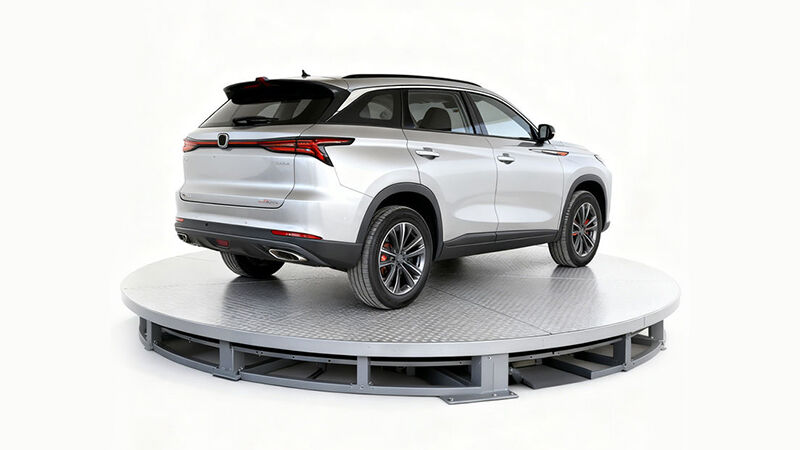
Yes, a stationary scissor lift can be engineered to match specific platform dimensions, lift heights, and control configurations. Many manufacturers offer stationary scissor lift units with integrated roller tops, turntables, or flush-mount pit installations to align precisely with existing conveyors and workflow layouts.
How does a stationary scissor lift compare to a mobile scissor lift for factory use?
A stationary scissor lift is designed for fixed-position, high-frequency use at a dedicated workstation, offering higher load capacity and more precise integration with production systems. A mobile scissor lift provides flexibility across different locations but is better suited for occasional lifting tasks rather than continuous workflow support. For factories with defined material flow paths, the stationary scissor lift consistently delivers better efficiency and lower long-term operating costs.