EN
EN


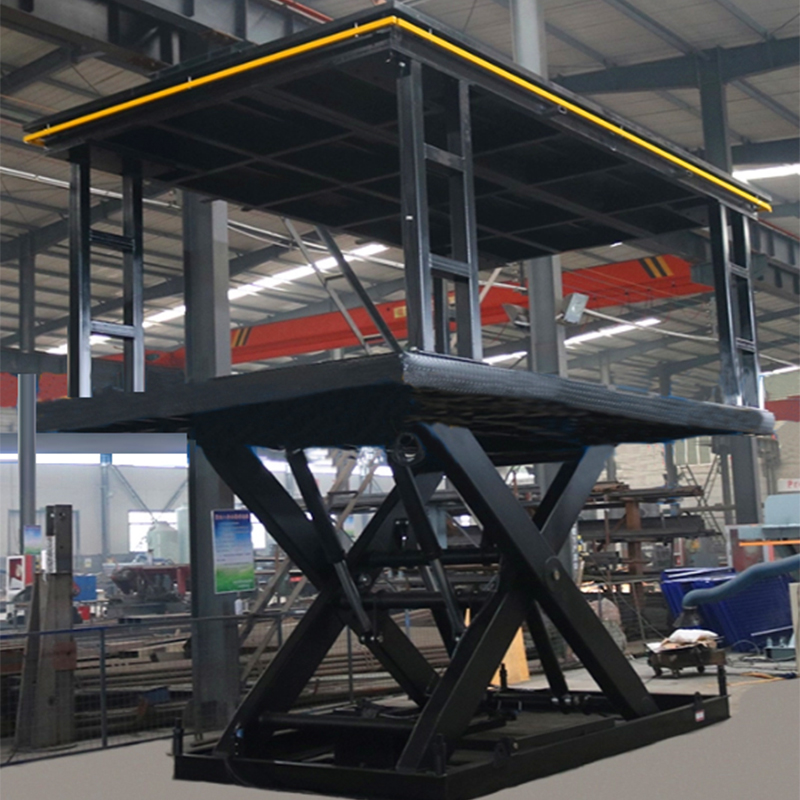
A stationary scissor lift is one of the most practical investments a warehouse facility can make. Unlike mobile lifting equipment, a stationary scissor lift is permanently installed at a fixed position, making it ideal for repetitive vertical transfer tasks such as loading docks, production lines, and material staging areas. Understanding the specific benefits of a stationary scissor lift helps warehouse managers justify the investment and choose the right configuration for their operation.
Warehouses operate under constant pressure to move goods quickly, safely, and cost-effectively. A stationary scissor lift addresses all three of these demands simultaneously. From reducing manual handling injuries to accelerating throughput at loading bays, a stationary scissor lift delivers measurable operational value that mobile alternatives simply cannot match when the workflow is fixed and repetitive. This article explores the key benefits of a stationary scissor lift and why it continues to be a preferred solution across warehouse environments worldwide.
Operational Efficiency Gains from a Stationary Scissor Lift
Faster Material Handling at Fixed Workstations
One of the most immediate benefits of a stationary scissor lift is the dramatic improvement in material handling speed. When a stationary scissor lift is installed at a loading dock or packing station, workers no longer need to manually lift, carry, or reposition heavy loads between height levels. The stationary scissor lift raises or lowers pallets, containers, and equipment to the exact ergonomic height required, allowing workers to focus entirely on the task rather than the physical strain of repositioning materials. Over a full shift, the time savings delivered by a stationary scissor lift accumulate significantly.
Because a stationary scissor lift operates at a fixed point in the workflow, it integrates smoothly with conveyor systems, pallet trucks, and forklift pathways. This fixed integration means the stationary scissor lift becomes a reliable node in the production or distribution flow, reducing bottlenecks and idle time. Warehouse teams that introduce a stationary scissor lift at high-traffic transfer points consistently report faster cycle times and reduced congestion.
Consistent Performance in High-Volume Environments
A stationary scissor lift is engineered for repetitive, high-cycle operation. Unlike portable lifting solutions that require repositioning, a stationary scissor lift is always ready at its installed location. This consistency is critical in high-volume warehouses where the stationary scissor lift may be activated hundreds of times per day. The robust construction of a quality stationary scissor lift ensures reliable performance even under heavy daily use, reducing unplanned downtime that would otherwise disrupt warehouse output.
Workplace Safety Improvements with a Stationary Scissor Lift
Reducing Manual Handling Injuries
Workplace injuries caused by manual lifting represent one of the most costly challenges in warehouse management. A stationary scissor lift directly reduces the physical demand placed on workers by eliminating the need to lift heavy loads manually between floor level and elevated work surfaces. When a stationary scissor lift handles vertical movement, workers are protected from back strain, repetitive stress injuries, and the risk of dropping heavy items. The presence of a stationary scissor lift at critical transfer points is a straightforward intervention that meaningfully lowers injury rates.
Safety regulations in many markets now mandate ergonomic solutions for heavy material handling. A stationary scissor lift provides a compliant, auditable solution that satisfies these requirements. Employers who install a stationary scissor lift demonstrate a clear commitment to workforce safety, which also supports staff retention and morale in physically demanding roles.
Stable Platform and Load Control
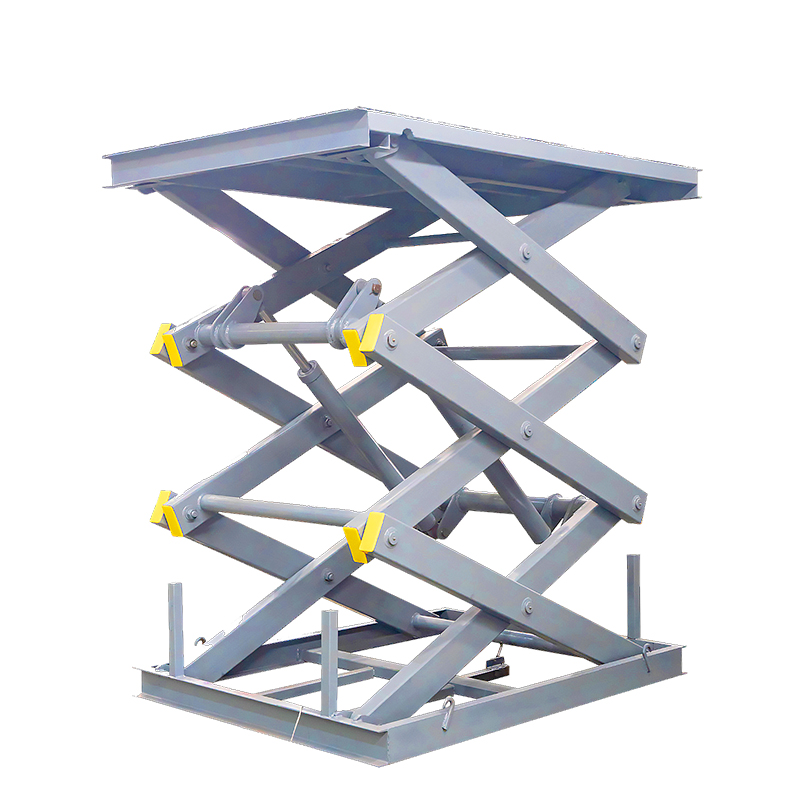
Unlike mobile elevated work platforms, a stationary scissor lift is anchored to the floor structure, providing exceptional stability under load. This fixed anchoring means the stationary scissor lift does not shift, tilt, or require outriggers during operation. For heavy or awkwardly shaped loads, a stationary scissor lift offers a controlled, stable lifting surface that minimizes the risk of load shifting or tipping. Safety features commonly built into a stationary scissor lift include safety skirts, mechanical lock bars, overload protection, and anti-descent valves, all of which contribute to a safer working environment.
Space and Cost Advantages of a Stationary Scissor Lift
Optimizing Vertical Space in the Warehouse
Modern warehouses must make full use of available vertical space to maximize storage capacity without expanding their physical footprint. A stationary scissor lift enables workers and materials to access elevated storage levels, mezzanine floors, and raised work platforms efficiently. By making vertical space accessible and safe, a stationary scissor lift directly increases the usable capacity of the warehouse without requiring additional square footage. This vertical access is one of the strongest long-term value propositions of a stationary scissor lift installation.
A stationary scissor lift installed at a mezzanine edge or between floor levels also removes the need for manual staircases or ramps in certain transfer applications. This clean integration saves floor space that would otherwise be occupied by fixed access structures, making a stationary scissor lift a space-efficient choice in compact warehouse layouts.
Long-Term Cost Savings Over Manual or Mobile Alternatives
While the initial investment in a stationary scissor lift may be higher than a portable lift table, the long-term cost savings are substantial. A stationary scissor lift reduces labor costs by enabling one worker to handle tasks that previously required two or more. It lowers workers compensation costs tied to manual handling injuries. It also reduces product damage, since a stationary scissor lift handles loads smoothly and at controlled speeds compared to manual methods. Over a multi-year service life, a well-specified stationary scissor lift delivers a strong return on investment for any warehouse operation.
FAQ
What load capacity does a stationary scissor lift typically support?
A stationary scissor lift is available in a wide range of load capacities, commonly from 500 kg to over 5,000 kg depending on the model and application. The correct capacity for a stationary scissor lift should be selected based on the heaviest expected load, including the weight of any handling equipment placed on the platform. Always consult the manufacturer specifications before installing a stationary scissor lift in a demanding warehouse environment.
Does a stationary scissor lift require special installation or foundation work?
Yes, a stationary scissor lift is typically installed in a pit or bolted to a reinforced concrete floor, depending on the configuration. A pit-mounted stationary scissor lift allows the platform surface to sit flush with the floor when lowered, which is ideal for loading dock applications. Surface-mounted stationary scissor lift models are also available and require anchor bolting rather than excavation. A qualified installer should assess the floor loading requirements before commissioning any stationary scissor lift.
How does a stationary scissor lift compare to a mobile scissor lift for warehouses?
A stationary scissor lift is designed for fixed-point, repetitive vertical transfer tasks, while a mobile scissor lift is used for tasks that require repositioning across the facility. For loading docks, assembly lines, and mezzanine access points, a stationary scissor lift provides faster cycle times, greater stability, and lower long-term costs. A mobile scissor lift is more suitable when flexibility and movement between multiple locations are required. Many warehouses use both, positioning a stationary scissor lift at high-frequency transfer points and mobile units for maintenance or flexible tasks.