EN
EN


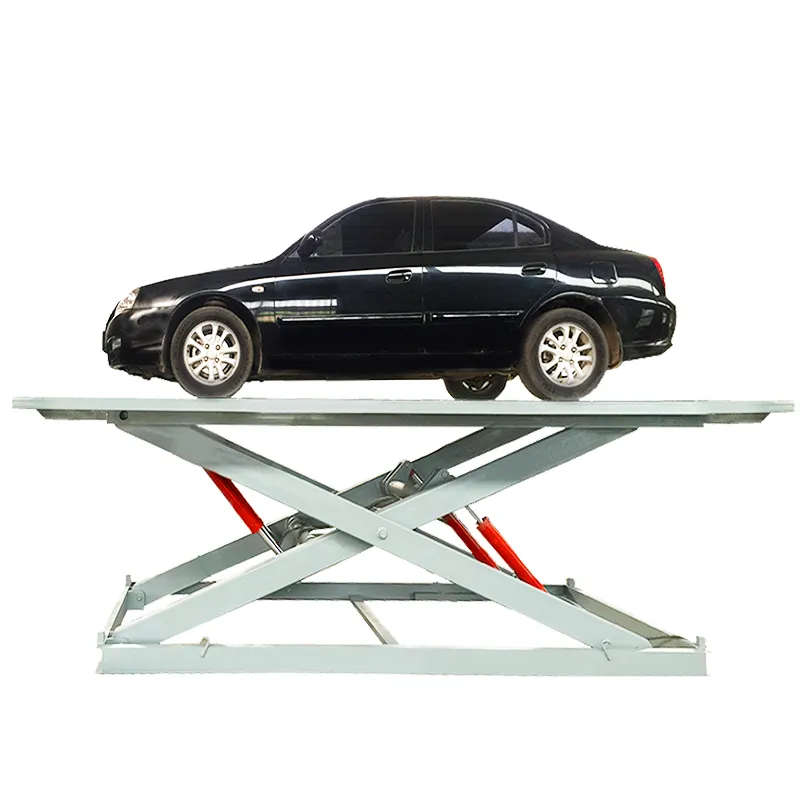
Manufacturing plants worldwide have increasingly turned to stationary scissor lifts as essential equipment for their vertical material handling and access needs. These robust hydraulic platforms have become indispensable in modern industrial operations, offering unparalleled safety, efficiency, and versatility that traditional lifting methods simply cannot match. The growing popularity of stationary scissor lifts stems from their ability to address multiple operational challenges while delivering consistent performance in demanding manufacturing environments.
The widespread adoption of stationary scissor lifts in manufacturing facilities reflects their unique capability to solve critical production line challenges while enhancing workplace safety standards. Unlike mobile alternatives, these permanently installed platforms provide manufacturers with reliable, high-capacity lifting solutions that integrate seamlessly into existing production workflows. Understanding why these systems have gained such prominence requires examining their specific advantages, operational benefits, and strategic value proposition for manufacturing operations across various industrial sectors.
Safety Advantages Drive Manufacturing Adoption
Enhanced Worker Protection Systems
Manufacturing plants prioritize stationary scissor lifts primarily because of their superior safety features compared to alternative lifting methods. These platforms incorporate multiple safety mechanisms including emergency stop buttons, safety gates, and automatic leveling systems that significantly reduce workplace accidents. The fixed installation design eliminates the mobility-related risks associated with portable lifting equipment, providing workers with stable, predictable access to elevated work areas throughout their shifts.
The robust construction of stationary scissor lifts includes safety rails, non-slip platforms, and fail-safe hydraulic systems that maintain load integrity even during power failures. Manufacturing environments benefit from these comprehensive safety features because they reduce insurance costs, minimize accident-related downtime, and ensure compliance with stringent occupational health and safety regulations. The predictable operation of stationary scissor lifts allows workers to develop consistent safety protocols, further reducing the likelihood of incidents during material handling operations.
Compliance with Industrial Safety Standards
Stationary scissor lifts help manufacturing plants meet increasingly strict safety regulations imposed by occupational safety agencies worldwide. These platforms are engineered to comply with international safety standards including ANSI, OSHA, and CE requirements, providing manufacturers with confidence in their regulatory compliance status. The permanent installation allows for thorough safety inspections, proper maintenance scheduling, and documentation that satisfies regulatory auditing requirements.
Manufacturing facilities often face significant penalties for safety violations, making the investment in certified stationary scissor lifts a strategic risk management decision. These platforms undergo rigorous testing and certification processes that portable alternatives may not provide, ensuring consistent safety performance across different operational conditions. The ability to maintain detailed safety records and inspection logs for stationary installations demonstrates due diligence to regulatory authorities and insurance providers.
Operational Efficiency Benefits in Manufacturing Environments
Streamlined Production Line Integration
Manufacturing plants favor stationary scissor lifts because they integrate seamlessly into existing production line layouts without disrupting workflow efficiency. These permanently installed platforms can be positioned at optimal locations to support assembly processes, quality control stations, and material staging areas. The fixed positioning eliminates time wasted on equipment setup and repositioning that occurs with mobile alternatives, allowing workers to focus on productive activities rather than equipment management.
The consistent availability of stationary scissor lifts at predetermined locations enables manufacturers to develop standardized work procedures and optimize personnel allocation. Production managers can design workflows around these fixed access points, reducing bottlenecks and improving overall throughput. The predictable performance characteristics of stationary installations allow for precise timing calculations in production scheduling, contributing to improved on-time delivery performance.
Reduced Equipment Maintenance Complexity
Stationary scissor lifts require less maintenance intervention compared to mobile lifting equipment because they experience less wear from transportation and repositioning activities. The fixed installation protects critical components from environmental exposure and mechanical stress associated with frequent relocation. Manufacturing plants benefit from predictable maintenance schedules that can be integrated into planned downtime periods without disrupting production operations.
The permanent electrical and hydraulic connections of stationary scissor lifts eliminate the connection issues and component failures common with portable systems. This reliability translates into higher equipment availability rates, reduced emergency repair costs, and more predictable maintenance budgeting. Manufacturing facilities can establish long-term service contracts with specialized technicians who become familiar with specific installations, improving maintenance quality and reducing service response times.
Cost-Effectiveness and Return on Investment Factors
Lower Total Cost of Ownership
Manufacturing plants choose stationary scissor lifts because they offer superior total cost of ownership compared to alternative lifting solutions over extended operational periods. While the initial installation cost may be higher than portable alternatives, the reduced maintenance requirements, longer service life, and higher reliability result in lower lifetime expenses. The permanent installation eliminates costs associated with equipment transportation, storage, and the additional infrastructure required to support mobile lifting systems.
The durability of stationary scissor lifts in manufacturing environments typically extends their service life beyond ten years with proper maintenance, providing excellent return on investment. Manufacturing facilities benefit from depreciation advantages and reduced replacement frequency compared to portable equipment that experiences higher wear rates. The fixed nature of these installations also qualifies them for different tax treatment and financing options that may not be available for mobile equipment purchases.
Productivity Improvements and Labor Savings
Stationary scissor lifts contribute to manufacturing productivity by eliminating time waste associated with equipment setup, positioning, and safety checks required with portable alternatives. Workers can immediately access elevated work areas without waiting for equipment preparation, increasing effective working time per shift. The consistent positioning of stationary scissor lifts enables manufacturers to optimize workflow patterns and reduce material handling time throughout production processes.
Manufacturing plants experience significant labor cost savings because stationary scissor lifts require minimal operator training compared to complex mobile lifting equipment. The simplified operation reduces the need for specialized equipment operators, allowing regular production workers to safely use these platforms after basic training. This flexibility in personnel allocation helps manufacturers respond to changing production demands without maintaining dedicated equipment operator positions.
Versatility and Customization Advantages
Application-Specific Design Flexibility
Manufacturing facilities appreciate the customization options available with stationary scissor lifts, which can be tailored to specific operational requirements and facility constraints. These platforms can be designed with varying load capacities, platform sizes, and lifting heights to match particular manufacturing processes. The ability to integrate custom features such as specialized controls, safety systems, and access configurations makes stationary scissor lifts adaptable to diverse industrial applications.
The permanent installation of stationary scissor lifts allows manufacturers to optimize platform positioning for maximum operational benefit, considering factors such as ceiling clearance, floor loading capacity, and integration with existing equipment. Custom installations can incorporate features like conveyor interfaces, tool storage systems, and specialized access platforms that enhance specific manufacturing processes. This level of customization is difficult to achieve with portable alternatives that must accommodate general-purpose applications.
Multi-Purpose Manufacturing Applications
Stationary scissor lifts serve multiple functions within manufacturing plants, from assembly line support to maintenance access platforms, making them valuable multipurpose investments. These versatile platforms can support quality inspection activities, equipment maintenance procedures, and material staging operations throughout different production shifts. The ability to serve various operational needs with a single installation provides manufacturers with flexibility in production planning and resource allocation.
Manufacturing plants utilize stationary scissor lifts for both regular production activities and periodic maintenance tasks, maximizing equipment utilization rates. The robust construction of these platforms enables them to handle diverse load types, from lightweight assembly components to heavy manufacturing materials. This versatility allows manufacturers to adapt their operations without requiring additional specialized lifting equipment for different applications.
Long-Term Strategic Value for Manufacturing Operations
Scalability and Future-Proofing Benefits
Manufacturing plants invest in stationary scissor lifts as part of long-term facility planning because these installations can accommodate future production changes and capacity expansions. The permanent nature of these platforms allows for systematic integration into facility master plans, supporting strategic growth objectives without requiring major infrastructure modifications. Manufacturers can design stationary scissor lift installations with spare capacity to handle increased production volumes or new product lines.
The modular design of many stationary scissor lifts enables manufacturers to upgrade or modify platforms as operational requirements evolve over time. This adaptability protects manufacturing investments by extending equipment service life and maintaining relevance as production technologies advance. The strategic placement of stationary scissor lifts can support automation initiatives and advanced manufacturing techniques that require precise material positioning and worker access capabilities.
Competitive Manufacturing Advantages
Stationary scissor lifts provide manufacturing plants with competitive advantages through improved production efficiency, enhanced safety performance, and reduced operational costs. These benefits translate into better profit margins, improved customer service capabilities, and enhanced market positioning compared to competitors using less efficient lifting solutions. The reliability and performance consistency of stationary scissor lifts enable manufacturers to meet demanding delivery schedules and quality requirements.
Manufacturing facilities with properly implemented stationary scissor lifts often achieve superior safety records and operational performance metrics that support business development opportunities. These platforms contribute to lean manufacturing initiatives by eliminating waste associated with inefficient material handling processes. The professional appearance and modern functionality of stationary scissor lifts also enhance facility presentation during customer visits and regulatory inspections.
FAQ
What types of manufacturing processes benefit most from stationary scissor lifts?
Stationary scissor lifts are particularly beneficial for manufacturing processes involving assembly line operations, quality control inspections, material staging, and maintenance activities. Industries such as automotive manufacturing, electronics assembly, aerospace production, and heavy machinery manufacturing commonly utilize these platforms. The key advantage lies in processes requiring frequent access to elevated work areas at consistent heights, where the permanent positioning eliminates setup time and improves workflow efficiency.
How do stationary scissor lifts compare to overhead cranes in manufacturing plants?
Stationary scissor lifts and overhead cranes serve different purposes in manufacturing environments. While overhead cranes excel at moving heavy loads horizontally across large areas, stationary scissor lifts provide stable work platforms for personnel and materials at specific locations. Scissor lifts offer better accessibility for detailed work, maintenance tasks, and assembly operations, whereas cranes are more suitable for bulk material movement. Many manufacturing plants use both systems complementarily to optimize their material handling capabilities.
What safety certifications should manufacturing plants look for in stationary scissor lifts?
Manufacturing plants should ensure their stationary scissor lifts comply with relevant safety standards such as ANSI/ASME B20.1 in North America, EN 81-31 in Europe, and local occupational safety regulations. Important certifications include CE marking for European markets, OSHA compliance documentation, and third-party safety testing certificates. Additionally, manufacturers should verify that the equipment meets specific industry standards relevant to their sector, such as automotive or pharmaceutical manufacturing requirements.
How much space do stationary scissor lifts require in manufacturing facilities?
The space requirements for stationary scissor lifts depend on platform size, lifting height, and safety clearance specifications. Typical installations require adequate overhead clearance for full extension plus safety margin, sufficient floor space for the platform and safety barriers, and access areas for maintenance activities. Manufacturing plants should consider factors such as ceiling height limitations, floor loading capacity, and integration with existing production equipment when planning installations. Professional site surveys can determine optimal placement and space utilization for specific manufacturing applications.
Table of Contents
- Safety Advantages Drive Manufacturing Adoption
- Operational Efficiency Benefits in Manufacturing Environments
- Cost-Effectiveness and Return on Investment Factors
- Versatility and Customization Advantages
- Long-Term Strategic Value for Manufacturing Operations
-
FAQ
- What types of manufacturing processes benefit most from stationary scissor lifts?
- How do stationary scissor lifts compare to overhead cranes in manufacturing plants?
- What safety certifications should manufacturing plants look for in stationary scissor lifts?
- How much space do stationary scissor lifts require in manufacturing facilities?