Stationary Scissor Lift Table - Industrial Material Handling Solutions

Get a Free Quote

Our representative will contact you soon.
Email
Mobile/WhatsApp
Name
Company Name
Message
0/1000

stationary scissor lift table

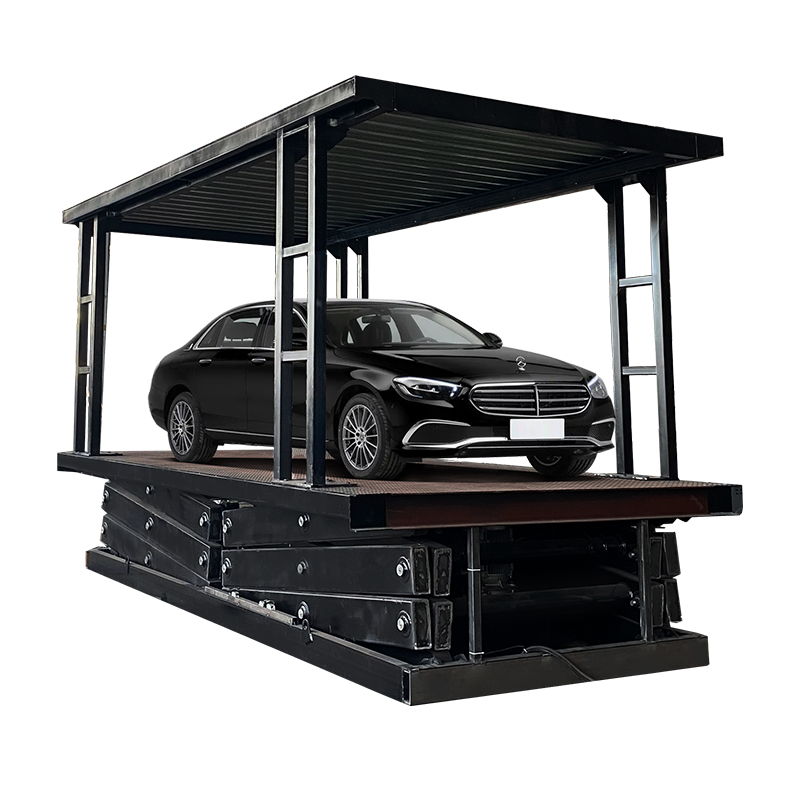
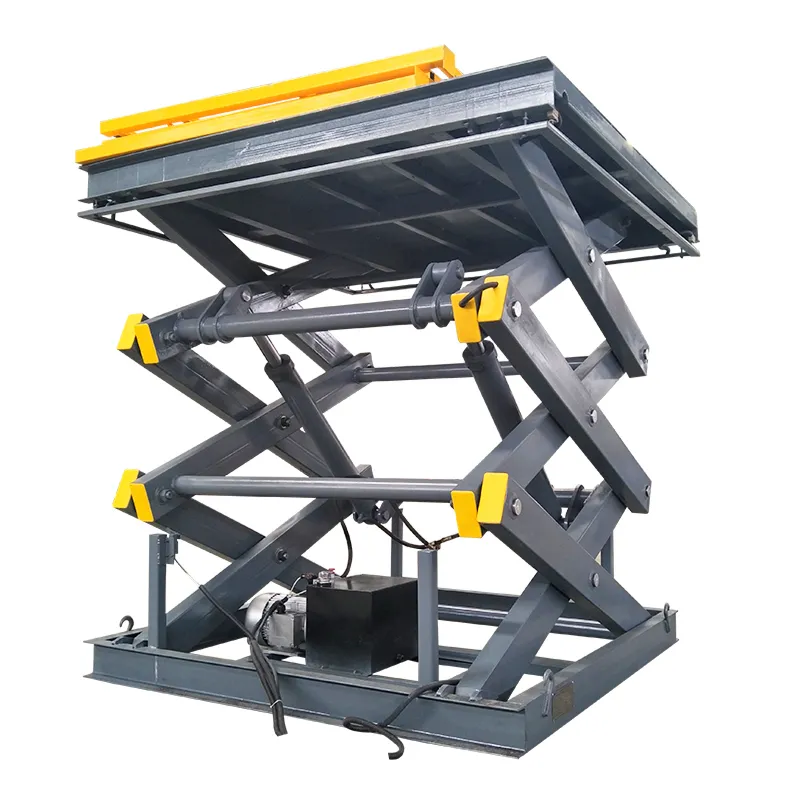
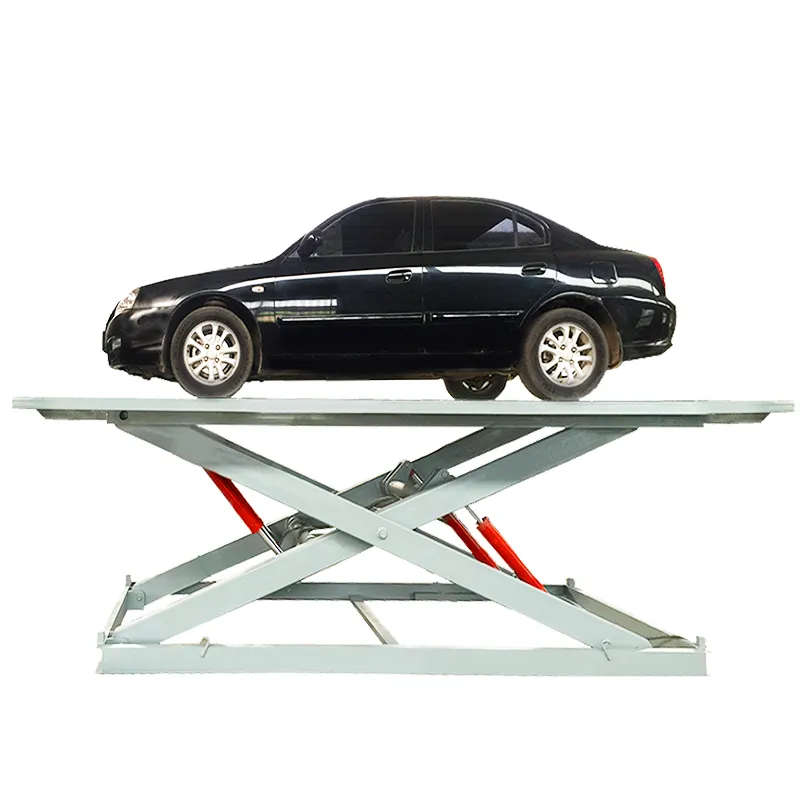
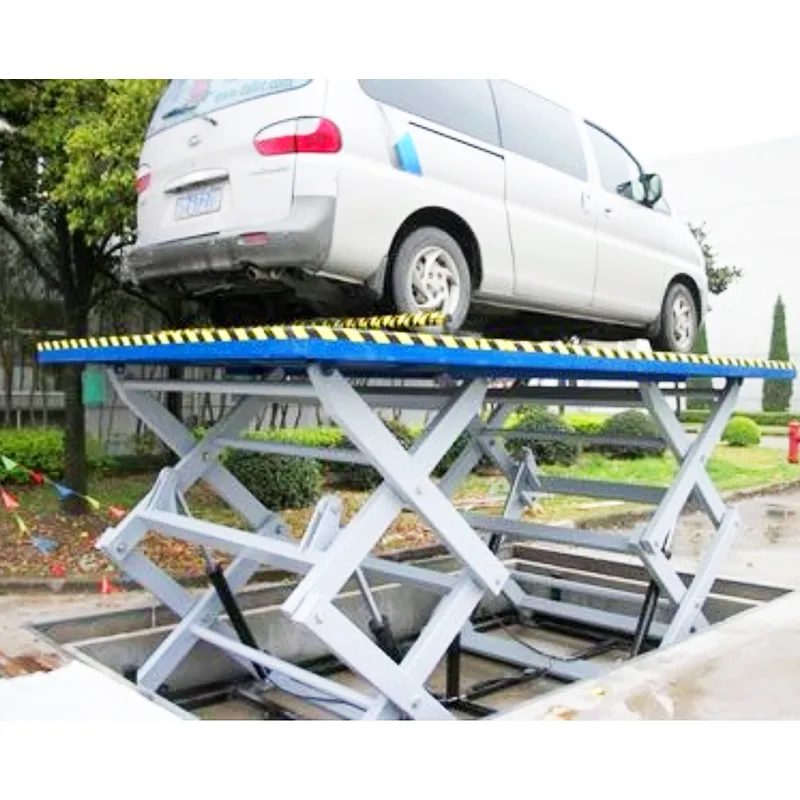
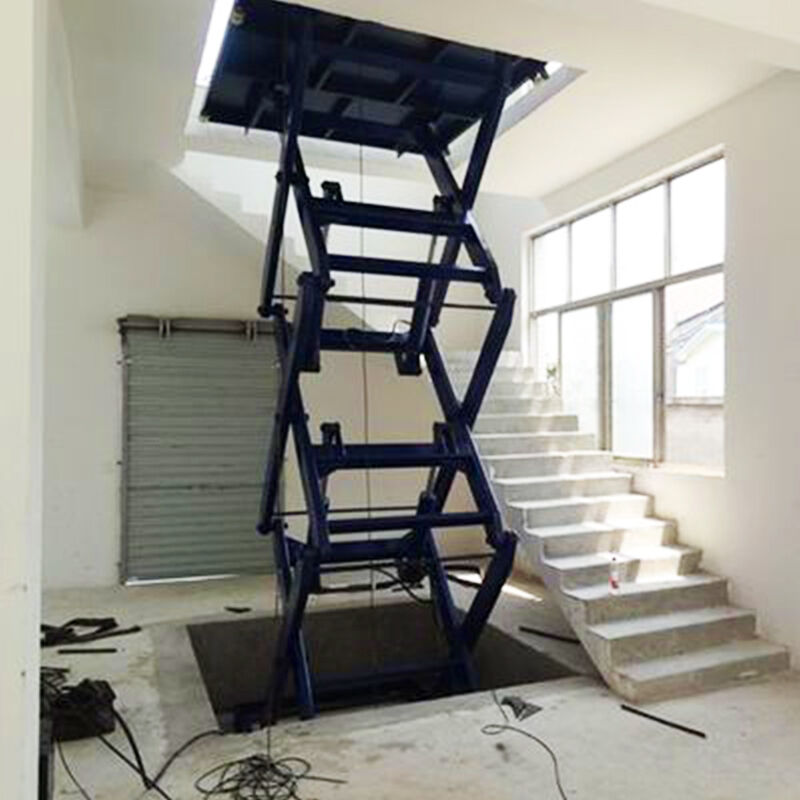
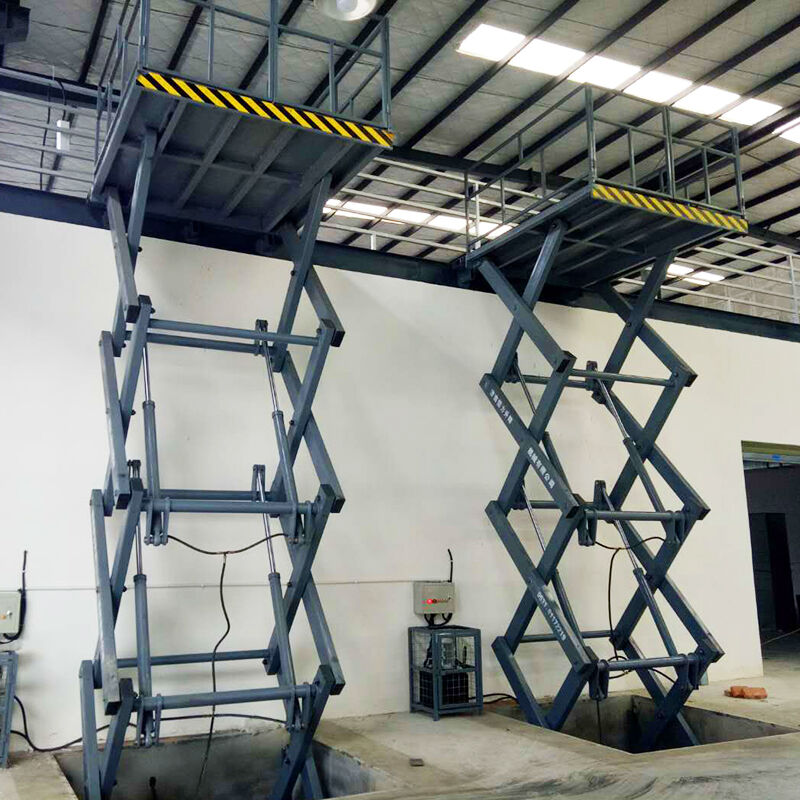
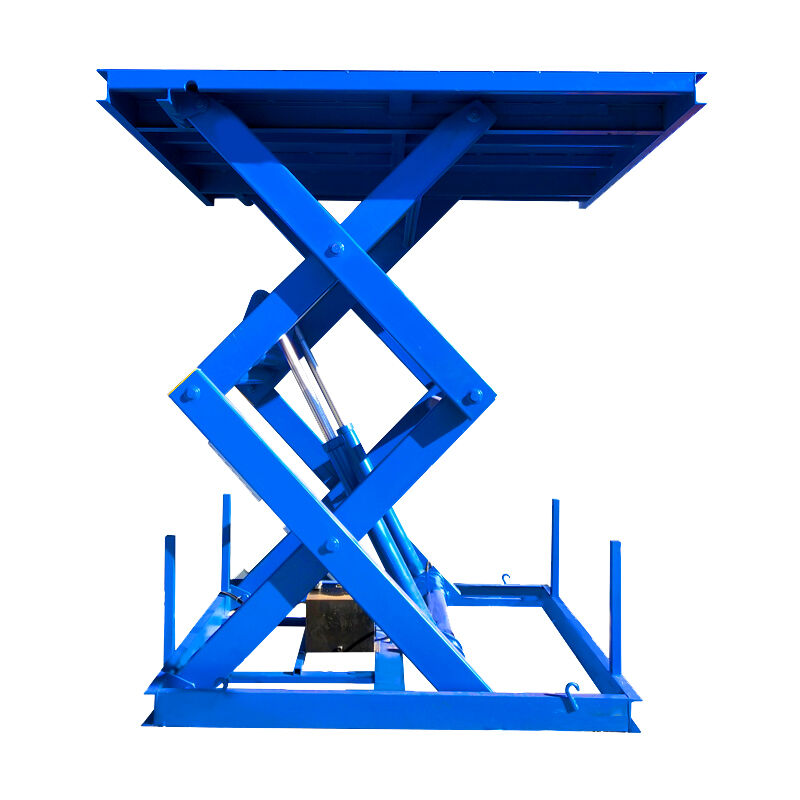
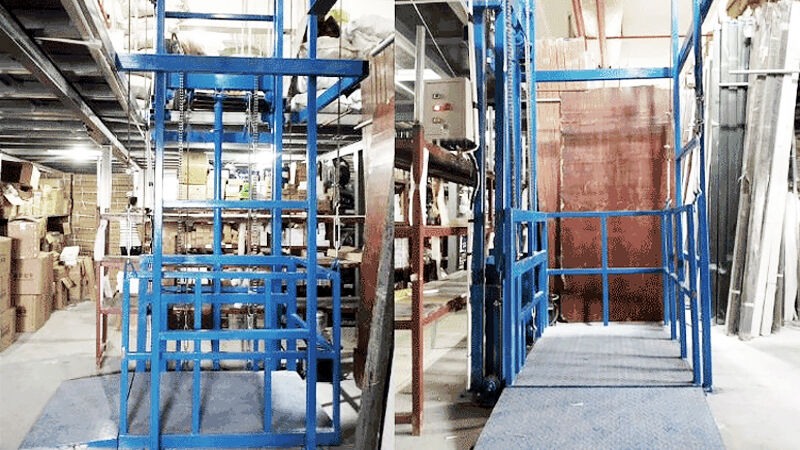
A stationary scissor lift table represents an essential piece of industrial equipment designed to elevate heavy loads and materials to various working heights with precision and stability. This hydraulic-powered lifting platform operates through a crossed-scissor mechanism that extends vertically when activated, providing a stable and secure platform for materials handling, assembly work, and positioning tasks. The stationary scissor lift table remains fixed in one location, making it ideal for dedicated workstations where consistent vertical movement is required. The main functions of a stationary scissor lift table include lifting heavy materials from ground level to optimal working heights, reducing worker strain and fatigue, improving workplace ergonomics, and enhancing operational efficiency in manufacturing and warehouse environments. The technological features of modern stationary scissor lift tables incorporate robust hydraulic systems that deliver smooth and controlled lifting motions, heavy-duty steel construction for maximum load capacity, safety features including overload protection and emergency lowering systems, and precision controls for accurate positioning. These lift tables typically feature platform sizes ranging from compact units suitable for light-duty applications to large platforms capable of handling substantial loads. The lifting capacity varies significantly, with models available from 1,000 pounds to over 10,000 pounds, depending on specific requirements. Applications for stationary scissor lift tables span across numerous industries including manufacturing facilities for assembly line operations, warehouses for inventory management, automotive workshops for vehicle maintenance, packaging operations for material handling, and distribution centers for loading and unloading activities. These versatile machines prove invaluable in environments where materials must be positioned at specific heights repeatedly, such as production lines where components require assembly at ergonomically appropriate levels. The stationary design ensures maximum stability during operation while the scissor mechanism provides reliable vertical movement with minimal maintenance requirements, making these lift tables a cost-effective solution for businesses seeking to improve workplace safety and operational efficiency.

Popular Products

The stationary scissor lift table delivers numerous practical benefits that directly impact workplace productivity and worker safety. First, these lifting platforms significantly reduce physical strain on employees by eliminating the need for manual lifting of heavy materials, thereby decreasing the risk of workplace injuries and associated costs. Workers can operate at comfortable heights without bending, stretching, or straining their backs, leading to improved job satisfaction and reduced absenteeism. The ergonomic advantages translate into higher productivity levels as employees can work more efficiently when materials are positioned at optimal heights. Second, the stationary scissor lift table enhances operational efficiency by streamlining material handling processes. Instead of using multiple workers to manually move heavy items, a single operator can control the lift table to position loads precisely where needed. This efficiency gain results in faster production cycles, reduced labor costs, and improved overall throughput in manufacturing and warehouse operations. The consistent positioning capability ensures repeatable processes, which is crucial for quality control in production environments. Third, these lift tables provide exceptional stability and safety features that protect both workers and materials. The robust construction and safety mechanisms, including overload protection and emergency stops, minimize the risk of accidents and equipment damage. The stationary design eliminates concerns about mobility-related incidents while providing a secure platform for valuable materials and equipment. Fourth, the cost-effectiveness of stationary scissor lift tables makes them an attractive investment for businesses of all sizes. The relatively low maintenance requirements, combined with long service life and energy-efficient hydraulic systems, result in minimal operating costs over time. The initial investment quickly pays for itself through improved productivity, reduced labor costs, and decreased workplace injury expenses. Fifth, the versatility of these lift tables allows them to accommodate various load sizes and weights, making them suitable for diverse applications within the same facility. This adaptability reduces the need for multiple specialized pieces of equipment, further enhancing cost savings. The precise control systems enable accurate positioning, which is essential for assembly work, quality inspections, and packaging operations. Finally, the space-efficient design of stationary scissor lift tables maximizes floor space utilization while providing essential lifting capabilities, making them ideal for facilities with limited space constraints.

Latest News

What Are the Advantages of Choosing a Custom Lift Manufacturer?

05

Mar

What Are the Advantages of Choosing a Custom Lift Manufacturer?

When businesses need vertical transportation solutions, they often face a critical decision: choose a standard, off-the-shelf lift system or partner with a custom lift manufacturer. While pre-engineered lifts may seem like the simpler option, working...
View More
How Does an Industrial Lift Support High-Load Transportation Tasks?

10

Mar

How Does an Industrial Lift Support High-Load Transportation Tasks?

Industrial facilities across manufacturing, warehousing, and logistics sectors face constant challenges in moving heavy materials between different floor levels efficiently and safely. The mechanism by which an industrial lift handles high-load trans...
View More
Why Are Stationary Scissor Lifts Popular in Manufacturing Plants?

16

Mar

Why Are Stationary Scissor Lifts Popular in Manufacturing Plants?

Manufacturing plants worldwide have increasingly turned to stationary scissor lifts as essential equipment for their vertical material handling and access needs. These robust hydraulic platforms have become indispensable in modern industrial operatio...
View More
How Do Car Lifts for Home Garage Add Value to Real Estate Projects?

20

Mar

How Do Car Lifts for Home Garage Add Value to Real Estate Projects?

Car lifts for home garage installations have emerged as a premium feature that significantly enhances property value in today's competitive real estate market. These sophisticated automotive storage solutions transform ordinary residential garages in...
View More

Get a Free Quote

Our representative will contact you soon.
Email
Mobile/WhatsApp
Name
Company Name
Message
0/1000

stationary scissor lift table

Superior Load Capacity and Structural Integrity

Superior Load Capacity and Structural Integrity

The stationary scissor lift table excels in providing exceptional load-bearing capabilities through its engineered structural design and robust construction materials. The scissor mechanism, crafted from high-grade steel components, distributes weight evenly across the platform, ensuring maximum stability even when handling extremely heavy loads. This superior load capacity stems from the geometric advantage of the scissor design, where the crossing arms create multiple support points that effectively manage stress distribution throughout the lifting process. The platform itself features reinforced construction with heavy-duty steel plates that resist deformation under substantial weight, maintaining a level surface regardless of load positioning. The hydraulic system powering the stationary scissor lift table incorporates industrial-grade cylinders and pumps designed to handle continuous operation under demanding conditions. These components undergo rigorous testing to ensure reliability and longevity, providing consistent performance over extended periods. The structural integrity extends to the base frame, which anchors the entire system and provides unwavering stability during lifting operations. This solid foundation prevents any unwanted movement or vibration that could compromise safety or precision. For businesses handling heavy machinery parts, large containers, or bulk materials, this superior load capacity translates into significant operational advantages. Manufacturing facilities can position heavy components at assembly heights without requiring multiple workers or additional equipment, streamlining production processes and reducing labor costs. Warehouse operations benefit from the ability to lift palletized goods to optimal picking heights, improving inventory access and reducing handling time. The structural integrity also ensures long-term reliability, minimizing downtime for repairs and maintenance. Quality control processes benefit from the stable platform, as heavy items can be positioned precisely for inspection without concerns about platform deflection or instability. This capability proves particularly valuable in industries such as aerospace, automotive, and heavy machinery manufacturing, where component weights often exceed manual handling limits. The investment in a stationary scissor lift table with superior load capacity pays dividends through improved operational efficiency, enhanced workplace safety, and reduced equipment replacement costs over the system's extended service life.
Advanced Safety Features and Operational Control

Advanced Safety Features and Operational Control

The stationary scissor lift table incorporates comprehensive safety systems and precise operational controls that prioritize worker protection while delivering exceptional performance reliability. The safety architecture begins with overload protection mechanisms that prevent the system from attempting lifts beyond its rated capacity, automatically engaging protective measures when weight limits are approached. This intelligent monitoring system continuously assesses load conditions and operational parameters, providing real-time feedback to operators through clear visual and audible indicators. Emergency stop controls are strategically positioned for immediate access, allowing operators to halt all movement instantly in case of unexpected situations. The descent control system features regulated lowering speeds that prevent rapid or uncontrolled drops, ensuring materials and personnel remain safe throughout the lowering process. Velocity fuses integrated into the hydraulic system provide additional protection by automatically stopping movement if excessive speed is detected, serving as a critical backup safety measure. The control interface design emphasizes user-friendly operation while maintaining safety protocols. Operators can achieve precise positioning through variable speed controls that allow for fine adjustments during material placement. The control systems incorporate both manual and automatic positioning options, enabling efficient operation for repetitive tasks while maintaining operator oversight for complex procedures. Safety railings and toe guards can be integrated into the platform design to prevent materials from shifting or falling during operation, providing additional protection for workers in surrounding areas. The electrical components meet industrial safety standards with proper grounding, moisture protection, and fail-safe designs that default to safe positions in case of power interruptions. Regular safety inspections and maintenance schedules are simplified through accessible inspection points and clear documentation requirements. Training requirements for operators are straightforward due to intuitive controls and comprehensive safety protocols. These advanced safety features reduce insurance costs, minimize workplace accidents, and ensure compliance with occupational safety regulations. The operational control precision enables businesses to implement standardized procedures that enhance quality consistency while protecting valuable materials and equipment from damage during handling operations.
Exceptional Versatility and Application Flexibility

Exceptional Versatility and Application Flexibility

The stationary scissor lift table demonstrates remarkable versatility through its adaptable design and broad application range, making it an invaluable asset across diverse industrial sectors and operational requirements. This versatility stems from the fundamental design philosophy that prioritizes modularity and customization options to meet specific workplace needs. Platform sizes can be configured to accommodate everything from small components to large assemblies, with custom dimensions available to match unique operational requirements. The lifting height range provides flexibility for various working elevations, enabling the same unit to serve multiple functions within a facility. Load capacity options span from light-duty applications handling delicate materials to heavy-duty configurations managing substantial industrial components. The stationary scissor lift table adapts seamlessly to different workflow patterns, supporting both continuous production processes and intermittent handling tasks. In manufacturing environments, these lift tables excel at assembly line integration, positioning components at ergonomically optimal heights for workers while maintaining production flow efficiency. Quality control departments utilize the stable platform for detailed inspections, rotating heavy items for complete examination without manual handling risks. Packaging operations benefit from the ability to position products at ideal heights for efficient packing and sealing processes. Warehouse applications leverage the lift table versatility for inventory management, enabling workers to access items stored at various heights while maintaining proper lifting techniques. Maintenance facilities use these platforms to position equipment for service and repair work, providing technicians with safe access to all component areas. The adaptability extends to specialized applications such as paint booths, where the lift table positions items for coating processes, or testing laboratories where equipment requires precise positioning for evaluation procedures. Integration capabilities allow the stationary scissor lift table to connect with existing conveyor systems, automated handling equipment, and production line machinery. Custom accessories including side guards, material stops, and specialized surface treatments enhance functionality for specific applications. The investment value of this versatility becomes apparent through reduced equipment needs, as a single stationary scissor lift table can replace multiple handling solutions while providing superior performance and safety characteristics across all applications within the facility.

Get a Free Quote

Our representative will contact you soon.
Email
Mobile/WhatsApp
Name
Company Name
Message
0/1000