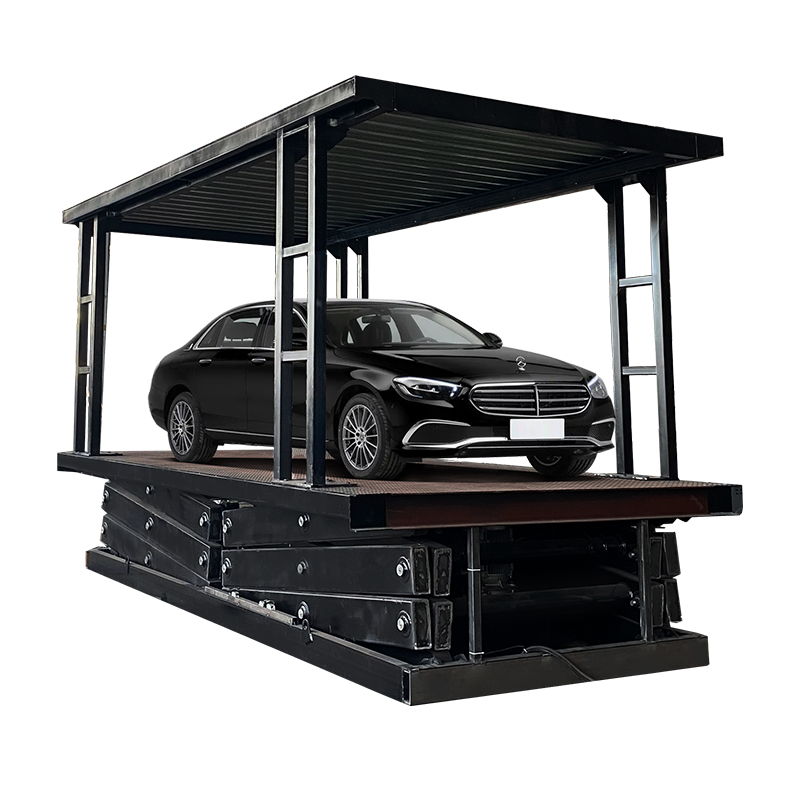
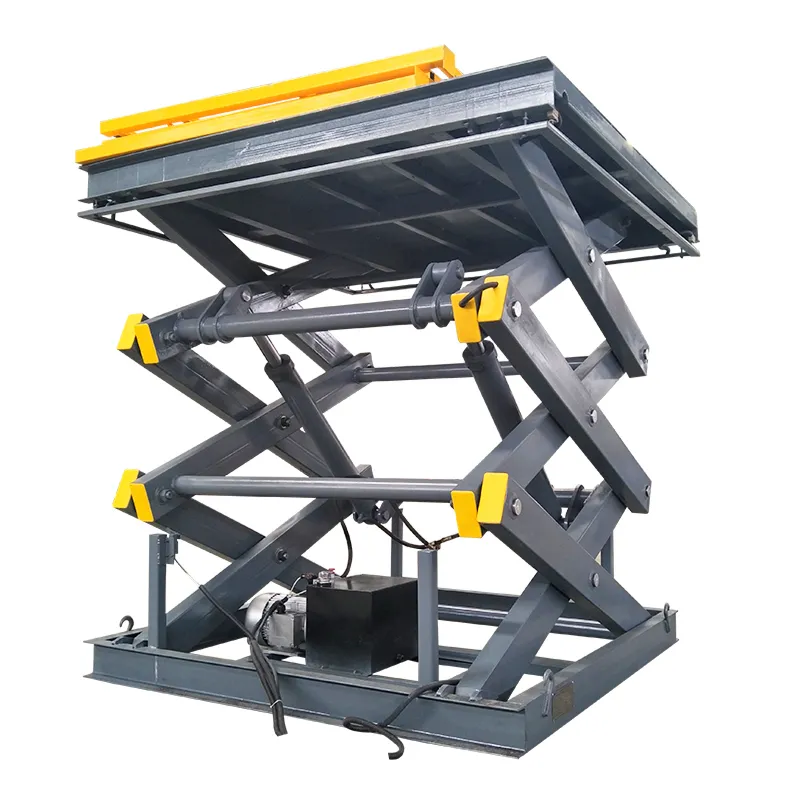
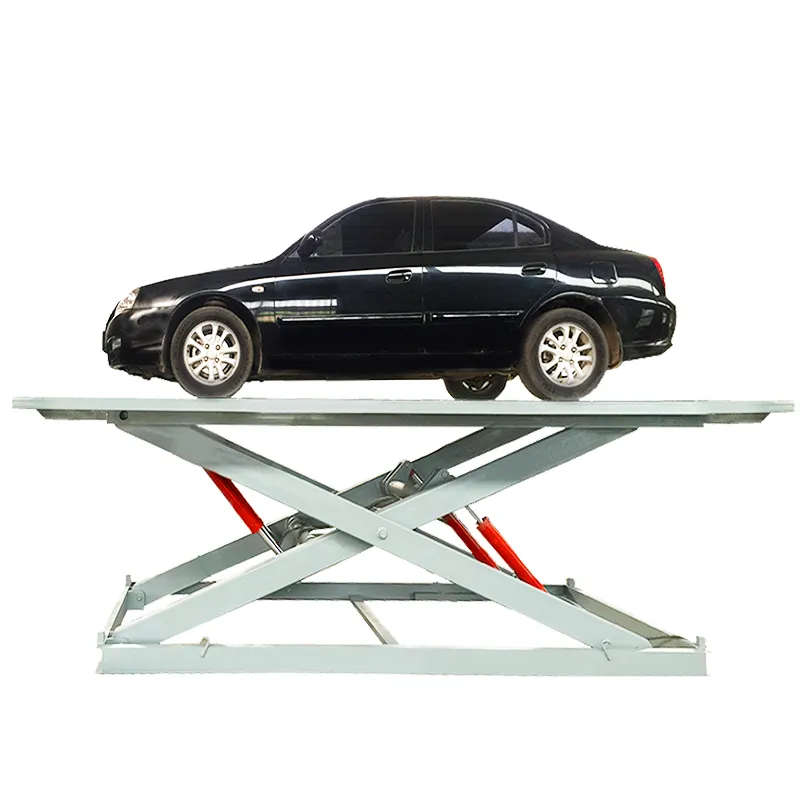
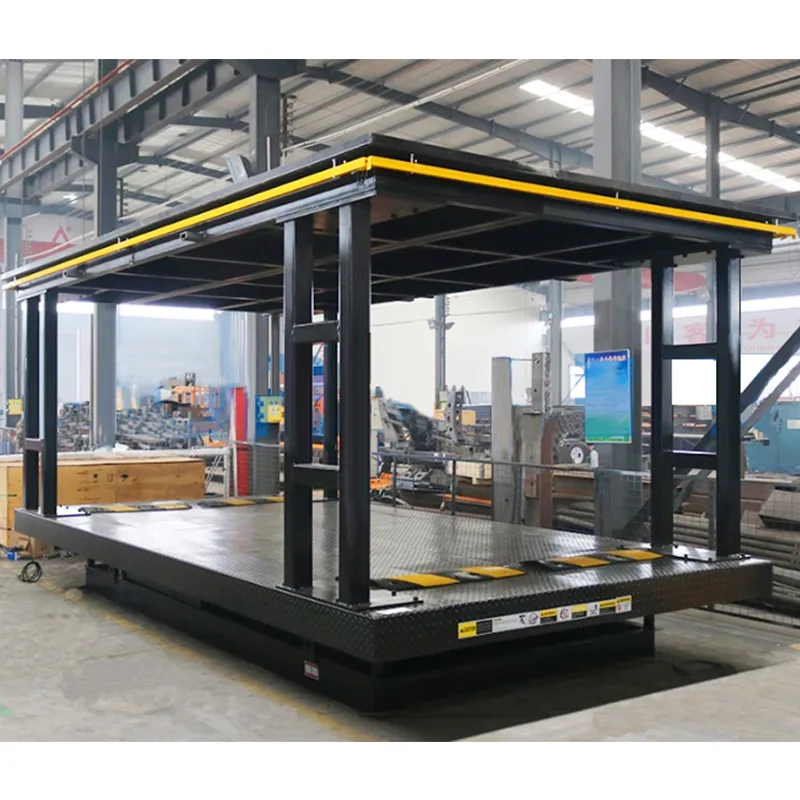
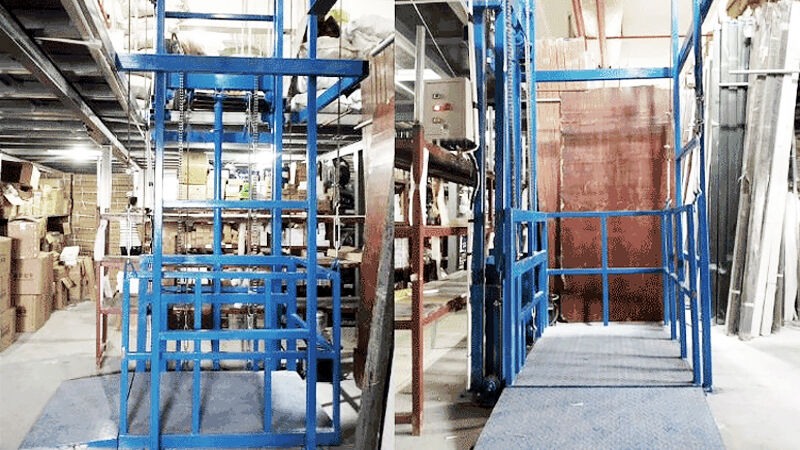
Commercial Freight Elevator Solutions: Heavy-Duty Vertical Transportation for Industrial Applications

Get a Free Quote

Our representative will contact you soon.
Email
Mobile/WhatsApp
Name
Company Name
Message
0/1000

commercial freight elevator

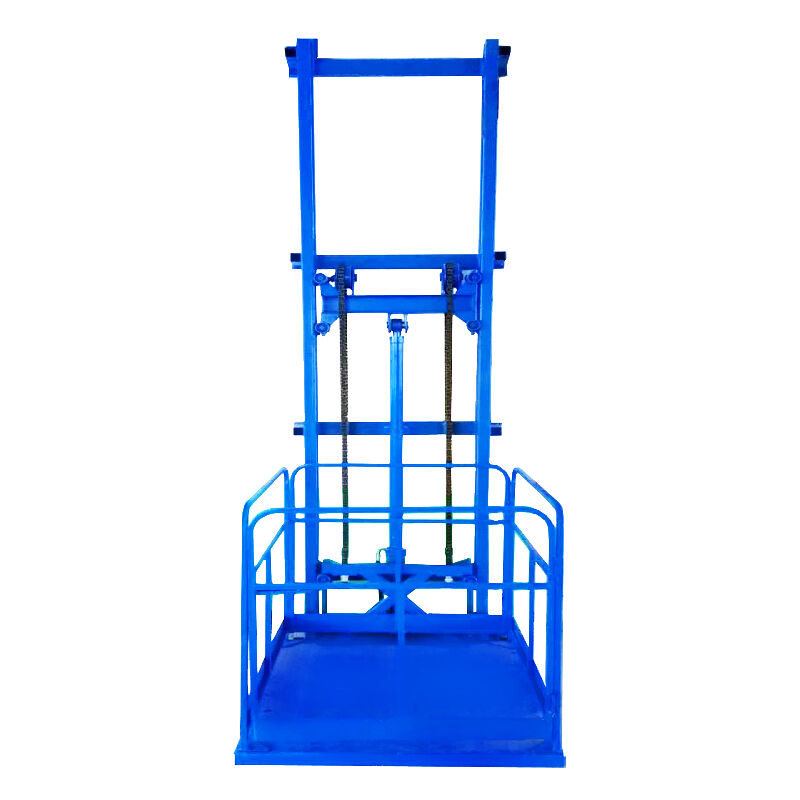
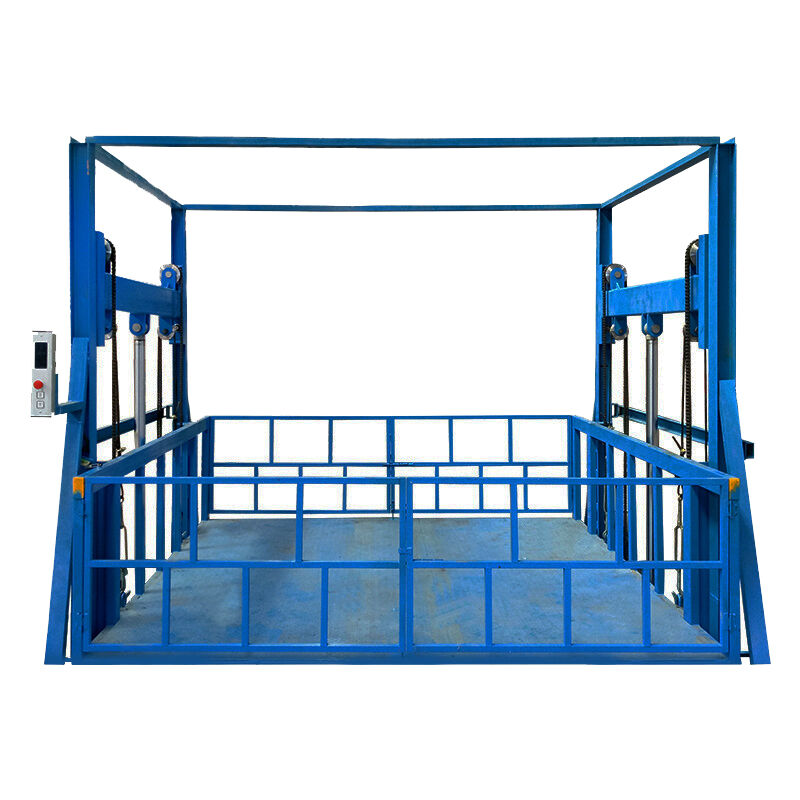
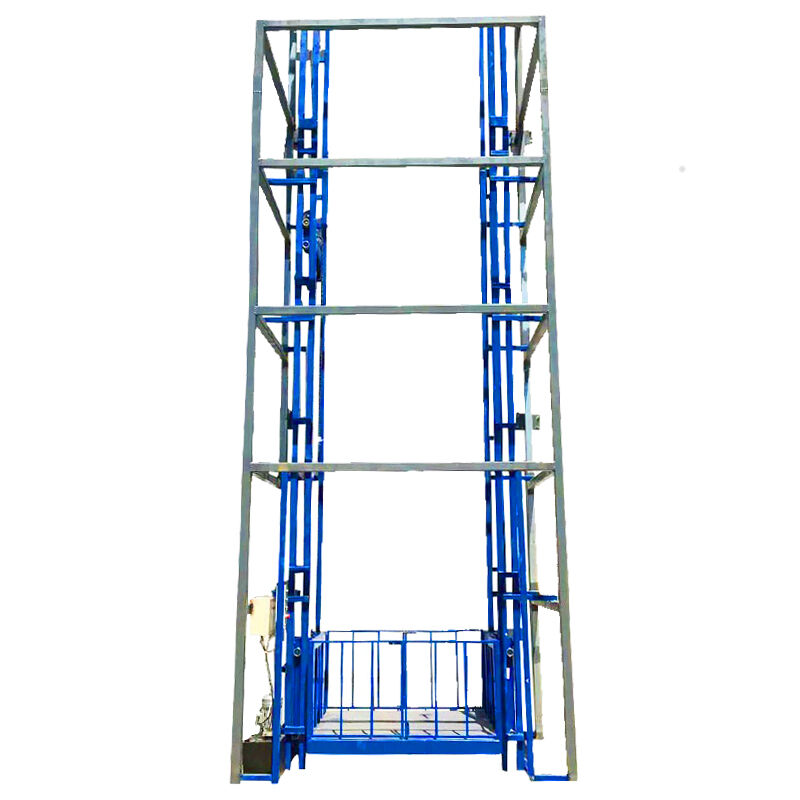
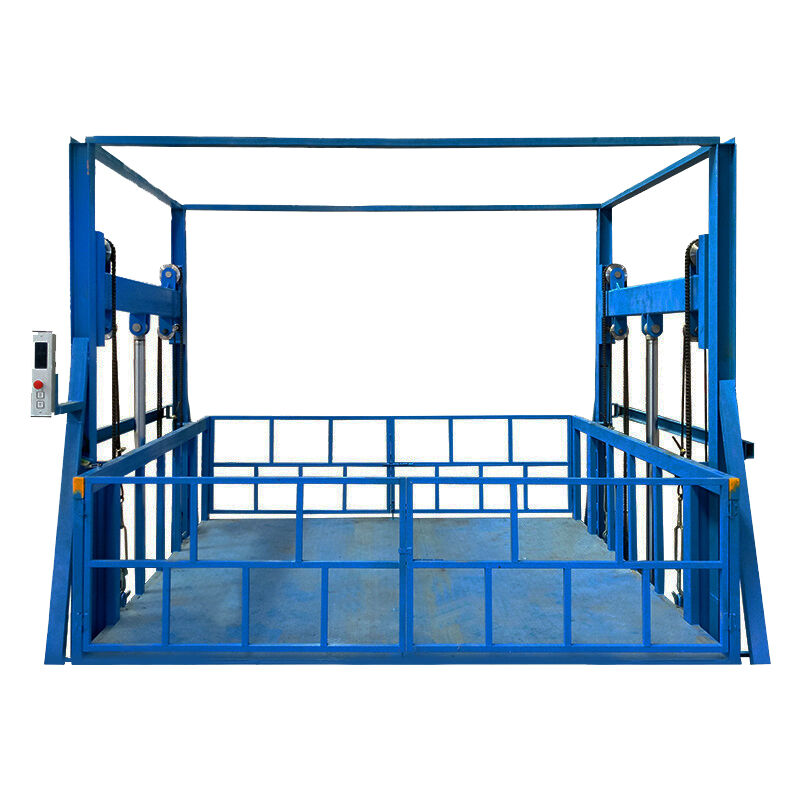
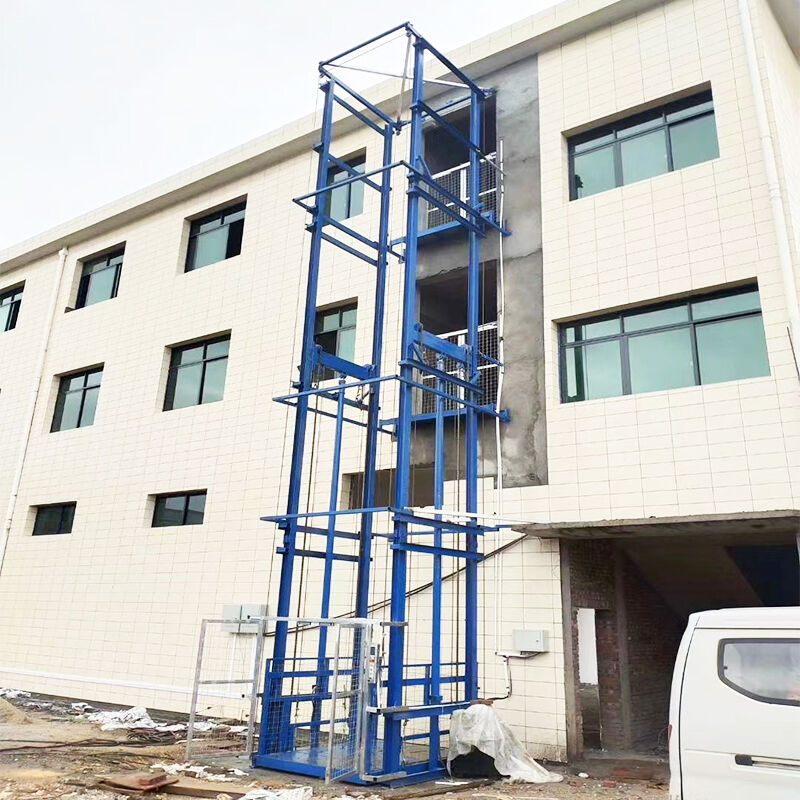
A commercial freight elevator represents a specialized vertical transportation system designed to handle heavy cargo, materials, and goods within commercial, industrial, and warehouse facilities. Unlike standard passenger elevators, these robust machines prioritize load capacity, durability, and operational efficiency over comfort features. The primary function of a commercial freight elevator centers on moving substantial weights between multiple floors safely and efficiently. These systems typically accommodate loads ranging from 2,500 to 20,000 pounds or more, depending on specific model configurations and customer requirements. The commercial freight elevator operates through advanced hydraulic or traction drive systems, providing smooth and controlled vertical movement for various cargo types. Modern commercial freight elevator units incorporate sophisticated control panels with programmable logic controllers that manage precise floor positioning, speed regulation, and safety protocols. The technological features include heavy-duty door systems with manual or automatic operation, reinforced car frames constructed from high-grade steel, and specialized flooring designed to withstand concentrated loads and impact damage. Safety mechanisms encompass emergency stop systems, overload protection, backup power capabilities, and comprehensive monitoring systems that track performance metrics. Applications for commercial freight elevator systems span numerous industries including manufacturing plants, distribution centers, retail stores, hospitals, hotels, restaurants, and multi-story parking structures. These elevators facilitate efficient inventory management, reduce manual labor costs, and streamline logistics operations. The commercial freight elevator proves essential for businesses requiring frequent movement of heavy equipment, bulk materials, finished products, or oversized items between building levels. Installation flexibility allows integration into new construction projects or retrofitting into existing structures, making the commercial freight elevator a versatile solution for diverse commercial environments seeking to optimize their material handling capabilities while maintaining workplace safety standards.

New Product Recommendations

Commercial freight elevator systems deliver substantial operational benefits that directly impact business productivity and cost efficiency. The primary advantage lies in dramatically increased loading capacity compared to standard elevators, enabling businesses to transport heavy machinery, bulk inventory, and oversized equipment without manual carrying or complex rigging systems. This enhanced capacity translates to significant time savings, as workers can move larger quantities of materials in single trips rather than multiple smaller loads. The commercial freight elevator reduces physical strain on employees by eliminating the need for manual lifting and carrying heavy items up stairs or ramps, thereby decreasing workplace injury risks and associated insurance costs. Energy efficiency represents another key benefit, as modern commercial freight elevator systems utilize regenerative drive technology that captures and reuses energy during descent operations, reducing overall power consumption. The durability factor provides long-term value, with commercial freight elevator units engineered to withstand continuous heavy-duty operation in demanding industrial environments, resulting in lower maintenance frequency and extended service life compared to standard elevator systems. Operational flexibility allows businesses to customize loading schedules, implement automated calling systems, and integrate the commercial freight elevator with existing warehouse management software for seamless logistics coordination. Safety features built into commercial freight elevator designs protect both personnel and cargo, including weight sensors that prevent overloading, emergency communication systems, and backup power supplies that ensure continued operation during electrical outages. The installation of a commercial freight elevator increases property value and attracts potential tenants or buyers who require heavy-duty vertical transportation capabilities. Cost-effectiveness emerges through reduced labor expenses, as fewer workers are needed to handle material movement tasks, and decreased damage rates for fragile or expensive items due to controlled transportation conditions. Space optimization becomes possible as businesses can utilize upper floors for storage or operations that were previously inaccessible for heavy materials, effectively expanding usable facility space without building additions. The commercial freight elevator also enhances customer service capabilities for businesses that need to deliver heavy products to upper floors, improving overall customer satisfaction and competitive positioning in the marketplace.

Latest News

What Are the Advantages of Choosing a Custom Lift Manufacturer?

05

Mar

What Are the Advantages of Choosing a Custom Lift Manufacturer?

When businesses need vertical transportation solutions, they often face a critical decision: choose a standard, off-the-shelf lift system or partner with a custom lift manufacturer. While pre-engineered lifts may seem like the simpler option, working...
View More
How Does an Industrial Lift Support High-Load Transportation Tasks?

10

Mar

How Does an Industrial Lift Support High-Load Transportation Tasks?

Industrial facilities across manufacturing, warehousing, and logistics sectors face constant challenges in moving heavy materials between different floor levels efficiently and safely. The mechanism by which an industrial lift handles high-load trans...
View More
Why Are Stationary Scissor Lifts Popular in Manufacturing Plants?

16

Mar

Why Are Stationary Scissor Lifts Popular in Manufacturing Plants?

Manufacturing plants worldwide have increasingly turned to stationary scissor lifts as essential equipment for their vertical material handling and access needs. These robust hydraulic platforms have become indispensable in modern industrial operatio...
View More
What Are the Key Benefits of Installing a Goods Lift in Factories?

30

Mar

What Are the Key Benefits of Installing a Goods Lift in Factories?

In today’s highly competitive industrial environment, factories are under constant pressure to improve operational efficiency, reduce labor costs, and ensure workplace safety. One of the most practical solutions adopted by modern manufactu...
View More

Get a Free Quote

Our representative will contact you soon.
Email
Mobile/WhatsApp
Name
Company Name
Message
0/1000

commercial freight elevator

Superior Load Capacity and Structural Engineering

Superior Load Capacity and Structural Engineering

The commercial freight elevator stands out in the market due to its exceptional load-bearing capabilities and robust structural engineering that surpasses conventional elevator systems. This specialized equipment can handle weights ranging from 2,500 pounds in lighter commercial applications up to 20,000 pounds or more for heavy industrial operations, making it the ideal solution for businesses dealing with substantial cargo loads. The structural framework utilizes high-tensile steel construction with reinforced guide rails and heavy-duty suspension systems that distribute weight evenly across the elevator car and building structure. Advanced engineering principles ensure that the commercial freight elevator maintains stability and smooth operation even when loaded to maximum capacity. The car platform features specialized flooring materials such as diamond plate steel or composite materials designed to resist wear, impact damage, and chemical exposure common in industrial environments. Door systems incorporate heavy-duty mechanisms with reinforced panels capable of withstanding frequent opening and closing cycles while maintaining proper sealing to protect internal components. The commercial freight elevator employs sophisticated safety systems including load monitoring sensors that continuously measure weight distribution and prevent dangerous overloading conditions. Emergency backup systems ensure continued operation during power outages, while redundant safety cables and braking mechanisms provide multiple layers of protection. The hydraulic or traction drive systems are specifically calibrated to handle maximum loads while maintaining energy efficiency and operational smoothness. Regular maintenance protocols are simplified through accessible service points and diagnostic systems that monitor component wear and performance metrics. This superior load capacity enables businesses to transport heavy machinery, bulk materials, finished products, and equipment that would otherwise require expensive crane services or manual handling. The commercial freight elevator eliminates bottlenecks in material flow, reduces labor costs associated with manual handling, and minimizes the risk of product damage during transportation. Industries such as manufacturing, warehousing, automotive, and construction particularly benefit from these enhanced load capabilities, as they can efficiently move raw materials, finished goods, and heavy equipment between floors without compromising safety or operational efficiency.
Advanced Safety Systems and Compliance Features

Advanced Safety Systems and Compliance Features

Safety represents the paramount concern in commercial freight elevator design, with comprehensive systems that exceed standard elevator safety requirements to protect personnel, cargo, and facility infrastructure. The commercial freight elevator incorporates multiple redundant safety mechanisms including emergency stop systems accessible from both inside the car and at each landing, ensuring immediate response capabilities in any emergency situation. Advanced door safety features include infrared sensors and pressure-sensitive edges that detect obstructions and prevent door closure when personnel or equipment are in the path. The commercial freight elevator utilizes sophisticated load monitoring technology that continuously measures weight distribution across the car platform, automatically preventing operation if weight limits are exceeded or if load is improperly distributed. Fire safety compliance includes specialized fire-rated door assemblies, emergency communication systems connected to building fire alarm networks, and automatic recall functions that return the elevator to designated floors during fire emergencies. Seismic safety features protect against earthquake damage through flexible mounting systems and automatic shutdown protocols during seismic activity. The commercial freight elevator meets or exceeds all relevant safety codes including ASME A17.1 elevator safety standards, OSHA workplace safety requirements, and local building codes for commercial and industrial applications. Regular inspection protocols ensure continued compliance through documented maintenance records, certified technician services, and automated diagnostic systems that monitor critical safety components. Emergency communication systems provide direct connection to building security or emergency services, while backup power systems maintain basic safety functions during electrical outages. The commercial freight elevator includes specialized safety training materials and operational guidelines to ensure proper usage by facility personnel. Liability protection extends to comprehensive insurance coverage options and documented safety compliance that reduces business risk exposure. Child safety features prevent unauthorized access through key-controlled operation and restricted access protocols. The commercial freight elevator also incorporates environmental safety measures including containment systems for hydraulic fluid spills, ventilation requirements for enclosed spaces, and proper electrical grounding to prevent shock hazards. These comprehensive safety systems provide peace of mind for facility managers while ensuring regulatory compliance and protecting valuable cargo during transportation operations.
Customizable Design and Integration Capabilities

Customizable Design and Integration Capabilities

The commercial freight elevator offers extensive customization options and integration capabilities that allow businesses to tailor the system to their specific operational requirements and facility constraints. Design flexibility begins with car dimensions that can be customized to accommodate unique cargo sizes, from narrow configurations for tight spaces to oversized platforms for large equipment and materials. The commercial freight elevator can be manufactured with specialized features such as removable car tops for tall cargo, reinforced flooring for concentrated loads, and custom door configurations including bi-parting, vertical bi-parting, or freight doors that provide maximum opening width. Interior finishes range from basic steel construction to specialized coatings that resist chemicals, moisture, or extreme temperatures depending on the application environment. Control system integration allows the commercial freight elevator to interface with existing building management systems, warehouse management software, and automated material handling equipment for seamless operational coordination. Advanced programming capabilities enable customized operating modes such as timed operations, priority floor settings, and automated calling sequences that optimize material flow efficiency. The commercial freight elevator can incorporate specialized loading accessories including dock levelers, conveyor interfaces, and automated guided vehicle compatibility for fully integrated material handling systems. Installation flexibility accommodates both new construction and retrofit applications, with options for machine room-less configurations that save building space and reduce construction costs. Power requirements can be customized to match available electrical service, with options for single-phase or three-phase power, various voltage configurations, and energy-efficient drive systems that reduce operational costs. Environmental adaptations include weatherproofing for outdoor installations, explosion-proof configurations for hazardous environments, and specialized ventilation systems for enclosed applications. The commercial freight elevator supports future expansion through modular design principles that allow capacity upgrades, additional safety features, and technology enhancements without complete system replacement. Integration with security systems enables access control, usage monitoring, and automated reporting for inventory tracking and operational analysis. Maintenance customization includes preventive maintenance scheduling, remote monitoring capabilities, and specialized service agreements tailored to specific operational requirements. These comprehensive customization and integration capabilities ensure that each commercial freight elevator installation provides optimal performance for the specific application while maintaining compatibility with existing facility infrastructure and operational procedures.

Get a Free Quote

Our representative will contact you soon.
Email
Mobile/WhatsApp
Name
Company Name
Message
0/1000