Versatile Applications and Customization Options
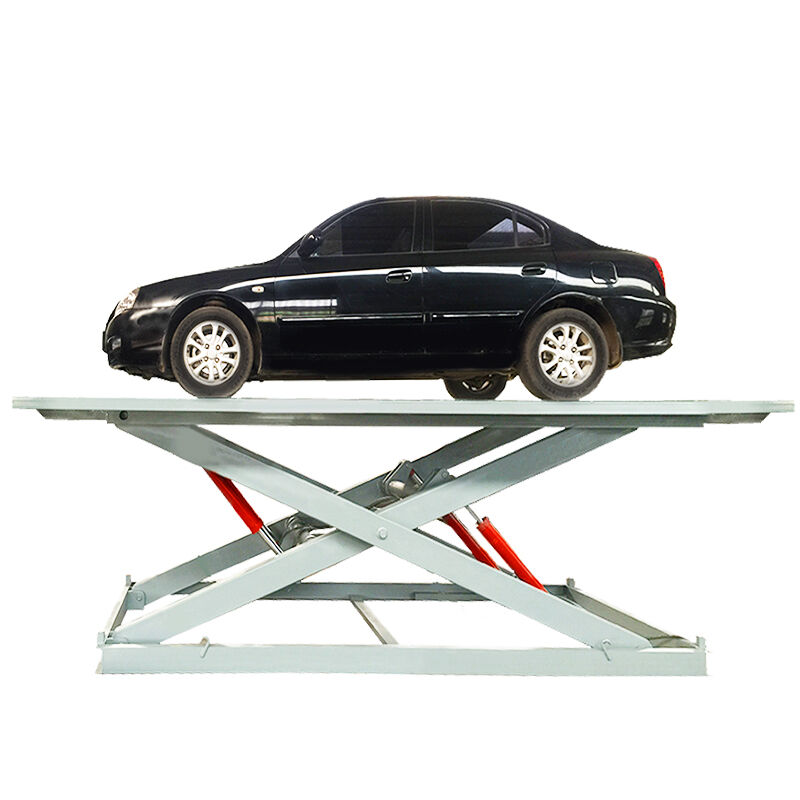
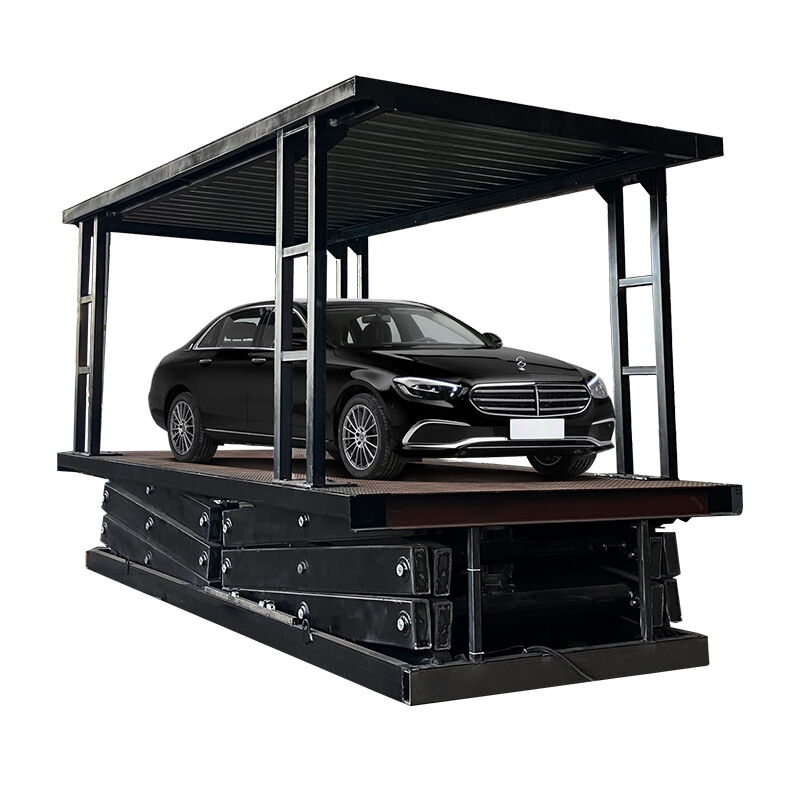
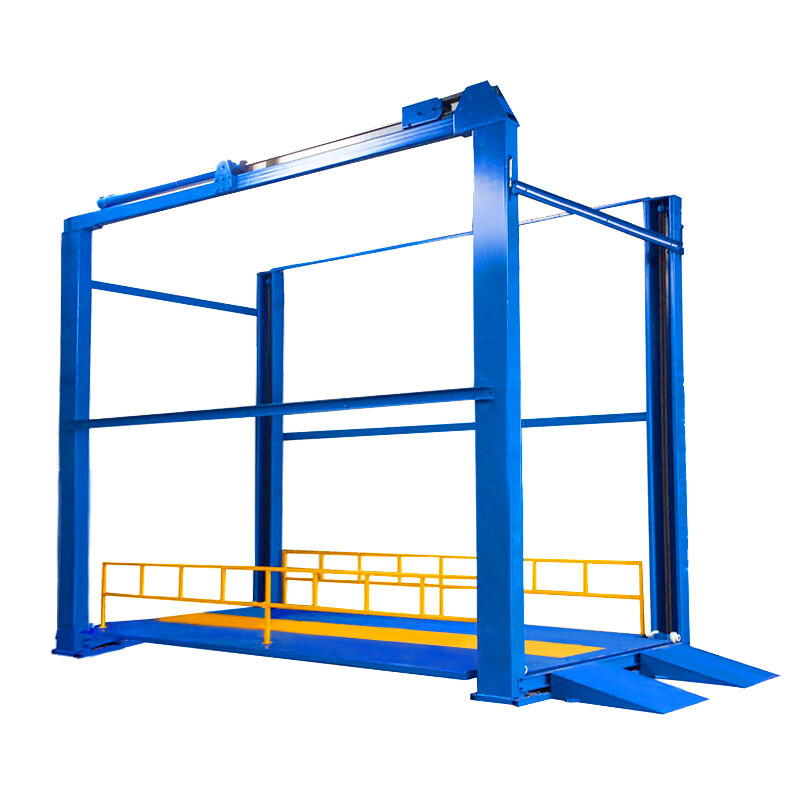
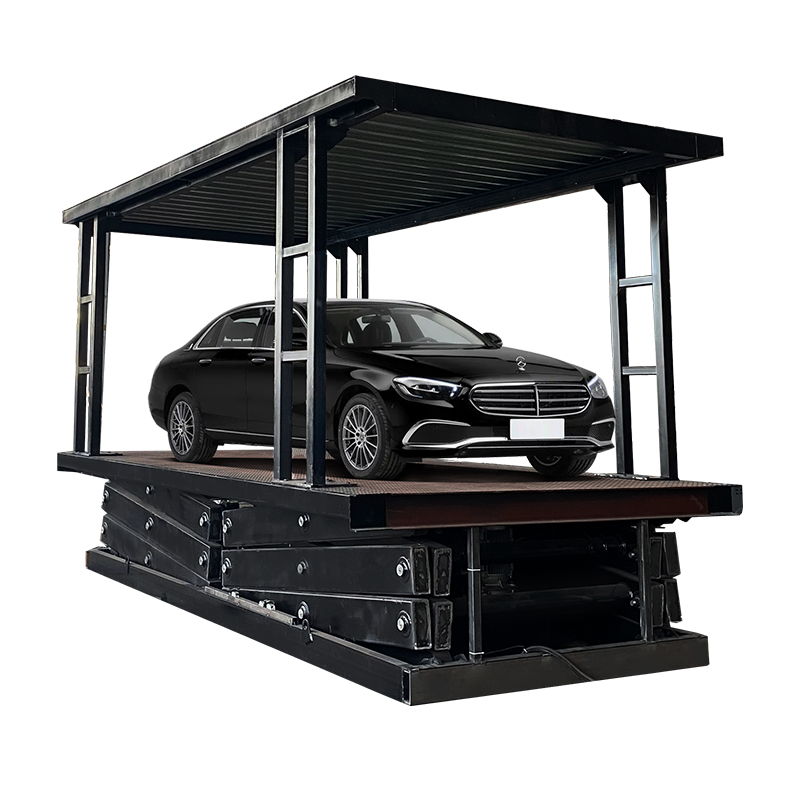
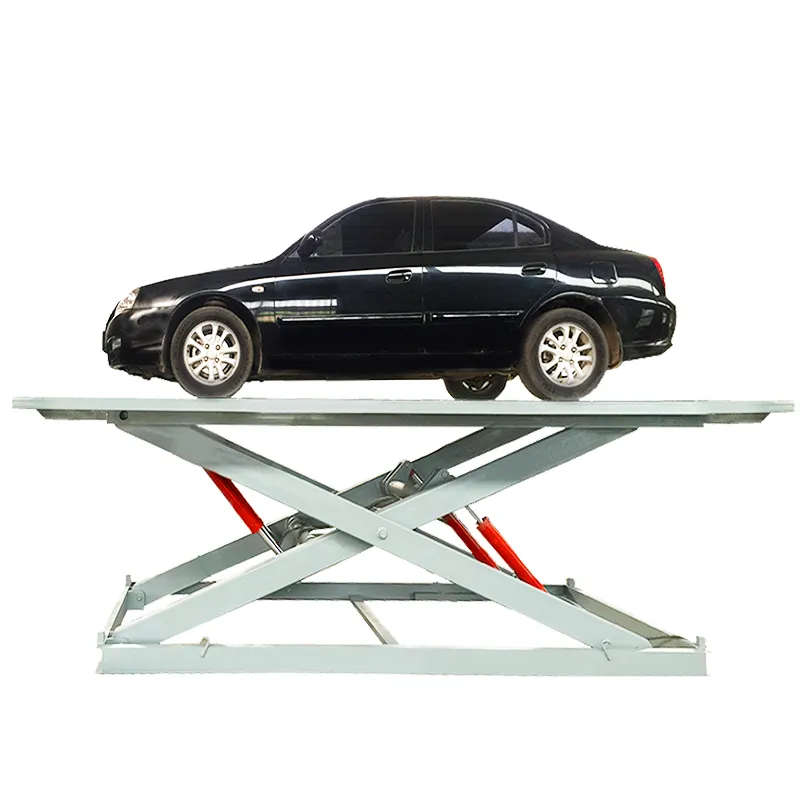
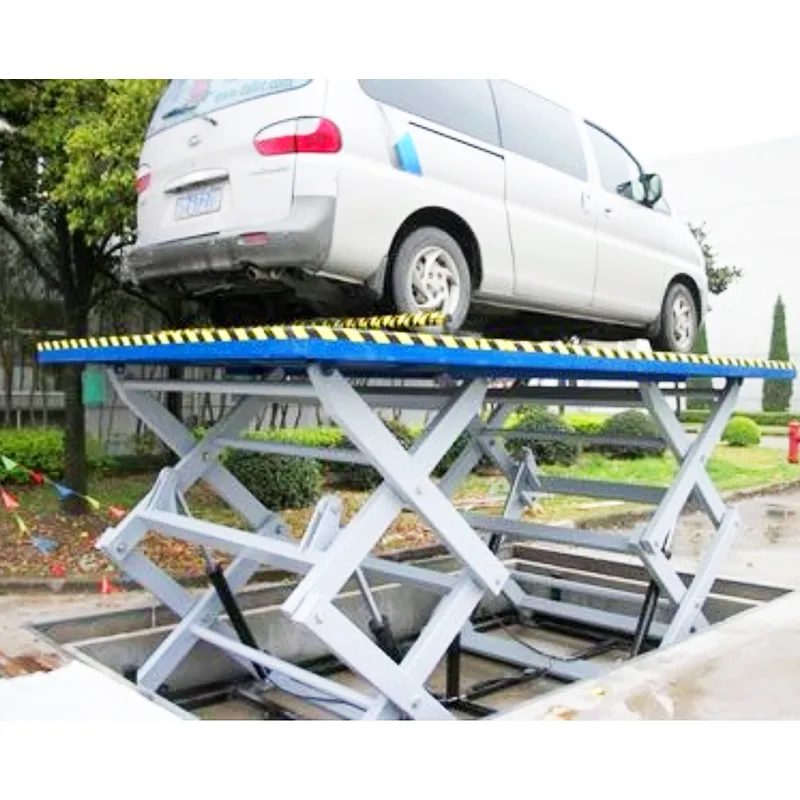
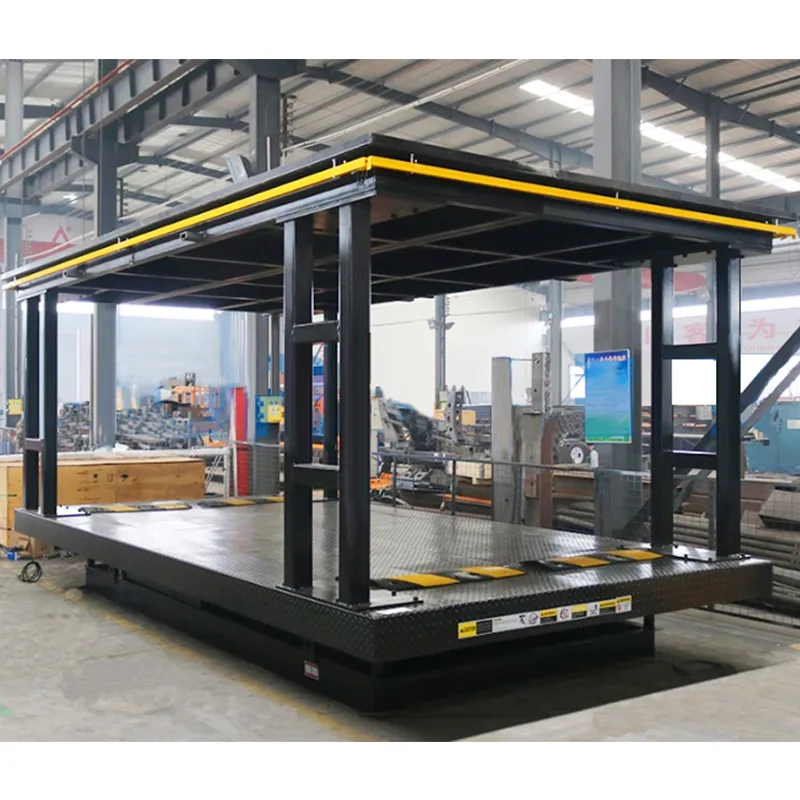
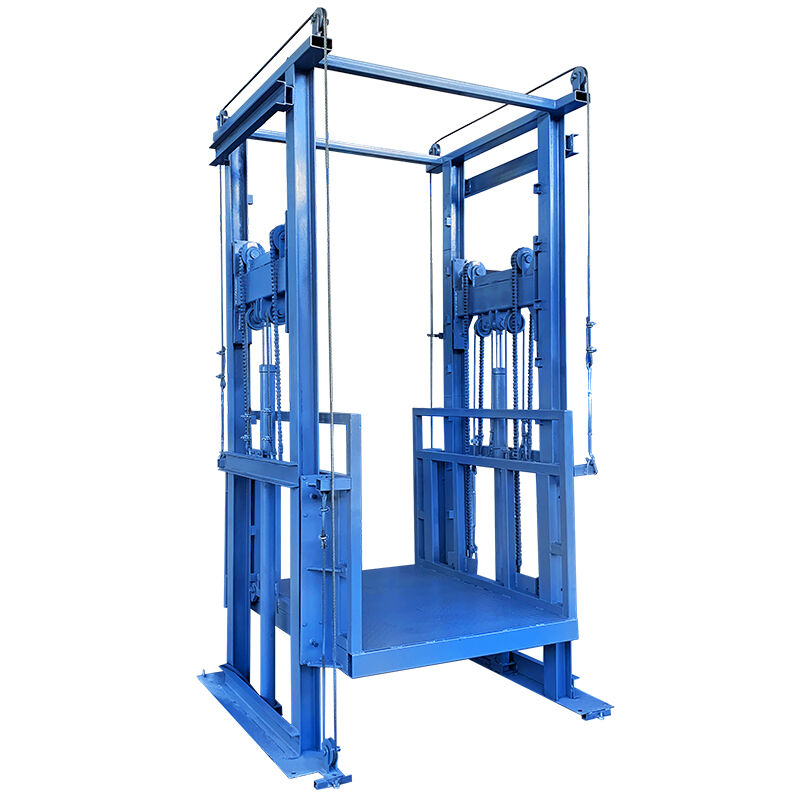
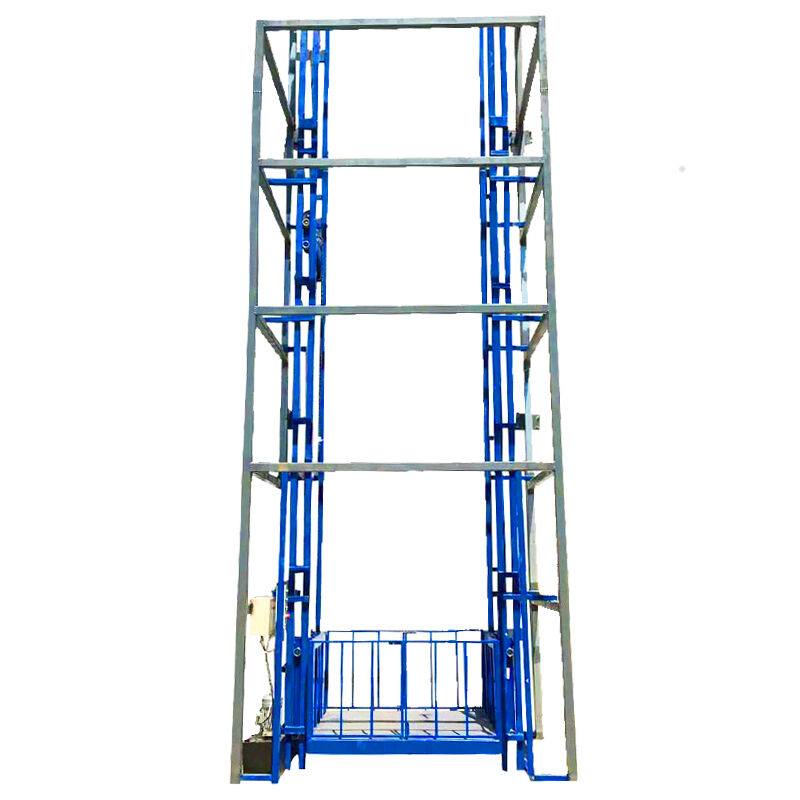
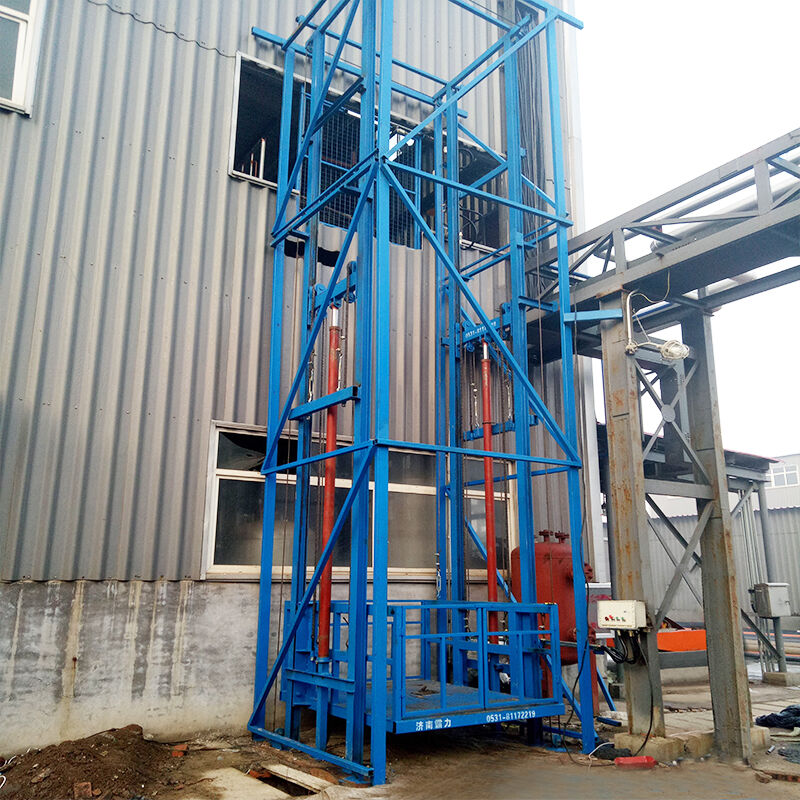
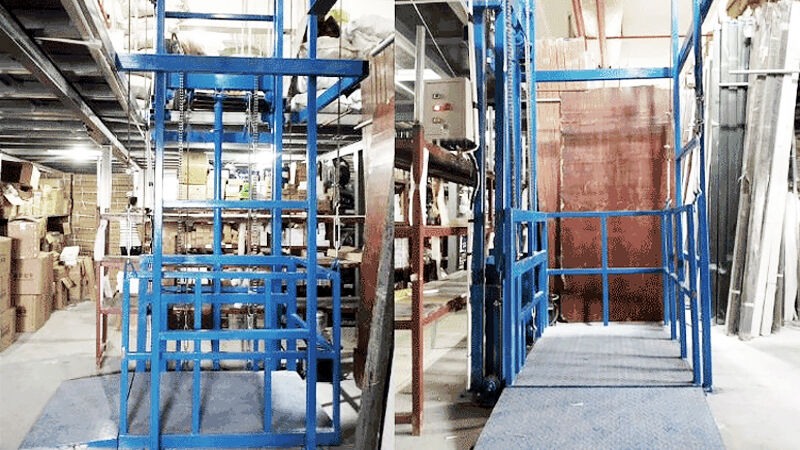
The remarkable versatility of heavy goods lifts enables their successful integration across diverse industries and applications, with customization options that address specific operational requirements and facility constraints. Manufacturing facilities utilize heavy goods lifts for transporting raw materials, work-in-process inventory, and finished products between production floors, assembly areas, and shipping departments. The ability to accommodate forklifts, pallet jacks, and other material handling equipment allows seamless integration with existing workflow processes while maintaining productivity standards. Warehouse and distribution centers benefit from heavy goods lifts that facilitate efficient inventory management across multiple storage levels, enabling optimal space utilization while maintaining rapid access to stored products. Automotive facilities employ these systems for moving engines, transmissions, body panels, and completed vehicles between assembly floors, paint booths, and quality control stations. The customization options available for heavy goods lifts include platform dimensions ranging from compact units suitable for smaller items to expansive platforms capable of accommodating tractor-trailers or industrial equipment. Loading configurations can be tailored for straight-through access, right-angle entry, or multiple access points that align with facility layouts and operational workflows. Specialized platform surfaces accommodate different load types, including textured steel for general cargo, smooth surfaces for sensitive materials, or integrated conveyor systems for automated handling processes. Environmental modifications address specific operational conditions, such as explosion-proof electrical systems for hazardous environments, corrosion-resistant materials for chemical processing facilities, or temperature-controlled enclosures for pharmaceutical applications. The control systems can be programmed for automated operation sequences that integrate with facility management systems, inventory tracking networks, or production scheduling software. Capacity options extend from light-duty systems handling several thousand pounds to heavy-duty installations managing loads exceeding 100,000 pounds, with corresponding structural modifications to support increased weight requirements. Installation flexibility accommodates new construction projects as well as retrofit applications in existing buildings, with engineering solutions that minimize structural modifications while maximizing operational capabilities. The modular design approach allows for future expansion or modification as business needs change, providing long-term value and operational flexibility that justify initial investment costs through extended service life and adaptability.
 EN
EN