Versatile Applications and Customization Options
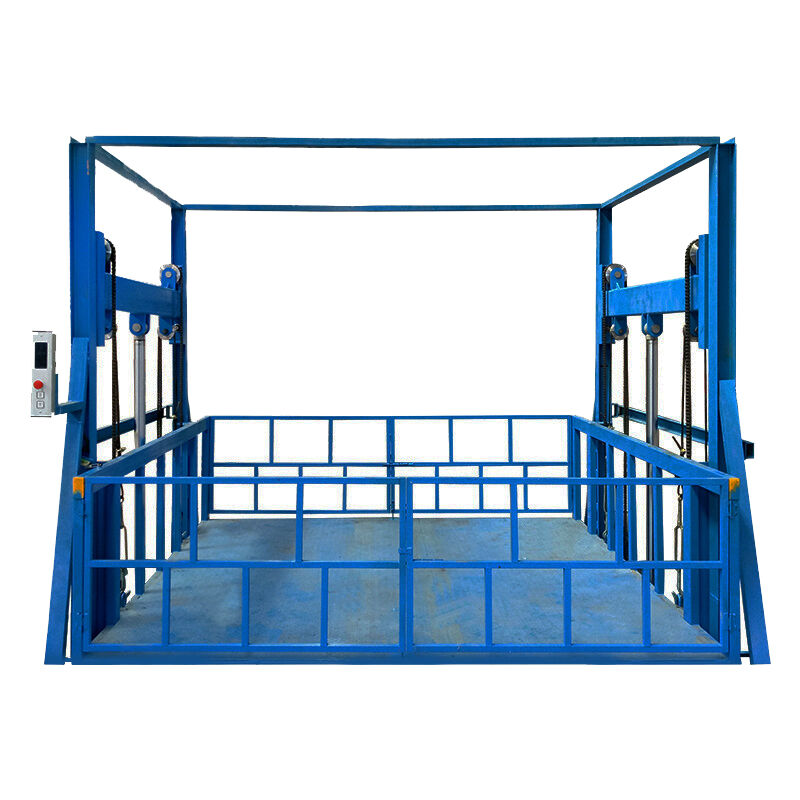
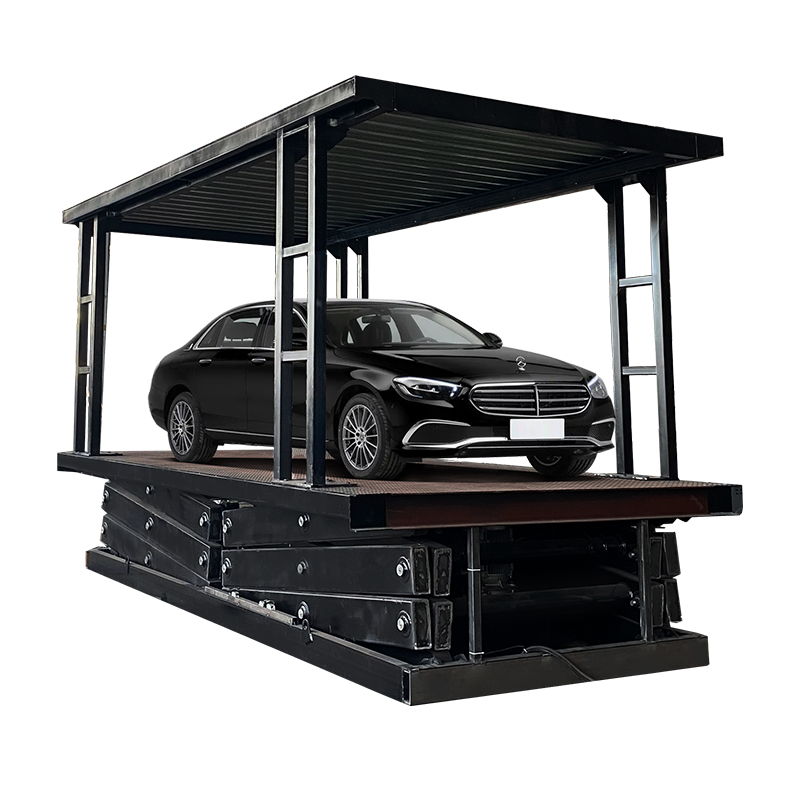
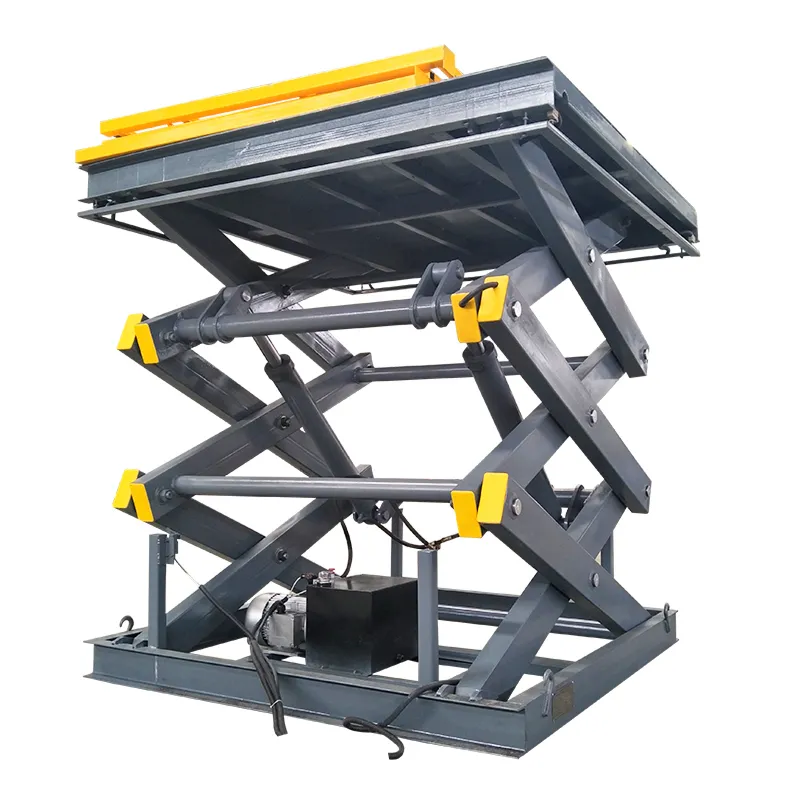
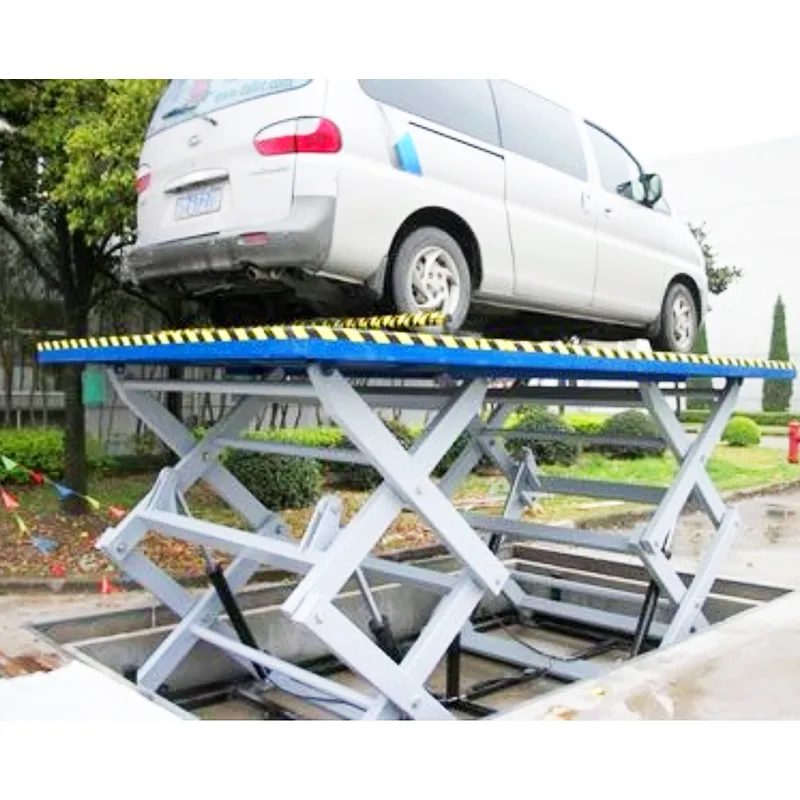
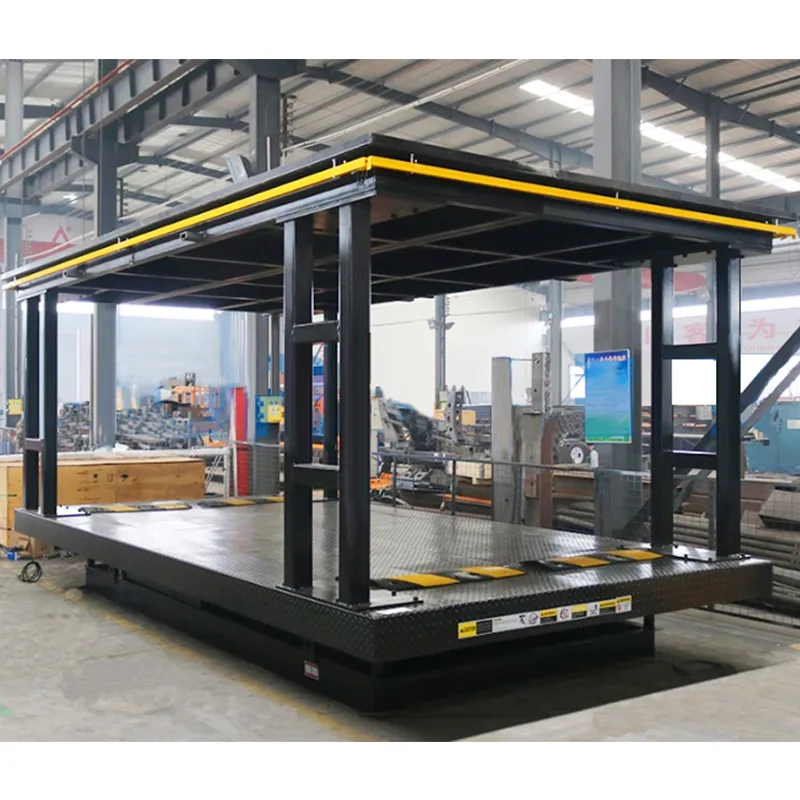
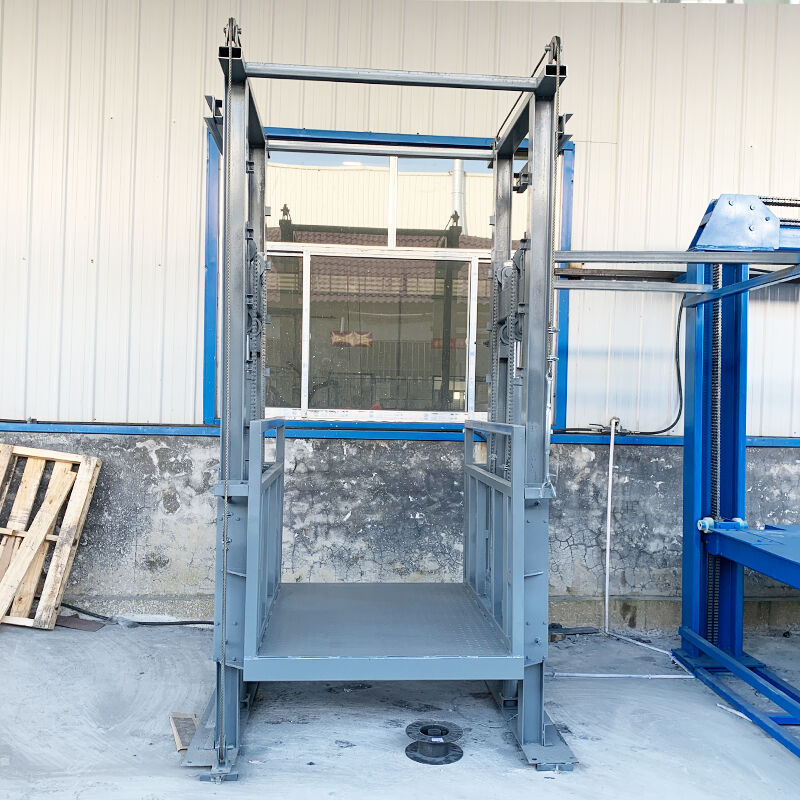
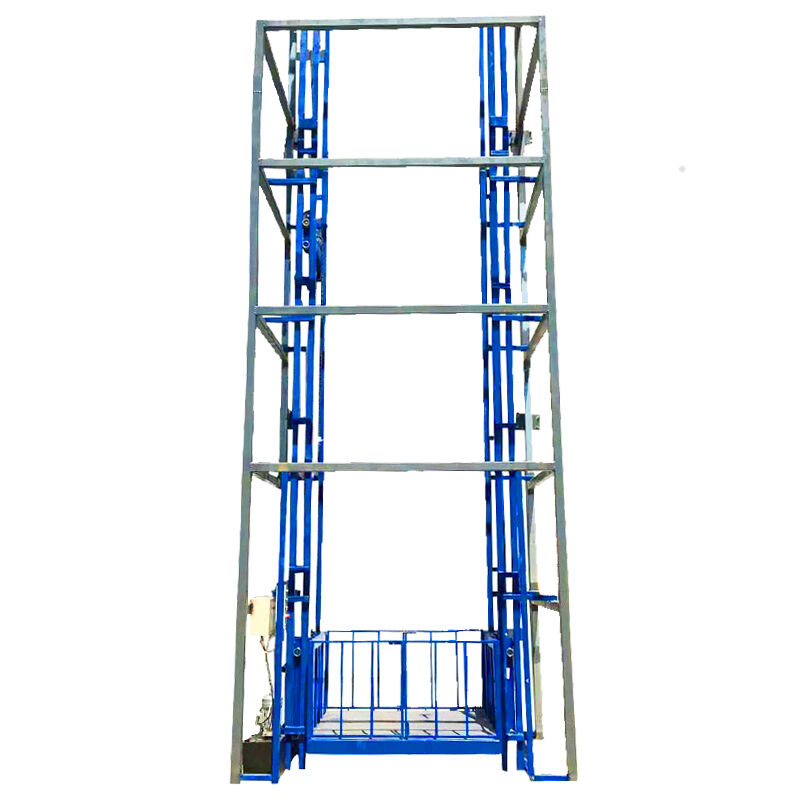
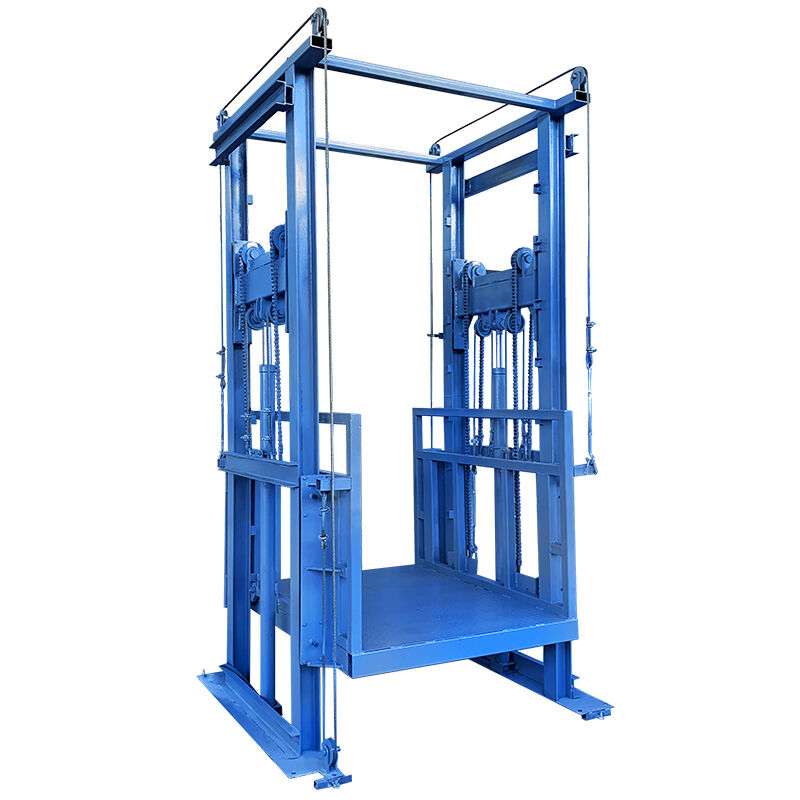
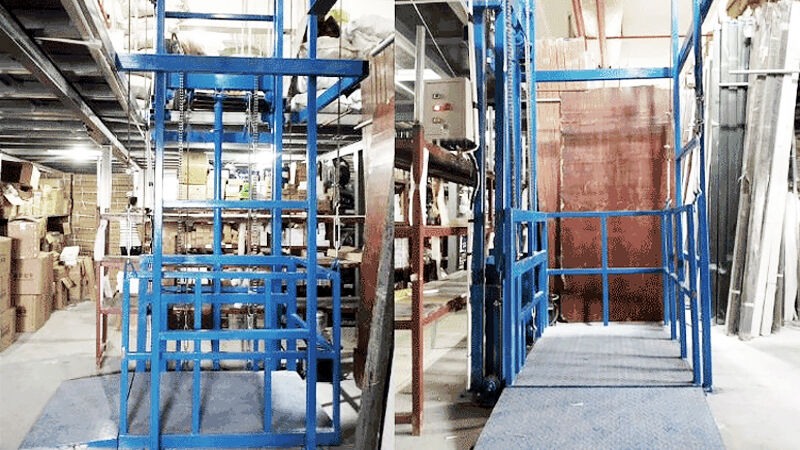
The double mast goods lift demonstrates remarkable adaptability across diverse industrial applications, making it an invaluable asset for businesses ranging from small workshops to large manufacturing facilities. In retail environments, these systems efficiently transport merchandise between storage areas and sales floors, reducing manual handling and improving inventory management efficiency. Manufacturing facilities utilize double mast goods lifts to move raw materials, work-in-progress items, and finished products between production levels, streamlining workflows and reducing production bottlenecks. Warehouse operations benefit enormously from the ability to quickly move palletized goods, oversized packages, and heavy equipment between storage levels without relying on complex conveyor systems or freight elevators. The automotive industry employs these lifts for transporting engines, transmissions, and other heavy components during assembly processes, while construction companies use them to move tools, materials, and equipment to different building levels efficiently. Customization capabilities enable businesses to specify platform dimensions, load capacities, and control systems that perfectly match their operational requirements. Platform surfaces can be configured with anti-slip materials, raised edges, or specialized fixtures to accommodate specific cargo types safely. The double mast goods lift control systems offer programmable floor stops, allowing operators to quickly access frequently used levels while maintaining flexibility for occasional use floors. Integration with existing building management systems enables remote monitoring and operation, supporting modern automation initiatives and predictive maintenance programs. Environmental considerations include weather protection options for outdoor installations, corrosion-resistant coatings for harsh environments, and explosion-proof components for hazardous locations. The modular design philosophy allows for future modifications and upgrades as business needs evolve, protecting the initial investment while maintaining operational flexibility throughout the system lifecycle.
 EN
EN