Professional Hydraulic Lift for Material Handling - Industrial Lifting Solutions

Get a Free Quote

Our representative will contact you soon.
Email
Mobile/WhatsApp
Name
Company Name
Message
0/1000

hydraulic lift for material handling

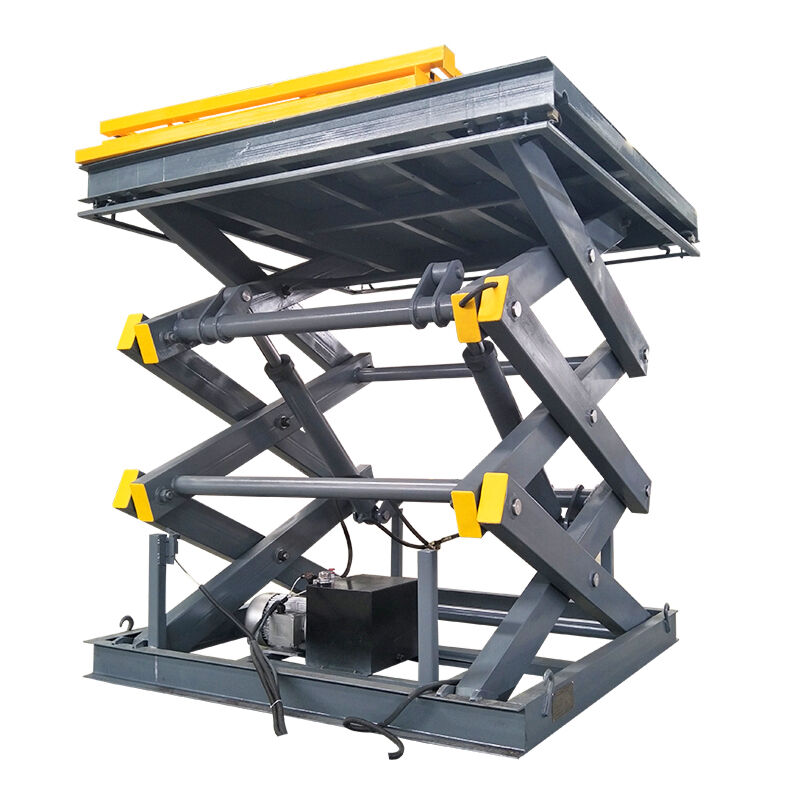
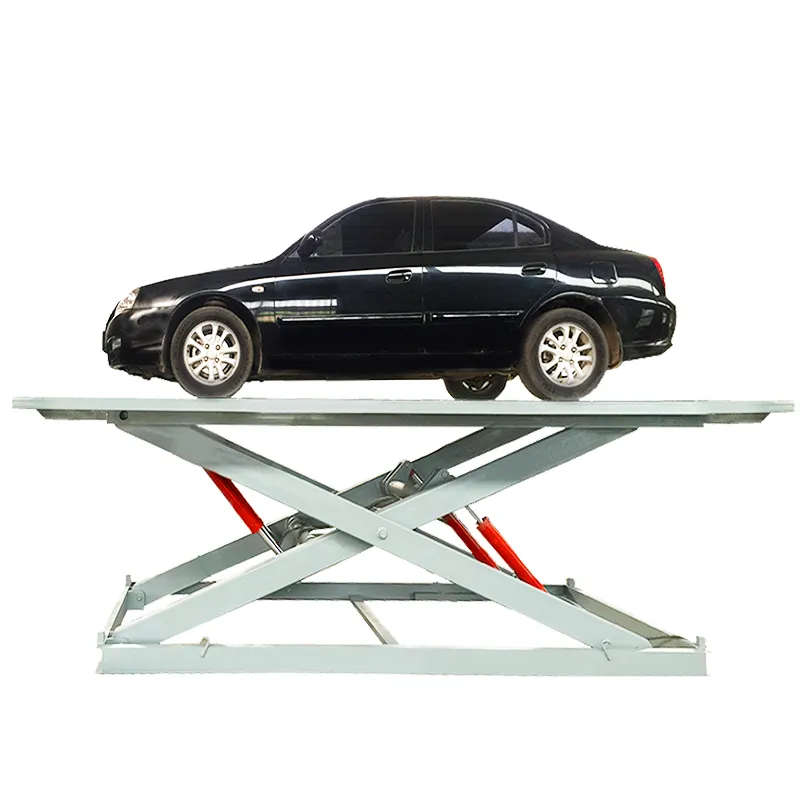
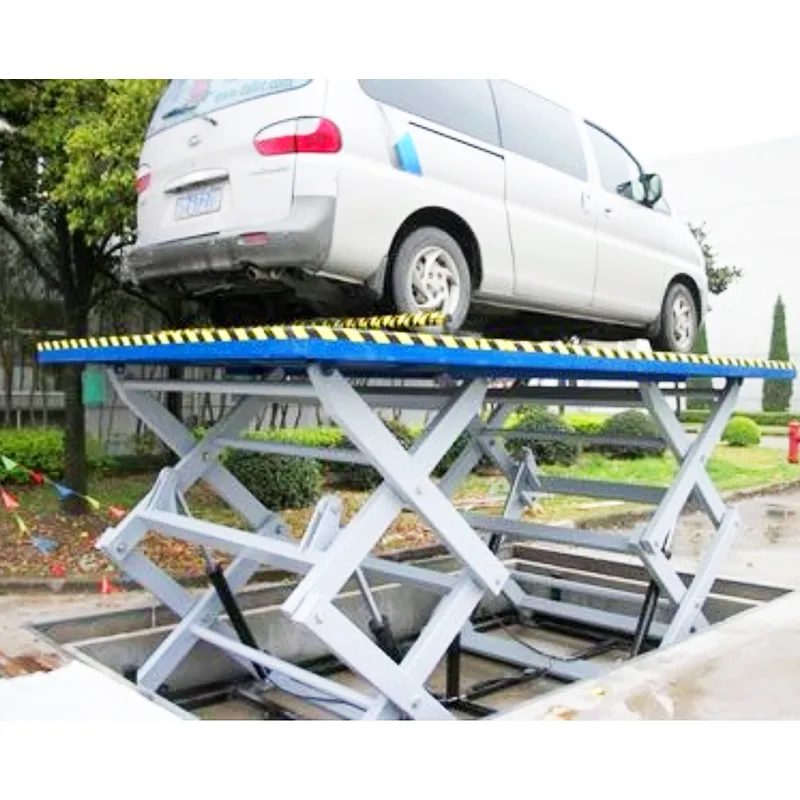
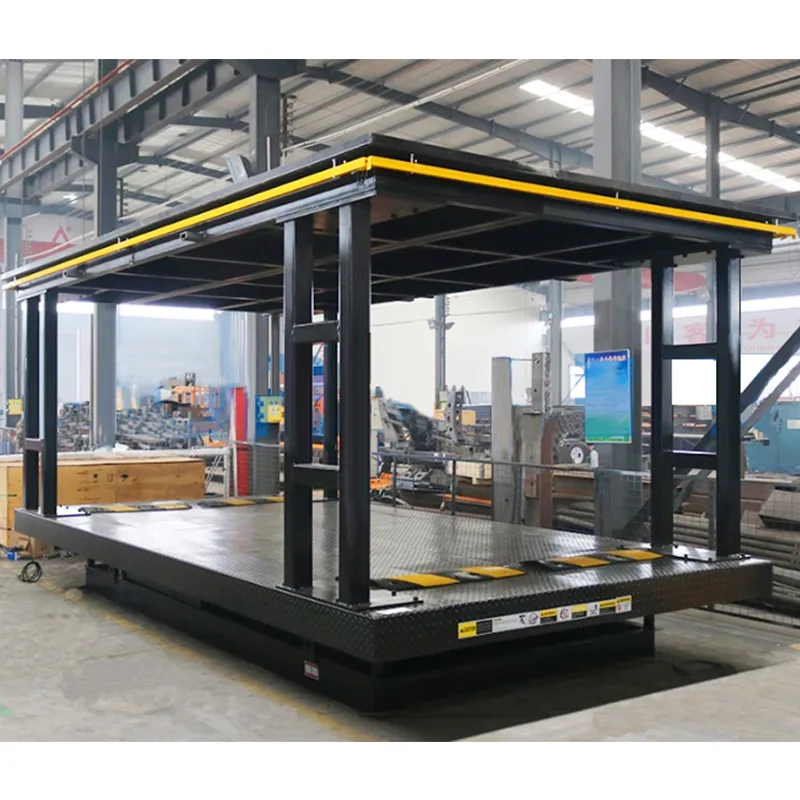
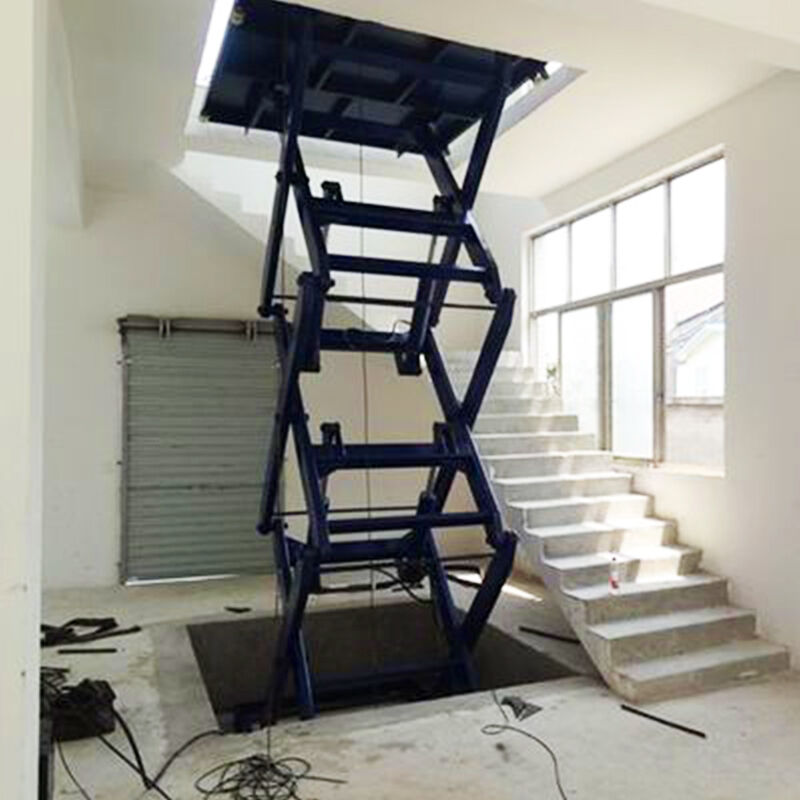
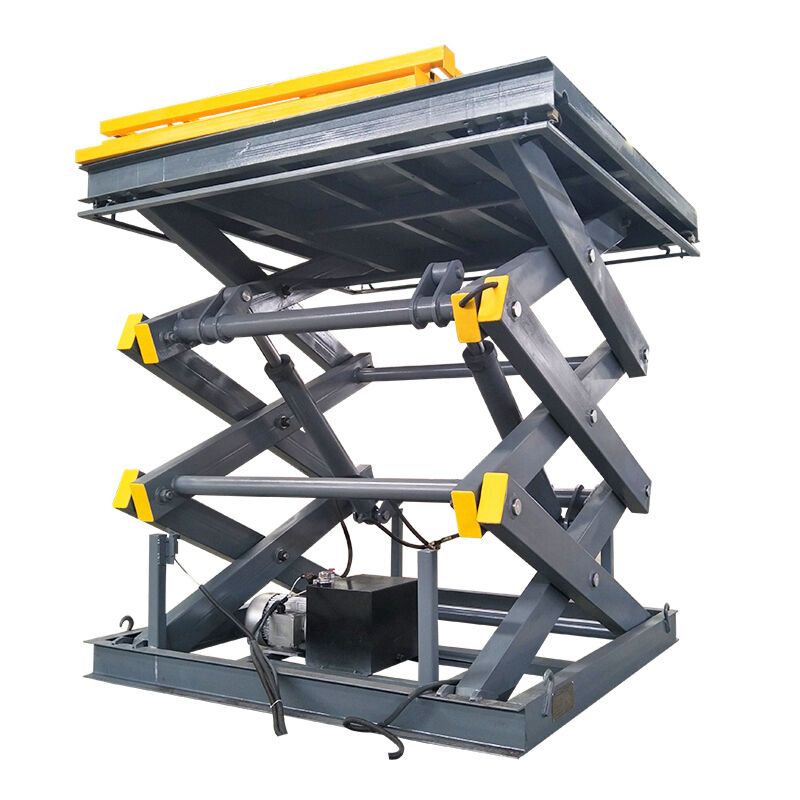
A hydraulic lift for material handling represents a sophisticated mechanical solution designed to elevate, lower, and position heavy loads with exceptional precision and control. This versatile equipment utilizes pressurized hydraulic fluid to generate the necessary force for lifting operations, making it an indispensable tool across various industrial sectors. The hydraulic lift for material handling operates on Pascal's principle, where hydraulic fluid pressure applied to a small piston creates amplified force at a larger piston, enabling the system to handle substantial weights with minimal input effort. Modern hydraulic lift systems incorporate advanced technological features including programmable controls, safety interlocks, and variable speed adjustments to meet diverse operational requirements. The core functionality of a hydraulic lift for material handling extends beyond simple vertical movement, encompassing precise positioning capabilities that facilitate efficient warehouse operations, manufacturing processes, and logistics activities. These systems typically feature robust steel construction with reinforced lifting platforms, ensuring long-term durability under demanding operational conditions. The hydraulic power unit, consisting of pumps, valves, and reservoirs, delivers consistent performance while maintaining energy efficiency. Advanced models include integrated safety systems such as overload protection, emergency stop functions, and automatic descent controls. The versatility of hydraulic lift for material handling applications spans from simple dock loading operations to complex multi-level storage systems. Industries ranging from automotive manufacturing to pharmaceutical production rely on these systems to streamline their material handling processes. The technology continues to evolve with smart controls, remote monitoring capabilities, and predictive maintenance features that enhance operational efficiency and reduce downtime. Environmental considerations have led to the development of eco-friendly hydraulic fluids and energy-efficient pump systems, making modern hydraulic lift solutions more sustainable while maintaining superior performance standards.

Popular Products

The hydraulic lift for material handling offers numerous compelling advantages that make it the preferred choice for businesses seeking reliable and efficient lifting solutions. First and foremost, these systems provide exceptional lifting capacity while maintaining precise control throughout the entire range of motion. Unlike mechanical lifting systems that may struggle with heavy loads, a hydraulic lift for material handling can effortlessly handle weights ranging from hundreds to thousands of pounds, making it suitable for diverse industrial applications. The smooth operation characteristic of hydraulic systems eliminates jerky movements and vibrations that could damage sensitive materials or create safety hazards for operators. This controlled movement capability proves particularly valuable when handling fragile goods, electronic components, or precision-manufactured products that require gentle handling during lifting operations. Energy efficiency represents another significant advantage of hydraulic lift for material handling systems. These units consume power only during active lifting operations, remaining idle when loads are stationary, which translates to reduced operational costs and lower environmental impact. The hydraulic technology allows for variable speed control, enabling operators to adjust lifting speeds according to specific requirements, whether rapid positioning for high-volume operations or slow, precise movements for delicate materials. Maintenance requirements for hydraulic lift systems remain minimal compared to complex mechanical alternatives, with most routine maintenance involving simple hydraulic fluid changes and basic component inspections. This simplicity reduces downtime and maintenance costs while ensuring consistent performance over extended periods. The modular design of modern hydraulic lift for material handling systems allows for easy customization and expansion, enabling businesses to adapt their lifting solutions as operational needs evolve. Safety features integrated into hydraulic systems provide superior protection for both operators and materials, with fail-safe mechanisms that prevent uncontrolled descent and overload protection that prevents damage to equipment. The quiet operation of hydraulic systems creates a more pleasant working environment compared to noisy mechanical alternatives, contributing to improved workplace conditions and reduced noise pollution. Additionally, the compact design of hydraulic power units allows for flexible installation in space-constrained environments while delivering maximum lifting performance. The proven reliability of hydraulic technology ensures consistent operation in demanding industrial environments, providing businesses with dependable material handling solutions that enhance productivity and operational efficiency.

Practical Tips

What Are the Advantages of Choosing a Custom Lift Manufacturer?

05

Mar

What Are the Advantages of Choosing a Custom Lift Manufacturer?

When businesses need vertical transportation solutions, they often face a critical decision: choose a standard, off-the-shelf lift system or partner with a custom lift manufacturer. While pre-engineered lifts may seem like the simpler option, working...
View More
Why Are Stationary Scissor Lifts Popular in Manufacturing Plants?

16

Mar

Why Are Stationary Scissor Lifts Popular in Manufacturing Plants?

Manufacturing plants worldwide have increasingly turned to stationary scissor lifts as essential equipment for their vertical material handling and access needs. These robust hydraulic platforms have become indispensable in modern industrial operatio...
View More
How Do Car Lifts for Home Garage Add Value to Real Estate Projects?

20

Mar

How Do Car Lifts for Home Garage Add Value to Real Estate Projects?

Car lifts for home garage installations have emerged as a premium feature that significantly enhances property value in today's competitive real estate market. These sophisticated automotive storage solutions transform ordinary residential garages in...
View More
What Are the Key Benefits of Installing a Goods Lift in Factories?

30

Mar

What Are the Key Benefits of Installing a Goods Lift in Factories?

In today’s highly competitive industrial environment, factories are under constant pressure to improve operational efficiency, reduce labor costs, and ensure workplace safety. One of the most practical solutions adopted by modern manufactu...
View More

Get a Free Quote

Our representative will contact you soon.
Email
Mobile/WhatsApp
Name
Company Name
Message
0/1000

hydraulic lift for material handling

Superior Load Capacity and Precision Control

Superior Load Capacity and Precision Control

The hydraulic lift for material handling demonstrates unparalleled load capacity capabilities that set it apart from alternative lifting solutions in industrial environments. This exceptional strength stems from the fundamental principles of hydraulic pressure multiplication, where relatively small input forces generate tremendous lifting power through pressurized fluid systems. Modern hydraulic lift systems can handle loads ranging from 500 pounds to over 50,000 pounds, depending on configuration and application requirements, making them suitable for everything from light assembly operations to heavy industrial manufacturing processes. The precision control aspect of hydraulic lift for material handling systems provides operators with exact positioning capabilities that enhance operational efficiency and safety. Unlike chain-driven or cable systems that may experience stretching or mechanical play, hydraulic systems deliver consistent, smooth movement throughout the entire lifting range. This precision proves crucial in applications requiring exact positioning, such as assembly line operations where components must align perfectly with workstations or storage systems where materials need precise placement on shelves or racks. The hydraulic lift for material handling incorporates advanced valve technology that allows for infinitely variable speed control, enabling operators to adjust lifting speeds from barely perceptible movements for delicate positioning to rapid elevation for high-throughput operations. This flexibility accommodates diverse operational requirements within a single facility, eliminating the need for multiple specialized lifting systems. The load-holding capability of hydraulic systems provides additional safety and operational benefits, as pressurized fluid naturally maintains load position without continuous power consumption. This characteristic proves particularly valuable in applications where loads must remain elevated for extended periods during assembly, inspection, or maintenance operations. Modern hydraulic lift systems integrate sophisticated control systems that can store multiple preset positions, allowing operators to quickly move loads to frequently used heights with single-button operation, thereby increasing productivity and reducing operator fatigue while maintaining consistent precision across multiple lifting cycles.
Enhanced Safety Features and Reliability

Enhanced Safety Features and Reliability

Safety represents the paramount concern in material handling operations, and the hydraulic lift for material handling excels in providing comprehensive safety features that protect both personnel and equipment. These systems incorporate multiple redundant safety mechanisms designed to prevent accidents and equipment damage under various operational conditions. The inherent safety characteristics of hydraulic technology include overload protection systems that automatically prevent lifting attempts beyond rated capacity, protecting both the equipment and surrounding infrastructure from damage. Emergency descent controls allow for safe lowering of loads during power failures or emergency situations, utilizing gravity-assisted hydraulic flow through dedicated safety valves. The hydraulic lift for material handling features integrated safety barriers, light curtains, and pressure-sensitive mats that immediately halt operation when personnel enter restricted areas, significantly reducing the risk of workplace accidents. Advanced models incorporate dual-circuit hydraulic systems that provide backup lifting capability in case of primary system failure, ensuring load security and operational continuity. The smooth, controlled movement of hydraulic systems eliminates sudden stops and starts that could cause load shifting or tip-over incidents, particularly important when handling unstable or loosely secured materials. Regular safety inspections and maintenance protocols for hydraulic lift systems follow well-established industry standards, with clear guidelines for component replacement and system testing. The reliability aspect of hydraulic lift for material handling stems from decades of proven technology refinement and robust component design. High-quality hydraulic pumps, valves, and cylinders typically operate for thousands of hours with minimal maintenance requirements, providing consistent performance in demanding industrial environments. The simplicity of hydraulic systems reduces the number of potential failure points compared to complex mechanical alternatives, resulting in higher overall system reliability and reduced downtime. Predictive maintenance capabilities in modern hydraulic lift systems monitor operating parameters such as pressure, temperature, and flow rates, alerting maintenance personnel to potential issues before they cause system failures. This proactive approach to maintenance scheduling maximizes equipment uptime while ensuring safety standards remain consistently high throughout the system's operational life.
Cost-Effectiveness and Operational Efficiency

Cost-Effectiveness and Operational Efficiency

The hydraulic lift for material handling delivers exceptional cost-effectiveness through multiple operational and maintenance advantages that provide significant return on investment for businesses across various industries. Initial equipment costs for hydraulic systems often prove competitive with alternative lifting technologies, while the long-term operational savings create substantial financial benefits over the equipment lifecycle. Energy efficiency represents a major cost advantage, as hydraulic lift systems consume power only during active lifting operations, remaining in standby mode when loads are stationary or during idle periods. This energy consumption pattern contrasts favorably with continuously operating mechanical systems, resulting in reduced electrical costs and lower environmental impact. The operational efficiency of hydraulic lift for material handling systems translates directly into increased productivity and reduced labor costs. Precise positioning capabilities minimize the time required for load placement operations, while smooth acceleration and deceleration reduce cycle times compared to mechanical alternatives. Single-operator control of multiple lifting functions eliminates the need for additional personnel during material handling operations, reducing labor costs while maintaining high productivity levels. The hydraulic lift for material handling requires minimal floor space for installation, maximizing valuable facility area for productive operations rather than equipment infrastructure. Maintenance cost advantages stem from the relative simplicity of hydraulic components and well-established service procedures that can often be performed by in-house maintenance personnel. Routine maintenance typically involves hydraulic fluid changes, filter replacements, and basic component inspections, activities that require minimal specialized tools or extensive technical training. The durability of hydraulic components results in extended service intervals and reduced replacement part costs compared to mechanical systems with multiple moving parts subject to wear and failure. Modern hydraulic lift systems incorporate diagnostic capabilities that monitor system performance and predict maintenance requirements, allowing for scheduled maintenance during planned downtime rather than costly emergency repairs. The versatility of hydraulic lift for material handling systems enables businesses to adapt equipment for multiple applications within their facilities, maximizing equipment utilization and reducing the need for specialized lifting equipment. This flexibility proves particularly valuable for businesses with changing operational requirements or seasonal variations in material handling needs, allowing single systems to serve multiple functions throughout their operational life.

Get a Free Quote

Our representative will contact you soon.
Email
Mobile/WhatsApp
Name
Company Name
Message
0/1000